In 2025, cold chain distribution remains a vital component for maintaining the integrity of temperature-sensitive products such as pharmaceuticals, seafood, and perishable food. This guide will walk you through the best practices for optimizing your cold chain logistics, ensuring the safe and efficient transportation of products, and keeping them within the necessary temperature range. By implementing cutting-edge strategies, you can improve the efficiency and reliability of your cold chain operations while ensuring customer satisfaction and regulatory compliance.
What is Cold Chain Distribution and Why is it Important?
Cold chain distribution involves the transportation and storage of temperature-sensitive products within a controlled environment to maintain their quality and safety. Whether shipping vaccines, seafood, or fresh produce, ensuring proper temperature control is essential throughout the shipping process.
Why Does It Matter?
The importance of cold chain distribution is evident in various sectors, particularly in the food and pharmaceutical industries. A temperature fluctuation, even by a few degrees, can significantly affect the product’s quality, making it unsuitable or unsafe for consumption or use. This could result in product spoilage, degradation, and even health risks, which leads to financial losses and potential reputational damage.
Types of Temperature-Controlled Packaging Used in Cold Chain Distribution
Understanding the different types of temperature-controlled packaging used in cold chain distribution is essential for choosing the right solutions for your specific shipping needs.
| Packaging Type | Best Use | Temperature Range | Duration of Effectiveness |
|---|---|---|---|
| Dry Ice | Pharmaceuticals, vaccines, lab samples | Below -78°C | 24–72 hours |
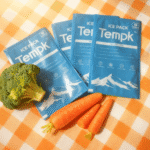
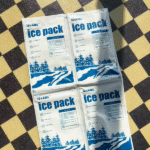
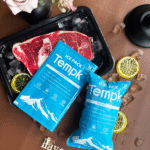
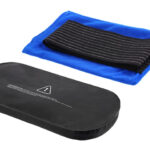
| Gel Packs | Seafood, meat, flowers, perishable foods | -18°C to 4°C | 12–48 hours |
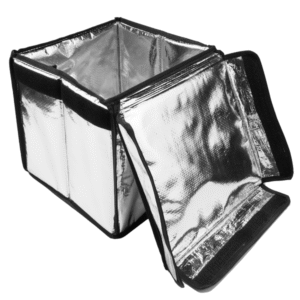
| Insulated Containers | General temperature-sensitive goods | -20°C to 20°C | 24–72 hours |
How Cold Chain Distribution Impacts Businesses
Effective cold chain distribution influences the reliability of businesses by ensuring products arrive in their intended condition, which has a direct impact on customer satisfaction and brand loyalty.
Cost Efficiency
By maintaining an efficient cold chain system, businesses can reduce product spoilage and losses, leading to better profit margins.
Customer Satisfaction
Ensuring that products arrive in optimal condition strengthens customer relationships and enhances brand reputation. Reliable cold chain logistics can increase repeat business and trust.
Case Study:
A medical device manufacturer in Europe saw a 15% increase in repeat orders after implementing a robust cold chain distribution process. This was attributed to faster, more reliable product deliveries that ensured temperature-sensitive goods arrived intact.
Key Factors for Optimizing Cold Chain Distribution in 2025
To thrive in 2025, businesses must integrate advanced technologies and sustainable practices into their cold chain operations. Here are the key factors to focus on:
1. Technology Integration in Cold Chain Logistics
Real-time monitoring systems, GPS tracking, and temperature sensors are becoming essential to track products throughout their journey and ensure they remain within the correct temperature range.
IoT Sensors: Real-time data on temperature fluctuations help businesses address issues immediately.
Blockchain for Transparency: Ensures traceability and data integrity, making it easier to monitor the condition of temperature-sensitive goods.
Practical Tip: Implementing temperature tracking sensors can reduce product loss by as much as 10%, ensuring that you can respond to issues before they escalate.
2. Using Sustainable Packaging in Cold Chain Distribution
Sustainability is increasingly important in the cold chain sector. Businesses are shifting towards biodegradable and recyclable packaging materials to reduce their environmental impact.
Biodegradable Gel Packs: Offer an eco-friendly option while still providing the necessary temperature control.
Recyclable Insulated Boxes: Made from sustainable materials that protect goods while minimizing waste.
What does this mean for you? By adopting sustainable packaging, you not only reduce your environmental footprint but also appeal to eco-conscious customers, improving your brand image.
Helpful decision tools
Check the details before you choose packaging
These quick tools can help you compare route risk, sizing needs, coolant choices, and packaging details before you request a quote.
Packaging Selector
Compare insulated packaging options by product, route, and temperature need.
Find packagingCompliance Checklist Generator
Build a practical checklist for packaging review, shipping, and documentation.
Build checklistDry Ice Calculator
Estimate dry ice needs for frozen or ultra-cold shipments before packing.
Estimate dry ice3. Building Efficient Routes and Network Logistics
Optimizing your logistics network and routes can reduce delays and ensure that products maintain the correct temperature during transport.
Route Optimization: Using AI to predict traffic patterns and optimize delivery routes reduces delays and enhances product quality.
Warehouse and Distribution Center Location: Strategically located warehouses help minimize transit times.
| Strategy | Benefit | Impact on Cold Chain |
|---|---|---|
| Route Optimization | Reduced delays, faster deliveries | Ensures timely temperature control |
| Strategic Location of Warehouses | Lower transit times | Better temperature control, fewer spoilage incidents |
Collaboration with Third-Party Cold Chain Providers
Partnering with trusted third-party logistics providers (3PL) can enhance your cold chain operations by outsourcing the complexities of temperature-sensitive shipping. These providers specialize in storage, packaging, and last-mile delivery, offering expert solutions that streamline your logistics process.
Outsourcing to Experts: 3PL providers offer specialized cold chain services that ensure the safety and quality of your products.
Vendor Relationships: Building strong partnerships with logistics providers ensures smoother operations and fewer disruptions.
The Future of Cold Chain Distribution: Trends to Watch in 2025
As the cold chain distribution sector evolves, there are several trends that businesses should pay attention to in 2025:
Increased Use of AI and IoT
AI and IoT sensors are set to play a major role in optimizing cold chain operations. From predictive analytics to real-time monitoring, these technologies will enhance efficiency and ensure that products are delivered on time and in optimal condition.
Sustainability and Green Logistics
Eco-friendly shipping is a growing trend. With rising concerns about climate change, more businesses are turning to sustainable refrigerants, energy-efficient refrigeration, and recyclable packaging materials to reduce their carbon footprint.
Blockchain for Transparency
The use of blockchain in cold chain distribution will help ensure traceability and accountability, providing better visibility into the status of temperature-sensitive shipments.
Frequently Asked Questions
What is the main purpose of cold chain distribution?
The primary purpose is to transport temperature-sensitive products safely, ensuring they remain within a specific temperature range to maintain their quality and safety during transit.
How do temperature sensors help in cold chain distribution?
Temperature sensors monitor and maintain the required temperature throughout the journey. Any deviations trigger immediate corrective actions to prevent spoilage or degradation.
Conclusion
Cold chain distribution is critical for businesses involved in the shipment of temperature-sensitive products. By embracing the latest technologies, adopting sustainable practices, and optimizing logistics strategies, businesses can improve efficiency, reduce costs, and enhance customer satisfaction.
Next Steps:
Implement real-time temperature monitoring across all shipments.
Transition to sustainable packaging solutions to reduce environmental impact.
Collaborate with experienced 3PL providers to streamline your cold chain logistics operations.
About Tempk
At Tempk, we specialize in innovative cold chain logistics solutions. We provide temperature-controlled packaging and real-time monitoring technologies that ensure the safety and quality of your products throughout the entire distribution process.
Contact Us for expert cold chain solutions tailored to your business needs.