Cold chain logistics is critical in ensuring the safe and efficient transport of cell and gene therapy products. As these therapies evolve, maintaining precise temperature control is essential for preserving their efficacy. This article explores why cold chain logistics is vital for the success of cell and gene therapy shipments and how the logistics industry is evolving to meet these needs.
What Makes Cold Chain Logistics Crucial for Cell and Gene Therapy?

Cell and gene therapies require stringent temperature control throughout the supply chain to ensure product integrity. Even the slightest temperature deviation can result in compromised therapeutic efficacy or product spoilage. Therefore, cold chain logistics is a cornerstone of the process.
Temperature-Sensitive Products
Cell and gene therapies rely on living cells and complex molecules, which are highly susceptible to temperature variations. Maintaining the required temperature range is essential to preserving their viability.
Stringent Regulatory Requirements
Therapies in clinical settings must adhere to strict regulations to guarantee patient safety. These regulations mandate that products are transported and stored under precisely controlled conditions to comply with safety standards.
How Cold Chain Logistics Protects Product Integrity
Cold chain logistics involves several steps to maintain a specific temperature range, typically between -80°C and -20°C for gene therapies. Certified logistics providers use specialized containers, packaging, and storage solutions to guarantee the therapies stay within the required temperature limits.
Industry Insight: In 2025, approximately 32% of cell and gene therapy shipments encounter temperature-related challenges during transit, emphasizing the necessity of reliable cold chain logistics.
How Are Cold Chain Logistics Providers Adapting to Meet the Needs of Cell and Gene Therapy?
1. Enhanced Packaging Solutions
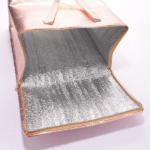
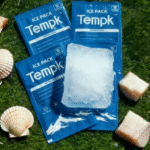
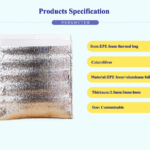
The packaging of cell and gene therapies has undergone significant improvements. To maintain stable temperatures during transport, new materials such as insulated boxes, phase change materials (PCMs), and dry ice are increasingly used.
Insulated Shipping Containers: These containers are designed to maintain a specific temperature range for extended periods.
Phase Change Materials (PCMs): PCMs absorb and release heat during transit, ensuring a constant temperature for an extended duration.
2. Advanced Temperature Monitoring and Data Logging
Real-time temperature monitoring is a vital aspect of cold chain logistics. Temperature sensors, GPS tracking, and cloud-based systems are employed to monitor shipments in transit, ensuring any temperature deviations are identified and corrected immediately.
Temperature Sensors: These are placed within the shipping containers to track the product’s temperature continuously.
Cloud-Based Monitoring: Data is transmitted in real-time, allowing stakeholders to receive updates and make quick decisions if necessary.
| Packaging Type | Temperature Control Duration | Common Use Cases | Benefits |
|---|---|---|---|
| Insulated Containers | Up to 48 hours | Cell therapies | Consistent temperature control |
| Dry Ice Packages | Up to 72 hours | Gene therapies | Ideal for extremely low temperatures |
| PCM-Based Systems | 24-48 hours | Both therapies | Stable temperature over long distances |
3. Compliance with Regulatory Standards
Cold chain logistics for cell and gene therapies is heavily regulated by agencies like the FDA and EMA. Compliance with these standards is crucial for ensuring product safety and reducing the risk of delays, recalls, and rejections.
Practical Example: A pharmaceutical company experienced delays in receiving approval for a gene therapy shipment due to non-compliance with temperature monitoring requirements. Partnering with a certified cold chain provider ensured compliance in future shipments, expediting approval.
How to Choose the Right Cold Chain Logistics Provider for Cell and Gene Therapy
What Should You Look for in a Logistics Partner?
When selecting a cold chain logistics provider, businesses must ensure they meet specific requirements related to temperature control, regulatory compliance, and experience with cell and gene therapies.
Helpful decision tools
Check the details before you choose packaging
These quick tools can help you compare route risk, sizing needs, coolant choices, and packaging details before you request a quote.
Packaging Selector
Compare insulated packaging options by product, route, and temperature need.
Find packagingBox Liner & Pallet Cover Sizing
Check box liner and pallet cover sizing logic for insulated packaging projects.
Estimate sizingCoolant & PCM Reference
Compare coolant and PCM options when a route needs added temperature support.
Compare optionsCertifications and Compliance: Ensure the provider adheres to certifications such as GDP (Good Distribution Practice) and ISO 9001.
Experience with Temperature-Sensitive Shipments: The provider must have experience managing cell and gene therapy shipments, understanding the complexities of maintaining temperature control.
Technology and Transparency: Choose providers that use advanced monitoring systems and offer real-time tracking updates.
Case Study: A biotech company conducting a gene therapy clinical trial partnered with a cold chain logistics provider specializing in temperature-sensitive products. The use of real-time temperature sensors and insulated packaging ensured the therapy remained viable, leading to the successful administration of therapy to patients.
The Future of Cold Chain Logistics in Cell and Gene Therapy
2025 and Beyond: Emerging Trends
The cold chain logistics industry is rapidly evolving to meet the growing demand for cell and gene therapies. Providers are adopting new technologies, improving sustainability, and expanding capacity to address the needs of the future.
AI and Machine Learning: AI is being leveraged to predict temperature fluctuations and optimize shipping routes.
Sustainability: Eco-friendly packaging solutions are being developed to minimize the environmental impact of cold chain logistics.
Industry Insight: By 2025, cold chain logistics providers are expected to reduce operational costs by 20% through the adoption of AI-driven technologies and sustainable practices.
Latest Developments in Cold Chain Logistics
Blockchain for Traceability: Blockchain technology is being integrated into logistics to enhance transparency and accountability by providing an immutable record of shipments.
Smarter Storage Solutions: New advancements in cryogenic storage and refrigeration units make it easier to maintain required temperatures for extended periods.
Common Questions About Cold Chain Logistics for Cell and Gene Therapy
Q1: How do cold chain logistics providers ensure gene therapy products remain safe during transport?
Cold chain logistics providers use advanced packaging, real-time temperature monitoring, and regulatory compliance to ensure gene therapy products are transported safely within required temperature ranges.
Q2: Are there risks associated with transporting cell and gene therapies without proper cold chain logistics?
Yes, without proper cold chain logistics, temperature fluctuations can compromise the effectiveness of cell and gene therapies, rendering them ineffective or even unsafe for patients.
Summary and Key Takeaways
Cold chain logistics is essential for maintaining the integrity and safety of cell and gene therapy products. By partnering with certified providers and implementing advanced technologies like real-time monitoring, companies can minimize the risk of product spoilage, ensure compliance, and improve operational efficiency.
Next Steps
Review the certifications of potential cold chain logistics providers.
Choose a logistics partner with experience in cell and gene therapies.
Implement real-time temperature monitoring and tracking systems for added security.