A cold chain logistics company makes sure your perishable goods stay safe from production to delivery. It manages temperaturecontrolled transport, storage, and monitoring so that food, pharmaceuticals, and other sensitive products arrive fresh and compliant. The global cold chain logistics market, valued around USD 384 billion in 2024, is projected to reach over USD 1.53 trillion by 2035. Such explosive growth is driven by rising demand for fresh foods, vaccines, biologics, and advanced IoT and AIbased technologies. This article will show you why partnering with the right cold chain logistics company can protect your products, improve efficiency, and support sustainability.

What services do cold chain logistics companies offer? Understand warehousing, transportation, and realtime monitoring for temperaturesensitive goods.
How do you evaluate a cold chain logistics company? Learn criteria like network reach, regulatory compliance, and sustainability practices.
Which technologies shape the industry in 2025? Explore IoT, AI, blockchain, and renewable energy trends influencing cold chain logistics companies.
What does a realworld case study reveal? See how a new cold storage facility boosts efficiency and lowers emissions.
What are the latest market insights? Review market sizes, regional growth, and top players to inform your decisions.
How can Tempk support your needs? Discover how our solutions help you maintain integrity and compliance.
Why do you need a cold chain logistics company for perishable products?
Direct answer: A cold chain logistics company prevents spoilage and ensures compliance by maintaining strict temperature and humidity conditions throughout the supply chain. It offers refrigerated warehousing, insulated transportation, and realtime monitoring to protect goods like fresh produce, vaccines, and biologics. Without these specialized services, perishable products would degrade quickly, leading to financial losses and regulatory risks.
Expanded explanation: In everyday life, refrigerated trucks and warehouses are like large coolers that keep your groceries cold on the way home. A cold chain logistics company does the same thing, but on a global scale. It provides temperaturecontrolled warehouses, refrigerated trucks, and air freight services to keep goods within specific temperature ranges. For example, vaccines often require temperatures between –70 °C and 8 °C. To maintain these conditions, companies use insulated containers, dry ice, and specialized equipment. Realtime tracking devices record temperature, humidity, and location. If a problem arises, the system alerts the logistics team so they can intervene before spoilage occurs. As per the Global Cold Chain Alliance (GCCA), its members operate over 8.16 billion cubic feet (231 million cubic meters) of temperaturecontrolled warehousing capacity worldwide. This vast network provides the space and expertise needed to manage perishable goods safely.
Key services provided by a cold chain logistics company
A comprehensive cold chain logistics partner offers several interlinked services:
TemperatureControlled Warehousing – Modern cold warehouses maintain conditions between –30 °C and +15 °C, using insulated panels and ecofriendly refrigerants. They are often located near ports or production plants for efficient transfer. GCCA statistics show the Global Top 25 companies operate 7.3 billion cubic feet (207 million m³) of cold storage capacity, underscoring the scale of these facilities.
Refrigerated Transportation – Companies deploy refrigerated trucks, reefer containers, and air cargo units to transport goods across road, sea, and air. Efficient route planning minimizes transit times and temperature fluctuations. The warehouse and transportation segments are forecast to expand quickly, with Precedence Research projecting the global cold chain logistics market to grow from USD 436.30 billion in 2025 to USD 1,359.78 billion by 2034.
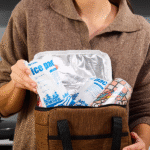
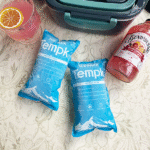
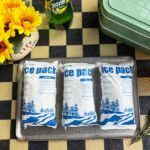
Packaging and PreCooling – Proper packaging (using gel packs, dry ice, or phasechange materials) and precooling techniques remove field heat from products before storage or transport. Precooling facilities alone were valued at USD 204.4 billion in 2024.
RealTime Monitoring – IoT sensors record temperature, humidity, and GPS data. Cloud platforms provide alerts if deviations occur. This endtoend visibility reduces product loss and improves compliance. Studies show that hardware for monitoring holds a 76.4 % share of cold chain market investments.
Regulatory Compliance and Documentation – Cold chain logistics companies ensure adherence to food safety and pharmaceutical standards (like GMP, FDA 21 CFR Part 11, and WHO guidelines). They maintain detailed records, handle customs paperwork, and support audits.
| Service Type | Description | RealWorld Benefit |
| Cold Warehousing | Storage facilities using insulated structures, renewableenergy refrigeration, and automated systems | Extends shelf life, reduces waste, and ensures consistent temperature control |
| Refrigerated Transportation | Refrigerated trucks, containers, and air freight with route optimization and backup systems | Minimizes temperature swings, ensures timely delivery, supports global trade |
| PreCooling & Packaging | Rapid cooling, gel packs, phasechange materials, and insulated boxes | Removes heat quickly, reduces microbiological growth, maintains quality |
| RealTime Monitoring | IoT sensors, GPS tracking, and cloud platforms providing continuous temperature and location data | Enables proactive intervention, ensures compliance, enhances customer trust |
| Regulatory Compliance | Documentation, customs clearance, and adherence to food and pharmaceutical regulations | Reduces legal risk, assures product integrity, supports market access |
Practical tips and advice
Choose a partner with a strong network: For international shipments, you need a provider with facilities near major ports and production areas. GCCA members operate facilities worldwide, with North American Top 25 companies holding 5 billion cubic feet (141.5 million m³) of capacity.
Ask about monitoring technology: Ensure your logistics partner uses IoT devices and realtime dashboards to track temperature, humidity, and location. This visibility reduces spoilage and improves accountability.
Evaluate sustainability practices: In 2025, energyefficient refrigeration, solarpowered warehouses, and lowGlobal Warming Potential (GWP) refrigerants are becoming standard. Ask about renewable energy use and ecofriendly packaging.
Check regulatory expertise: Choose companies familiar with food safety and pharmaceutical regulations. They should provide documentation support and maintain traceability for audits.
Prioritize customer service: A responsive partner helps you plan shipments, manage exceptions, and adapt to changing regulations. Clear communication reduces delays and stress.
RealWorld Case: CJ Logistics America is building a 291 000squarefoot cold storage warehouse in Kansas. The facility will open in late 2025 and features Alta EXPERT refrigeration systems and an aboveground conveyor connecting directly to Upfield’s production plant. Its location near Kansas City enables access to 85 % of the U.S. population within two days, reducing logistics costs and emissions. With 100 000 square feet reserved for other customers, the facility demonstrates how modern cold chain logistics companies expand capacity while minimizing environmental impact.
How do you evaluate a cold chain logistics company?
Direct answer: To choose the right cold chain logistics company, you should assess the provider’s network coverage, technology infrastructure, compliance record, sustainability initiatives, customer support, and cost transparency. A reliable company offers comprehensive services, uses modern monitoring tools, and holds certifications like ISO 22000 or GDP to ensure food and pharmaceutical safety.
Expanded explanation: Evaluating potential partners is like interviewing a babysitter—you need trust, expertise, and a good track record. Start by checking the company’s geographic reach; an extensive network of warehouses and transport assets ensures efficient coverage. Look for evidence of investment in modern technology; IoT sensors, AIdriven route optimization, and predictive maintenance are key indicators. For example, the Trackonomy report notes that automation and robotics improve throughput and reduce errors, while AI and predictive analytics optimize routes and forecast maintenance. Review regulatory compliance records and ask about audits. Sustainability is another differentiator: 2025 trends show increasing adoption of renewable energy and lowGWP refrigerants. Finally, evaluate customer service responsiveness, pricing transparency, and reviews from similar clients.
What certifications and standards should your logistics partner follow?
Regulatory compliance is nonnegotiable when transporting food and pharmaceuticals. Look for adherence to these standards:
Good Distribution Practices (GDP): Ensures proper storage and distribution of medicinal products for human use.
ISO 22000 and HACCP: Focus on food safety management systems and hazard control.
ISO 13485: Specific for medical device quality management.
FDA 21 CFR Part 11 & EU Annex 11: Governs electronic records and signatures, crucial for digital monitoring.
WHO Guidelines: Provide standards for vaccine handling and distribution.
Additionally, membership in organizations like the Global Cold Chain Alliance (GCCA) signals commitment to industry best practices. GCCA membership includes over 1,500 temperaturecontrolled facilities in more than 92 countries, offering a benchmark for quality.
| Evaluation Factor | Considerations | Impact on Your Supply Chain |
| Network Coverage | Number of warehouses, geographic reach, connectivity to ports and production sites | Enables efficient routing, reduces transit times and costs |
| Technology Infrastructure | IoT sensors, AI route optimization, blockchain for traceability | Enhances visibility, reduces spoilage, improves planning |
| Regulatory Compliance | GDP, ISO 22000, HACCP, FDA or EU guidelines | Ensures product safety, simplifies audits, prevents legal issues |
| Sustainability Practices | Renewable energy, lowGWP refrigerants, energyefficient equipment | Lowers carbon footprint, appeals to ecoconscious consumers |
| Customer Support | Responsiveness, customized solutions, transparent pricing | Builds trust, allows flexibility, reduces disruptions |
Practical tips and advice
Inspect certifications: Request copies of certificates and audit reports. Verify that they cover all facilities used for your shipments.
Review technology stack: Ask for demonstrations of realtime dashboards and predictive analytics. Confirm integration with your systems.
Evaluate sustainability: Look for commitments to solar power, electric refrigerated trucks, and recyclable packaging.
Ask for references: Speak to current clients in your industry. Their feedback can reveal hidden strengths or weaknesses.
Trial shipments: Consider running a pilot shipment to test service quality before signing a longterm contract.
Actual Case: Global top companies like Americold and Lineage Logistics emphasize innovation and sustainability. Americold operates in multiple regions and uses warehouse automation and energyefficient technology to reduce environmental impact. Lineage Logistics leverages artificial intelligence, automation, and IoT to improve efficiency and reduce energy consumption, serving more than 20 countries. Their practices highlight the importance of advanced technology and strategic location when evaluating cold chain partners.
How technology and sustainability shape cold chain logistics companies in 2025
Direct answer: In 2025, cold chain logistics companies are leveraging IoT, AI, automation, and renewable energy to improve efficiency, reduce waste, and meet regulatory requirements. Technologies like realtime tracking, predictive analytics, and blockchain provide transparency, while solarpowered refrigeration and lowGWP refrigerants support sustainability goals. Companies that adopt these innovations reduce spoilage, lower costs, and enhance customer trust.
Expanded explanation: Advances in technology are revolutionizing cold chain logistics. IoT sensors record temperature, humidity, and location in real time, enabling proactive interventions. AI algorithms analyze these data streams to optimize routes, forecast demand, and predict equipment failures. For instance, predictive analytics can suggest alternative routes when traffic or weather threatens to delay shipments. Blockchain technology is emerging as a tool for endtoend traceability, providing secure records of each handoff and environmental condition. Automation and robotics improve warehouse efficiency, reduce labour shortages, and allow continuous operations. These technologies collectively boost reliability and transparency across the supply chain.
Sustainability is equally important. Regulatory pressure and consumer demand push companies to reduce their carbon footprint. This shift includes using lowGWP refrigerants, implementing energyefficient HVAC systems, and exploring renewable energy sources like solar or geothermal. Companies also invest in reusable or recyclable packaging to minimize waste. In addition, the rise of plantbased foods and alternative proteins, which require specific temperature ranges and contamination control, is influencing facility design and supply chain processes.
Emerging trends and innovations
Automation and Robotics: Robots handle palletizing, picking, and sorting in cold warehouses, reducing labour costs and improving accuracy.
Sustainability Initiatives: LowGWP refrigerants, solarpowered warehouses, and electric refrigerated trucks are becoming mainstream. Companies like CJ Logistics invest in modern facilities that reduce emissions.
RealTime Monitoring and IoT: Advanced sensors provide continuous tracking of temperature and humidity, supporting compliance and minimizing spoilage.
AI and Predictive Analytics: Algorithms optimize routes, predict maintenance needs, and forecast demand, improving efficiency and reducing fuel use.
Blockchain Traceability: Immutable records enhance trust and reduce fraud by documenting each step in the supply chain.
Helpful decision tools
Check the details before you choose packaging
These quick tools can help you compare route risk, sizing needs, coolant choices, and packaging details before you request a quote.
Packaging Selector
Compare insulated packaging options by product, route, and temperature need.
Find packagingDry Ice Calculator
Estimate dry ice needs for frozen or ultra-cold shipments before packing.
Estimate dry iceInsulation Material Reference
Compare insulation material choices for different cold chain packaging needs.
Compare materialsPharmaceutical Cold Chain Expansion: The global pharmaceutical cold chain market is expected to reach US $1,454 billion by 2029. Ultralow temperature requirements for biologics and gene therapies drive investment in advanced freezers and monitoring.
LastMile Delivery: The growth of ecommerce and online grocery ordering necessitates efficient lastmile logistics and microfulfillment centers. North America’s food cold chain logistics market is expected to reach $86.67 billion by 2025, highlighting the importance of lastmile solutions.
Strategic Partnerships: Companies partner with technology providers, carriers, and customers to integrate data and streamline operations. According to Trackonomy, 74 % of logistics data is expected to be standardized by 2025, enabling smoother collaboration.
Industry challenges and opportunities
Geopolitical disruptions: Political unrest and tariff changes can cause delays, capacity shortages, or rerouted shipments. The Maersk report notes that disruptions influenced cold chain capacity in Europe and that markets remain resilient.
Aging infrastructure: Many facilities are 40–50 years old and require upgrades. Regulations are phasing out harmful refrigerants like HFCs, forcing companies to invest in modern equipment.
Regulatory complexity: Varying international standards require careful documentation and compliance strategies.
Talent shortages: Labour shortages in logistics drive adoption of automation and robotics.
Innovation costs: Implementing AI, IoT, and blockchain can be expensive, but the longterm benefits often outweigh the upfront investment.
Practical tips and advice
Plan for resilience: Diversify transportation modes and create contingency plans to handle geopolitical or climate disruptions.
Invest in technology: Even small companies can start with lowcost sensors to monitor temperature and humidity. Over time, integrate AI and blockchain to scale up.
Collaborate with partners: Share data and align processes with suppliers, carriers, and customers to reduce inefficiencies.
Prioritize sustainability: Adopt renewable energy sources and invest in retrofitting existing facilities. Seek incentives or grants available for green upgrades.
Stay informed on regulations: Monitor updates from agencies like the FDA, WHO, and local authorities to avoid penalties and delays.
What do the latest market insights tell us?
Direct answer: The cold chain logistics industry is experiencing rapid growth due to soaring demand for perishable products and pharmaceuticals. Market analyses indicate valuations ranging from USD 293.58 billion in 2023 to projections of USD 1.53 trillion by 2035. North America currently holds the largest share, while Asia–Pacific is the fastestgrowing region. Top companies like Americold, Lineage Logistics, DHL, UPS, and FedEx dominate the market with global networks and advanced technologies.
Expanded explanation: Different research firms provide slightly different figures, but they all agree on strong doubledigit growth rates. Precedence Research estimates that the global cold chain logistics market was USD 436.30 billion in 2025 and will reach USD 1,359.78 billion by 2034. Fortune Business Insights places the market at USD 324.85 billion in 2024, projecting USD 862.33 billion by 2032. IMARC Group values the market at USD 292.06 billion in 2024 and expects it to reach USD 932.70 billion by 2033. Despite variations, these forecasts share a common theme: consistent growth driven by rising demand for fresh foods, pharmaceuticals, and biologics; expansion of ecommerce; and adoption of technology.
Regional differences are noteworthy. North America commands a large share due to strong pharmaceutical production and strict food safety regulations. Asia–Pacific is the fastestgrowing region, fueled by urbanization, changing diets, and investments in cold storage infrastructure. In the food and beverage sector, the cold chain logistics market is expected to rise from USD 90.81 billion in 2025 to USD 219.44 billion by 2034, reflecting the popularity of frozen and fresh foods. Meanwhile, the cold chain equipment market (refrigerated units, containers) is expanding as companies modernize infrastructure to meet stricter environmental standards.
The Global Cold Chain Alliance’s Top 25 list highlights industry consolidation. In 2025, GCCA members added more than 640 million cubic feet of capacity, bringing their collective total to 8.16 billion cubic feet. The increase resulted from mergers and acquisitions as companies seek economies of scale. While this growth outpaced the general industry, it signals optimism about future demand.
Market and company insights
| Metric | Value | Implications |
| Global market size (2025) | USD 436.30 billion | Indicates strong baseline for growth |
| Projected market size (2034–2035) | USD 1.36–1.54 trillion | Reflects doubledigit CAGR (12–13%) driven by demand and technology |
| North American share | Highest demand due to robust pharmaceutical production, strict regulations, and developed infrastructure | Suggests reliability and advanced services |
| Asia–Pacific growth | Fastestgrowing region with increasing investments in cold storage and refrigerated transport | Highlights expansion opportunities and competitive dynamics |
| Top companies | Americold, Lineage Logistics, DHL, UPS, FedEx, Kuehne + Nagel, etc. | Offer global networks, AIdriven operations, and sustainability initiatives |
Practical tips and advice
Benchmark market data: Use the market statistics above to justify investments or negotiate contracts.
Watch regional dynamics: If your products target Asia–Pacific, select a partner with a strong presence in China, India, and Southeast Asia.
Monitor top players: Leading companies often set trends in technology and sustainability. Consider their strategies when evaluating potential partners.
Plan for consolidation: The industry is consolidating through mergers and acquisitions. A partner’s stability and growth plans may influence longterm relationships.
RealWorld Case: According to the Global Cold Chain Alliance, capacity among the largest cold chain operators increased by over 10 % in 2025 due to expansion projects and mergers. This suggests a competitive environment where leading companies invest heavily in new facilities, automation, and greener refrigeration technologies.
2025 developments and trends for cold chain logistics companies
The cold chain sector is evolving rapidly. Here are some key developments as of 2025:
Latest progress overview
Investment in new facilities: Companies continue to build stateoftheart warehouses. CJ Logistics’ 291 000sqft cold storage facility in Kansas, opening in late 2025, showcases features like Alta EXPERT refrigeration and a direct conveyor connection to manufacturing.
Modernization of aging infrastructure: Many cold storage facilities were built decades ago; upgrades are necessary due to new regulations on refrigerants. Modern facilities integrate automation, AI, and sustainability features.
Plantbased foods and alternative proteins: Demand for plantbased protein is rising; by 2030 this market could reach $162 billion. These products have unique cold chain requirements, pushing companies to adjust their equipment and processes.
Increased visibility and software investment: Companies are investing in software that improves endtoend supply chain visibility. Realtime analytics provide insights on temperature, location, and potential disruptions.
Latest progress at a glance
Automation and robotics: Robotics handle repetitive tasks in warehouses, improving efficiency and addressing labour shortages.
Sustainability: Renewable energy (solar, wind), reusable packaging, and lowGWP refrigerants are increasingly common.
AI and predictive analytics: AI tools optimize routes, predict maintenance, and improve demand forecasting.
Blockchain: Startups and major players use blockchain for traceability, reducing fraud and improving consumer trust.
Pharmaceutical growth: The pharmaceutical cold chain is booming; the sector could reach US $1.454 trillion by 2029, driving investments in ultracold storage and specialized packaging.
Lastmile delivery innovations: Growth in ecommerce and online grocery orders necessitates microfulfillment centers and new delivery models.
Market insights: Research from Precedence Research estimates that dairy and frozen desserts account for 36.10 % of the cold chain logistics market share, while dry ice packaging holds 55.16 % of the packaging segment. Meanwhile, warehouse segments dominate the equipment market, with the transportation segment expected to grow at 13 % annually. These figures underscore the diverse applications of cold chain logistics and the need for flexible solutions across different products and services.
Frequently Asked Questions
Question 1: What exactly does a cold chain logistics company do?
A cold chain logistics company manages storage, transport, and monitoring of temperaturesensitive goods, such as fresh foods and vaccines, using refrigerated warehouses, trucks, and sensors. They ensure products remain within specified temperature ranges to maintain quality and comply with regulations.
Question 2: How do cold chain logistics companies maintain temperature control during transportation?
They use insulated containers, refrigerated trucks, and sometimes dry ice or phasechange materials. IoT sensors monitor temperature and humidity; if a deviation occurs, the logistics team takes corrective action. Route optimization and predictive analytics minimize travel time and exposure to adverse conditions.
Question 3: Why is sustainability important in cold chain logistics?
Sustainability reduces operating costs, meets environmental regulations, and appeals to consumers. Companies adopt lowGWP refrigerants, renewable energy, and recyclable packaging to lower emissions.
Question 4: What should I look for when selecting a cold chain logistics partner?
Check network coverage, technology (IoT, AI), regulatory compliance, sustainability practices, and customer service. Ensure they have certifications (GDP, ISO 22000) and can provide realtime monitoring.
Question 5: How is the cold chain logistics market expected to grow?
Market forecasts indicate strong doubledigit growth. Precedence Research projects the global market to expand from USD 436.30 billion in 2025 to USD 1,359.78 billion by 2034, while Spherical Insights expects USD 1.535 trillion by 2035. This growth is driven by rising demand for perishable foods, pharmaceuticals, and advanced technology.
Summary and recommendations
Key takeaways: Cold chain logistics companies play a crucial role in ensuring food, pharmaceutical, and biological products arrive safely. The industry is growing rapidly, with market size projections exceeding USD 1 trillion by the mid2030s. Key services include temperaturecontrolled warehousing, refrigerated transportation, packaging, realtime monitoring, and regulatory compliance. Technologies like IoT, AI, robotics, and blockchain increase visibility and efficiency, while sustainability initiatives reduce environmental impact. When choosing a partner, evaluate network coverage, technology infrastructure, certifications, sustainability practices, and customer service. Pay attention to regional dynamics and emerging trends such as automation and plantbased foods. Realworld examples, like CJ Logistics’ new facility, show how modern facilities combine innovation and sustainability.
Actionable advice: If you handle perishable products, start by auditing your current supply chain to identify temperature risks. Research potential cold chain logistics companies and shortlist those with networks in your key regions. Request proposals and verify certifications. Ask about technology platforms and data integration. Conduct a pilot shipment to test reliability. Finally, work with a partner committed to sustainability and continuous improvement.
About Tempk
Tempk is a global cold chain logistics company specializing in temperaturecontrolled storage, transportation, and endtoend monitoring. We operate a network of stateoftheart refrigerated warehouses and a fleet of modern reefer trucks, ensuring that food, pharmaceutical, and biotechnological products remain within strict temperature ranges. Our investment in IoT sensors, AIpowered route optimization, and renewable energy allows us to offer reliable, sustainable logistics solutions. We maintain certifications such as GDP and ISO 22000 and actively collaborate with industry associations to stay ahead of regulatory changes.
Next Steps: Ready to enhance your supply chain? Contact Tempk today for a personalized consultation. Our experts will evaluate your requirements, recommend tailored solutions, and help you implement a robust cold chain strategy.