How Does Pharmaceutical Cold Chain Storage Safeguard Drug Potency?
Pharmaceutical cold chain storage keeps drugs in precise temperature ranges to preserve their efficacy and safety. In 2024 the global pharmaceutical cold chain market was worth about US$6.4 billion and is expected to exceed US$6.6 billion in 2025l. More than 85 % of biologics require temperaturecontrolled handlingl, and poor storage practices cause up to 50 % of vaccines to be wasted each year. By understanding temperature categories, monitoring technologies, packaging solutions and regulatory requirements, you can protect product potency, reduce waste and comply with 2025 standards.
Why pharmaceutical cold chain storage matters and what temperatures are required – explore categories like refrigerated (2–8 °C), frozen (–20 °C) and cryogenic (–80 °C to –150 °C).
How temperature ranges affect different therapies – learn why biologics, vaccines, peptides and cell and genetherapy products require specific cold chain conditionsl.
Which technologies improve monitoring and visibility – compare data loggers, IoT sensors, RFID, GPS and smart reefers and discover how they work.
How packaging solutions protect temperaturesensitive products – examine phasechange materials, vacuum insulation and smart containers.
What regulations and compliance strategies apply – understand GDP, GMP, USP and ICH guidelines.
How to mitigate risks and handle temperature excursions – apply realtime alerts and contingency planning to prevent degradation and losses.
Which trends and innovations will shape 2025 – explore blockchain, AI, IoT, sustainability and portable cryogenic freezers.
What Is Pharmaceutical Cold Chain Storage and Why Is It Essential?
Direct answer – keeping medicines safe and effective. Pharmaceutical cold chain storage refers to a temperaturecontrolled system spanning storage, handling, packaging, transport and monitoringl. It ensures that temperaturesensitive medicines stay within defined ranges—from controlled room temperature (20–25 °C) to refrigerated (2–8 °C) and cryogenic storage below –60 °C to –150 °Cl. Without these conditions, biologics, vaccines and peptides degrade, becoming ineffective or even hazardous.
Expanded explanation – seeing the whole chain. Think of the cold chain as a relay race: raw materials, intermediates and finished products are passed from one temperaturecontrolled “runner” to the next, and any misstep breaks the chain. For contract development and manufacturing organisations (CDMOs), this means integrated infrastructure, specialized equipment like cryogenic freezers, realtime monitoring systems and validated processesl. CDMOs coordinate with logistics partners to keep products cold from manufacturing through distribution, ensuring chainofcustody documentation and regulatory compliancel. For you, understanding these elements translates into fewer excursions, safer products and better patient outcomes.
Temperature categories: understanding storage ranges
Different drugs require distinct temperature ranges. Regulatory guidelines like USP 659 define temperature terms precisely: freezer (–25 °C to –10 °C), refrigerator (2 °C to 8 °C), cold (≤8 °C), cool (8 °C to 15 °C), room or ambient (typical working environment) and controlled room temperature (20 °C to 25 °C). The ICH Q1A stability guideline specifies refrigerator storage at 5 ± 3 °C and freezer storage at –20 ± 5 °C. Understanding these categories helps you plan storage and transport.
| Temperature category | Range | Examples | What it means for you |
| Freezer | –25 °C to –10 °C | Many biologics, certain vaccines, frozen intermediates | Requires ultralow freezers, backup power and continuous monitoring |
| Refrigerator | 2 °C to 8 °C | Standard vaccines, insulin, peptides | Use monitored refrigerators with buffered probes and avoid freezing |
| Cold | ≤ 8 °C | Temperaturecontrolled storage and transport | Maintain within 2–8 °C; deviations can spoil vaccines |
| Cool | 8 °C to 15 °C | Some diagnostic reagents | Manage moderate cooling without freezing |
| Controlled room temp | 20 °C to 25 °C | Tablets, capsules, some biologics | Prevent heat spikes and humidity; monitor environmental conditions |
Practical tips and guidance
Document temperature requirements early. Record temperature ranges for all ingredients, intermediates and finished products to prevent later confusion.
Train your team. Everyone handling cold chain products should understand storage requirements; poor training is a major cause of failures.
Map your cold chain. Analyse every transfer point—from manufacturing to lastmile delivery—to identify potential hotspots where temperature excursions can occur.
Real case: During the COVID19 rollout, mRNA vaccines required ultracold storage between −90 °C and −60 °C. Companies that invested early in ultralow freezers and validated shipping containers avoided spoilage and met demand.
How Do Temperature Ranges Affect Pharmaceutical Stability?
Direct answer – temperature dictates potency. Exposing drugs to temperatures outside their specified range degrades active ingredients, shortens shelf life and can make products unsafe. Standard vaccines must remain between 2 °C and 8 °C, while mRNA vaccines need –60 °C to –90 °C. Up to 50 % of vaccines are wasted each year due to temperature excursions, causing billions of dollars in losses and endangering public health.
Expanded explanation – matching therapies with conditions. The cold chain serves an expanding array of therapies. Biologics—monoclonal antibodies, recombinant proteins and biosimilars—make up more than half of the latestage pipeline; about 85 % require cold chain managementl. Vaccines are extremely temperaturesensitive; mRNA vaccines need ultracold storage (−60 °C to −80 °C)l, while many traditional vaccines must be kept at 2 °C to 8 °C. Cell and gene therapies require cryogenic storage at –150 °C or lowerl, and their short halflife makes seamless cold chain logistics essential. Peptides and proteins, such as GLP1 agonists for diabetes and obesity, must stay refrigeratedl. Specialty products like insulin, blood coagulation factors and certain antibiotics also depend on cold storagel.
Common temperaturesensitive therapies
| Therapy type | Temperature range | Risks if not maintained | Why it matters |
| Biologics (monoclonal antibodies, recombinant proteins) | Refrigerated 2–8 °C to cryogenic –60 °Cl | Loss of potency and structural integrity; immunogenicity | Over 85 % of biologics require cold chain managementl |
| Vaccines | Standard vaccines: 2–8 °C; mRNA: –60 °C to –80 °Cl | Inactive vaccines, reduced immunity; up to 50 % wasted | Protects public health and prevents disease outbreaks |
| Cell & gene therapies | Cryogenic –80 °C to –150 °Cl | Cell death, loss of transduction efficiency | Market growth projected to exceed US$81 billion by 2029 |
| Peptides & GLP1 agonists | Refrigerated 2–8 °Cl | Denaturation, reduced therapeutic effect | Rising demand for weightloss drugs increases cold chain needs |
| Specialty pharmaceuticals (insulin, immunoglobulins, ophthalmic drugs) | Typically 2–8 °Cl | Product degradation leads to ineffective therapy | Patients rely on consistent quality and supply |
Useful guidance for you
Monitor every shipment. Even short exposure outside 2–8 °C can invalidate an entire vaccine batch.
Plan for extreme conditions. Use cryogenic storage for cell therapies and mRNA vaccines; maintain –150 °C using liquid nitrogen vapour phasel.
Train on productspecific protocols. Each therapy has unique stability requirements; always consult manufacturer and regulatory guidelines.
Practical example: GLP1 agonists (semaglutide and liraglutide) have created explosive demand; they require refrigerated storage and have spurred significant capacity expansion among CDMOsl.
Which Technologies Improve Cold Chain Monitoring and Visibility?
Direct answer – IoT, data loggers and analytics. Modern pharmaceutical cold chain storage uses data loggers, IoT sensors, RFID tags, GPS trackers, BLE sensors and smart reefers to provide realtime temperature and location data. These technologies enhance compliance, speed release processes and reduce waste by enabling immediate corrective actions.
Expanded explanation – building a digital nervous system. Traditional monitoring relied on manual checks or retrieving data loggers after delivery, which could not prevent excursions. Today, data loggers record temperature and humidity over time, providing historical evidence but lacking realtime alerts. IoT sensors transmit temperature and humidity data continuously via WiFi or cellular networks, offering predictive maintenance and instant notifications. RFID temperature tags integrate into pallets and packaging, streamlining inventory management. GPS trackers combine location and temperature data, enabling route optimisation and realtime interventions. BLE sensors deliver shortrange monitoring for warehouses and vehicles with minimal power consumption. Smart reefers—refrigerated containers with remote monitoring and selfregulating systems—provide reliable longdistance transport. All these devices feed data into cloud platforms that aggregate information, generate compliance reports and drive predictive analytics.
Comparing monitoring solutions
| Monitoring solution | Key features | Benefits to you |
| Data loggers | Record temperature/humidity; manual retrieval | Affordable, reliable compliance documentation |
| IoT sensors | Continuous wireless monitoring and alerts | Immediate intervention and predictive maintenance |
| RFID tags | Automated contactless temperature reading | Streamlined inventory and reduced manual handling |
| GPS trackers | Combine location and temperature data | Route optimisation and realtime visibility during transit |
| BLE sensors | Shortrange, lowpower monitoring | Integrate with mobile devices; ideal for warehouses |
| Smart reefers | Selfregulating containers with remote monitoring | Stable longdistance transport; higher energy cost |
Practical tips and suggestions
Adopt a layered approach. Combine affordable data loggers for compliance with IoT sensors for realtime alerts.
Invest in cloud platforms. Centralized dashboards simplify monitoring across sites and support predictive analytics.
Use GPS tracking for highvalue shipments. Realtime location and temperature data help you react quickly when deviations occur.
Actual case: Maersk’s remote container management system collects temperature data during ocean transport and allows shippers to start quality release procedures before cargo arrives. This reduces timetomarket and prevents stock shortages.
H3 – Smart technologies and blockchain
Emerging innovations are reshaping monitoring. Blockchain creates tamperproof records of temperature conditions throughout the supply chain, synchronizing customs data and simplifying audits. Artificial intelligence (AI) transforms raw sensor data into predictive insights, forecasting demand spikes, optimising routes and preventing stockouts. IoTenabled smart sensors send realtime alerts; when unsafe temperatures are detected, notifications via email or SMS allow immediate action. These technologies, combined with solarpowered storage units, provide sustainable solutions for remote areas.
| Technology | Description | Value to your operation |
| Blockchain | Distributed ledger that records shipment events and temperature logs | Prevents tampering, increases transparency and facilitates regulatory compliance |
| AI route optimisation | Algorithms analyse traffic and weather data to plan optimal routes | Reduces transit time, fuel consumption and risk of temperature excursions |
| IoT smart sensors | Sensors transmit realtime temperature, humidity and GPS data | Provides continuous monitoring and alerts to protect shipments |
| Solarpowered storage | Solar panels provide energy for refrigeration in areas with unreliable grids | Reduces energy costs and enables cold storage in remote regions |
| Portable cryogenic freezers | Mobile freezers capable of maintaining –80 °C to –150 °C | Enable field transport of cell therapies and biologics, with realtime tracking |
How Do Advanced Packaging Solutions Protect TemperatureSensitive Drugs?
Direct answer – using phasechange materials and smart insulation. Packaging is more than a container; it is a thermal device designed to maintain narrow temperature ranges. Phasechange materials (PCMs) absorb and release heat during melting or freezing, keeping contents stable without active refrigeration. Advanced insulated shippers, vacuum insulation panels (VIPs) and active containers protect pharmaceuticals for hours or days. PCMs offer precise temperature control, longer cooling duration and reusability.
Expanded explanation – from gel packs to smart packaging. Traditional gel packs have been the workhorses of cold chain packaging, but they can fail to maintain narrow ranges over long journeys. PCMs, available as rigid bottles, flexible blankets, soft pouches, microencapsulated beads and foam matrices, store thermal energy and release it gradually. Vacuum insulation panels provide high insulation with minimal thickness, ideal for highvalue shipments. Active containers use builtin refrigeration units, heaters and batteries to maintain conditions, often used for cell and gene therapies. Smart packaging integrates RFID or BLE sensors to continuously track temperature and location. Sustainable packaging solutions, such as biodegradable thermal wraps, recyclable insulation and reusable cold packs, reduce environmental impact.
Types of phasechange materials and their uses
| PCM type | Description | Best use case | Specific benefits |
| Hard bottle PCMs | Rigid containers filled with paraffin, fatty acids or salt hydrates | Longdistance shipments requiring secure handling | Provide longer cooling duration and safe handling |
| Blanket PCMs | Flexible sheets impregnated with PCMs | Oddshaped packages and pallets | Conform to irregular items and offer consistent cooling |
| Soft pouch PCMs | Flexible pouches containing paraffin or glycols | Small shipments or packaging around vials | Compact and adaptable |
| Microencapsulated PCMs | Tiny PCM droplets enclosed in polymer shells | Integrate into insulation materials or coatings | Offer even temperature distribution |
| Foam PCMs | Foam impregnated with PCMs | Provide insulation and structural support | Dual function reduces packaging weight |
Advantages of PCMs over traditional gel packs
Precise temperature control: PCMs maintain narrow temperature ranges and minimize excursions.
Longer cooling duration: PCMs remain effective over extended shipping times.
Reusability and sustainability: Many PCMs are nontoxic and reusable, reducing waste and cost.
Other packaging innovations and recommendations
Vacuum insulation panels (VIPs): Provide superior insulation with minimal thickness.
Active containers: Integrate refrigeration and heating units, making them suitable for ultracold shipments.
Smart sensors integrated into packaging: Embed RFID or BLE tags directly into shippers for continuous monitoring.
Helpful decision tools
Check the details before you choose packaging
These quick tools can help you compare route risk, sizing needs, coolant choices, and packaging details before you request a quote.
Dry Ice Calculator
Estimate dry ice needs for frozen or ultra-cold shipments before packing.
Estimate dry iceInsulation Material Reference
Compare insulation material choices for different cold chain packaging needs.
Compare materialsIce Pack Calculator
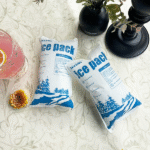
Estimate gel ice pack quantity for chilled shipments and practical route planning.
Estimate ice packsSustainable packaging: Use recyclable insulation and reusable PCMs to reduce environmental footprint.
Actual case: TempAid’s SteadyPac PCMs maintain precise temperatures and can be reused, offering longer cooling duration and ecofriendliness compared with traditional gel packs.
What Are the Regulatory Requirements and Compliance Strategies for Cold Chain Storage?
Direct answer – follow GDP, GMP and international standards. Regulatory authorities require pharmaceutical companies to validate processes, monitor temperatures continuously, document handling and qualify equipment across the cold chain. Good Distribution Practice (GDP), Good Manufacturing Practice (GMP), and national standards (e.g., FDA, EMA) demand accurate temperature maintenance, realtime monitoring, secure storage and detailed recordkeeping. Failure to comply can result in recalls, fines and reputational damage.
Expanded explanation – understanding guidelines. The USP Chapter 659 defines temperature categories like freezer (–25 °C to –10 °C) and refrigerator (2 °C to 8 °C), offering clear packaging and storage requirements. USP 1079 outlines best practices for storage and transportation, emphasising continuous monitoring, calibration, backup systems, equipment qualification, training and documentation. The ICH Q1A(R2) guideline prescribes 5 ± 3 °C for refrigerators and –20 ± 5 °C for freezers. The EU GMP Annex 11 and EU Clinical Trials Regulation require validation and data integrity for electronic systems. NIST and UKAS calibration standards ensure accuracy of monitoring devices.
Regulatory frameworks and key requirements
| Framework | Key requirements | What you must do |
| GDP/GMP | Continuous monitoring, qualified equipment, traceability and trained personnel | Implement validated systems, record temperatures, train staff |
| USP 659 & USP 1079 | Define freezer (–25 °C to –10 °C), refrigerator (2 °C to 8 °C) and good storage/shipping practices | Maintain defined ranges, use calibrated devices, document deviations |
| ICH Q1A(R2) | Refrigerator 5 ± 3 °C; freezer –20 ± 5 °C | Follow defined stability testing conditions for clinical materials |
| EU GMP Annex 11 & GDP | Data integrity and validation of electronic systems | Validate software, maintain audit trails and secure access |
| NIST/UKAS calibration | Calibration of monitoring devices to recognised standards | Regularly calibrate sensors and loggers to ensure accuracy |
Compliance checklist and practical guidance
Maintain accurate temperatures: Keep products within specified ranges (2–8 °C for most vaccines, –20 °C for freezing, –70 °C or lower for ultracold).
Use continuous monitoring: Deploy automated data loggers and realtime systems to track temperatures 24/7.
Validate infrastructure: Use certified refrigerators, freezers, transport containers and monitoring devices.
Secure storage environments: Control access and use segregated storage areas.
Prepare contingency plans: Develop protocols for power outages, equipment failures and temperature excursions.
Train staff: Ensure everyone handling cold chain products understands protocols and emergency response.
Document everything: Maintain logs of temperature data, calibrations and corrective actions.
Case study: Digital data loggers with buffered probes are now the standard for vaccine storage in the U.S., ensuring accurate measurement of minimum and maximum temperatures. These devices maintain compliance with CDC guidelines and help prevent excursions.
How to Mitigate Risks and Manage Temperature Excursions?
Direct answer – proactive monitoring, rapid response and documentation. Mitigating cold chain risks means detecting deviations early, taking corrective actions immediately, investigating root causes and recording every step. Realtime alerts notify you when temperatures deviate, enabling corrective actions such as adjusting refrigeration, switching to backup units or rerouting shipments. After an excursion, thorough investigation and documentation help prevent recurrence.
Expanded explanation – six principles of effective cold chain management. An effective cold chain is built on these guiding principles: temperature control and stability, continuous monitoring, traceable documentation, proactive risk management, staff competency and validated equipment and processes. A cold chain breach occurs when a product strays from its designated range due to excess heat, excess cold or prolonged time outside limits. Common causes include open refrigerator doors, equipment failures, long unloading times or power outages. Breaches can lead to product degradation, public health risks, financial losses, regulatory action, reputational damage and supply disruptions.
Risk mitigation techniques and how they help
| Technique | Description | Benefit to you |
| Realtime alerts and notifications | IoT sensors and GPS trackers send immediate alerts when deviations occur | Enables quick intervention to preserve product integrity |
| Automated corrective actions | Systems adjust refrigeration, activate backup units or reroute shipments automatically | Minimises human error and reduces response time |
| Contingency planning | Standard operating procedures (SOPs) for repackaging, reicing, transferring to alternate storage and documenting actions | Ensures preparedness for unforeseen events |
| Root cause analysis | Investigate excursions (equipment failure, power outage, human error) and update SOPs | Prevents repeat incidents and improves processes |
| Training and drills | Regularly train staff on emergency response and conduct simulations | Builds confidence and competence in handling excursions |
Realworld example: Maersk integrates remote temperature data from reefers with controltower teams who can intervene immediately, helping customers cut product losses and reduce timetomarket.
2025 Latest Developments and Trends in Pharmaceutical Cold Chain Storage
Trend overview – digital, predictive and sustainable cold chains. By 2025, cold chain logistics is evolving towards realtime visibility via IoT, predictive intelligence via AI, tamperproof traceability via blockchain and green practices. Demand for cold chain solutions is increasing – investment in temperaturecontrolled logistics accounted for nearly 18 % of biopharma logistics spending in 2020, and industry leaders expect steady growth over the next three to five years. The rise of cell and gene therapies requiring ultracold storage (below –80 °C) and the surge in metabolic disorder drugs like GLP1 agonists are driving expansion. Climate change is expanding the range of infectious diseases, increasing demand for temperaturesensitive vaccines. Yet up to 50 % of vaccines are wasted globally each year due to lack of temperature control.
Latest innovations shaping 2025
IoT and realtime precision: IoT systems deliver live updates on temperature and location, allowing proactive intervention and reducing waste.
AI and predictive logistics: AI models forecast demand, optimise routes and automate inventory management, preventing stockouts and reducing fuel use.
Blockchain and traceability: Blockchain creates tamperproof records, synchronises customs data and simplifies audits.
Greener cold chains: Solarpowered cooling, compostable packaging and reusable materials reduce carbon emissions.
Resilience and diversification: Diversifying suppliers, using regional distribution centres and adopting cloudbased platforms increase supply chain resilience.
Blockchain, AI and solar innovations from Southeast Asia: Southeast Asia leads cold chain innovation with blockchainbased tracking, solarpowered storage units, IoTenabled smart sensors, AIpowered route optimisation, portable cryogenic freezers and sustainable packaging. These technologies enhance transparency, lower energy costs and enable cold storage in remote areas.
Market insights
Cold chain spending growth: Temperaturecontrolled logistics represented nearly 18 % of biopharma logistics spending in 2020, and survey data indicate that 70 % of industry leaders expect growth over the next three to five years.
Cell and gene therapy market: The CGT market is expected to exceed US$81 billion by 2029, necessitating robust cryogenic logistics.
Infectious disease diagnostics: The global market for infectious disease diagnostics is projected to reach US$31.5 billion by 2028, growing at 8 % annually, increasing demand for temperaturecontrolled distribution.
Geographical disparities: Regions like Europe, Latin America and Africa are expected to see growth rates of 23 %, 22 % and 21 %, respectively, in infectious disease research and manufacturing, highlighting the need for cold chain infrastructure in underserved areas.
FAQ
Question 1: What temperature range is required for most vaccines?
Most vaccines must be stored between 2 °C and 8 °C. Staying within this narrow range preserves potency and prevents spoilage. Freezing many vaccines can destroy their efficacy, so avoid temperatures below 0 °C.
Question 2: Why are IoT sensors important in pharmaceutical cold chain storage?
IoT sensors transmit realtime temperature and humidity data, allowing immediate alerts when conditions deviate. They enable proactive interventions, reduce waste and support compliance with GDP/GMP requirements.
Question 3: What is a cold chain breach, and why is it serious?
A cold chain breach—also called a temperature excursion—occurs when a product strays outside its required range. Even brief exposure to excess heat or cold can inactivate vaccines or biologics, leading to therapeutic failure and financial loss.
Question 4: How do phasechange materials improve cold chain packaging?
Phasechange materials (PCMs) absorb and release heat during melting and freezing. They maintain precise temperature ranges over long durations, offer reusability and reduce waste, making them superior to traditional gel packs.
Suggestion
Key takeaways: Pharmaceutical cold chain storage is essential for preserving the potency and safety of biologics, vaccines, peptides, cell and gene therapies, and specialty drugsl. Different products require specific temperature ranges—from refrigerated (2–8 °C) to cryogenic (–80 °C to –150 °C). Modern cold chain management relies on IoT sensors, data loggers, RFID, GPS, AI and blockchain for realtime visibility. Packaging solutions like phasechange materials and vacuum insulation ensure thermal stability. Compliance with GDP, GMP, USP and ICH guidelines and continuous monitoring prevents excursions and regulatory violations. Emerging trends in 2025—such as AIpowered logistics, blockchain traceability and sustainable packaging—are transforming cold chain operations.
Action plan: Begin by assessing the temperature requirements of each product you handle and mapping your cold chain. Invest in a combination of data loggers and IoT sensors for comprehensive monitoring. Choose packaging solutions with phasechange materials or active cooling for long shipments. Train your team in handling, monitoring and emergency response. Establish contingency plans for power outages and equipment failures. Stay ahead by adopting technologies like AI for route optimisation, blockchain for traceability and sustainable packaging to meet regulatory and environmental expectations. Contact Tempk for expert advice on selecting the right packaging and monitoring solutions for your pharmaceutical cold chain.
About Tempk
Tempk develops innovative cold chain packaging and monitoring solutions for pharmaceuticals, vaccines and biologics. We specialise in reusable phasechange materials, insulated shippers and smart thermal devices that maintain precise temperatures for hours or days. Our research and development centre continually explores sustainable materials to reduce waste and carbon emissions. With certifications like Sedex and a commitment to quality, Tempk helps you navigate GDP, GMP and regulatory requirements. Whether you need 0–10 °C insulated boxes or ultralow temperature cases, we provide reliable solutions tailored to your needs.
Take the next step: Explore Tempk’s solutions for pharmaceuticals shipments, 0–10 °C insulated boxes, ultracold packaging and reusable ice packs. Consult our experts for personalised recommendations that keep your products safe and compliant.