Cold Chain Handling in Vaccine Manufacturing: Why Is It Essential?
Maintaining vaccines at the correct temperature is crucial to protect their potency and ensure patient safety. Cold chain handling in vaccine manufacturing involves every step—from temperaturecontrolled production and packaging to transport and storage at the point of care. According to the World Health Organization (WHO), most vaccines must be kept between 2 °C and 8 °C, while oral polio vaccine requires –25 °C to –15 °C storage. The U.S. Centers for Disease Control and Prevention (CDC) stresses that exposure to temperatures outside these ranges reduces potency and may necessitate revaccination. With the global vaccine storage and packaging market projected to grow from US $4.78 billion in 2024 to $8.11 billion by 2030, understanding cold chain handling is vital for manufacturers, healthcare providers and logistics partners.

What is the cold chain in vaccine manufacturing and why does it matter?
How do manufacturing facilities ensure vaccines stay within strict temperature ranges?
Which technologies and packaging materials maintain temperature integrity during transit?
How can you monitor and respond to temperature excursions to stay compliant?
What innovations and market trends will shape cold chain logistics by 2025?
What Is the Cold Chain and Why Does Vaccine Manufacturing Depend on It?
Defining the Vaccine Cold Chain
The vaccine cold chain is a temperaturecontrolled supply chain that includes all equipment and procedures related to vaccines. It starts with cold storage at the manufacturing plant, continues through transport and storage at healthcare facilities, and ends when the vaccine is administered. Manufacturers, distributors, public health staff and providers share responsibility to maintain this chain. Breaking the chain can destroy potency: exposure to freezing temperatures (0 °C or colder) can permanently destroy vaccines containing aluminum adjuvants.
Key Components of the Cold Chain
An effective cold chain has three main elements:
Welltrained staff – personnel must understand storage, packaging and emergency procedures.
Reliable equipment – dedicated pharmaceutical refrigerators, freezers (including ultracold units) and digital temperature monitoring devices are essential.
Accurate inventory management – stock rotation, date labels and recordkeeping help prevent wastage.
A stylized diagram visualizes the vaccine cold chain from manufacturing to clinic. Arrows show the journey from the manufacturing plant through refrigerated trucks and data loggers to the final storage unit, highlighting the importance of continuous temperature control.
Consequences of Cold Chain Failure
When the cold chain fails, patients may require revaccination, and providers incur significant costs. The CDC notes that potency is lost each time a vaccine is exposed to an improper condition. Inactivated vaccines may not appear compromised even if exposed to freezing temperatures, making visual inspection unreliable. A comprehensive compliance guide from Lascar Electronics adds that even brief excursions outside the +2 °C to +8 °C window can invalidate an entire batch and lead to regulatory penalties and public health risks.
How Do Manufacturing Facilities Ensure Cold Chain Compliance?
Specialized Storage at the Plant
Manufacturing and initial storage lay the foundation for cold chain integrity. As soon as vaccines are produced, they are transferred into dedicated lowtemperature storage facilities equipped with specialized cooling systems. These facilities often include pharmaceuticalgrade refrigerators, freezers and ultralow freezers capable of maintaining consistent temperatures. For example:
Refrigerators: maintain 2 °C – 8 °C, suitable for most live and inactivated vaccines.
Freezers: maintain –50 °C – –15 °C, used for certain vaccines and diluents.
Ultracold freezers: maintain –90 °C – –60 °C, required for some mRNA vaccines and cell therapies.
These units should be purposebuilt or pharmaceuticalgrade, not household refrigerators, because domestic units have temperature fluctuations and cold spots.
Temperature Monitoring Devices
Every storage unit must have a temperature monitoring device (TMD). The CDC recommends digital data loggers (DDLs) because they record temperatures at preset intervals and provide details about excursions. Key features include:
Buffered probes using glycol or glass beads to reflect vaccine temperatures.
Alarms and lowbattery indicators.
Accuracy of ±0.5 °C and logging intervals of at least 30 minutes.
Valid calibration certificates, with calibration performed every 2–3 years.
Maintaining backup TMDs ensures continuous monitoring if the primary device fails.
Standard Operating Procedures (SOPs) and Staff Training
Facilities need detailed storage and handling SOPs covering routine procedures (ordering, receiving, storing and monitoring vaccines) and emergency protocols (power outages or equipment failures). Staff should be trained during orientation and annually thereafter. A designated vaccine coordinator oversees ordering, inventory management, temperature monitoring and emergency responses.
Which Packaging and Transport Strategies Maintain Temperature Integrity?
Packaging Components for Safe Transport
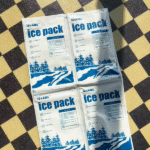
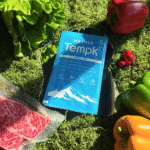
Pharmaceutical cold chain packaging must be more than simple insulation—it is an engineered system that combines insulation, refrigerants and monitoring devices. According to Tempk’s cold chain packaging guide, packaging systems typically include:
| Component | Function | Practical Benefit |
| Insulated container | Outer shell made of EPS, polyurethane or vacuum insulated panels. | Minimizes heat transfer to maintain stable internal temperatures. |
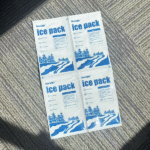
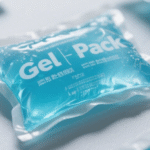
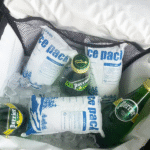
| Refrigerant | Gel packs, dry ice or phasechange materials absorb/release heat. | Maintains desired temperature range during transit. |
| Temperature monitoring | Data loggers or realtime IoT sensors track conditions. | Provides proof of compliance and alerts for excursions. |
| Protective packaging | Bubble wrap, foam and outer cartons. | Absorbs shocks and communicates handling instructions. |
Practical tips: match packaging to your product’s temperature class (standard vaccines at 2–8 °C, biologics at –20 °C or –80 °C), validate performance through modeling or testing, train staff on packing SOPs, and build redundancy with backup refrigerants.
Controlled Temperature Chain and Passive Cooling
The WHO notes that live vaccines are generally stored between +2 °C and +8 °C, while oral polio vaccine (OPV) is stored at –25 °C to –15 °C. Freezedried vaccines bundled with their diluent should never be frozen; they should be stored at +2 °C to +8 °C. In areas lacking continuous power, controlled temperature chain (CTC) approaches allow some heatstable vaccines to be stored at temperatures up to 40 °C for a limited time. Passive cooling devices such as vaccine carriers with phasechange materials and coolant packs maintain temperature during outreach operations and are crucial in lowresource settings.
Transport Logistics and RealTime Monitoring
During transport, vaccines must stay within the prescribed temperature range. Refrigerated trucks, temperaturecontrolled containers and cold boxes are standard. Data loggers and IoT sensors enable realtime tracking of temperature and location. If an excursion occurs, the system triggers alerts for immediate corrective actions. IoT devices with GPS also support route optimization by integrating traffic and weather data.
To minimise delays and temperature fluctuations, plan shipping routes to avoid long dwell times or customs holds. Use validated containers and limit door openings during loading and unloading. For international shipments, consult Good Distribution Practices and countryspecific regulations to ensure compliance.
How to Monitor and Respond to Temperature Excursions
Continuous Monitoring and Data Logging
Maintaining compliance requires 24/7 monitoring. Lascar Electronics’ guide recommends automated data loggers that track temperatures continuously during storage and transport. Realtime monitoring platforms (e.g., cloudbased systems) offer:
Secure digital records with audit trails and electronic signatures.
Helpful decision tools
Check the details before you choose packaging
These quick tools can help you compare route risk, sizing needs, coolant choices, and packaging details before you request a quote.
Insulation Material Reference
Compare insulation material choices for different cold chain packaging needs.
Compare materialsCoolant & PCM Reference
Compare coolant and PCM options when a route needs added temperature support.
Compare optionsBox Liner & Pallet Cover Sizing
Check box liner and pallet cover sizing logic for insulated packaging projects.
Estimate sizingEmail/SMS alerts when temperatures approach limits.
Calibration and probe options for accurate readings that simulate product temperature.
Risk Management and Response
A comprehensive cold chain compliance program includes proactive risk management. Identify potential vulnerabilities such as power outages, equipment failures or long unloading times and implement contingency plans. Standard responses to excursions include:
Assess the temperature excursion – determine duration and temperature range; consult vaccine manufacturers for stability data.
Segregate and quarantine affected vaccines until viability is confirmed.
Contact health authorities for guidance on whether to use or discard the affected doses.
Document the incident in temperature logs and report to regulatory agencies if required.
Training staff to recognise and respond to excursions is critical. Unplanned exposures may necessitate revaccination and can erode public trust.
What Are the Regulatory Requirements for Vaccine Cold Chain Compliance?
Good Manufacturing Practice (GMP) and Good Distribution Practice (GDP)
The U.S. Food and Drug Administration (FDA) requires manufacturers to follow Current Good Manufacturing Practice (CGMP) regulations. These regulations set minimum requirements for manufacturing, processing and packaging and ensure that products are safe, contain the claimed ingredients and meet quality standards. Compliance is assessed during new drug application reviews and routine inspections.
Good Distribution Practices (GDP) govern distribution and emphasise validated systems, temperature control, traceability and trained personnel. Compliance requires calibration to standards like NIST or UKAS to ensure measurement accuracy and adherence to data integrity guidelines such as EU GMP Annex 11.
WHO and CDC Recommendations
The WHO’s Vaccine Management Handbook advises storing most vaccines at +2 °C to +8 °C and freezedried vaccines packed separately at –25 °C to –15 °C. Diluents bundled with vaccines should never be frozen and should be stored at +2 °C to +8 °C. The CDC’s Storage and Handling Toolkit echoes these recommendations and provides detailed guidance on storage units, temperature monitoring, SOPs and emergency plans.
Calibration and Documentation
Regulations require that temperature monitoring devices be calibrated regularly and have traceable certificates. Facilities must keep temperature data for at least 3 years (longer if required by local law). Detailed documentation is necessary for audits, including calibration records, training logs, and incident reports.
What Are the Latest Trends and Innovations Shaping Cold Chain Logistics in 2025?
Trend Overview
The pharmaceutical cold chain is rapidly evolving. Innovations like blockchain, solarpowered storage, IoT sensors, artificial intelligence (AI) for route optimisation and portable cryogenic freezers are transforming logistics. These technologies improve transparency, reduce energy costs, enhance realtime monitoring and extend ultracold storage to remote regions. Such innovations complement traditional cold chain practices and respond to rising demand for mRNA vaccines and biologics.
Latest Developments
Blockchain for endtoend traceability: Blockchain records each transaction in a tamperproof ledger, enabling manufacturers to share realtime temperature logs and ensure data integrity. This helps prevent counterfeit products and meets regulatory requirements.
Solarpowered cold storage: To address unreliable electricity grids, solarpowered units offer sustainable cold storage in rural areas, reducing energy costs and supporting offgrid vaccination programmes.
IoTenabled smart sensors: IoT sensors monitor temperature, humidity and location in real time, sending alerts for any deviation. They support predictive maintenance and reduce operational risks.
AIpowered route optimisation: AI uses realtime traffic and weather data to create efficient routes that shorten transit time and minimise temperature excursions.
Portable cryogenic freezers: Compact freezers maintain –80 °C to –150 °C and enable safe transport of biologics and cell therapy products in remote regions. Realtime temperature tracking and warning notifications ensure product safety during transit.
Sustainable packaging: Recyclable insulated containers, biodegradable wraps and reusable cold packs reduce plastic waste and carbon emissions while maintaining temperature integrity. Sustainable practices align with growing environmental regulations and consumer expectations.
Market Insight
The global vaccine storage and packaging market was valued at US $4.78 billion in 2024 and is projected to reach $8.11 billion by 2030, a compound annual growth rate of 9.1 %. Growth drivers include ultralow temperature logistics for mRNA vaccines, stricter regulatory requirements and expansion of immunisation programmes. Regionally, the United States leads with a 2024 value of $2.27 billion, followed by Europe ($0.94 billion) and AsiaPacific ($1.40 billion). For manufacturers, these figures highlight the shift from commodity storage units to sensorenabled, sustainable systems.
FAQ: Common Questions About Cold Chain Handling
- What temperature range do most vaccines require?
Most vaccines should be kept between +2 °C and +8 °C; oral polio vaccines need –25 °C to –15 °C, and mRNA vaccines may require ultracold conditions below –60 °C. - How often should temperature monitoring devices be calibrated?
Calibration should be performed every 2–3 yearsor according to the manufacturer’s guidance. Calibration certificates must specify model, serial number, calibration date and uncertainty. - What is a cold chain breach?
A cold chain breach occurs when products stray from the designated temperature range during storage or transport. Causes include equipment failure, open refrigerator doors or power outages. Even brief exposure outside +2 °C to +8 °C can invalidate vaccines. - Can freezedried vaccines be stored with their diluents?
Freezedried vaccines packaged with diluent must never be frozenand should be stored at +2 °C to +8 °C. When separately packed, diluents may be stored outside the cold chain until they reach the service level, provided manufacturer instructions are followed. - How do IoT sensors improve cold chain reliability?
IoT sensors provide realtime temperature and location data, alerting operators to deviations and enabling immediate corrective actions. Some sensors also support predictive analytics to anticipate equipment failures.
Summary and Recommendations
Maintaining a temperaturecontrolled cold chain throughout vaccine manufacturing and distribution is essential to preserve potency and protect patients. Key takeaways include:
Strict temperature control: Most vaccines require +2 °C to +8 °C storage; some need ultracold conditions.
Reliable equipment and monitoring: Use pharmaceuticalgrade refrigerators, freezers and DDLs with buffered probes and alarm systems.
Comprehensive SOPs and training: Develop detailed procedures and train staff regularly to manage routine and emergency situations.
Validated packaging and transport: Implement engineered packaging with insulation, refrigerants and data loggers; plan routes to minimise excursions.
Compliance and documentation: Adhere to CGMP, GDP and WHO/CDC guidelines, calibrate devices, and maintain records for audits.
Embrace innovation: Incorporate blockchain, IoT sensors, AI route optimisation and sustainable packaging to enhance efficiency and reduce risk【528438091883426†L68-L177】.
Recommended Actions
Audit your cold chain systems: Evaluate storage units, monitoring devices and SOPs; replace household refrigerators with purposebuilt units.
Invest in digital monitoring: Deploy cloudconnected sensors and DDLs to enable realtime temperature tracking and automated alerts.
Train your team: Offer regular education on packing procedures, excursion response and regulatory requirements.
Plan for contingencies: Establish backup power sources, spare equipment and clear protocols for handling excursions.
Adopt innovative solutions: Explore blockchain platforms for traceability, solarpowered cold rooms for offgrid operations and sustainable packaging to reduce environmental impact.
About Tempk
At Tempk, we specialise in temperaturecontrolled packaging and monitoring solutions for pharmaceuticals and biologics. Our products include insulated boxes, gel packs, dry ice alternatives and digital data loggers. We focus on ecofriendly designs, using recyclable materials and reusable components to reduce waste. With expertise in cold chain logistics, we help manufacturers and healthcare providers comply with strict regulatory standards and maintain product potency.
Looking for personalised guidance on cold chain handling? Contact our team for tailored recommendations or explore our range of cold chain packaging solutions.