Cold Chain Fish Suppliers Solutions: How to Keep Fish Fresh?
Updated: November 2025
Fresh and frozen fish spoil quickly if temperatures drift above safe ranges. Global standards require fresh fish to stay between 0 °C and 5 °C and frozen fish at –18 °C or colder. Meanwhile the cold chain market, valued at USD 316.34 billion in 2024, is forecast to reach USD 1,611.0 billion by 2033. This guide helps you, as a fish supplier, understand cold chain solutions, adopt best practices, comply with international standards and harness technologies that reduce waste and boost profits.
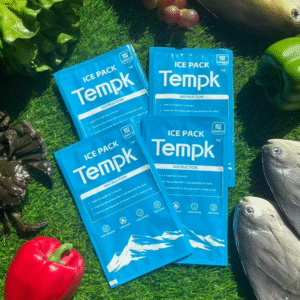
Why is temperature control essential for fish suppliers? – including recommended temperature ranges and their impact on quality.
What are the best practices for fish cold chain management? – covering hygiene, packaging, tracking and training.
Which standards and documentation apply to fish exporters? – highlighting HACCP, GMP, SSOP and FSMA requirements.
How can technology like IoT and traceability tools improve operations? – exploring sensors, digital records and data analytics.
What are the key trends in 2025 for the cold chain market? – including market growth, sustainability and advanced monitoring.
Why Is Temperature Control Critical for Fish Suppliers?
Temperature is the single most important factor in preserving fish quality. Fresh fish must be kept between 0 °C and 5 °C and frozen fish at –18 °C or colder. Exceeding these ranges accelerates spoilage, encourages bacterial growth and compromises texture and taste. Proper temperature control slows enzymatic activity, maintains sensory characteristics and reduces waste.
Maintaining these narrow temperature ranges isn’t easy. Fish tissue is delicate and rich in moisture; once fish die, enzymes break down muscle proteins and bacteria multiply rapidly. Without cooling, a catch may become unsuitable for sale within hours. Professional operations therefore use insulated containers, refrigerated trucks and validated freezers to keep the cold chain unbroken.
Temperature Standards for Fish Cold Chain
Fish products need different temperature environments depending on whether they are fresh or frozen. The table below summarises key ranges and their benefits:
| Temperature Range | Examples | Cold Chain Stage | Benefits for You |
| 0 °C – 5 °C | Fresh fish, chilled fillets, shellfish | Storage & transport in refrigerated rooms | Maintains texture and sensory quality; slows bacterial growth. |
| –18 °C or lower | Frozen fish, seafood blocks, fish fingers | Freezing and frozen storage | Prevents microbial activity and ensures long shelf life. |
| 4 °C | Dairy products | Comparative reference | Demonstrates that fish require colder conditions than dairy products. |
| –29 °C | Ice cream (deep frozen) | Deep-freeze storage | Highlights that some products need even colder storage than fish. |
Practical Tips and Advice
Monitor continuously: Use data loggers or IoT sensors to record temperature in real time. Alerts notify you when temperatures drift outside the safe range.
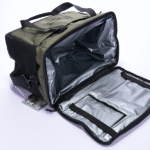
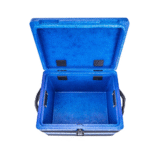
Use proper insulation: Invest in isothermal boxes and vacuum packaging to minimise thermal fluctuations and prevent contamination during transport.
Validate equipment: Refrigerated vehicles and freezers should be calibrated and validated regularly to ensure they maintain the correct range.
Realworld example: A midsized fish exporter switched from manual temperature checks to an IoT-based monitoring system. Continuous logging and automated alerts reduced temperature deviations by 40 %. This improvement lowered rejected shipments and saved the company an estimated $150,000 in spoiled product over one year.
What Are the Best Practices for Cold Chain Fish Suppliers?
Hygiene, Packaging and FIFO
Maintaining hygiene and proper handling throughout the supply chain protects consumers and preserves product quality. Storage rooms should be rigorously sanitised; floors, walls and equipment must be cleaned regularly and operators should wear personal protective equipment. Use insulated packaging that protects against humidity, oxidation and physical damage. Vacuum packaging and barrieroxygen materials extend shelf life. Apply FIFO (First In, First Out) inventory management to ensure older batches leave first, reducing waste.
Effective cold chain management also requires clear documentation at each stage. Exporters should prepare a bill of sale, shipping note, certificate of origin and health certificates to avoid customs delays and ensure compliance. Document every temperature reading and hygiene check; these records support traceability and regulatory audits.
Integrated IoT and Traceability Tools
Digital tools provide transparency and reduce risk. Research shows that 39.1 % of U.S. seafood samples were mislabeled, with 26.2 % involving species substitutions. Such mislabeling undermines consumer trust and can lead to recalls. Implement the following technologies to strengthen traceability:
| Solution | Functionality | Benefit to Fish Suppliers |
| Unique identifiers (batch numbers, QR codes, RFID tags) | Tag each catch or processing lot with scannable codes. | Enables endtoend traceability, quick isolation of problem batches and faster recalls. |
| Digital documentation systems | Standardise data formats and link catch records to processing and shipping data. | Avoids errors, facilitates audits and accelerates regulatory compliance. |
| Realtime sensors and IoT devices | Monitor temperature and location throughout transport and storage. | Immediate alerts allow corrective action, reducing spoilage and noncompliance. |
| Blockchain or secure databases | Provide tamperproof records of every stage in the supply chain. | Enhances transparency and builds buyer confidence. |
Practical Tips
Tag every batch: Use QR codes or RFID tags to assign unique identities to fish lots and link them to digital records.
Standardise formats: Adopt GS1 standards and uniform naming conventions across the supply chain to facilitate data sharing and auditing.
Train staff: Provide training on data entry, scanning and device handling to ensure consistent traceability.
Actual use case: A fish processor implemented QR codes and digital logs for each catch. When a temperature deviation occurred during transport, they traced it back to a specific batch and contacted distributors within minutes. The targeted recall saved them from pulling an entire shipment off shelves.
Which Regulations and Documentation Apply to Fish Exporters?
Compliance protects consumers and opens doors to lucrative markets. Hazard Analysis and Critical Control Points (HACCP), Good Manufacturing Practices (GMP) and Sanitation Standard Operating Procedures (SSOP) are core frameworks for food safety. Exporters also need to meet FSMA (Food Safety Modernization Act) requirements in the United States, which emphasise sanitary transportation and temperature monitoringcoldchainpacking.com. The European Union Food Hygiene Regulations similarly mandate temperaturecontrolled storage and detailed records.
Documentation and Certification Requirements
Failure to provide proper documentation can delay customs clearance or cause shipments to be rejected. Ensure the following documents accompany every export:
| Document | Purpose | Importance for You |
| Bill of sale | Describes goods and conditions of sale. | Serves as proof of ownership and transaction details. |
| Shipping note | Issued by the shipper to describe the consignment. | Required for logistics tracking and insurance claims. |
| Certificate of origin | Attests to the country of origin. | Necessary to qualify for tariff benefits or comply with trade agreements. |
| Health certificates | Verify product safety and compliance. | Essential for import approval and consumer trust. |
| HACCP/FSSC 22000 certification | Demonstrates adherence to safety management systems. | Enhances credibility and may be required by buyers. |
Tips for Compliance
Stay current: Regularly review updates to FSMA, EU regulations and national standards. Regulatory bodies like the FDA require temperature monitoring devices and records.
Use digital tools: Automate documentation and maintain logs electronically. Electronic recordkeeping reduces errors and eases audit preparation.
Helpful decision tools
Check the details before you choose packaging
These quick tools can help you compare route risk, sizing needs, coolant choices, and packaging details before you request a quote.
Route Risk Checker
Review lane conditions before selecting packaging for real operating requirements.
Check route riskDry Ice Calculator
Estimate dry ice needs for frozen or ultra-cold shipments before packing.
Estimate dry iceInsulation Material Drop Resistance
Review drop resistance and handling factors before choosing insulation materials.
Check resistanceEngage in thirdparty audits: Certifications from recognised bodies (e.g., FSSC 22000, BRCGS, IFS Logistics) help demonstrate compliance to international buyers.
Case Study: A seafood exporter obtained FSSC 22000 certification after implementing HACCP and digital tracking. This allowed them to enter the European market and increased orders by 30 %. Frequent audits ensured continuous improvement.
How Do Cold Chain Fish Suppliers Ensure Traceability and Transparency?
Traceability reduces mislabeling and supports sustainability. According to a 2025 study, 39.1 % of U.S. seafood samples were mislabeled. To prevent such issues:
Record catch details immediately: Date, time, species, location and fishing method should be logged onboard.
Use unique identifiers: Assign batch numbers or QR codes to each catch and processing lot. These identifiers link the product to all relevant data, including cold chain logs.
Standardise data formats: Adopt global standards like GS1 and ensure consistent naming conventions. This facilitates data exchange between boats, processors and retailers.
Implement realtime tracking: GPS and sensors monitor movement and temperature, sending alerts for deviations. Blockchain or secure databases store tamperproof records of every stage.
Educate your workforce: Train fishers, processors and drivers on the importance of accurate data entry and correct handling.
Traceability Checklist
| Step | Action | Outcome |
| 1. Capture | Log catch details (date, location, species, vessel ID). | Accurate origin data for each batch. |
| 2. Assign ID | Tag each lot with QR or RFID codes. | Unique identity follows product through the supply chain. |
| 3. Digital record | Input data into a centralised system using standard formats. | Facilitates audits and data sharing. |
| 4. Monitor | Use sensors for temperature and location tracking. | Immediate alerts for corrective action. |
| 5. Verify and audit | Conduct internal checks and thirdparty audits regularly. | Maintains compliance and builds trust. |
By following these steps, fish suppliers can increase transparency, reduce fraud and enhance customer confidence.
2025 Trends and Future Outlook for Cold Chain Fish Suppliers
Trend Overview
The cold chain industry is experiencing rapid growth. The global cold chain market is projected to expand from USD 316.34 billion in 2024 to USD 1,611.0 billion by 2033. Fish and seafood exporters stand to benefit as technology and consumer demand evolve. Key trends include:
RealTime Monitoring: Advances in IoT sensors and connected devices allow continuous temperature and humidity monitoring. Breach alerts trigger immediate action, reducing spoilage.
AIDriven Route Optimisation: Artificial intelligence helps optimise delivery routes, reducing transit time and energy consumption. Multitemperature vehicles handle diverse products simultaneously.
Digital Traceability: Blockchain and secure databases record every step of the supply chain, combatting mislabeling.
Sustainability: Ecofriendly packaging and energyefficient refrigeration reduce environmental impact. Companies adopt recyclable thermal shippers capable of maintaining 2 °C to 8 °C for 72 hours.
Market Expansion: Demand for frozen seafood is rising; the global frozen seafood market is forecast to grow from USD 24.78 billion in 2025 to USD 42.58 billion by 2034. Export growth, particularly in Latin America, underscores the need for robust cold chain infrastructure.
Latest Developments at a Glance
IoT Adoption: Connected sensors and realtime data analytics become standard for fish cold chain monitoring.
Regulatory Tightening: FSMA, EU and GFSI continue to push for comprehensive traceability systems and temperature logs.
MultiTemperature Logistics: Logistics providers invest in multitemperature storage and vehicles to handle diverse cargo simultaneously.
Digital Platforms: Advanced ERP systems integrate catch, processing, storage and distribution data for seamless compliance and decisionmaking.
Market Insights
Rapid market growth is driven by consumer demand for fresh and frozen seafood, expanding online grocery platforms and advancements in refrigeration technology. AsiaPacific leads in market size for frozen seafood, while North America experiences fast growth due to ecommerce and changing diets. Investments in cold storage and transportation technology, along with stricter regulations, ensure fish arrives at markets with quality preserved.
Frequently Asked Questions
Q1: What temperature should fresh and frozen fish be stored at?
Fresh fish should stay between 0 °C and 5 °C, while frozen fish must remain at –18 °C or colder. Maintaining these temperatures preserves flavour and prevents spoilage.
Q2: How do IoT sensors help fish suppliers?
IoT sensors provide realtime monitoring of temperature and humidity. They send alerts when conditions deviate, allowing swift corrective action. This reduces waste and ensures compliance with regulations.
Q3: What documents are required for exporting fish?
A bill of sale, shipping note, certificate of origin and health certificates are essential. Certifications like HACCP or FSSC 22000 demonstrate food safety compliance.
Q4: Why is traceability important in the fish supply chain?
Traceability reduces fraud and mislabeling. A metaanalysis found 39.1 % of U.S. seafood samples mislabeled. Unique identifiers, digital records and monitoring improve transparency and consumer trust.
Q5: How can fish suppliers reduce environmental impact?
Use recyclable packaging, energyefficient refrigeration and route optimisation algorithms to lower carbon footprints. Selecting suppliers committed to sustainability and investing in renewable energy for cold storage also help.
Summary and Recommendations
To thrive in the competitive seafood market of 2025 and beyond, fish suppliers must implement robust cold chain solutions. Maintain precise temperature ranges – 0 °C to 5 °C for fresh fish and –18 °C or colder for frozen goods. Ensure hygiene, use insulated packaging and adopt FIFO to protect quality. Implement digital traceability tools – unique identifiers, standardised data and IoT sensors – to track every batch and meet regulatory requirements. Stay current with HACCP, GMP, SSOP and FSMA guidelines. Embrace realtime monitoring, AIdriven logistics and sustainable practices to gain a competitive edge and reduce waste. By following these recommendations, you can deliver safe, highquality fish to global markets while safeguarding your bottom line.
About Tempk
At Tempk, we specialise in comprehensive cold chain solutions for the food and pharmaceuticals industries. Our network of climatecontrolled warehouses spans major logistics hubs, and our services range from receiving and storage to national and international refrigerated transport. We employ advanced IoT sensors and data analytics to maintain precise temperature and humidity control, meeting strict regulatory standards. Our expertise in fish storage and transport ensures your products remain fresh, safe and compliant throughout the journey. We prioritise sustainability through energyefficient refrigeration and recyclable packaging.
Ready to enhance your cold chain?
Let us help you design a reliable and efficient cold chain system. Contact our experts for a consultation or explore our interactive Cold Chain Readiness Checklist to assess your current operations. Together we’ll create a roadmap to elevate your fish supply chain for 2025 and beyond.