What Is a Compact EPP Box and How Does It Revolutionize Cold Chain?
A compact EPP box is a lightweight, reusable container made from expanded polypropylene (EPP) foam that delivers powerful insulation in a compact form factor. You might picture it as a minifridge that doesn’t need electricity: it combines a closedcell foam structure with clever design to keep vaccines, fresh seafood or gourmet meal kits safe for days. By 2025, businesses are turning to compact EPP boxes because they hold temperatures for 72–96 hours and withstand hundreds of trips, cutting spoilage and waste. This article explains why these boxes matter for your cold chain and how they can help you meet sustainability goals while protecting valuable products.
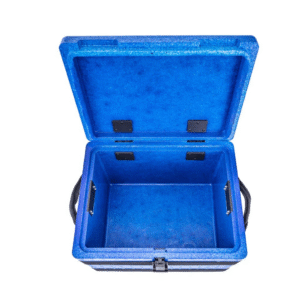
Benefits of a compact EPP box for temperature control, reusability and sustainability.
Material properties and design features that make EPP stronger, lighter and safer than traditional foam.
Applications in pharmaceuticals, food delivery and ecommerce, including spacesaving foldable designs.
2025 trends and innovations, from IoT sensors to circular logistics programs.
Practical tips for choosing, packing and maintaining your compact EPP box.
How Does a Compact EPP Box Improve Cold Chain Efficiency?
Compact EPP boxes outperform traditional EPS containers because they maintain temperature longer, support heavy reuse and cut carbon emissions. With thick EPP foam walls (often 1.5 inches or more), they can keep contents within 2–8 °C for vaccines or –18 °C for frozen seafood for up to 72 hours. When paired with vacuum insulated panel (VIP) inserts, some systems extend hold times to 96 hours or more. This resilience stems from EPP’s closedcell structure that traps air pockets, blocking heat transfer 30% better than expanded polystyrene (EPS). Because the foam is strong and flexible, one box can endure 500 or more roundtrip journeys with simple cleaning and inspection. Reusing the same container weekly for a decade saves both money and landfill space.
More than just insulation: durability, weight and sustainability
EPP foam offers a suite of advantages that make compact EPP boxes uniquely suited to logistics. The material combines impact resistance and lightweight strength—it absorbs shock and protects delicate vials or seafood fillets while weighing about 50 % less than conventional foam coolers. Its moisture and chemical resistance keeps contents safe from water, oils and solvents. EPP is also naturally durable: even after repeated impacts, it maintains its shape and continues to insulate. With builtin UV stability, some boxes survive 1.5 m drops without cracking. When your business runs closedloop shipping or returns, this durability translates into longterm cost savings.
Another key advantage is sustainability. Unlike petroleumderived EPS, EPP foam is 100 % recyclable. A compact EPP box reduces your carbon footprint in two ways: it lowers energy needed for refrigeration (because of superior insulation) and minimizes waste through reuse. The Future Market Insights report notes that EPP foam is expected to capture a growing share of thermal packaging because it can be recycled and manufactured with less energy, supporting corporate sustainability commitments.
Practical performance comparison
| Metric | Compact EPP Box | Conventional EPS Box | What it means for you |
| Temperature hold time | 72–96 hours with VIP inserts | 24–48 hours | Longer hold times mean fewer gel packs and more flexibility in shipping routes. |
| Reusability | 500+ cycles with cleaning | Often singleuse | Reusing boxes cuts packaging costs and landfill waste. |
| Weight | 50 % lighter | Heavier | Lower weight reduces fuel consumption and makes manual handling easier. |
| Ecoimpact | 100 % recyclable | Difficult to recycle | Recyclable materials support corporate sustainability goals and reduce disposal fees. |
| Cost over two years | Saves ~60 % due to reuse | High recurring replacement costs | Investing in EPP pays back quickly and protects profit margins. |
Practical tips and suggestions
For short shipments (<24 hours): You may not need a premium box; but if your deliveries involve doortodoor excursions with unpredictable delays, a compact EPP box ensures peace of mind. Use gel packs and precool products to extend hold time.
For crosscountry shipments (48–72 hours): Choose thickwalled EPP containers with 1.5 inches or more of foam. Pair them with dry ice or VIP inserts for frozen goods.
For closedloop systems: Track each container’s trips and schedule cleaning after every use. Because EPP boxes fold flat or nest, they’re easy to store and return.
Realworld case: A pharmaceutical distributor reported that adopting Tempk’s EPP boxes virtually eliminated vaccine spoilage, reducing losses from $1.2 million per year to zero over 18 months. Another seafood exporter reduced rejected shipments from 15 % to 0.3 %. These results underscore how durable, insulated packaging safeguards product integrity and customer trust.
Why Choose a Compact EPP Box for Pharmaceutical Cold Chain?
In pharmaceutical logistics, maintaining precise temperature ranges can be the difference between lifesaving efficacy and dangerous spoilage. Most vaccines and biologics must stay between 2 °C and 8 °C; some gene therapies require –70 °C to –80 °C storage. A compact EPP box provides reliable insulation while minimizing weight and volume, making it ideal for clinical trials, vial transport and home delivery of specialty drugs.
Temperature stability and regulatory compliance
The World Health Organization lists cold boxes and insulated containers as critical equipment for maintaining vaccine potency. When temperature excursions occur, products may degrade or become ineffective. Compact EPP boxes, especially those integrated with phasechange materials (PCMs) like gel packs or dry ice, maintain stable temperatures across a range of conditions. According to a market analysis, plastics such as EPS and EPP account for about 74 % of pharmaceutical coldchain packaging materials. Small boxes and insulated shippers dominate the product mix (around 38 % market share), highlighting the demand for efficient, compact solutions.
Regulations are also driving adoption. The FDA’s current Good Manufacturing Practice (cGMP) regulations and the European Union’s Good Distribution Practice (GDP) mandate validated packaging and realtime temperature monitoring. Compact EPP boxes can be fitted with IoT sensors that transmit temperature and location data, enabling proactive intervention when excursions occur. Tempk’s boxes incorporate Bluetooth trackers and hybrid VIP + EPP insulation to provide 5day stability.
Cost and sustainability advantages
Investing in compact EPP boxes pays off through reuse and reduced temperature excursions. While an EPP box may cost around $80 versus $25 for EPS, the payback period is less than 18 months thanks to reuse savings. By avoiding fines for spoiled pharmaceuticals (which can exceed $50,000 per incident), many companies realize that the premium pays for itself quickly. Additionally, the global pharmaceutical coldchain packaging market is valued at $28.9 billion in 2025 and projected to reach $75 billion by 2032. With plastics like EPP dominating materials, early adopters gain a competitive edge.
Material properties: protecting highvalue medicines
| Property | Why it matters | Benefit for pharmaceuticals |
| Closedcell structure | Traps air pockets, blocking conduction, convection and radiation. | Keeps vaccines within tight temperature ranges without external refrigeration. |
| Impact resistance | Absorbs shock during handling and transport. | Protects delicate vials, gene therapy components and diagnostic kits from breakage. |
| Moisture & chemical resistance | EPP resists water, oils and solvents. | Prevents contamination and preserves sterile conditions. |
| UV and heat tolerance | EPP maintains integrity across wide temperature swings. | Suitable for shipments through extreme climates or long transit times. |
Compact EPP Boxes for Food Delivery and ECommerce
Online grocery deliveries and meal kit subscriptions have surged since the pandemic, and consumers expect their steaks and sushi to arrive fresh. A compact EPP box allows restaurants, farms and meal kit startups to ship perishable goods across the country without bulky refrigerated trucks. According to a guide on food shipping, EPP containers keep food safe for up to 72 hours and compress down when empty to save storage space. Some designs include collapsible liners and spacesaving walls, enabling you to stack more boxes in a warehouse.
Foldable and stackable designs
The evolution of compact EPP boxes isn’t limited to insulation; it also includes ergonomic features that simplify logistics. A portable folding EPP storage box designed for fishing and camping can be customized in size and color and includes a waterproof, collisionresistant design. These features translate well to food delivery: a foldable box collapses flat after use, reducing return shipping volume and warehouse footprint. For large shipments, stackable EPP foam boxes optimize pallet space and maintain consistent temperatures across multiple parcels. This is especially useful for online grocery retailers who must pack dozens of orders daily.
Matching box type to product
The Suneco Packaging guide categorizes EPP boxes into standard boxes, customshaped boxes, boxes with inserts, stackable boxes and cooler boxes. Choosing the right style depends on your product:
Standard compact EPP box: ideal for most temperaturesensitive products. Use this when shipping mixed groceries or meal kits.
Customshaped box with inserts: for fragile goods like glass bottles or cakes that need individual compartments.
Stackable box: for large volumes or warehouse storage; the interlocking design prevents shifting during transport.
Cooler box with VIP panels: for products requiring longer hold times or extreme temperatures, such as ice cream or frozen fish.
Food safety and sustainability
Food products must remain below 40 °F (4 °C) to prevent microbial growth. Compact EPP boxes maintain these temperatures with gel packs or dry ice, preserving flavors and textures. Their moisture resistance also prevents condensation from damaging packaging or labels. Because the boxes are reusable and recyclable, they reduce singleuse plastic waste and support zerowaste business models. Many consumers increasingly choose brands with sustainable packaging, so switching to EPP could bolster your reputation.
Practical Guidelines for Using a Compact EPP Box
Precool everything. Place products, gel packs or PCM bricks in a refrigerator before loading them. An insulated box preserves temperature; it doesn’t lower it.
Helpful decision tools
Check the details before you choose packaging
These quick tools can help you compare route risk, sizing needs, coolant choices, and packaging details before you request a quote.
Compliance Checklist Generator
Build a practical checklist for packaging review, shipping, and documentation.
Build checklistPackaging Selector
Compare insulated packaging options by product, route, and temperature need.
Find packagingRoute Risk Checker
Review lane conditions before selecting packaging for real operating requirements.
Check route riskCalculate refrigerant quantity. Underestimating gel packs is the most common mistake; always use more than you think necessary.
Pack tightly. Fill empty spaces with void fillers or additional packs to minimize airflow and temperature gradients.
Seal properly. Ensure latches and gaskets are closed. Some boxes fold flat, so doublecheck folds and hinges.
Monitor and track. Attach a temperature logger or Bluetooth sensor to record conditions during transit; this helps with compliance and quality assurance.
Clean and inspect after each use. EPP withstands cleaning with mild detergents and disinfectants. Check for cracks, warping or degraded foam before redeploying.
2025 Latest Developments and Trends in Compact EPP Boxes
Trend overview
The compact EPP box market is rapidly evolving as sustainability and technology converge. According to a report from Archive Market Research, the EPP insulation box market is worth about $2 billion in 2025 and will grow at a 7 % CAGR to 2033. Several factors are driving this growth:
Ecommerce expansion and lastmile delivery: Online grocery and pharmacy services require reliable cold chain solutions for home deliveries. The rise of meal kits and readytoeat subscription services increases demand for compact boxes.
Regulatory pressure: Stringent food safety and pharmaceutical guidelines mandate validated packaging. Companies invest in highperforming containers to avoid recalls and penalties.
Sustainability commitments: Many corporations commit to reducing packaging waste. EPP’s recyclability and reusability make it an attractive alternative to singleuse EPS.
Technological innovation: Manufacturers are integrating IoT sensors and smart tracking into containers, offering realtime temperature and location updates. Hybrid designs combine EPP with vacuum panels or phasechange materials for extended performance.
Latest progress at a glance
Hybrid insulation systems: Tempk’s products combine VIP panels with EPP foam, delivering five days of temperature stability. These boxes are ideal for longhaul or remote deliveries.
Smart sensors: Builtin Bluetooth trackers send alerts when temperatures drift outside safe ranges. This not only prevents spoilage but also supports audits and compliance.
Circular logistics programs: Companies offer takeback schemes where old boxes are collected, cleaned and recycled into new containers. This “closed loop” reduces waste and creates a reliable supply of material.
Market insights and regional trends
The EPP insulation box market is concentrated in North America and Europe but sees the fastest growth in AsiaPacific, fueled by rising incomes and expanding cold chain infrastructure. Food applications represent roughly 60 % of the market, while pharmaceuticals account for about 25 %. Innovation focuses on improved insulation, recycled materials and design optimization to make boxes lighter, stackable and reusable.
Frequently Asked Questions
Q1: How long can a compact EPP box keep contents cold?
Most compact EPP boxes maintain cold temperatures for 72 hours with gel packs and up to 96 hours when equipped with VIP panels. Always precool your products and choose the right refrigerant quantity for best results.
Q2: Can EPP boxes be recycled?
Yes. EPP foam is 100 % recyclable, and many manufacturers operate takeback programs. When a box reaches endoflife, it can be ground down and molded into new products.
Q3: Are compact EPP boxes safe for food contact?
Expanded polypropylene is foodgrade, resistant to moisture and chemicals, and does not contain harmful substances. It is widely used for shipping perishables, including produce, meat and seafood.
Q4: What sizes do compact EPP boxes come in?
Sizes range from lunchboxsized containers for single meals to stackable pallets capable of holding hundreds of pounds. Customshaped boxes with inserts are available for delicate items.
Q5: How do I choose between EPP and VIP insulation?
EPP alone provides excellent insulation for short to medium shipments. For longer durations or extreme temperatures, hybrid boxes with VIP panels extend hold times to five days. Assess your product’s sensitivity and transit time before choosing.
Summary & Recommendations
Compact EPP boxes represent a leap forward in cold chain logistics. They extend temperature hold times, allow hundreds of reuses, and reduce carbon footprints compared with traditional EPS containers. Their lightweight yet impactresistant construction protects your goods while lowering transportation costs. The market is growing rapidly as ecommerce, pharmaceutical innovation and sustainability commitments converge. Adopting these boxes now positions your business at the forefront of supplychain efficiency.
For businesses shipping temperaturesensitive products, we recommend the following steps:
Audit your current packaging. Identify where temperature excursions or damage occur and calculate the true cost of spoilage and singleuse packaging.
Select the right box type. Choose a compact EPP box with appropriate wall thickness, inserts and optional VIP panels based on your products and transit duration.
Implement tracking. Equip boxes with temperature loggers or Bluetooth sensors to monitor conditions and comply with regulations.
Plan reverse logistics. Establish cleaning and return procedures to maximize reuse; many boxes fold flat for efficient storage.
Communicate sustainability benefits. Highlight your use of recyclable, reusable packaging to meet consumer expectations and regulatory standards.
About Tempk
Tempk is a leading innovator in cold chain packaging solutions. Our team combines advanced materials science with usercentric design to create compact EPP boxes that meet the demanding needs of modern logistics. By integrating VIP panels and IoT sensors into our containers, we deliver up to five days of temperature stability and realtime monitoring. Our commitment to circular logistics means we recycle old boxes into new ones, reducing waste and supporting a greener supply chain. Whether you ship vaccines, gourmet meals or laboratory samples, Tempk provides reliable, sustainable packaging that helps your business thrive.
Ready to upgrade your cold chain? Contact us today to discuss customized solutions and discover how a compact EPP box can transform your operations.