Knowledge

Cold Chain for Frozen Foods Management: 2025 Guide to Keep Goods Safe

Cold Chain for Frozen Foods Management: 2025 Guide to Keep Goods Safe

Keeping frozen foods safe throughout the cold chain is critical to your business and your customers. As of December 2, 2025 the cold chain industry faces tighter regulations, rising energy costs and evolving consumer expectations, so understanding how to manage frozen foods has never been more important. This guide explains cold chain for frozen foods management in simple terms and shows you how to maintain ideal temperatures, comply with regulations and leverage new technologies. For context, the cold chain logistics market is projected to grow from USD 324.85 billion in 2024 to USD 862.33 billion by 2032, a 13 % CAGR, and refrigeration systems already account for 20 % of global electricity consumption. The sooner you master frozen food logistics, the more you’ll protect your product quality and bottom line.

18

Why cold chain management matters for frozen foods: learn how inadequate cold chains lead to food loss and energy waste and why frozen foods must stay at subzero temperatures.

How to maintain ideal temperature ranges: discover the temperature categories (chill, frozen, deep frozen) and why frozen goods should stay between −10 °F and 0 °F.

Best practices for receiving, storing and transporting frozen foods: explore techniques like precooling goods, validated packaging, IoT monitoring and contingency planning.

Regulations and compliance in 2025: understand how FSMA Rule 204, HACCP and Good Distribution Practices shape recordkeeping and traceability.

Emerging trends and technologies: see how plantbased products, upgraded facilities, sustainability initiatives and realtime visibility will reshape frozen food logistics.

Why does cold chain management matter for frozen foods in 2025?

Frozen foods rely on stable subzero temperatures to prevent microbial growth and preserve quality, yet the global refrigeration industry faces mounting pressures. According to the International Institute of Refrigeration (IIR), 12 % of global food production is lost due to insufficient cold chains, and expanding cold chain infrastructure could save 475 million tonnes of food. At the same time, refrigeration accounts for 20 % of global electricity consumption and 7.5 % of global CO₂ emissions, underscoring the energy and climate stakes. The cold chain logistics market, valued at USD 324.85 billion in 2024, is projected to reach USD 862.33 billion by 2032. As demand for frozen foods, pharmaceuticals and vaccines grows, the pressure to maintain flawless temperature control increases.

The scale of the frozen food cold chain

The frozen foods cold chain touches almost every household. Roughly 70 % of food consumed in the United States relies on cold chain infrastructure, and about 5.4 billion refrigeration systems operate worldwide. Frozen foods—including meat, seafood, ready meals and ice cream—must remain at temperatures between −10 °F and 0 °F (−23 °C to −18 °C) to retain texture and prevent microbial growth. Deepfrozen goods, such as ice cream and highgrade seafood, often require temperatures below −20 °F (−29 °C). When temperatures rise, moisture evaporates, ice crystals expand and cells rupture, leading to freezer burn, texture loss and spoilage.

Reason Evidence What it Means for You
Food waste and security Up to 12 % of global food production is lost due to inadequate cold chains. Improving frozen food logistics prevents losses, protects profits and reduces hunger.
Energy and climate impact Refrigeration uses 20 % of global electricity and contributes 7.5 % of CO₂ emissions. Efficient equipment and insulation lower your energy bills and carbon footprint.
Market growth The cold chain market is projected to grow to USD 862.33 billion by 2032. Investment in stateoftheart equipment and training positions your business for growth.
Consumer demand Plantbased foods and highvalue seafood require strict temperature control. Ensuring your cold chain can handle new product categories opens up fresh revenue streams.

Practical tips for understanding the value of your frozen food cold chain

Quantify losses: calculate how much product you lose annually due to temperature excursions; even a twohour deviation can spoil a shipment worth $500 k or more.

Assess infrastructure: identify whether your freezers and reefer trucks are over 40 years old; outdated insulation and refrigerants reduce efficiency.

Consider sustainability: track energy consumption and choose lowGWP refrigerants to align with climate targets.

Educate your team: emphasise how cold chain failures lead to wasted food and energy, regulatory fines and customer dissatisfaction.

Realworld case: A produce distributor extended shelf life by investing in insulated packaging and IoT sensors. When a truck door was left open, temperature data alerted staff, preventing spoilage and saving the shipment.

How to maintain ideal temperatures in a frozen food cold chain?

Maintaining proper temperatures is the core of frozen food safety, yet different products require distinct temperature categories. For refrigerated goods like fresh meat and dairy, a constant 40 °F (4 °C) or below slows microbial growth. Frozen foods, however, must remain at or below 0 °F (−18 °C) according to the Nebraska Department of Agriculture’s TCS guide. Deepfrozen items such as premium seafood and ice cream often travel at −20 °F to −30 °F (−29 °C to −34 °C) to prevent ice crystals and preserve texture. Temperature categories help you map each product’s needs and select appropriate equipment.

Temperature ranges by product type

Different food categories thrive at different temperatures. Use the following guide to match products with their ideal ranges and understand why those ranges matter:

Temperature Category Range (°C / °F) Typical Foods What It Means for You
Banana / Tropical 12–14 °C (54–57 °F) Bananas, pineapples Keep tropical fruits in this higher range to avoid chilling injury.
Chill (Refrigerated) 2–4 °C (35–39 °F) Fresh produce, dairy Maintains crispness and prevents bacterial growth.
Frozen −10 °C to −20 °C (14 °F to −4 °F) Frozen vegetables, meats Must stay below 0 °F to maintain texture; hold at 0 °F or lower during transportation.
Deep Frozen −25 °C to −30 °C (−13 °F to −22 °F) Ice cream, premium seafood Prevents ice crystals and preserves flavor.
Refrigerated (General) 2–7 °C (35–45 °F) Fresh fruits, dairy Avoid freezing; maintain humidity to prevent dehydration.
Temperature Controlled (Ambient) 10–21 °C (50–70 °F) Chocolate, wine Moderate temperatures prevent melting or chemical changes.

Practical tips for temperature control

Precool everything: Reefer trailers maintain cold conditions but cannot rapidly cool warm cargo. Prechill frozen foods, packaging and vehicles before loading.

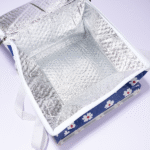
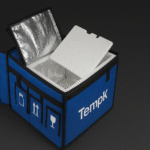
Use validated packaging: Select insulated shippers with gel packs, dry ice or phasechange materials tailored to your product’s needs.

Load properly: Stack products to allow air circulation and avoid blocking vents; overpacking restricts airflow and causes temperature gradients.

Monitor continuously: Employ data loggers and realtime IoT sensors to record temperature and humidity across the journey.

Calibrate equipment: Regularly calibrate thermometers and refrigeration units to ensure accurate readings.

Document and respond: Keep digital records of any temperature excursions, including duration, cause and corrective actions.

Actual case: A dairy processor added humidity sensors to refrigerated trailers to prevent condensation on milk cartons. Adjusting ventilation improved product appearance and reduced returns.

Best practices for receiving, storing and transporting frozen foods

A robust frozen food cold chain involves precise processes from receiving to delivery, not just temperature control. Each touchpoint—receiving goods, storage, preparation, loading, transport and delivery—introduces risks of contamination, temperature excursions and delays. Best practices minimise these risks.

Receiving and storage

Inspect upon receipt: Verify that incoming shipments arrive at the correct temperature; reject loads that exceed acceptable ranges. Use calibrated thermometers to check core temperatures. For frozen foods, ensure they are solidly frozen.

Use staging areas: Keep a temperaturecontrolled staging area near loading docks to minimise exposure during transfer. Avoid leaving frozen goods at ambient temperatures for more than two hours; reduce to one hour when ambient temperature exceeds 90 °F.

Zone warehouses: Separate storage areas by temperature category—chill, frozen and deep frozen—to prevent crosscontamination and maintain consistent conditions.

Rotate inventory: Follow firstin, firstout (FIFO) principles to minimise aging stock and maintain product quality. Track shelf life and freezeby dates in your warehouse management system.

Packaging and preparation

Choose the right packaging: Use active packaging (mechanical cooling), passive packaging (gel packs, dry ice) or hybrid solutions depending on the product and journey length. Packaging should create a protective microclimate and remain intact through the transport duration.

Label and document: Include product type, lot code, storage requirements and expiration date on each package. Clear labeling speeds up inspections and traceability.

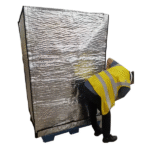
Secure loads: Arrange boxes to allow air circulation and avoid crushing delicate items. For pallet shipments, use pallet wraps or netting to stabilise the load.

Precool packaging materials: Cool gel packs, phasechange materials and dry ice prior to packing so they can immediately absorb heat.

Transport and delivery

Pretrip inspections: Check reefer settings, fuel levels, door seals and sensor functionality before departure.

Continuous monitoring: Use IoT sensors and telematics to track temperature, humidity and location in real time, enabling immediate corrective actions.

Route optimisation: Plan the fastest paths, avoid congested or hot routes and schedule runs during cooler parts of the day.

Communication: Provide realtime updates to customers about estimated arrival times, reducing missed deliveries.

Carry backup supplies: Stock spare gel packs, dry ice, portable generators and have emergency contact lists ready. Develop contingency plans with clear temperature triggers and actions.

Packaging and monitoring innovations

Technological advances are reshaping how frozen foods are packaged and monitored:

Innovation Description Benefit
Validated thermal packaging Insulated shippers with gel packs or phasechange materials maintain target temperatures throughout transit. Offers longlasting cooling and reduces energy draw from reefers.
Multizone trailers Trucks with separate chambers allow chilled, frozen and deepfrozen goods to ride together. Optimises routing and reduces the number of vehicles needed.
IoT sensors and data loggers Sensors provide continuous temperature, humidity and location data. Realtime alerts prevent spoilage and supply chain blind spots.
Geofencing and alerts Systems trigger notifications when vehicles deviate from planned routes or doors open unexpectedly. Enables quick response to delays or theft attempts.
Humidity control Sensors help maintain optimal humidity, preventing dehydration and condensation. Enhances product appearance and reduces label damage.

Practical tips for receiving, storage and transport

Accept or reject: When receiving goods, document temperature readings and reject shipments outside the acceptable range.

Minimise exposure: Transfer frozen goods quickly between environments; use temperaturecontrolled staging areas.

Separate and rotate: Maintain distinct zones for chill, frozen and deep frozen goods and follow FIFO principles.

Use data: Analyse sensor data to identify routes or handlers that cause temperature excursions; adjust training or equipment accordingly.

Plan for emergencies: Designate backup drivers, alternate routes and cold storage facilities; drill staff to execute contingency plans when triggers (e.g., 10 °C) are reached.

Actual case: A frozen meal manufacturer installed geofencing alerts that notified drivers and managers when a truck deviated from its route. A breakdown occurred, but the system automatically dispatched a backup vehicle and transferred the load within 40 minutes, preserving the shipment’s integrity.

Regulatory and compliance landscape in 2025

Food safety regulations underpin the frozen food cold chain, and 2025 brings important changes. The U.S. Food Safety Modernization Act (FSMA) Rule 204, also known as the Food Traceability Rule, sets additional recordkeeping requirements for highrisk foods. The FDA originally set the compliance date for January 20, 2026, but has proposed extending it by 30 months to July 20, 2028. Companies subject to the rule must record Key Data Elements (KDEs) for Critical Tracking Events (CTEs) and provide information to the FDA within 24 hours. Alongside FSMA, Hazard Analysis and Critical Control Points (HACCP), Good Distribution Practices (GDP) and ISO 22000 require systematic hazard identification, temperature control, documentation and continuous improvement.

Major regulations and their requirements

Regulation/Standard Key Requirements Practical Significance
FSMA Rule 204 (Food Traceability Rule) Record KDEs (what, where, when, who) for CTEs (harvesting, packing, shipping, receiving); provide data within 24 hours; assign traceability lot codes. Facilitates rapid recall and protects public health. Ensures that highrisk frozen foods like seafood and ready meals can be traced quickly in case of contamination.
HACCP Identify hazards (e.g., microbial growth, crosscontamination); establish critical limits (temperature, time); define corrective actions and verification. Builds preventive controls into each step of the frozen food cold chain; mandates continuous monitoring and documentation.
GDP (Good Distribution Practices) Emphasises proper packaging, documentation, staff training and risk management for temperaturesensitive products. Ensures that warehouses and carriers maintain consistent practices and training across the distribution network.
ISO 22000 / ISO 9001 Provide quality management frameworks requiring documented procedures, responsibilities and continuous improvement. Helps align cold chain operations with international quality and food safety standards; supports certification and customer trust.
FSMA 204 compliance date extension The FDA proposed extending the compliance date from January 20, 2026 to July 20, 2028. Gives businesses more time to implement digital traceability systems; still important to start now due to resource requirements.

Practical steps to meet compliance

Assess your regulatory landscape: Determine which rules apply to your products—FSMA 204 (highrisk foods), GDP (distribution), Drug Supply Chain Security Act (pharmaceuticals), HACCP and ISO standards.

Map your supply chain: Document every Critical Tracking Event (harvesting, processing, storage, transport) and assign Key Data Elements for each.

Upgrade monitoring technologies: Invest in IoT sensors and cloud platforms for realtime temperature, humidity and location data.

Implement digital documentation: Ensure records are interoperable, secure and easily searchable; move away from paper or isolated spreadsheets.

Train your team: Provide rolespecific training on regulatory requirements, documentation and emergency procedures. Untrained staff can misread temperature logs or ignore SOPs.

Audit vendors: Include temperature requirements in contracts and regularly audit supplier compliance.

Plan for contingencies: Prepare for equipment failures, delays or temperature deviations with backup plans and clearly defined actions.

Case study: A produce distributor facing FSMA 204 deadlines adopted blockchainbased traceability. By assigning lot codes and capturing KDEs at harvest, packing and shipping, the company reduced recall response time from days to hours. Digital records combined with IoT temperature logs satisfied auditors and boosted consumer confidence.

2025 trends and innovations shaping frozen food cold chains

The cold chain industry is evolving quickly. According to Maersk’s 2024/2025 outlook, five key trends will define 2025:

Market changes and geopolitical influences: Geopolitical unrest and trade disruptions have impacted transit times and capacity availability. Cold chain operators are investing in resilience to cope with changing demand and black swan events.

Stronger visibility: 2025 will see continued investment in software that improves visibility across the supply chain. Uninterrupted data for location tracking and temperature monitoring allows operators to handle disruptions proactively.

New product categories: The rise of plantbased and glutenfree products introduces new temperature requirements. Plantbased foods could account for 7.7 % of the global protein market by 2030, requiring cold chains that can adapt to smallbatch shipments.

Upgraded facilities: Ageing cold storage facilities—many 40–50 years old—are being replaced or refurbished. Regulations are phasing out harmful refrigerants like HCFCs and HFCs, pushing operators to invest in automation and sustainability.

Better distribution and proximity to customers: New cold storage construction near ports, production areas and retail hubs will enhance access and reduce transit times.

Beyond these industrywide trends, several technological innovations are emerging:

Realtime IoT monitoring: Leading operators deploy networks of sensors across warehouses, trucks and lastmile vehicles. These sensors monitor temperature, humidity and handling conditions in real time and send alerts immediately when deviations occur.

Integrated supply chain platforms: Systems linking warehouse management (WMS), transport management (TMS), enterprise resource planning (ERP) and IoT dashboards provide endtoend visibility. Managers can track each pallet and detect bottlenecks before problems arise.

Advanced thermal packaging: Insulated containers with phasechange materials and optimized pallet layering maintain consistent temperatures across long transit routes. These packages are tested for worstcase scenarios (high ambient heat, extended transit times) to ensure product integrity.

Predictive analytics and AI: Data from sensors and historical shipments can be analyzed to predict temperature excursions and optimize routes. Identifying patterns such as hot routes or frequently failing equipment helps prevent future losses.

Sustainable refrigeration technologies: Lowglobalwarmingpotential (GWP) refrigerants, energyefficient heat pumps and district cooling systems reduce energy consumption and emissions. Replacing HCFCs and HFCs with natural refrigerants (e.g., CO₂, ammonia) helps meet environmental regulations.

Market insights

The frozen food sector is not only growing but also diversifying. Demographic changes and urbanisation drive demand for convenient frozen meals, while health trends encourage plantbased alternatives. Fortune Business Insights projects the global cold chain market to grow at 13 % CAGR from 2024 to 2032, reaching USD 862.33 billion by 2032. Pharmaceutical cold chain revenue is expected to grow 4.71 % annually through 2029, reaching USD 1.454 trillion by 2029. Meanwhile, the healthcare cold chain market is projected to reach USD 17.8 billion by 2033. These figures indicate a need for versatile cold chain infrastructure that can handle foods, biologics and vaccines simultaneously.

Frequently Asked Questions

Q1: How cold should frozen foods be kept during transport?

Frozen foods must remain at or below 0 °F (−18 °C) during transport. Deepfrozen items like ice cream and premium seafood often need temperatures between −25 °C and −30 °C. Maintaining these ranges preserves texture and flavour. Use calibrated sensors to monitor temperature continuously and discard products if they stay outside the range for more than two hours.

Q2: Why is realtime monitoring important for frozen foods?

Even a twohour temperature deviation can spoil an entire shipment worth $500 k or more. Realtime monitoring via IoT sensors provides immediate alerts when temperatures drift outside safe zones, allowing you to reroute shipments or deploy backup equipment before products are compromised. Without realtime data, excursions may go unnoticed until it’s too late.

Q3: What regulations govern frozen food cold chains in 2025?

The FSMA Food Traceability Rule (Rule 204) requires companies handling highrisk foods to record Key Data Elements for Critical Tracking Events and provide them to the FDA within 24 hours. The FDA proposed extending the compliance date from January 20, 2026 to July 20, 2028. HACCP mandates hazard analysis and critical limits, GDP emphasises proper packaging and documentation, and ISO 22000/9001 require quality management systems.

Q4: How can I reduce energy consumption in my frozen food cold chain?

Refrigeration accounts for 20 % of global electricity consumption, so improving efficiency saves money and reduces emissions. Upgrade to energyefficient compressors, insulate walls and doors, and use variablespeed drives to match cooling output to demand. Consider lowGWP refrigerants and heat recovery systems. Regularly maintain equipment and monitor energy usage. Efficient route planning and multizone trailers also reduce energy per shipment.

Q5: What should I do if a temperature excursion occurs during transport?

Document the excursion’s duration, cause and corrective actions immediately. Activate your contingency plan: move cargo to backup refrigeration, deploy additional gel packs or dry ice, and reroute to the nearest cold storage facility. Inform stakeholders and keep records for compliance purposes. Analyse the incident later to prevent recurrence.

Summary and recommendations

Key takeaways: Frozen food cold chain management hinges on strict temperature control, robust processes, regulatory compliance and continuous innovation. Productspecific temperature ranges—0 °F or lower for frozen foods and −25 °C to −30 °C for deepfrozen goods—must be maintained. Insufficient cold chains cause up to 12 % of global food loss and consume 20 % of global electricity. Best practices include precooling goods, validated packaging, continuous IoT monitoring, documentation, and emergency planning. Regulatory frameworks—FSMA 204, HACCP, GDP and ISO—require digital traceability and preventive controls. Emerging trends such as realtime visibility, upgraded facilities and plantbased products will shape the market in 2025.

Action plan:

Conduct a cold chain audit: Map each step of your frozen food supply chain, record temperature requirements and identify weak links.

Upgrade equipment: Invest in energyefficient freezers, multizone trailers and validated packaging solutions. Consider lowGWP refrigerants to reduce emissions.

Implement IoT monitoring: Deploy sensors and integrated platforms for realtime visibility and immediate alerts; integrate data with your WMS and TMS.

Develop a digital documentation system: Adopt cloudbased recordkeeping to meet FSMA 204 requirements and simplify audits.

Train and empower staff: Provide comprehensive training on temperature control, hazard analysis, emergency response and documentation. Use performance data to coach employees and reduce errors.

Stay ahead of regulations: Monitor updates to FSMA 204 and other standards; begin implementation now despite the extended compliance deadline.

About Tempk

Tempk is a leading provider of cold chain packaging solutions, insulation materials and IoT monitoring technologies. Our team combines decades of experience in food and pharmaceutical logistics with researchdriven product development. We focus on ecofriendly, reusable and recyclable cold chain products, using highquality insulation and refrigerants to ensure consistent temperatures. Our R&D centre continually tests new materials and designs, while our quality guarantee ensures every product meets strict performance standards. By partnering with Tempk, you gain access to innovative packaging, realtime monitoring and expert guidance to streamline your frozen food cold chain.

Call to action: Ready to strengthen your frozen food cold chain? Contact our experts for a tailored assessment and discover how our insulated boxes, IoT sensors and consulting services can protect your products and boost profitability. Let’s build a safer, more sustainable cold chain together.

Previous: Smart Sensors for Frozen Food Cold Chain: 2025 Guide Next: Cold chain for frozen foods transportation: a 2025 guide