Vegetables Cold Chain Quality Assurance: Best Practices for Freshness and Safety
Ensuring vegetables remain fresh and nutritious from farm to table is critical in today’s global supply chain. Vegetables cold chain quality assurance plays a key role in preserving flavor, texture, and nutritional value. In this article, we’ll discuss the best practices, innovative technologies, and key trends shaping vegetable cold chain logistics in 2025.
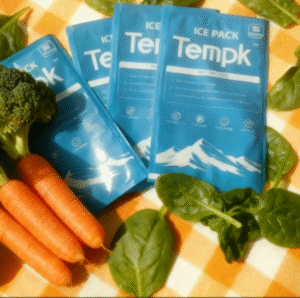
What is vegetables cold chain quality assurance and why is it important?
How can temperature control systems improve vegetable quality during transport?
What are the best practices for managing the vegetable cold chain effectively?
How do modern technologies help maintain vegetable freshness in the cold chain?
What trends are emerging in vegetable cold chain quality assurance?
What is Vegetables Cold Chain Quality Assurance, and Why Is It Important?
Vegetables cold chain quality assurance ensures that vegetables remain fresh from harvest to the consumer by controlling environmental factors such as temperature, humidity, and airflow. Without proper management, vegetables are susceptible to spoilage, nutrient loss, and microbial contamination. A robust cold chain system helps preserve their appearance, flavor, and nutritional value, preventing waste and ensuring food safety.
Why is temperature control so crucial?
Maintaining consistent, optimal temperatures throughout the supply chain helps slow down the natural aging process of vegetables, keeping them crisp and nutrient-rich. Improper temperature handling can lead to faster deterioration, loss of flavor, and increased spoilage rates.
How Temperature-Control Systems Preserve Vegetable Quality
Temperature-Control Systems: The Backbone of Vegetable Cold Chain
Temperature-controlled systems use a combination of packaging, cooling units, and real-time monitoring technologies to ensure vegetables stay within their ideal temperature range throughout transportation and storage. Here’s how these systems work:
Insulated Packaging: Materials like polystyrene foam or vacuum-insulated panels (VIP) protect vegetables from external temperature fluctuations.
Cooling Units: Refrigerated trucks and storage units maintain low, consistent temperatures, slowing down respiration and microbial activity.
Real-Time Monitoring: IoT sensors track temperature and humidity in real-time, alerting operators to any deviations from the optimal conditions.
Case Study: A global vegetable supplier implemented IoT-based monitoring in their cold chain system, reducing spoilage by 18% in the first year and extending vegetable shelf life by up to 5 days.
Best Practices for Vegetable Cold Chain Management
To ensure vegetables maintain their freshness and quality, proper cold chain management is critical. Here are some key best practices to follow:
Monitor Temperature Regularly: Using sensors to monitor temperature throughout storage and transport ensures vegetables remain at their optimal conditions.
Use Proper Packaging: Packaging must be moisture-resistant, breathable, and provide adequate ventilation to allow airflow.
Maintain Cleanliness: Regular cleaning of storage facilities and transportation units prevents contamination and preserves product quality.
Train Staff: Training personnel in cold chain procedures is essential for maintaining the integrity of the system and ensuring vegetables are handled correctly.
Helpful decision tools
Check the details before you choose packaging
These quick tools can help you compare route risk, sizing needs, coolant choices, and packaging details before you request a quote.
01Handling riskInsulation Material Drop Resistance
Review drop resistance and handling factors before choosing insulation materials.
Check resistance02Dry ice planningDry Ice Calculator
Estimate dry ice needs for frozen or ultra-cold shipments before packing.
Estimate dry ice03Material guideInsulation Material Reference
Compare insulation material choices for different cold chain packaging needs.
Compare materials
| Best Practice | Description | Benefit to Vegetables |
|---|---|---|
| Regular Temperature Monitoring | Use sensors for real-time tracking | Ensures consistent quality |
| Proper Packaging | Use breathable, moisture-resistant packaging | Prevents spoilage and preserves texture |
| Clean Facilities | Regular cleaning of transport and storage | Reduces contamination risk |
| Staff Training | Educate staff on proper cold chain procedures | Increases efficiency, reduces errors |
Modern Technologies to Ensure Freshness in Vegetable Cold Chain
The vegetable cold chain industry is evolving with advanced technologies that optimize freshness and efficiency. Some of the latest technologies include:
IoT Sensors: Real-time tracking of temperature and humidity, allowing for immediate action if conditions fall outside the ideal range.
Blockchain Technology: Ensures full traceability of vegetables, offering transparency and reducing the risk of fraud.
Phase Change Materials (PCMs): These materials help maintain the required temperature for extended periods, reducing reliance on external cooling sources.
Example: A major supplier of leafy greens implemented a blockchain-based traceability system, reducing spoilage by 15% and increasing consumer trust by ensuring product integrity.
2025 Trends in Vegetable Cold Chain Quality Assurance
The vegetable cold chain industry is undergoing significant changes driven by sustainability and technological advancements. Here are some key trends to watch in 2025:
Sustainability Focus: Increasing consumer demand for eco-friendly packaging and energy-efficient cold storage solutions is reshaping the industry. Businesses are investing in compostable and recyclable materials to reduce environmental impact.
Smart Cold Chain Technologies: Artificial intelligence and machine learning are being used to optimize storage conditions, predict temperature changes, and reduce waste.
Advanced Refrigeration Techniques: Low-energy refrigeration technologies are becoming more prevalent, reducing energy consumption while maintaining the required vegetable quality.
Common Questions About Vegetable Cold Chain Quality Assurance
Q1: What is the ideal temperature for vegetable cold storage?
Vegetables should generally be stored between 0°C and 4°C to prevent spoilage, with humidity levels between 90-95% for most varieties.
Q2: How soon should vegetables be precooled after harvest?
Vegetables should ideally be precooled within 2-4 hours of harvest to reduce moisture loss and maintain freshness.
Q3: Can I implement vegetable cold chain quality assurance on a small scale?
Yes, small-scale producers can use passive cooling methods, efficient packaging, and temperature monitoring to ensure quality without significant investment.
Summary and Recommendations
Maintaining vegetable freshness through effective cold chain management is essential for ensuring the safe delivery of high-quality produce. By incorporating modern technologies like IoT sensors, blockchain, and advanced refrigeration techniques, businesses can significantly improve their cold chain operations and reduce waste.
Next Steps:
Invest in smart monitoring systems to track temperature and humidity.
Adopt eco-friendly packaging solutions to meet sustainability goals.
Conduct regular staff training to ensure compliance with cold chain standards.
About Tempk
At Tempk, we specialize in providing advanced cold chain solutions tailored to the vegetable industry. Our products, including temperature monitoring systems and sustainable packaging solutions, help businesses maintain the quality and freshness of their produce throughout the supply chain.
Call to Action: Contact us today to learn more about how Tempk’s cold chain solutions can improve your vegetable distribution process.