Introduction: Why the Right Seafood Box Equipment Matters
When you ship or process seafood, you need packaging that keeps fish cold, prevents leaks and contamination, and remains strong from boat to buyer. With the global seafood market expected to reach about $270 billion by 2025 and growing demand for sustainable products, investing in effective cold chain seafood boxes and equipment is more important than ever. Choosing poorly can lead to spoiled fish, regulatory fines, or lost customers. This guide breaks down the options— from insulated boxes and totes to IoT-enabled containers—so you can protect quality, reduce waste, and stay compliant.
What are cold chain seafood boxes, and how do they protect freshness?
Which materials—EPS, fibre, polypropylene, bio-based foams, or RISC plastics—perform best?
What equipment and accessories (totes, pallets, sensors) complement seafood boxes for the cold chain?
How do you select the right box based on product type, route length, and sustainability goals?
What trends and innovations are shaping cold chain seafood packaging in 2025?
How can you use regulations and best practices to avoid contamination and fines?
How Do Cold Chain Seafood Boxes Equipment Keep Your Seafood Fresh?
The purpose of seafood boxes
Cold chain seafood boxes act as temperature and contamination barriers that let you deliver seafood at its peak. They combine insulation, moisture resistance, and structural strength to maintain a temperature between 0 °C and 5 °C for fresh fish and below –18 °C for frozen seafood—numbers mandated by U.S. and EU regulations. Most boxes use either expanded polystyrene (EPS), corrugated fibreboard, polypropylene, bio-based foams, or rigid reusable containers. Beyond materials, they rely on ice, phase-change refrigerants, or dry ice to absorb heat and keep fish chilled. Some integrate humidity-control liners or sealed edges to prevent water and microbial contamination.
A comparison of common materials
To decide which box suits your operation, it helps to compare the main materials. Each offers different insulation, strength, cost, and sustainability tradeoffs:
EPS (Expanded Polystyrene)
EPS is a rigid foam that traps air to provide excellent insulation. Boxes made from EPS can keep fish below 40 °F (4.4 °C) for over 40 hours when packed with ice. They are lightweight and relatively inexpensive. However, EPS is difficult to recycle and requires more storage space. Many jurisdictions are imposing bans or taxes on singleuse foam, so longterm viability is uncertain.
Fibrebased corrugated boxes
Corrugated fibre boxes with waterresistant coatings, such as DryPack made with Greencoat® coating, are growing in popularity. These boxes remain below 40 °F for over 40 hours when packed with ice and are fully recyclable. Paper materials already account for 37 % of seafood packaging in 2025. Fibre boxes can ship flat to save 70 – 85 % storage space, support custom printing, and minimize shipping “air”. They perform best on routes shorter than 900 km (560 mi) because their insulation is thinner than EPS.
Polypropylene (PP) boxes
Polypropylene fish boxes, such as the CoolSeal range, are made of corrugated polypropylene (PP5). They ship flat or prefolded, saving roughly 85 % storage space and 30 % shipping weight. The sealed edge technology prevents water absorption and contamination, while the material bends without breaking, preventing foam beads from contaminating products. PP boxes deliver equal internal capacity with smaller external dimensions, making them efficient for airlines and freight. They are fully recyclable, durable, and ideal for shorter routes or quick turnaround operations.
Biobased foams
New “green” foams derived from mushroom mycelium, algae, or starch offer insulation comparable to EPS but cost 20 – 50 % more. Some lines use chemically recycled EPS (CELOOPS), which reprocesses collected foam into new boxes, reducing environmental impact. Biobased foams are compostable and appeal to ecoconscious markets, though supply is limited and performance may vary with humidity.
RISC plastic or metal containers
Rigid Reusable Insulated Shipping Containers (RISC) made from plastic or metal are designed for long service life. They require cleaning and proper sanitation but can be reused dozens of times, spreading the cost. These containers are commonly used for large shipments or intermodal transport and are often integrated with IoT temperature sensors. They are heavy and expensive upfront but reduce waste and may be required under some corporate sustainability goals.
Performance comparison table
| Material | Insulation performance | Cost & durability | What it means for you |
| Expanded Polystyrene (EPS) | Keeps seafood below 40 °F for >40 hours when packed with ice | Low cost but singleuse; difficult to recycle | Excellent for long routes >900 km and tight budgets; may face regulation or disposal fees |
| Fibrebased boxes (Greencoat, DryPack) | Comparable to EPS on shorter routes (<900 km); maintain 40 °F for over 40 hours | Moderate cost; fully recyclable; delivered flat for space savings | Ideal for regional deliveries or air freight where weight and sustainability matter |
| Polypropylene (CoolSeal) | Adequate for 24–48 h; adapts quickly to temperature changes | Durable; resists moisture; fully recyclable; smaller external size | Great for highturnover products, airlines, and exporters needing space efficiency |
| Biobased foams | Similar to EPS; can extend shelf life by up to 70 % | 20 – 50 % higher cost; compostable; variable moisture resistance | Appeals to ecoconscious customers; suitable for premium markets or subsidies |
| Reusable plastic/metal containers | High insulation; some can hold ice for 3–7 days | Highest cost; heavy; needs cleaning | Best for large volumes, closed loops, or strict sustainability mandates |
Practical tips
Match box to route length and fish form: Use EPS or highperformance fibre boxes for long hauls. For short flights, polypropylene or fibre boxes reduce weight and shipping costs.
Verify compliance: Ensure the box material is approved for food contact and meets FDA, EU, HACCP, and FSMA requirements. PP and fibre boxes often come with certifications.
Use sealed or leakproof edges: Prevent water and bacteria contamination by choosing boxes with sealed edges or integrated liners.
Case example: A coastal processor switched from Styrofoam to polypropylene boxes. Shipping volume stayed constant, but they could pack 20 – 30 % more product per pallet due to the smaller external size, resulting in fewer trucks and lower carbon footprint. The sealed edges prevented leaks, improving hygiene and customer satisfaction.
What Equipment Complements Seafood Boxes in the Cold Chain?
Beyond the box: totes, pallets, and modular cold storage
Seafood packaging doesn’t work alone. Insulated totes, pallets, modular cold rooms, and IoT devices complete the system. As the cold chain logistics equipment market grows—from USD 89.5 billion in 2024 to USD 94.3 billion in 2025 and forecasted to reach USD 179.8 billion by 2034—producers need to invest in complementary equipment.
Insulated fish totes and bulk containers
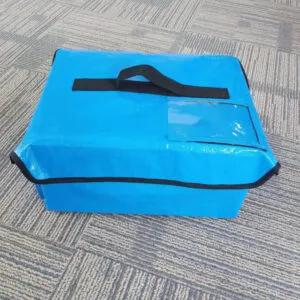
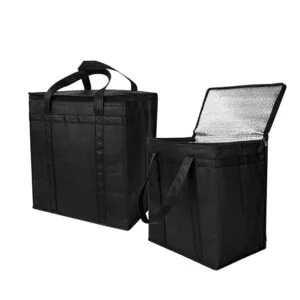
Bulk insulated containers like the DB/D/DX/PB series provide a durable solution for processing and storage. They are available in capacities from 9 to 55 cubic feet, include halftote sizes for easy handling, and can hold ice for 3 to 7 days. These containers feature doublewall construction filled with insulation, smooth interiors for easy cleaning, and drain holes and plugs for sanitation. Many designs allow for forklift entry and stacking, making them efficient for processing plants and boats.
Manufacturers like Smak Plastics offer fish boxes with polyurethane insulation up to R28, integrated twoway pallet/fork entry, and replaceable rubber wear pads to extend life. The boxes have onepiece latches and recessed features for stacking; a tight lid helps keep ice colder, and a 2inch drain outlet allows quick water removal.
Modular cold storage and transport
The cold chain equipment market is moving toward modular cold rooms and allelectric or hybrid refrigeration units. These systems allow seafood processors and distributors to adjust capacity seasonally. They integrate IoT sensors and telemetry to monitor temperature and humidity continuously, transmitting data to cloud systems for compliance logs and predictive maintenance.
Pallets and handling equipment
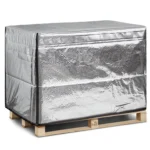
Selecting the right pallet is crucial. Highdensity polyethylene or aluminium pallets resist moisture and support heavy loads. Reusable plastic pallets are becoming more popular due to durability and recyclability. Ensure pallets match box dimensions; many fibre and PP boxes are optimized for 40 × 48 in or Euro pallets.
How to Use Insulated Fish Totes and Containers Effectively
Prechill totes: Always cool containers before loading to avoid warming seafood. Maintain interior temperatures between 0 °C and 2 °C.
Layer ice strategically: Use flake or slurry ice to create uniform cooling. Fill cavities but avoid crushing delicate fillets.
Rotate and stack properly: Align totes to maximize airflow in trucks or cold rooms. Stack no more than three to four high, depending on design.
Clean and sanitize: After each use, rinse totes with potable water, scrub with foodgrade detergent, and sanitize per HACCP plans. Smooth interiors make cleaning easier.
Inspect wear parts: Check latches, gaskets, and rubber pads regularly. Replace worn components to maintain insulation and safety.
Actual case: A seafood processor in Alaska replaced wooden pallets and uninsulated bins with insulated totes and reusable plastic pallets. As a result, the fish stayed at or below 0 °C for 72 hours, enabling longer processing times and higher yields. The company saw a 15 % reduction in ice usage and improved FSMA compliance.
How Do You Select the Right Seafood Box for Your Product and Route?
Choosing the right box requires balancing insulation, cost, sustainability, and regulatory requirements. Follow these guidelines:
Know your product: Different species have different temperature tolerances. Shellfish and shrimp require more moisture and moderate temperatures, while fatty fish like salmon spoil quickly if temperatures rise above 5 °C.
Consider route length and mode of transport: For long hauls or exports beyond 900 km, EPS or highperformance fibre boxes are recommended. For regional deliveries, polypropylene or fibre boxes reduce weight and environmental impact.
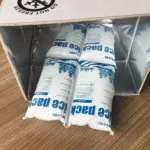
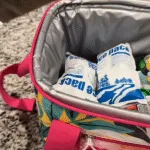
Evaluate refrigerants: Choose between flake ice, gel packs, dry ice, or phasechange materials (PCMs). PCMs maintain narrow temperature ranges but cost more. Flake ice provides cooling but adds weight.
Optimize space and weight: Use boxes that ship flat or prefolded to reduce warehouse space by 85 %. Lighter boxes save shipping costs. Smaller external dimensions can allow 20 – 30 % more product per pallet.
Helpful decision tools
Check the details before you choose packaging
These quick tools can help you compare route risk, sizing needs, coolant choices, and packaging details before you request a quote.
Insulation Material Drop Resistance
Review drop resistance and handling factors before choosing insulation materials.
Check resistancePackaging Selector
Compare insulated packaging options by product, route, and temperature need.
Find packagingCoolant & PCM Reference
Compare coolant and PCM options when a route needs added temperature support.
Compare optionsMaintain hygiene and traceability: Choose boxes with sealed edges to prevent contamination, and integrate barcode or QR code labels for traceability as required by FSMA Rule 204. Document capture date, species, and route.
Match packaging to shellfish or fish form: Use trays or separators to prevent fillets from sticking; vacuum skin packaging (VSP) works well for fillets and small shellfish to prevent leaks and retain moisture.
Prioritize sustainability: If your customers value environmental credentials, consider paper boxes with Greencoat® or biobased foams despite higher costs. Reusable containers can significantly reduce waste if you have a closed loop or robust return program.
Practical table: selecting boxes by route and product
| Product / Route | Recommended box | Additional notes |
| Longdistance shipments (>900 km) | EPS or highperformance fibre box (DryPack) | Offers extended insulation; choose chemically recycled EPS to improve sustainability |
| Regional deliveries / air freight | Polypropylene box (CoolSeal) or fibre box | Reduces shipping weight; ship flat to save space; sealed edges prevent leaks |
| Shellfish / shrimp | Box with moistureresistant liner and drainage | Use VSP or MAP to maintain moisture; choose boxes with drain holes and plugs |
| Premium sustainable brands | Biobased foam or paper box with Greencoat® | Showcases ecocredentials; expect up to 50 % higher packaging cost |
| Bulk transport to processors | Reusable plastic or metal containers / insulated totes | High durability; best for closed-loop systems; ensure sanitation procedures |
Sustainable packaging: balancing environment and performance
Sustainable seafood packaging is projected to reach USD 21.5 billion by 2035. Paper materials already account for 37 % of the market in 2025, and reusable containers are gaining traction. When considering sustainability:
Use recycled or recyclable materials: Fibre boxes with Greencoat® and CoolSeal polypropylene boxes are fully recyclable.
Consider life cycle: If your supply chain can support returns, reusable containers reduce waste. If not, choose compostable or recyclable options.
Communicate your story: Consumers value transparency. Include information on packaging materials and environmental impact in marketing.
What Are the Latest 2025 Trends and Innovations in Cold Chain Seafood Packaging?
Trend overview
The cold chain seafood industry is evolving quickly. Companies are investing in technology and sustainable materials to meet consumer expectations and regulations. Key trends in 2025 include:
IoT and real-time monitoring: Cold chain logistics providers are equipping containers with temperature and humidity sensors. These devices transmit data to cloud platforms, enabling realtime alerts and predictive maintenance. IoT also supports AI-driven demand forecasting.
Energy-efficient refrigeration equipment: Manufacturers are moving toward allelectric or hybrid refrigeration units and modular cold rooms to reduce emissions.
Sustainable packaging materials: Fibre boxes with Greencoat®, biobased foams, and chemically recycled EPS (CELOOPS) are gaining market share. Companies like Seawise have replaced over 2 million Styrofoam and wax boxes with recyclable corrugated technology that keeps water contained for over 14 days.
Digital traceability and compliance: Following the FSMA Rule 204 deadline (extended to 20 July 2028), producers must digitally track every lot. QR codes and blockchain solutions help meet this requirement.
Vacuum skin packaging (VSP): VSP tightly seals seafood, preserving freshness, preventing leaks, and enhancing shelf appeal. It helps maintain product integrity during cold chain transport.
Reusable packaging growth: The reusable cold chain packaging market is projected to grow from USD 4.97 billion in 2025 to 9.13 billion by 2034, reflecting a shift toward circular logistics.
Latest advancements snapshot
AI-driven demand planning: Seafood companies use AI to anticipate demand spikes and adjust production and packaging accordingly.
Smart labels: Sensors integrated into labels change color if temperature thresholds are exceeded, giving retailers and consumers a quick visual indicator.
Green logistics innovations: Cold chain players experiment with electric trucks, solar-powered reefers, and refrigeration using natural refrigerants like CO₂ and ammonia to reduce carbon footprints.
Traceability apps: Apps allow end consumers to scan QR codes and trace their seafood’s journey, boosting trust and compliance with FSMA.
Market insights and consumer preferences
The cold chain packaging market is projected to expand from USD 34.28 billion in 2024 to USD 89.84 billion by 2034 (compound annual growth rate of 11.3 %). North America dominates due to advanced infrastructure, while AsiaPacific is the fastestgrowing region. The fish, meat and seafood segment remains the largest end-use because consumers value fresh, safe protein. EPS remains the leading material, but fibre and biobased materials are gaining share. Reusable packaging is a growth segment, driven by sustainability and regulatory pressure.
Frequently Asked Questions
Q1: How long can insulated seafood boxes keep fish cold?
Most EPS and highperformance fibre boxes keep seafood below 40 °F (4.4 °C) for over 40 hours when properly packed with ice. Polypropylene boxes typically maintain temperature for 24–48 hours. For long hauls, consider adding extra ice or selecting a box with thicker insulation.
Q2: Are polypropylene fish boxes safe and sustainable?
Yes. PP boxes like CoolSeal are made of foodsafe polypropylene (PP5), fully recyclable, and deliver better space efficiency than foam. They have sealed edges to prevent leaks and contamination. They are ideal for short routes or air freight.
Q3: Why are fibre boxes replacing polystyrene in some markets?
Fibre boxes offer similar insulation on shorter routes, ship flat to save space and cost, and are fully recyclable. Regulatory pressures and customer preferences for sustainable packaging drive adoption. They now account for 37 % of seafood packaging.
Q4: What’s the role of vacuum skin packaging (VSP) for seafood?
VSP removes air and forms a tight second skin around seafood, preventing oxidation and moisture loss. It extends shelf life, enhances appearance, and prevents leaks during transport. VSP is especially useful for fillets and shellfish in retail or meal kits.
Q5: How can I ensure compliance with FSMA and EU regulations?
Maintain proper temperature (0 °C to 5 °C for fresh; –18 °C for frozen), monitor continuously with data loggers or IoT sensors, document capture and shipping details, and assign unique IDs for traceability. FSMA Rule 204 requires digital traceability by July 20, 2028, so start integrating QR or barcode labels now.
Summary and Recommendations
The cold chain seafood industry is growing and evolving. Effective packaging and equipment are critical to protecting quality, complying with regulations, and meeting consumer expectations for sustainability. EPS boxes remain the best option for long routes, but fibre boxes with Greencoat® and polypropylene boxes offer space and weight savings for regional deliveries and air freight. Biobased foams and reusable containers are gaining attention for their environmental benefits. Complementary equipment like insulated totes, modular cold storage, IoT sensors, and energyefficient refrigeration form an integrated system. By matching packaging to your product and route, maintaining hygiene and traceability, and adopting new technology, you can reduce waste, cut costs, and build trust with customers.
Action Plan
Assess your routes and products: Record distances, temperature requirements, and product formats.
Choose appropriate boxes: For long hauls, select EPS or highperformance fibre boxes; for regional or air shipments, use polypropylene or fibre boxes.
Invest in complementary equipment: Use insulated totes, prechill containers, and integrate IoT sensors for realtime monitoring.
Implement traceability: Assign unique IDs to each shipment, use QR codes, and document temperature logs to prepare for FSMA Rule 204.
Communicate sustainability: Highlight recyclable or biobased packaging in marketing materials, and offer consumers a choice of eco-friendly options.
About Tempk
Tempk is a leader in cold chain solutions, offering advanced packaging, equipment, and monitoring systems for seafood, pharma, and perishable goods. We combine industry expertise with innovative designs like Greencoat® fibre boxes and CoolSeal polypropylene containers to help you meet stringent quality and sustainability requirements. Our team can evaluate your supply chain, recommend the optimal mix of packaging and equipment, and provide real-time monitoring tools. We’re committed to freshness, compliance, and reducing waste—so you can focus on delivering great products.
For tailored advice on cold chain seafood boxes equipment, contact our experts to design a solution that fits your operation.