If you’re responsible for moving frozen meals, ice cream or vaccines across the country, you know that any temperature deviation can ruin the product and erode your profit. In fact, the global cold chain market was worth around USD 316 billion in 2024 and is forecast to exceed USD 1.6 trillion by 2033. Yet about 14 % of food worldwide is lost due to inadequate temperature management. This guide answers the question “how can you optimise cold chain management for frozen foods distribution networks?” by explaining the fundamentals, challenges, best practices and emerging innovations. You’ll learn why frozen foods require precise handling, how to design a robust network, what technologies to use and where the industry is headed in 2025 and beyond.

Understand the importance of cold chain management for frozen foods and the economic impact of temperature breaches, incorporating longtail keywords like importance of cold chain management for frozen foods and economic impact of temperature breaches.
Identify common challenges and regulatory requirements that affect frozen food logistics, including compliance with FSMA Rule 204, HACCP and ISO standards, using keywords like cold chain challenges in distribution networks.
Implement best practices across receiving, storage, packaging, loading and monitoring to reduce food loss and energy consumption, referencing longtail terms like best practices for frozen food distribution.
Explore technological solutions such as IoT sensors, blockchain traceability, AI route optimisation and multitemperature trailers to strengthen your network, integrating the phrase cold chain technology trends 2025.
Stay ahead of trends with insights into plantbased foods, upgraded facilities, regulatory shifts and sustainability initiatives that will shape the next decade.
Why is Cold Chain Management Critical for Frozen Foods?
Frozen foods are highly sensitive to temperature fluctuations and require strict controls to maintain safety and quality. When frozen goods thaw and refreeze, ice crystals grow larger, damaging cell structure and causing soggy textures, offflavours and microbial risks. According to research, frozen foods should be kept at –18 °C (0 °F) or below and can be stored indefinitely if the temperature is consistently maintained. Approximately 70 % of food in the United States moves through cold chains, yet 25 % of coldchaintransported food is wasted due to temperature breaches. This waste represents both lost revenue and unnecessary greenhouse gas emissions.
Frozen food logistics differs from regular supply chains because products must be kept within narrow temperature ranges from harvest or manufacture through storage, transport and retail. Traditional supply chains might prioritise cost or speed, but cold chain networks must balance speed with strict thermal integrity. For frozen foods, this means:
Timetemperature sensitivity: even short exposures to temperatures above –15 °C can reduce product quality and shelf life.
Regulatory compliance: governments worldwide enforce rules like the US Food Safety Modernization Act (FSMA Rule 204), Hazard Analysis and Critical Control Points (HACCP) and Good Distribution Practices (GDP), all of which require documented temperature controls and traceability.
Consumer expectations: modern consumers demand convenience and quality. They expect frozen meals, meats or dairy to taste as good as fresh. Any evidence of thawing or freezer burn can damage brand reputation.
Understanding these factors is the foundation for designing a successful frozen foods distribution network.
Temperature Categories and Product Examples
The cold chain universe isn’t monolithic. Different goods require different temperature zones. Here’s a simplified table adapted from Tempk’s frozen food logistics guide:
| Temperature Zone | Typical Range | Common Products | What It Means for You |
| Deep Freeze | ≤ –29 °C (–20 °F) | Ice cream, specialty seafood | Requires robust insulation and powerful refrigeration; any deviation can cause recrystallisation. |
| Frozen | –18 °C (0 °F) or below | Frozen meals, meat, vegetables | Standard for most frozen foods; keeps products safe indefinitely. |
| Chilled | 0–4 °C (32–39 °F) | Dairy, fresh meat, fish | These items are not frozen but require close monitoring; risk of microbial growth if temperature rises. |
| Banana | 13–15 °C (55–59 °F) | Tropical fruits | Slightly higher temperatures prevent chill damage; careful segregation needed. |
| Controlled Ambient | 20–25 °C (68–77 °F) | Chocolate, wine, pharmaceuticals | Stable environment prevents melting or spoilage; often combined with humidity control. |
Practical Tips for Maintaining Proper Temperatures
Precool goods and equipment: Precool trailers and storage rooms to the desired set points before loading to avoid thermal shock.
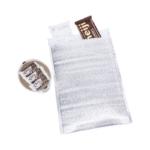
Use appropriate packaging: Vacuumsealed, insulated packaging slows heat transfer and reduces air pockets. Phasechange materials (PCMs) can provide passive thermal buffering.
Implement multizone trailers: Multicompartment vehicles allow you to carry frozen, chilled and ambient goods together, each at its own temperature.
Ensure proper stacking: Leave space for air circulation and avoid overloading pallets. Dense stacking traps heat.
Monitor continuously: Use sensors and data loggers in each trailer section to detect deviations. Attach alarms or automated alerts to prompt immediate action.
Realworld example: A citrus exporter lost several shipments due to condensation forming inside containers. By installing lowcost IoT sensors at different heights and integrating data into the company’s supply chain platform, the exporter could identify where humidity spikes occurred and adjust ventilation accordingly. The result was a drastic reduction in spoilage and increased customer satisfaction.
Challenges and Solutions in Frozen Food Distribution Networks
Cold chain management for frozen foods faces a unique set of challenges, but there are effective solutions. Logistics providers must maintain strict temperature control across long distances, navigate fragmented infrastructure, manage high energy costs and comply with complex regulations. Let’s break down the major pain points and how to address them.
Temperature Control Failures and Infrastructure Gaps
Inadequate equipment, poorly insulated containers or insufficient precooling can cause temperature spikes. Infrastructure gaps, especially in emerging markets, make consistent refrigeration difficult. To overcome these challenges:
Invest in reliable equipment and redundancy: Use trailers with dual refrigeration units and insulated walls. Plan for backup generators or battery systems to maintain temperatures during power outages.
Design microhubs: Building local distribution points reduces the distance goods must travel at each stage, limiting exposure to environmental conditions.
Train personnel: Proper handling reduces human error. Drivers and warehouse staff should know how to load goods to maximise airflow and respond to alarm notifications.
High Operational Costs and Fuel Consumption
Operating refrigeration requires energy. It’s estimated that refrigeration accounts for 15 % of global energy consumption and 2 % of global carbon dioxide emissions. Fuel for refrigerated trucks adds further expense. Research from Cornell University shows that optimising temperature control in refrigerated trucks through stochastic programming can reduce fuel usage by up to 40 %. To manage costs:
Implement AIbased route optimisation: AI can choose the shortest or least congested route based on traffic and weather, lowering fuel consumption and reducing risk of temperature excursions.
Adopt solar or hybrid power: In regions lacking reliable electrical grids, solarpowered refrigeration units offer a sustainable alternative. Hybrid systems combining diesel and electric power can cut fuel use significantly.
Use lightweight containers: Innovative lightweight containers with improved insulation lower energy demand by reducing thermal load.
Regulatory Compliance and Traceability
Regulatory bodies are tightening requirements for traceability and safety. FSMA Rule 204 in the United States requires companies to maintain digital records and provide endtoend traceability for highrisk foods. Other frameworks include HACCP, Good Distribution Practices (GDP) and ISO 22000 quality systems.
Solutions include:
Adopt blockchain technology: Blockchain creates an immutable ledger of temperature and location data, making audits easier and building consumer trust.
Use integrated software: Integrating sensor data into enterprise resource planning (ERP), transportation management systems (TMS) and warehouse management systems (WMS) ensures data is not siloed.
Standardise labels and documentation: Uniform labels with product codes and temperature requirements reduce confusion and errors.
Labour Shortages and Human Error
Driver shortages are escalating due to stricter CDL regulations in the United States. Labour turnover also increases risk of mistakes during loading or monitoring. Address these challenges by:
Helpful decision tools
Check the details before you choose packaging
These quick tools can help you compare route risk, sizing needs, coolant choices, and packaging details before you request a quote.
Insulation Material Reference
Compare insulation material choices for different cold chain packaging needs.
Compare materialsCoolant & PCM Reference
Compare coolant and PCM options when a route needs added temperature support.
Compare optionsIce Pack Calculator
Estimate gel ice pack quantity for chilled shipments and practical route planning.
Estimate ice packsInvesting in automation and robotics: Automated palletisers, automated guided vehicles (AGVs) and robotics can reduce manual handling errors and operate in cold environments where workers might struggle.
Enhancing training programs: Simulators and VR training can teach drivers how to handle emergencies, respond to temperature alarms and improve their understanding of regulations.
Improving working conditions: Heated driver cabins, ergonomic equipment and competitive wages help attract and retain qualified staff.
Best Practices for Each Stage of the Frozen Foods Cold Chain
Effective cold chain management involves coordinated actions across multiple stages, from production to retail. Below is a structured guide with specific recommendations.
Receiving and Precooling
Inspect incoming shipments for packaging integrity, proper temperature and product damage. Use calibrated infrared thermometers or probe thermometers to verify core temperatures. Implement a twohour rule: perishable products should not remain at ambient temperature for more than two hours. Immediately move goods into precooled storage.
Cold Storage and Inventory Management
Keep frozen products at –18 °C or colder with minimal temperature fluctuations. Rotate stock using firstexpiry, firstout (FEFO) methods to reduce the risk of expired goods. Install temperature and humidity sensors at multiple points in the warehouse to detect cold spots or warm areas. For multitemperature warehouses, clearly separate frozen, chilled and ambient zones and implement barriers or curtains to minimise heat exchange.
Packaging and Labelling
Use insulated, moistureresistant packaging to prevent freezer burn and protect against condensation. For highvalue goods or long journeys, incorporate phasechange materials or dry ice to provide additional thermal buffering. Ensure all packages carry clear labels indicating product type, expiry date, handling instructions and target temperature ranges. Standardised labels reduce the risk of mishandling.
Loading and Transportation
Precool trailers and containers to the required set points before loading. When loading, place products with similar temperature requirements together and avoid blocking evaporator fans. Use pallets to keep goods off the floor, improving airflow. During transit, monitor temperature and location via IoT sensors, RFID tags, or BLE beacons that transmit data in real time. Maintain redundancy: dual compressors or backup power sources can prevent spoilage if one system fails. For crossdocking operations or lastmile delivery, coordinate schedules to minimise dwell time and ensure swift transfers.
Monitoring and Data Analytics
Collect continuous temperature, humidity and location data. Use cloud platforms or integrated software to analyse trends and identify recurring issues. Predictive analytics can forecast equipment failures or temperature excursions before they occur, allowing proactive maintenance. Compliance dashboards help track documentation for FSMA, HACCP and ISO audits. Involving IT and quality assurance teams early in the design of data systems ensures accuracy and regulatory compliance.
Continuous Improvement and Auditing
Perform regular audits of equipment, procedures and training programs. Track key performance indicators (KPIs) such as temperature compliance rate, product loss percentage, fuel consumption per kilometre and delivery punctuality. Review incidents of temperature excursions or equipment failures and implement corrective actions. Encourage a culture of continuous improvement by involving staff in problemsolving and recognising achievements.
Case Study: A joint distribution system that transported frozen, chilled and ambient goods together used advanced route optimisation software and multitemperature trailers. This approach improved efficiency and reduced operational costs. The company integrated sensor data with its TMS and WMS, achieving full traceability and meeting stringent regulatory requirements.
Technological Innovations Empowering 2025 Cold Chains
The cold chain industry is undergoing rapid digital transformation. AI, IoT, blockchain and sustainable technologies are reshaping how frozen foods are stored and transported. Here’s what you need to know.
AIDriven Route Optimisation and Predictive Analytics
Artificial intelligence algorithms analyse traffic patterns, weather forecasts and delivery windows to determine the most efficient routes. By adjusting routes in real time, AI reduces fuel use and ensures timely deliveries. Predictive analytics uses historical temperature data to forecast equipment failures and schedule maintenance before breakdowns. Companies adopting these tools see lower operating costs and fewer product losses.
IoTEnabled Monitoring and Smart Packaging
IoT sensors monitor temperature, humidity and location continuously, sending data to cloud dashboards for realtime visibility. Smart packaging integrates sensors directly into labels or containers, enabling true itemlevel tracking. Lightweight, insulated containers equipped with IoT sensors reduce energy consumption and enhance traceability. Together, these solutions empower logistics managers to make swift decisions when deviations occur.
Blockchain for Traceability and Consumer Trust
Blockchain creates immutable records of a product’s journey from factory to consumer. This technology builds consumer trust by demonstrating transparency and making it easier for regulators to audit temperature data. Many retailers now require suppliers to provide blockchainbased traceability for highrisk foods.
SolarPowered and Hybrid Refrigeration Units
In regions with limited access to electricity or high fuel costs, solarpowered refrigeration is a gamechanger. Companies like EjaIce Nigeria have successfully deployed solar units to reduce food waste and improve food security. Hybrid systems that switch between diesel and electric power reduce greenhouse gas emissions and fuel costs.
Sustainable Refrigerants and Energy Efficiency
Conventional refrigerants such as hydrofluorocarbons (HFCs) have high global warming potential. The cold chain industry is transitioning toward natural refrigerants like ammonia, carbon dioxide and hydrocarbons. Initiatives such as the Move to –15 °C reduce energy usage and emissions by setting freezer temperatures slightly higher without compromising safety. According to Tempk’s research, refrigeration accounts for 15 % of global energy use and 2 % of global CO₂ emissions, so adopting energyefficient technologies can have significant environmental benefits.
2025 Trends and Market Outlook
Staying current with market trends helps you plan investments and futureproof your business. Here’s an overview of the landscape in 2025.
Market Growth and Segmentation
The global cold chain market was valued at USD 316 billion in 2024 and is projected to reach USD 1.6 trillion by 2033. In North America, the market was worth USD 91 billion in 2025, with Canada and Mexico valued at USD 6 billion and USD 7 billion respectively. Storage accounts for roughly 55 % of the food cold chain market, while chilled foods generate around 60 % of revenue. Frozen foods are expected to grow at a 15.49 % CAGR between 2024 and 2033.
Geopolitical Pressures and Resilience
Geopolitical unrest is affecting transit times and capacity availability. Blackswan events disrupt shipping lanes and highlight vulnerabilities in global supply chains. Supply chain experts note that cyber incidents and logistics disruptions in 2025 exposed the fragility of temperaturecontrolled networks, prompting companies to bolster risk management and contingency planning. New regulations, including stricter driver licensing in the US, may reduce available drivers by up to 5 %, increasing transport costs.
Higher Visibility and Integration
Investments in software that improves endtoend visibility will continue to grow. Uninterrupted data streams enable operators to respond quickly to temperature deviations and integrate sensor data into ERP, TMS and WMS systems.
New Products and Consumer Behaviours
Plantbased and allergenfree frozen products are expanding. These items often come from small or startup companies that need expert logistics partners. The plantbased foods market could reach USD 162 billion by 2030, representing around 7.7 % of the global protein market. Consumers, reacting to economic uncertainty, are buying more frozen foods to extend shelf life and reduce waste.
Upgraded Facilities and Distribution Networks
Many cold storage facilities were built 40–50 years ago and are due for replacement. Operators are investing in automation, natural refrigerants and improved visibility. Better distribution networks—such as portcentric warehouses, microhubs near production and bigger facilities in urban areas—will be built to shorten delivery times and increase efficiency.
Sustainability and Energy Efficiency
Companies are under pressure to reduce emissions. Renewable energy integration, improved insulation, and recyclable packaging all contribute to lower carbon footprints. According to the UN FAO, the food industry uses around 30 % of global energy, with refrigeration accounting for a significant share. Sustainable initiatives like solar power and natural refrigerants are becoming mainstream.
Pharmaceutical and Health Care Logistics
The pharmaceutical cold chain is growing rapidly. The global pharmaceutical sector is projected to reach US $1.454 trillion by 2029. Vaccines, biologics and gene therapies require even stricter temperature control (often between –20 °C and –70 °C), and lastmile delivery must meet regulatory standards. Investments in advanced containers, GPSenabled monitoring and compliance software will continue.
Frequently Asked Questions
Q1: What is the ideal temperature for frozen foods during storage and transport?
Frozen foods should be maintained at –18 °C (0 °F) or below. Maintaining this temperature prevents spoilage and ensures safety. Limit time above this threshold to less than two hours when unloading or loading.
Q2: How do IoT sensors improve cold chain monitoring?
IoT sensors continuously track temperature, humidity and location, sending data to cloud platforms for realtime analysis. This allows logistics managers to detect and resolve deviations quickly and provides traceability for audits.
Q3: What is FSMA Rule 204 and why is it important?
FSMA Rule 204, part of the U.S. Food Safety Modernization Act, requires companies handling highrisk foods to maintain digital records and ensure traceability across the supply chain. Compliance protects consumers and helps businesses avoid costly recalls.
Q4: Are plantbased frozen foods affecting cold chain logistics?
Yes. Plantbased products are growing rapidly and could represent 7.7 % of the global protein market by 2030. They often come from newer companies that need expert logistics partners. These products sometimes have different temperature or handling requirements due to unique ingredients.
Summary and Recommendations
Effective cold chain management for frozen foods requires a holistic approach. Maintain strict temperature control (–18 °C or below) with reliable equipment and continuous monitoring. Train staff and design microhubs to mitigate infrastructure gaps and reduce time outside controlled environments. Leverage technology such as AI route optimisation, IoT monitoring and blockchain for traceability to improve efficiency and reduce costs. Stay compliant with regulations like FSMA Rule 204, HACCP and GDP, and adopt standardised labelling. Finally, plan for the future by investing in sustainable facilities, renewable energy and upgraded infrastructure.
Recommended Next Steps
Conduct a cold chain audit: Evaluate your current practices, equipment and data systems. Identify weak points in temperature control, documentation and handling.
Implement realtime monitoring: Deploy IoT sensors and integrate data into your ERP or TMS to achieve endtoend visibility.
Upgrade equipment and facilities: Plan capital investments in energyefficient refrigeration, natural refrigerants and upgraded insulation.
Enhance training and protocols: Educate your team about proper loading, stacking, temperature checks and regulatory requirements.
Partner with experts: Collaborate with technology providers, 3PLs and consultants to stay ahead of evolving trends, such as plantbased product growth and sustainability mandates.
Call to Action: Ready to transform your frozen foods distribution network? Contact Tempk’s experts today for a personalised assessment and discover how our solutions can help you protect quality, cut costs and meet regulatory requirements.
About Tempk
Tempk is an industry leader in thermal packaging and cold chain solutions. We specialise in providing reliable, sustainable packaging, cold storage and monitoring systems for perishable goods. Our innovative designs use natural refrigerants and phasechange materials to ensure consistent temperatures while minimising environmental impact. With a team of engineers and logistics experts, we help businesses across food, pharmaceutical and biotech sectors implement bestinclass cold chain systems. We’re committed to continuous innovation and regulatory compliance, so you can focus on delivering quality products to your customers.