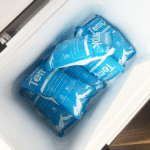
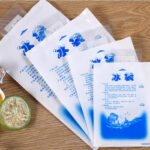
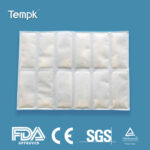
Imagine shipping vaccines, gourmet meal kits or delicate electronics across continents without worrying about spoilage or breakage. Ultra light expanded polypropylene (EPP) boxes make this possible. An ultralight EPP box uses a network of closedcell polypropylene foam that traps air and reduces heat transfer, allowing it to keep vaccines between 2–8 °C or frozen goods at –18 °C for 72–96 hours. These boxes weigh roughly 50 % less than traditional expanded polystyrene (EPS) coolers and can be reused over 500 cycles, offering both cost savings and sustainability. Updated December 2025, this guide explains what an ultralight EPP box is, how it differs from other materials, why it’s transforming coldchain logistics and how you can benefit.
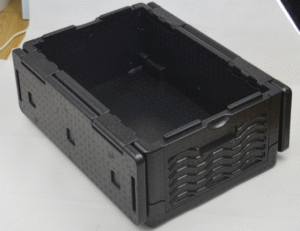
What makes an ultralight EPP box different? Understand the science behind EPP’s superior insulation and how it outperforms EPS.
How lightweight are these boxes? Learn typical weights and dimensions and why they’re easier to handle.
Where are ultralight EPP boxes used? Explore applications across food, pharmaceuticals, electronics and automotive sectors.
What are the latest 2025 trends? Discover how IoT sensors, foldable designs and sustainability policies are shaping the market.
How do I select and care for an EPP box? Get practical tips on sizing, preconditioning and maintenance.
What is an UltraLight EPP Box and Why Is It Different?
Definition and material science
An ultralight EPP box is a thermally insulated container made from expanded polypropylene foam. EPP is created by expanding polypropylene beads with steam and molding them into a rigid closedcell structure. Compared with EPS, EPP blocks heat about 30 % more effectively and weighs roughly 50 % less. Its structural integrity persists across temperatures from −40 °C to +110 °C. This wide range allows the same box to ship frozen vaccines, chilled meal kits or warm prepared foods without deformation. EPP density ranges from 15 kg/m³ to 100 kg/m³, enabling manufacturers to balance weight and strength. Highdensity grades deliver maximal impact resistance, while lowdensity grades prioritise lightness.
Why ultralightness matters
Ultralight EPP boxes typically weigh 1–2 kg (2.2–4.4 lbs) for medium volumes. For instance, a 60litre EPP box from an automotive logistics supplier weighs about 2.1 kg. Many foldable EPP coolers weigh less than 2 kg, making them easy for couriers or healthcare workers to carry. The reduction in weight doesn’t compromise protection because EPP’s closedcell architecture absorbs impacts and springs back after compression. In contrast, EPS coolers crack after one or two trips. Lighter carriers reduce fatigue and back strain for delivery personnel and allow more units to be stacked or transported per vehicle, cutting freight emissions.
Thermal performance and moisture resistance
EPP foam’s low thermal conductivity provides better insulation than EPS and can keep contents cold for up to 72 hours. The closed cells trap air and resist moisture penetration, absorbing less than 0.3 % of their weight in water. This prevents condensation from degrading insulation. Thick walls (often 1.0–1.5 inches) slow heat transfer further, and when combined with vacuum insulated panels or phasechange inserts, hold times extend to 96 hours. EPP remains stable in cold storage at −40 °C and in hot environments up to 110 °C, enabling hot food transport as well as freezing applications.
Durability and recyclability
The foam’s elasticity means it springs back after impact, protecting goods from shocks. EPP boxes survive hundreds of uses; tests show they maintain structural integrity after multiple drops. By contrast, EPS coolers usually crack or crumble after a single trip. EPP is also 100 % recyclable and inert, containing no toxic adhesives or blowing agents. A lifecycle assessment of EPP catering boxes found that using an EPP box reduces overall environmental impacts by 37 % compared with conventional packaging. When recycling and renewable energy are incorporated, impacts drop by another 29 %. Manufacturers are implementing takeback programs that grind and refoam used boxes into new products.
How UltraLight EPP Boxes Compare to Other Materials
EPP vs. EPS: a quick comparison
| Feature | Expanded Polypropylene (EPP) | Expanded Polystyrene (EPS) | What this means for you |
| Temperature hold time | 72–96 h with inserts | 24–48 h | EPP offers longer routes and fewer gel packs |
| Reusability | 500+ cycles | Single use | Lower replacement costs and waste |
| Weight | 50 % lighter than EPS | Heavier | Less strain for handlers; reduced freight costs |
| Impact absorption | Springs back after impact | Cracks easily | Better product protection |
| Recyclability | 100 % recyclable | Difficult to recycle | Supports sustainability programs |
| Moisture resistance | Absorbs <0.3 % water | Moderate absorption | Keeps insulation dry and odourfree |
EPP vs. other foams
While polyurethane (PU) foam offers excellent insulation, it is heavier, often contains CFCs and is difficult to recycle. EPP’s closedcell polypropylene uses no chlorofluorocarbons and is chemically inert, resisting oils, solvents and UV radiation. EPE (expanded polyethylene) is lighter but less stiff, making it unsuitable for heavy loads. Vacuum insulated panels (VIP) provide superior insulation but are costly and fragile; many manufacturers now combine VIP with EPP shells to balance weight, cost and performance.
Where UltraLight EPP Boxes Excel
Food and catering
Meal kit services and grocery delivery rely on EPP boxes to maintain freshness during lastmile logistics. The boxes’ light weight reduces courier fatigue and allows efficient stacking. EPP’s impact resistance protects delicate produce and seafood, which is crucial as plantbased foods are projected to reach a market value of USD 162 billion by 2030. A typical small EPP box (10–30 litres) has 1inch walls and may include internal dividers to separate meal components. Foldable designs collapse to a fraction of their height, cutting return shipping costs and supporting closedloop systems.
Pharmaceuticals and healthcare
Vaccines and biologics require strict temperature control. Modern EPP containers maintain 2–8 °C or ultracold conditions for 72–96 hours. Many suppliers validate their EPP containers against WHO and FDA guidelines and integrate IoT sensors for realtime monitoring. The closed cells resist contamination and can be sterilised with approved sanitisers. Lightweight cases facilitate safe handling by healthcare workers and support largescale immunisation campaigns.
Electronics and industrial logistics
Highdensity EPP transport boxes are increasingly used for printed circuit boards (PCBs) and precision components because they combine isothermal properties with secure stacking and customisable dividers. Custom imprints, barcodes and label holders can be molded into the walls to simplify inventory tracking. The boxes are compatible with robotic handling systems, making them ideal for automated warehouses. For particularly sensitive electronics, EPP inserts can be placed within rigid plastic crates, providing both cushioning and thermal protection.
Automotive and broader industries
The automotive sector has embraced EPP for interior components such as bumpers, headrests and seat cores. According to Future Market Insights, the global EPP foam market is estimated at USD 2.2 billion in 2025 and is projected to reach USD 5.1 billion by 2035. Highdensity EPP dominates because of its superior impact resistance and thermal insulation. Automakers like Stellantis and Hyundai report using EPP in dashboards and seating to reduce vehicle mass and enhance safety. This automotive innovation spills over into packaging: manufacturers repurpose production scraps into lightweight EPP shipping containers, further promoting circularity.
Selecting the Right UltraLight EPP Box
Evaluate size and density
Choosing the proper EPP box depends on payload size, transit duration and temperature requirements. For shipments under 48 hours, a mediumdensity EPP box with 1inch walls may suffice. For longer routes or extreme heat, opt for thick walls 1.5 inches or more and pair with vacuum panels or phasechange materials. When shipping small parcels like meal kits or lab samples, a 10–30 litre box offers enough capacity without excess bulk. For highvalue electronics or PCBs, select models with integrated rails and dividers to secure items.
Consider foldable and modular designs
Foldable EPP boxes compress to onethird of their assembled volume, reducing reverselogistics costs. Many models include removable inserts or modular compartments, enabling one container to handle meals, vaccines or consumer goods with minimal reconfiguration. Product pages highlight that EPP cooler bins have better tenacity than EPS, are foodgrade and environmentally friendly. They can be customized with accessories like eutectic plates, temperature monitors, or brand embossing. Customers even request smaller, colourful EPP boxes to package luxury items such as watches because of their highend appearance.
Check for certification and IoT compatibility
For pharmaceutical shipments, ensure the EPP box meets Good Distribution Practice (GDP) and WHO guidelines. Many modern containers include Bluetooth or RFID sensors that transmit temperature and location data. Look for models with sensor slots or integrated dashboards so you can monitor shipments in real time. Regulatory frameworks like the EU Ecodesign for Sustainable Products Regulation are pushing suppliers to provide documentation on recyclability and energy use.
Internal Link Suggestions
To learn more about coldchain best practices and complementary products, consider reading:
Cold Chain Management in Pharmacy: 2025 Guide & Best Practices
Dry Ice Packs: Usage, Safety & 2025 Best Practices
Insulated Pallet Covers for Temperature Control
These related articles deepen your understanding of coldchain logistics, refrigerant choices and packaging optimisation.
Practical Tips: Packing, Loading and Maintenance
Packing and preconditioning
Prechill the box and refrigerants: Place the empty EPP box and gel packs in a cold room or freezer for several hours to reduce thermal load. Preconditioning ensures that energy is spent cooling the payload, not the container walls.
Strategic loading: Arrange phasechange packs at the bottom and sides, then add your products. Fill voids with insulation or cardboard to minimise air pockets.
Seal tightly: Ensure the lid is flush and any gasket is seated properly. Latches or straps prevent accidental opening during transit.
Helpful decision tools
Check the details before you choose packaging
These quick tools can help you compare route risk, sizing needs, coolant choices, and packaging details before you request a quote.
Insulation Material Drop Resistance
Review drop resistance and handling factors before choosing insulation materials.
Check resistanceBox Liner & Pallet Cover Sizing
Check box liner and pallet cover sizing logic for insulated packaging projects.
Estimate sizingCompliance Checklist Generator
Build a practical checklist for packaging review, shipping, and documentation.
Build checklistCleaning and decontamination
Wash with warm, soapy water after each trip and allow the box to air dry. Avoid abrasive brushes that could damage the foam.
Inspect regularly: Check seals, hinges and latches for wear and replace them if necessary.
Use approved sanitisers for pharmaceutical applications. EPP resists chemicals and can be sanitised without deformation.
Track performance: Integrate sensors and document each trip, including preconditioning steps and temperature data.
Handling and storage
Stack safely: Leverage the molded edges or stacking borders of transport EPP boxes to ensure stable stacks. Add covers when necessary to protect contents during transit.
Use dividers: For electronics or multiproduct shipments, insert longitudinal and transversal dividers or Duraflex separators to prevent movement and collisions.
Collapse when empty: Foldable EPP boxes can be collapsed to save up to 60 % of space during return logistics.
Trends and Innovations Shaping EPP Boxes in 2025
Rapid market growth
The coldchain packaging industry is set to grow from USD 34.28 billion in 2024 to USD 89.84 billion by 2034 (CAGR 11.3 %). Reusable packaging, including EPP containers, will expand from USD 4.97 billion in 2025 to USD 9.13 billion by 2034. Within the EPP foam market, Future Market Insights projects a jump from USD 2.2 billion in 2025 to USD 5.1 billion by 2035, representing 8.6 % annual growth. Highdensity grades are expected to grow fastest due to demand for automotive, industrial and building insulation applications.
Consumption patterns and automation
Consumers continue to crave fresh, locally sourced foods. Meal kit and grocery deliveries rely on EPP boxes that are lightweight, foldable and durable, allowing microfulfilment centres and automated picking systems to operate efficiently. Automation is also boosting the adoption of EPP dunnage in factories: transport boxes for PCBs include internal rails and are compatible with robotic handling. AIdriven route optimisation and predictive analytics are improving delivery efficiency, while IoT sensors in EPP containers provide realtime temperature and location tracking. Blockchain is being explored to offer immutable records of product journeys.
Sustainability mandates and circular economy
Regulatory frameworks like the EU Ecodesign for Sustainable Products Regulation are pressuring companies to adopt circular materials and increase energy efficiency. EPP’s recyclability and durability align perfectly with these mandates. Manufacturers are launching takeback programs to collect and recycle endoflife boxes. A lifecycle assessment found that EPP catering boxes cut environmental impacts by 37 % compared with common boxes and could achieve an additional 29 % reduction with renewable energy and full recycling.
Innovations: IoT, hybrid insulation and foldable designs
IoTenabled containers: EPP boxes with embedded sensors transmit temperature, humidity and location data in real time. Alerts notify operators before spoilage occurs, supporting compliance in pharmaceutical and food sectors.
Hybrid insulation systems: Manufacturers are combining EPP with vacuum insulated panels (VIP) or phasechange materials (PCM) to extend hold times beyond 96 hours. This synergy maintains ultracold temperatures without adding excessive weight.
Foldable and modular designs: New EPP boxes collapse flat and feature modular inserts that adapt to different payloads. Some models integrate biodegradable components or biobased polypropylene to further reduce environmental impact.
Predictive logistics software: AI tools integrate weather, traffic and capacity data to optimise routes and minimise fuel consumption.
Frequently Asked Questions
Q1: How long can an ultralight EPP box maintain temperature?
A properly packed EPP box keeps contents within 2–8 °C or –18 °C for 72 hours, extending to 96 hours with vacuum insulated panels and phasechange materials. This performance exceeds that of typical EPS coolers by about 30 %.
Q2: Are ultralight EPP boxes environmentally friendly?
Yes. EPP is 100 % recyclable and can be reused over 500 times. Lifecycle assessments show a 37 % reduction in overall environmental impacts compared with conventional packaging, with additional benefits when recycling is implemented.
Q3: Do EPP boxes absorb water or odours?
No. The closedcell structure absorbs less than 0.3 % water and resists mould, bacteria and odour retention. Boxes can be sanitised in industrial washers without deforming.
Q4: Can EPP boxes handle both hot and cold products?
Yes. EPP maintains structural integrity from –40 °C to +110 °C. This makes it suitable for frozen vaccines, hot meal deliveries and everything in between.
Q5: How do foldable EPP boxes work?
Foldable EPP boxes collapse to a smaller footprint and are secured with locking mechanisms. When reassembled, they provide the same insulation as rigid boxes. This feature saves space during return logistics and reduces transport costs.
Q6: How do I clean an ultralight EPP box?
Rinse with warm, soapy water after each use and let it air dry. Avoid abrasive tools. For pharmaceutical shipments, disinfect with approved sanitisers.
Summary and Recommendations
Ultralight EPP boxes have become indispensable in modern coldchain logistics and beyond. They maintain temperatures for 72–96 hours, weigh roughly half as much as EPS and can be reused more than 500 times. The foam’s closedcell structure delivers exceptional impact absorption and resists moisture and chemicals, while being 100 % recyclable. Market forecasts indicate rapid growth in EPP foam applications, reaching USD 5.1 billion by 2035. To maximise benefits, select boxes with appropriate wall thickness, density and modular features; precondition before loading; integrate IoT sensors; and participate in manufacturer takeback programs. By switching to ultralight EPP containers, your organisation can reduce waste, lower shipping costs and improve product quality.
Action Plan
Assess current packaging waste: Quantify how many singleuse EPS boxes you discard each month. Estimate cost savings and environmental impact reductions from switching to reusable EPP containers.
Start a pilot project: Trial ultralight EPP boxes on a single route or product line. Monitor temperature data, handling feedback and return logistics.
Invest in IoT integration: Equip containers with Bluetooth or RFID sensors to track temperature and location in real time. Use data analytics to optimise routes and inventory.
Train your team: Educate staff on preconditioning, loading and cleaning procedures. Provide ergonomic guidelines to reduce injuries when handling bigger boxes.
Join sustainability programmes: Partner with suppliers offering circular recycling schemes. Align with industry initiatives such as the –15 °C Coalition to promote standards and share best practices.
About Tempk
Tempk is an innovator in coldchain packaging solutions with over a decade of experience. Our engineering teams develop expanded polypropylene (EPP) boxes, gel packs and insulated pallet covers that maintain cold temperatures for up to 96 hours. Our foldable EPP containers are lightweight, impactresistant and fully recyclable. With production facilities across Asia and North America, we support customers worldwide in pharmaceuticals, food delivery and industrial logistics. We are dedicated to sustainability through takeback programmes and the use of recycled polymers.
Ready to modernise your cold chain? Contact Tempk for a personalised assessment. Our experts will help you select the right ultralight EPP box and integrate it with sensors and modular inserts to meet your temperature, cost and sustainability targets. Together, we can build a more efficient and environmentally friendly logistics network.