As an artisan chocolatier or an ecommerce seller, you know that cold chain white chocolate shipping cost isn’t just about postage. It’s a careful balance of temperature control, insulation choices and transit time. White chocolate starts to melt at just 82–84 °F (28–29 °C), making it more fragile than dark or milk varieties. Keeping shipments within 12–20 °C and humidity below 50 % prevents fat and sugar bloom, but packaging and cooling methods can dramatically affect cost and customer experience. Updated in December 2025, this guide explains how you can deliver creamy white chocolate delights without breaking your budget.
This article will answer:
What temperatures and humidity levels are safe for white chocolate during transit?
Which packaging materials offer the best balance of insulation performance, sustainability and cost?
How do seasonality and shipping method influence cost?
What modern technologies and trends are shaping cold chain logistics in 2025?
How can you reduce shipping cost while maintaining product quality?
Safe Temperature and Humidity: Why White Chocolate Needs Special Care
Direct answer
White chocolate must travel within 12–20 °C (54–68 °F) and relative humidity under 50 % to avoid melt or bloom. Dark chocolate tolerates cooler temperatures (14–20 °C), but milk and white chocolate soften quickly because they contain more cocoa butter. Exceeding 86 °F (30 °C) for even a short period causes fat bloom, while humidity encourages sugar crystals to form on the surface. Maintaining this narrow climate band is the first step to controlling cost because it determines insulation requirements and shipping speed.
Expanded explanation
From your perspective as a seller, white chocolate behaves like ice cream without a freezer. The fat content in cocoa butter begins melting at body temperature, so if your package sits in a hot warehouse or delivery van, it may soften before it arrives. Humidity adds another enemy—sugar bloom—when moisture dissolves sugars and leaves behind unsightly crystals. To maintain quality, experts recommend shipping white chocolate in a controlled microenvironment of 12–20 °C with humidity below 50 %. Precool chocolates and packaging to about 18 °C for at least 24 hours to minimize condensation. Including desiccant packs or moistureabsorbing papers inside foillined boxes adds extra moisture protection. By stabilizing the environment, you reduce the need for excessive coolant, which lowers overall shipping cost.
Melting thresholds by chocolate type
| Chocolate type | Safe temperature (°C) | Safe temperature (°F) | Practical meaning |
| Dark chocolate | 14–20 | 57–68 | Can travel at the lower end of the safe range; slight bitter notes mask minor bloom defects. |
| Milk chocolate | 14–18 | 57–64 | Softens around 84–88 °F; requires moderate cooling but is more forgiving than white chocolate. |
| White chocolate | 12–18 | 54–64 | Begins melting at 82–84 °F; demands tight temperature control and rapid delivery. |
Practical tips
Monitor ambient conditions: Use realtime sensors to track temperature and humidity inside packages. IoT devices now offer affordable monitoring and send alerts if conditions drift.
Stagger cooling agents: Place gel packs or phasechange materials (PCM) around the product but not directly against the chocolate to avoid condensation.
Use moisture barriers: Line boxes with foil and include desiccant sachets to absorb moisture.
Case study: A boutique chocolatier implemented precooling at 18 °C and added moistureabsorbing paper inside foil boxes. Summer bloom complaints dropped dramatically, despite a slight increase in packaging cost.
Choosing the Right Packaging: Balancing Insulation, Sustainability and Cost
Direct answer
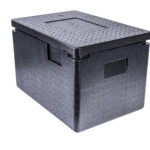
Selecting insulation materials and containers is a major cost driver in cold chain shipping. EPS foam coolers offer the best insulation but can be expensive and less sustainable; cotton fibre or recycled paper liners provide moderate insulation and lower environmental impact; starchbased foams offer biodegradability but at a higher material cost. For highvalue shipments or long distances, active containers with builtin refrigeration deliver precise control but substantially increase cost.
Expanded explanation
Think of insulation as a thermal blanket. It slows heat transfer from the environment into your chocolates, affecting how many gel packs or PCMs you need. EPS foam coolers are popular for longhaul shipping because they provide excellent insulation and structural integrity. They’re lightweight and durable but not ecofriendly. Cotton fibre or recycled paper liners strike a balance between insulation and sustainability. Starchbased foams and biodegradable materials reduce environmental impact and appeal to ecoconscious consumers. When your shipments extend beyond 72 hours or require extreme temperature stability, active containers with powered refrigeration become necessary. Hybrid systems that combine insulated liners with PCMs or gel packs often provide a costeffective alternative, supporting durations of 48–96 hours while minimizing excess weight.
Multilayer packaging approach
| Packaging layer | Description | Purpose | How it helps you |
| Outer corrugated box | Cardboard carton sized to minimize empty space | Provides structural protection and reduces convective heat transfer | A tighter fit lowers air circulation and cooling requirements. |
| Insulated liner | EPS foam, cotton fibre, recycled paper or biodegradable inserts | Slows heat exchange and supports gel packs or PCMs | Choosing the right liner affects cost, sustainability and duration. |
| Cooling agents | Gel packs, dry ice or PCMs set to 15–20 °C | Absorb heat during transit | PCMs offer longer duration but higher upfront cost. |
| Moisture barriers | Foil, plastic film and desiccant packs | Prevent humidity and condensation | Preserves appearance and texture by blocking moisture. |
| Primary packaging | Foillined boxes or tins | Direct contact with chocolate | Precooling and moisture resistance maintain product quality. |
Practical tips and suggestions
Match insulation to route: For hot climates, use thicker liners; in mild conditions, thinner liners reduce weight and cost.
Select PCMs by temperature: Standard gel packs stay near 0 °C; PCMs set to 18 °C are ideal for chocolates and offer extended stability.
Seasonal adjustments: Increase coolant in summer and improve insulation in winter when ambient temperatures vary widely.
Realworld example: During a heat wave, a chocolatier switched from styrofoam to cotton fibre liners combined with PCMs and added realtime temperature sensors. Shipping remained 60–70 °F despite outside temperatures above 90 °F, reducing customer complaints.
Shipping Methods and Seasonal Strategies: Optimizing Transit Time and Cost
Direct answer
Transit duration and shipping method dramatically affect cost: overnight and twoday services protect quality but are expensive, while ground or multiday shipping requires more insulation and coolant. According to packaging experts, transit times longer than three days increase the risk of melt and bloom, so overnight or twoday shipping is recommended. However, thicker insulated liners and extra gel packs can allow 2–3day shipping without refrigerated trucks. Carriers like UPS and FedEx offer calculators and consultations to help balance packaging cost and shipping cost.
Expanded explanation
Shipping white chocolate is a race against time. Winter shipments benefit from naturally cooler ambient temperatures; a thinner liner and one or two gel packs may suffice and cost less. In spring or autumn, moderate temperatures require 2–3 gel packs or PCMs to handle fluctuations. Summer shipping in hot climates demands heavy insulation, three to four gel packs or PCMs and sometimes dry ice for extreme heat. Overnight or twoday shipping is recommended but can be costprohibitive; using thicker liners and PCMs allows slower shipping while keeping chocolate below 20 °C. When scheduling shipments, send packages early in the week (Monday to Wednesday) to avoid weekend delays. Avoid P.O. boxes and ensure someone can receive the delivery immediately to prevent packages from sitting in heat.
Shipping cost considerations
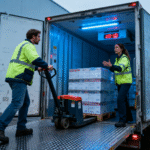
Shipping rates vary by order value and speed. See’s Candies’ 2025 shipping table shows that standard shipping costs $9.95 for orders under $40 and is free for orders over $80, while overnight shipping ranges from $21.95 to $36.95 per shipment depending on order value. Expedited twoday services cost $18.95–$30.95 for most orders. These rates illustrate the cost escalation when faster delivery is chosen. Nextday or twoday shipping can quickly become expensive, so balancing packaging cost and shipping speed is essential. Carriers and shipping APIs can identify affordable options and help you compare rates across services. During promotions, free standard shipping thresholds incentivize larger orders, effectively spreading shipping cost across more product value.
Practical tips and suggestions
Ship early in the week: Send packages Monday–Wednesday to minimize weekend holding.
Use carrier calculators: Consult with carriers to plan routes and costs; many offer shipping cost calculators and personal consultations.
Adjust packout by season: Use thinner liners and fewer gel packs in winter, moderate packaging in spring/autumn and heavier solutions plus dry ice in summer.
Invest in thermal testing: Lab and field thermal testing helps determine the right combination of insulation and coolant to minimize materials without compromising quality.
Helpful decision tools
Check the details before you choose packaging
These quick tools can help you compare route risk, sizing needs, coolant choices, and packaging details before you request a quote.
Insulation Material Reference
Compare insulation material choices for different cold chain packaging needs.
Compare materialsDry Ice Calculator
Estimate dry ice needs for frozen or ultra-cold shipments before packing.
Estimate dry iceCoolant & PCM Reference
Compare coolant and PCM options when a route needs added temperature support.
Compare optionsCase study: A specialty confectioner previously relied on overnight shipping. By switching to 2–3day shipping combined with thick recyclable liners and PCMs, they cut shipping costs by 20 % without increasing melt rates. Thermal testing revealed that placing gel packs on top and using moisture barriers reduced condensation and kept chocolates within the safe range.
Cost Factors: Packaging, Cooling and Raw Materials
Direct answer
Cold chain shipping cost is influenced by packaging materials, coolant type, shipping speed, order size and rising raw material prices. EPS coolers and highend PCMs offer superior performance but raise pershipment cost. Cotton fibre or recycled paper liners are cheaper but may require more coolant. Dry ice provides extreme cooling but is unsuitable for long transit or air shipments and adds hazardousmaterial surcharges. In 2025, global cocoa prices remain structurally high at around $6,000 per tonne despite recent declines, prompting chocolate manufacturers to raise product prices and affecting shipping budgets. Consumers may pay 10–20 % more for the same chocolate products than in 2024 because of higher commodity costs and tariffs.
Expanded explanation
Your shipping budget doesn’t exist in a vacuum—it’s tied to commodity markets and consumer expectations. In late 2024, cocoa prices reached historic highs above $12,000 per tonne; although they fell to below $8,000 by mid2025, analysts expect prices to remain structurally elevated around $6,000 per tonne for the medium term. High cocoa costs limit manufacturers’ ability to absorb shipping expenses, so they pass increases to customers. At the same time, consumers accustomed to free shipping pressure brands to keep shipping charges low. This creates a tugofwar between maintaining quality and controlling cost. Packaging choices also matter: while EPS coolers and PCMs are reusable, their higher upfront cost may be justified for highvalue shipments or subscription services. Cottonfibre liners or recycled paper liners reduce environmental impact and cost but may require additional gel packs to maintain temperature. Gel packs are inexpensive and reusable, whereas PCMs offer longer duration at a higher price but reduce the number of packs needed. Dry ice is extremely cold and may overcool chocolates, causing texture issues; use it only for extreme heat and ground transport. Ordering packaging materials in bulk and reusing components reduces unit cost over time. Additionally, shipping larger orders can trigger free shipping thresholds—See’s Candies offers free standard shipping for orders above $80—spreading shipping cost across more products.
Practical costsaving tips
Consolidate orders: Encourage customers to order more at once to meet free shipping thresholds.
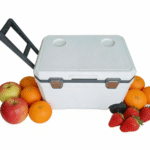
Use reusable packaging: Invest in durable EPS coolers or PCMs that can be returned or reused across shipments to amortize cost.
Optimize package size: Reduce empty space to minimize dimensional weight and packaging materials.
Monitor commodity markets: Adjust pricing and promotional strategies based on cocoa price trends. With prices forecast to stay around $6,000/tonne, locking in supply contracts can stabilize costs.
Example: By offering subscription boxes with multiple bars and truffles per shipment, a chocolate brand increased the average order value above $80, qualifying most orders for free standard shipping and allowing investment in better insulation without eroding margins.
Technology and Trends in Cold Chain Logistics 2025
Direct answer
Modern cold chain logistics leverage IoT sensors, AIdriven analytics, automation and sustainability innovations to improve efficiency and reduce cost. In 2025, the industry is seeing rapid adoption of realtime temperature monitoring, predictive route optimization, robotic warehouse automation and ecofriendly materials. These technologies help maintain quality while lowering energy consumption and labor costs.
Expanded explanation
The cold chain is evolving into a smart, connected network. IoT sensors provide continuous data on temperature, humidity and location, allowing immediate action when deviations occur. Predictive analytics and AI optimize routes, forecast demand and schedule maintenance for refrigeration equipment. Automated warehouses and robotic conveyors reduce human error and speed up operations, lowering labor costs and improving accuracy. Regulatory pressures are driving traceability and documentation, requiring detailed temperature records to comply with FDA and EU guidelines. Sustainability initiatives promote environmentally friendly refrigerants, solarpowered refrigeration units and packaging made from recycled or biodegradable materials. As urban populations grow and online food ordering surges, demand for refrigerated trucks, containers and cold storage facilities is rising. This creates opportunities for efficient distribution networks but also strains capacity, potentially increasing freight costs.
Latest developments at a glance
IoTenabled cold chain: Realtime sensors and GPS trackers provide continuous visibility, enabling route adjustments and reducing spoilage.
AIdriven analytics: Predictive models optimize inventory and routing, anticipating maintenance needs and reducing energy consumption.
Sustainable packaging: Companies are adopting ecofriendly insulation materials and solarpowered refrigerated vehicles to reduce carbon footprint.
Market insights
The white chocolate market is expanding despite cost pressures. It was valued at USD 17.9 billion in 2024 and is projected to grow to USD 18.7 billion in 2025 and USD 28.6 billion by 2033, representing a compound annual growth rate (CAGR) of 5.4 %. North America holds the largest revenue share (37.8 %), but AsiaPacific is the fastestgrowing region. Consumers are drawn to premium and nostalgic flavours, leading to seasonal innovations such as Lindt’s limitededition carrotcake truffles in early 2025 and the return of Maltesers White Chocolate. These trends underscore the continued demand for white chocolate and the need for efficient cold chain logistics to meet global distribution.
Frequently Asked Questions
Q1: What is the ideal temperature and humidity to ship white chocolate?
Maintaining 12–20 °C (54–68 °F) and humidity below 50 % is critical to prevent melting and blooming. Precooling chocolates and using desiccant packs help stabilize the microclimate.
Q2: Which cooling agent is best for white chocolate shipments?
Gel packs are widely used due to ease of handling and reusability. For extended durations, phasechange materials (PCMs) set to 18 °C provide stable conditions but cost more. Dry ice should only be used for extremely hot climates and ground shipments because it can overcool chocolates.
Q3: How long can white chocolate stay in transit?
Chocolates generally don’t hold up beyond three days in transit. Overnight or twoday shipping is recommended. If you must use 2–3day shipping, select thicker insulated liners and additional gel packs to maintain temperature.
Q4: Why are shipping costs increasing in 2025?
Higher commodity prices and tariffs have raised chocolate production costs. Cocoa prices remain elevated, and manufacturers pass those costs on to consumers. At the same time, freeshipping expectations pressure sellers to absorb some of these costs.
Summary and Recommendations
White chocolate is a delicate treat that demands careful temperature and humidity control during shipping. Keep shipments between 12–20 °C and relative humidity under 50 % to avoid melt and bloom. Select packaging materials based on route and product value: EPS foam coolers provide the best insulation but are less ecofriendly and more expensive; cotton fibre and recycled paper liners offer moderate insulation and sustainability. Use gel packs or PCMs to absorb heat, and adjust the number of cooling agents according to season and transit duration. Plan shipments early in the week and consult carriers to optimize route and cost. Stay informed about cocoa price trends and consider subscription or bulk strategies to spread shipping costs. Invest in IoT and AI technologies to monitor conditions and improve efficiency. By applying these strategies, you can deliver creamy white chocolate products that delight customers and protect your bottom line.
Action Plan
Assess your chocolate products: Identify melting points and susceptibility to humidity.
Choose appropriate packaging: Select insulation and cooling agents based on transit time, season and sustainability goals.
Optimize shipping schedules: Ship early in the week, avoid long transits and use carrier calculators to compare rates.
Monitor and adapt: Install realtime sensors, analyze data, and adjust packaging or routes as needed.
Communicate with customers: Provide clear delivery times and encourage them to be available upon arrival, reducing risk of exposure.
About Tempk
Tempk is a leading provider of cold chain packaging solutions. We specialize in insulated boxes, gel packs, phasechange materials and smart monitoring tools that keep temperaturesensitive goods safe during transit. Our research and development team continually innovates ecofriendly materials and IoTenabled systems to meet evolving regulatory and sustainability requirements. With a focus on reusable and recyclable packaging, Tempk helps businesses reduce environmental impact while maintaining product quality. Contact us for expert guidance on costeffective cold chain solutions.
Call to action: Explore Tempk’s customizable packaging kits and consult our experts to design a shipping strategy tailored to your white chocolate business. Reach out today to start optimizing your cold chain.