Updated: December 8, 2025
Temperaturecontrolled express delivery is no longer a nicetohave — it’s a necessity when your cargo includes fresh produce, vaccines or biologics. In 2025 the global cold chain logistics market is projected to grow from USD 324.85 billion in 2024 to USD 862.33 billion by 2032, and analysts forecast the temperaturecontrolled packaging market for pharmaceuticals alone to rise from about USD 6.36 billion in 2025 to USD 11.50 billion by 2034. Within the first few sentences you’ll notice that this article repeatedly uses temperaturecontrolled express delivery — that’s because we want you to remember the term and understand why it matters. If you rely on perishable or temperaturesensitive goods, this guide will show how you can move them quickly, safely and compliantly.
This article will answer:
What is temperature controlled express delivery and why does it matter? Gain a clear definition and learn how even a twohour temperature deviation can spoil an entire shipment.
How does a cold chain work? Understand the roles of packaging, refrigerated transport, sensors and traceability, and see how reusable packaging represented 65 % of the market in 2024.
Which challenges threaten temperaturecontrolled express delivery? Explore the common pain points — from aging infrastructure to regulatory complexity — and discover practical solutions like IoT sensors and AIdriven route optimisation.
What technologies and trends are shaping 2025? Learn about blockchain traceability, solarpowered refrigeration, portable cryogenic freezers and sustainable packaging.
How can you make smarter decisions? Receive tips on choosing packaging, training staff and planning routes, and see a realworld case study that shows how predictive analytics reduced spoilage.
Why is temperaturecontrolled express delivery essential?
Perishables and pharmaceuticals are unforgiving. A simple twohour temperature excursion during transit can spoil a shipment worth USD 500 000 or more. Temperaturecontrolled express delivery keeps goods within strict thermal ranges, often between 2 °C and 8 °C, to preserve potency and prevent waste. Realtime monitoring means you or your logistics partner will receive immediate alerts if conditions drift, allowing for corrective action. And because regulatory bodies such as the U.S. FDA and the EU’s Good Distribution Practice mandate traceability, a temperaturecontrolled logistics system isn’t optional — it’s required.
Freshness, safety and compliance translate into business value. When you use temperaturecontrolled express delivery, you protect product integrity, reduce spoilage and avoid costly recalls. In 2022, more than USD 2.7 trillion worth of temperaturecontrolled goods were shipped by truck in the United States, representing 90 % of all temperaturecontrolled shipments. Demand is growing because globalization and urbanization have increased the need for fresh, highquality food options and advanced medical treatments. By investing in robust cold chain solutions you stay ahead of these trends and build consumer trust.
How does temperaturecontrolled express delivery work?
To picture a temperaturecontrolled express delivery, imagine sending vaccines from a factory in Europe to a clinic in rural Africa. You would package the vials in a vacuuminsulated container with phasechange materials and add IoT sensors that track temperature, humidity and location. Those sensors send data in real time so operators can reroute shipments if a truck gets stuck in traffic or a freezer unit fails. Every handoff is logged via blockchain or serialized documentation to satisfy regulations. Finally, refrigerated trucks and aircraft maintain the desired range until the shipment reaches its destination. This combination of packaging, monitoring and transport forms the backbone of temperaturecontrolled express delivery.
| Component | Role | Key data | What it means for you |
| Insulated packaging | Keeps products within target ranges using vacuum panels or thermal blankets | Reusable packaging accounted for ~65 % of the coldchain packaging market in 2024 | Reduces waste and delivers longer protection for fresh or medical goods |
| Refrigerated transport | Trucks, containers and aircraft fitted with refrigeration units | The cold chain logistics market is forecast to reach USD 862.33 billion by 2032 | Provides the network needed to move goods quickly and safely across borders |
| Temperature monitors & IoT sensors | Capture realtime data on temperature, humidity and location | Hardware held over 76 % of the coldchain tracking market in 2022 | Allows proactive interventions and verifiable compliance |
| Traceability & documentation | Blockchain and serialization record each handoff | Regulations like FDA’s DSCSA and EU GDP require digital records | Builds consumer confidence, deters counterfeiting and simplifies audits |
Practical tips and advice
For vaccine shipments: Choose containers validated for 48–120 hours of thermal protection and pair them with IoT sensors for realtime alerts. Keep backup ice packs and power sources in case of delays.
For biologics and cell therapies: Use ultracold packaging capable of maintaining temperatures down to –80 °C and ensure carriers have dry ice handling expertise. Even minor excursions can compromise these products.
For clinics and small businesses: Partner with logistics providers that offer turnkey solutions — packaging, monitoring and documentation — so you can focus on patient care or customer service.
Realworld example: A global pharmaceutical company struggled with temperature excursions during international shipments. After adopting vacuuminsulated containers, AIpowered temperature monitoring and predictive analytics, the firm reduced spoilage, improved compliance and boosted customer satisfaction.
What challenges threaten temperaturecontrolled express delivery?
Despite technological progress, temperaturecontrolled express delivery still faces obstacles. Understanding these pain points helps you plan ahead.
Realtime temperature control
Maintaining the right temperature throughout transit is the cold chain’s backbone. Even small deviations can spoil an entire shipment. Common failure points include crossdocking, loading/unloading and lastmile delivery. Without realtime monitoring and automated alerts, operators may discover problems only after the goods arrive. That’s why top performers deploy networks of IoT sensors across warehouses, trucks and vehicles. These sensors continuously monitor temperature, humidity and handling conditions. When a deviation occurs—even for a few minutes—alerts prompt operations teams to reroute shipments or adjust refrigeration.
Endtoend visibility & traceability gaps
Many warehouses still rely on manual logs or disconnected systems, creating blind spots. Fragmented data prevents proactive action and compromises compliance. To overcome this, leading operators link warehouse management systems (WMS), transportation management systems (TMS), enterprise resource planning (ERP) software and IoT dashboards into a single platform. Endtoend visibility allows managers to track each pallet in real time, detect bottlenecks and respond before problems spiral. For instance, if a warehouse zone’s temperature begins to rise, inventory can be reallocated or airflow adjusted immediately.
Compliance complexity
Cold chain logistics must comply with a patchwork of rules. Pharmaceuticals and vaccines must follow FDA’s DSCSA, the EU’s Good Distribution Practice, WHO’s PQS guidelines and environmental regulations that phase out harmful refrigerants. Each jurisdiction may have different temperature ranges, serialization requirements and documentation standards. Failing to comply can lead to rejected shipments, fines and reputational damage. Investing in digital traceability tools and partnering with knowledgeable providers can help you navigate this complexity.
Packaging & thermal management
Even the best refrigerated trucks fail if packaging is inadequate. Uneven cooling in pallets, damaged insulation or improper stacking can lead to temperature variations inside a container. Solutions include using insulated containers, phasechange materials, optimized pallet layering and validated packaging for specific temperature ranges. Leading companies test packaging under worstcase conditions — high ambient heat, extended transit times or congested lastmile routes — to ensure consistent performance.
Transportation & infrastructure gaps
Cold chain logistics depend on reliable transport and infrastructure. Limited refrigerated trucks, aging storage facilities and unoptimized delivery routes increase the risk of temperature excursions. Power outages, multimodal transfers and delays can disrupt the chain. High operational and energy costs also strain budgets. Investing in modern facilities with backup power, optimizing routes with AI and expanding into modular or mobile cold storage can mitigate these risks.
Workforce errors and training gaps
Human mistakes — misreading temperature logs, improper handling or ignoring standard operating procedures — are major sources of spoilage. The best operators invest in scenariobased training, digital SOPs and certification programs. Gamified dashboards track performance and reward accuracy. By aligning human behaviour with system expectations, you reduce errors and strengthen the first line of defense.
Data management & system integration
Disconnected systems create silos. Without integrated data, managers cannot detect anomalies in real time. Advanced operators integrate WMS, TMS, ERP and IoT dashboards into one source of truth and leverage AI and predictive analytics to detect patterns, forecast highrisk shipments and optimize storage and transit. For example, if historical data shows certain SKUs are prone to excursions in a specific zone, the system can reroute them or trigger double verification during packing.
Environmental & external risks
Extreme weather, traffic delays and power outages can compromise cold chains. Climate change increases the frequency of heatwaves and hurricanes, making resilience critical. Contingency plans should cover vehicle breakdowns, natural disasters and regulatory inspections. Modular warehouses, distributed storage networks and redundant power sources help maintain operations when the unexpected happens.
Technology transforming temperaturecontrolled express delivery
Technological advancements are turning cold chain logistics from a reactive process into a proactive system. Below are some innovations driving temperaturecontrolled express delivery forward in 2025.
AIdriven route optimisation
Artificial intelligence is revolutionising how shipments are routed. AI algorithms analyse traffic patterns, weather conditions and delivery windows to propose optimal routes, reducing transit time, fuel consumption and the risk of temperature excursions. In regions with congested roads or narrow mountain passes, AI can reroute vehicles in real time to ensure ontime delivery of temperaturesensitive medicines. As ecommerce grows, AIoptimised lastmile delivery helps maintain service quality while containing costs.
Blockchain for enhanced traceability
Blockchain creates tamperproof records of each product’s journey. It ensures that data about temperature, location and handoffs cannot be altered. In pharmaceutical cold chains, blockchain enhances transparency and compliance by logging temperature readings and custody transfers. By sharing these immutable records with manufacturers, carriers and clinics, you can prove regulatory compliance and build consumer trust. This technology also helps trace products quickly during recalls or investigations.
IoTenabled monitoring
The Internet of Things connects sensors, trackers and cloud systems to provide continuous monitoring. IoT devices mounted on packages or pallets collect temperature, humidity and location data and transmit it in real time. This data allows operators to take immediate corrective actions, such as adjusting a truck’s refrigeration or rerouting a shipment. Some systems integrate AI to predict equipment failures or weather disruptions before they occur. The result is a proactive approach that minimizes spoilage and ensures quality.
Solarpowered refrigeration
In regions with unreliable electricity, solarpowered cold storage units are gaining traction. Solar installations reduce energy costs and provide sustainable solutions for rural communities. In 2024, commercial electricity users in the United States paid an average of 13.10 cents per kilowatthour, while solar costs between 3.2 and 15.5 cents per kWh. Using solar cold storage not only cuts costs but also helps maintain cold chain integrity in areas with frequent power outages.
Portable cryogenic freezers
For biologics and cell therapies requiring ultralow temperatures, portable cryogenic freezers maintain –80 °C to –150 °C even in challenging environments. They come with realtime temperature tracking and warning systems. These compact units allow pharmaceuticals to reach remote areas while preserving product integrity. As gene and cell therapies become more common — roughly 20 % of new drugs under development require such cold conditions — portable freezers are vital.
Sustainable packaging
Reducing plastic waste and emissions has become a priority. Companies are adopting recyclable insulated containers, biodegradable wraps and reusable cold packs. Sustainable packaging protects temperaturesensitive products while shrinking the environmental footprint. With governments promoting greener practices and consumers demanding ecofriendly solutions, sustainable packaging is becoming essential.
Electric and hybrid refrigeration units
Stricter emissions regulations are accelerating the adoption of electric and hybrid transport refrigeration units. According to Global Market Insights, the cold chain logistics equipment market is expected to grow from USD 94.3 billion in 2025 to USD 179.8 billion by 2034 at a CAGR of 7.4 %, and the market is rapidly embracing allelectric and hybrid units. Companies like Carrier Transicold and Thermo King have launched electric and hybrid refrigeration units that reduce fuel use and emissions. Coupled with telematics and AI, these units enable predictive maintenance and remote monitoring for better efficiency.
Case example: Southeast Asia’s cold chain innovations
Southeast Asia has become a hotbed of innovation. Startups and governments are deploying blockchain for endtoend traceability, solarpowered cold storage, IoT sensors and AI route optimisation. Portable cryogenic freezers and sustainable packaging are also emerging. These innovations show how technology can overcome geographic barriers and infrastructure limitations, ensuring safe delivery of vaccines and biologics to remote regions. They also reflect the region’s growing role as a leader in healthcare logistics.
Helpful decision tools
Check the details before you choose packaging
These quick tools can help you compare route risk, sizing needs, coolant choices, and packaging details before you request a quote.
Insulation Material Drop Resistance
Review drop resistance and handling factors before choosing insulation materials.
Check resistanceBox Liner & Pallet Cover Sizing
Check box liner and pallet cover sizing logic for insulated packaging projects.
Estimate sizingDry Ice Calculator
Estimate dry ice needs for frozen or ultra-cold shipments before packing.
Estimate dry ice2025 market trends and insights
Understanding where the market is heading helps you make informed investment decisions. Here are the key trends shaping temperaturecontrolled express delivery in 2025.
Market growth and drivers
The global cold chain logistics market, valued at USD 293.58 billion in 2023, is projected to grow from USD 324.85 billion in 2024 to USD 862.33 billion by 2032 at a CAGR of 13 %. Demand is driven by population growth, shifting consumer preferences towards fresh and organic foods, and increased pharmaceutical shipments. International trade and ecommerce have emerged as major drivers, with organised retail expansion underscoring the need for efficient cold chain logistics. In the pharmaceutical sector, revenue is expected to reach USD 1.454 trillion by 2029, highlighting the importance of reliable temperaturecontrolled logistics.
Regional dynamics
Asia Pacific is the fastestgrowing cold chain market thanks to urbanisation, rising disposable incomes and changing diets. India’s dairy consumption averages 427 g per capita per day — well above the global average of 305 g — and the country’s quickservice restaurant (QSR) sector is projected to grow 20 %–25 % in fiscal year 2024. These factors create an urgent need for reliable cold chain logistics to preserve perishable products. Meanwhile, Europe and North America are focusing on replacing aging infrastructure and complying with stricter refrigerant regulations.
Equipment market and innovation
The cold chain logistics equipment market was valued at USD 89.5 billion in 2024 and is expected to grow from USD 94.3 billion in 2025 to USD 179.8 billion by 2034. This growth is fuelled by rising demand for temperaturesensitive products like biologics, vaccines, fresh produce and seafood. Manufacturers are designing energyefficient equipment with rapid monitoring systems and automation. Electric and hybrid refrigeration units, modular mobile storage and IoTenabled monitoring are key trends. Sustainability is another differentiator — companies adopting natural refrigerants and energyefficient compressors meet regulatory requirements while appealing to environmentally conscious customers.
Innovations reshaping the cold chain
Innovations such as AI route optimisation, blockchain traceability, solar refrigeration and sustainable packaging are improving efficiency and transparency while reducing waste. Lightweight, IoTequipped shipping containers monitor temperature, humidity and location in real time. Portable cryogenic freezers support ultracold shipments for biologics and cell therapies. Electric and hybrid refrigeration units reduce emissions, and modular cold rooms provide flexibility during seasonal peaks or emergencies.
Regulatory and geopolitical factors
Regulatory scrutiny is intensifying. The enforcement of commercial driver’s licence (CDL) rules for nondomiciled drivers in the United States, combined with Englishlanguage proficiency standards, is expected to reduce the supply of truck drivers and increase freight rates. Food safety certifications like BRC and SQF are becoming mandatory for cold storage facilities. Environmental regulations are phasing out highglobalwarming refrigerants and pushing for energyefficient systems. Geopolitical unrest and tariffs influence transit times and capacity availability, underlining the need for resilience and contingency planning.
Consumer behaviour and ecommerce
Consumers want to shop confidently and know more about what they eat. Social media influencers and digital platforms expose consumers to new cuisines, sparking demand for products from distant markets. Economic uncertainty and concerns about benefits like SNAP have led to more athome dining and increased frozen food consumption. These shifts require temperaturecontrolled express delivery to be agile, transparent and customeroriented.
Latest developments and trends in 2025
This section highlights the most notable developments affecting temperaturecontrolled express delivery in 2025.
Market changes & resilience
Geopolitical unrest, tariffs and black swan events continue to disrupt supply chains. Despite these challenges, experts note that the market is prepared to cope, with strong capacity and resilience. Businesses are investing in integrated logistics partnerships to build resilience and gain better visibility.
Stronger visibility & software investments
Highquality insights are decisive for refrigerated products. 2025 will see continued investments in software that improves visibility across the entire supply chain. Continuous data flows allow operators to deal with disruptions and track location and temperature in real time. Companies are also upgrading their analytics platforms to integrate monitoring, reporting and predictive capabilities.
Rise of plantbased and speciality products
Plantbased proteins, glutenfree and organic foods are growing quickly. Bloomberg Intelligence projected that plantbased foods could reach 7.7 % of the global protein market by 2030. These products often originate from small or medium enterprises new to logistics. They need logistics partners with extensive networks to move cargo safely while maintaining strict temperature ranges.
Modernising storage facilities
Aging cold storage facilities built 40–50 years ago are inefficient and often use refrigerants that are being phased out. In 2025, operators are investing in automation, upgraded visibility and integration to modernise these facilities. Regulatory pressure to eliminate hydrochlorofluorocarbons (HCFCs) and hydrofluorocarbons (HFCs) is pushing companies towards sustainable alternatives.
Highvelocity distribution
Customers want goods faster and closer to home. Facilities are being developed near production areas and ports to improve connectivity. Highvelocity cold chain solutions focus on reducing dwell time and streamlining crossborder flows. Refrigerated light commercial vehicles (LCVs) are emerging as a versatile solution for urban deliveries, while integrated logistics networks help manage complexity and compliance.
Risk management and resilience planning
The fragility of supply systems was evident in 2025, with cyber incidents and disruptions underscoring the need for contingency planning. Companies are paying closer attention to risk management and supplychain resilience. Investments in automation, AI, machine learning and digitalisation are rising. Experts highlight the importance of integrating sensor data with ERP, TMS and WMS platforms to ensure endtoend visibility.
Regulatory and labour trends
Driver shortages and stricter licensing rules are tightening capacity and increasing freight rates. Regulatory enforcement, including traceability requirements and safety standards, prompts companies to upgrade technologies. Labour constraints emphasise the need for automation and training programmes to maintain service quality.
Frequently asked questions (FAQ)
Q1: What is temperaturecontrolled express delivery and how is it different from standard shipping?
Temperaturecontrolled express delivery uses insulated packaging, refrigerated transport and realtime monitoring to keep goods within a specific temperature range. Standard shipping lacks these controls. In cold chain express delivery, sensors and documentation are used to comply with regulations and avoid spoilage.
Q2: How can small businesses maintain cold chain compliance?
Small businesses can partner with thirdparty logistics providers that offer turnkey cold chain services — packaging, IoT monitoring and regulatory documentation. Using reusable insulated boxes and digital sensors reduces costs while ensuring compliance and product integrity.
Q3: What packaging options are available for temperaturecontrolled express deliveries?
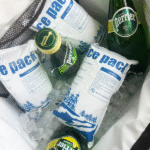
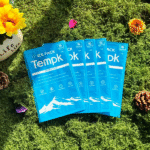
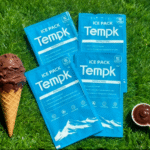
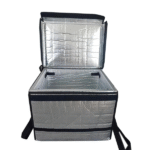
Options include reusable vacuuminsulated panels, phasechange materials, refrigerated gel packs and insulated pallet covers. Reusable solutions dominate the market because they reduce waste and provide longlasting thermal protection.
Q4: How is AI used in temperaturecontrolled express delivery?
AI analyses realtime data from IoT sensors to optimize routes, predict equipment failures and adjust shipping plans. It can reroute trucks to avoid traffic or bad weather and trigger alerts before temperature excursions occur.
Q5: Why are regulations so important in cold chain logistics?
Regulations like the FDA’s DSCSA, the EU GDP and WHO PQS are designed to protect patient safety and food quality. They require traceability, temperature control and documentation for temperaturesensitive shipments. Compliance helps prevent counterfeit products, ensures consistent quality and reduces legal risks.
Summary and recommendations
Temperaturecontrolled express delivery is growing rapidly as global demand for fresh food and advanced medicines increases. By investing in insulated packaging, refrigerated transport, realtime monitoring and traceability, you can preserve product integrity and meet regulatory requirements. Challenges such as aging infrastructure, high operating costs, workforce errors and fragmented data can be mitigated with modern technologies like IoT sensors, AIdriven analytics, integrated platforms and sustainable packaging. Staying aware of regional trends, regulatory developments and consumer behaviour will help you make informed decisions.
To get started:
Assess your needs. Identify the temperature range, transit time and regulatory requirements for your products.
Choose the right packaging. Opt for reusable insulated containers and phasechange materials that match your temperature profile.
Implement realtime monitoring. Deploy IoT sensors and ensure data flows into a unified dashboard so you can respond instantly to deviations.
Train your team. Provide scenariobased training and digital SOPs to reduce errors and improve handling practices.
Partner with specialists. Work with cold chain experts who offer integrated services — packaging, transport, monitoring and compliance — to streamline your operations.
About Tempk
Tempk is a leading provider of temperaturecontrolled packaging and logistics solutions. Our products include reusable insulated boxes, gel packs, vacuum insulated panels and portable refrigeration units that maintain precise temperatures for hours or days. We invest heavily in research and development to design energyefficient, ecofriendly solutions that reduce waste and improve performance. Our packaging is validated for longdistance shipping and supports a wide range of temperature ranges, including ultracold conditions required for biologics and cell therapies. We combine smart sensors, data loggers and predictive analytics to deliver endtoend visibility and compliance.
Next step: To discuss your specific needs and receive personalised recommendations, contact our team. We’re here to help you build a resilient, sustainable and compliant cold chain.