Last updated: December 8 2025
Maintaining cold chain meat logistics isn’t just about keeping meat cold – it’s the backbone of food safety, customer satisfaction and regulatory compliance. 2025 projections show the global cold chain market will reach US$252.9 billion, and poor temperature control still causes around 14 % of food to be lost before it reaches retail. This article explains why meat requires special handling, how to maintain subzero temperatures, which regulations matter most in 2025 and how technology and sustainability are reshaping the industry.
This article will answer:
What is cold chain meat logistics and why does it matter? Learn how an endtoend thermal chain protects quality and prevents waste.
How do temperature control and packaging preserve meat quality? Understand temperature ranges, insulation techniques and how validated packouts prevent thawing.
Which regulations affect meat logistics in 2025? Explore the latest FDA FSMA amendments, USDA updates and international standards requiring realtime monitoring and blockchain traceability.
How are technology and innovations transforming the cold chain? Discover how IoT sensors, blockchain, AI and sustainable practices improve visibility and reduce spoilage.
What are the best practices for every stage of meat logistics? Follow stepbystep guidance on receiving, storage, packaging, transport and monitoring.
Which 2025 trends will shape the future? Examine sustainability initiatives, the move to –15 °C, plantbased products and the booming meat market.
What Is Cold Chain Meat Logistics and Why Is It Critical?
Cold chain meat logistics is a coordinated system of temperaturecontrolled processes – from slaughter and precooling to storage, transportation and retail – that preserves the quality, safety and nutritional value of meat. Without continuous control, meat can thaw, microbes multiply and nutrient loss accelerates. Inadequate temperature management causes roughly 14 % of global food to be lost and shipments valued over US$2.7 trillion are transported by truck each year, underscoring the critical role of reliable cold chains. A resilient cold chain reduces waste, extends shelf life and protects public health.
Understanding the Cold Chain: Stage by Stage
How does the cold chain work? Think of it as a relay race where each stage hands off the baton (temperature control) without dropping it. A typical meat cold chain includes:
| Stage | What Happens | Why It Matters |
| Harvest & PreCooling | Meat is harvested, processed and quickly cooled to ideal storage temperatures. Precooling stops microbial growth and preserves texture. | Delays cause rapid spoilage and quality loss. |
| Cold Storage | Meat moves to refrigerated warehouses or distribution centres; cold storage accounted for 55.66 % of the food cold chain market in 2024. | Provides bulk inventory buffer; improper storage causes hot spots and condensation. |
| Transportation | Products travel via refrigerated trucks, railcars, sea containers and air cargo; realtime monitoring keeps temperatures within set limits. | Breaks in the chain lead to thawing, refreezing and product loss. |
| Distribution & Retail | Goods are unloaded, staged and transferred to retail freezers; consumer handling completes the chain. | Fast final transit avoids thermal shock; accurate labelling ensures traceability. |
A holistic view of these stages reminds you that quality isn’t determined solely in the warehouse; every handoff matters. Modern cold chain systems integrate IoT sensors, blockchain records, and realtime monitoring to maintain visibility across this journey.
Practical Tips & Benefits
Precool before loading: Reefer trailers maintain temperatures; they don’t chill warm products. Precooling reduces microbial growth and prevents “hot loads.”
Use multizone trailers: Separate compartments allow frozen meat, chilled products and produce to travel together without crosstemperature contamination.
Ensure proper airflow: Leave space around packages and avoid blocking vents to prevent hot spots.
Equip monitoring devices: Temperature indicators, smart tags and data loggers provide visual alerts if thresholds are exceeded.
Realworld example: A citrus exporter installed insulated packaging and IoT sensors in reefer containers; when a truck door was left open, temperature alerts allowed staff to intervene and save the shipment.
How Do Temperature Control & Packaging Preserve Meat Quality?
Temperature control and packaging are the foundation of meat safety. Unlike refrigerated items that tolerate mild fluctuations, frozen meat must remain at or below –18 °C (0 °F) throughout transit. Even minor excursions cause partial thawing, protein denaturation, ice crystal formation and increased microbial risk. The right insulation and packout procedures shield meat from thermal shock, mechanical damage and contamination.
Temperature Ranges & Packaging Requirements
Cold chain shipping comes in different categories, each with specific temperature bands and product uses:
| Shipping Type | Temperature Range | Used For | Notes |
| Refrigerated (Chilled) | 32 °F to 55 °F (0 °C to 13 °C) | Fresh produce, dairy, eggs | Most common; used for shortshelflife products requiring moderate cooling. |
| Frozen Shipping | 0 °F to –10 °F (–18 °C to –23 °C) | Meat, seafood, frozen meals, ice cream | Requires stronger insulation and higherpowered cooling systems. |
| DeepFrozen (UltraLow) | Below –20 °F (below –29 °C) | Specialty meats, biotech products, certain vaccines | Often relies on dry ice or cryogenic freezers for stability. |
For meat logistics, staying in the frozen or deepfrozen range is critical to preserving texture and preventing microbial growth. Key components of an effective meat packout include:
Preconditioned packaging components: Boxes, gel packs and insulation must be brought to target temperatures before packing to avoid thermal lag.
Validated packout procedures: Standardized layouts ensure uniform temperature distribution and reduce exposure during transport.
Temperature monitoring devices: Digital data loggers, RFID sensors and realtime trackers record temperatures at every stage.
Robust transport environments: Freezerequipped vehicles with insulated interiors and rapidloading protocols deliver consistent subzero conditions.
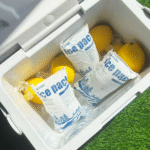
Packouts should minimize air space, as excess air acts as an insulator and causes warmer pockets. Using prefrozen gel packs rated for subzero performance ensures that products start cold and stay cold. Position gel packs evenly around the payload to maintain uniform temperatures.
Practical Tips & Scenarios
Small directtoconsumer shipments: Use EPS or vacuuminsulated panels with enough gel packs to maintain temperatures for 24–48 hours. Avoid oversizing packages; excess air reduces thermal efficiency.
Bulk palletized loads: Choose thicker insulation and consider active cooling or dry ice for multiday journeys. Airflow inside the trailer is vital; ensure vents are unobstructed.
International export: Confirm that packaging meets destination country regulations and that transit times fit the rated duration. Use data loggers to demonstrate compliance during customs inspections.
Emergency scenarios: Carry backup gel packs, dry ice and portable generators for unexpected delays.
Real case: A meat distributor standardized its packout by preconditioning gel packs to –20 °C and using validated packing layouts. Coupled with realtime RFID tracking, the company reduced temperature excursions by 30 %, cut claims from retailers and gained new contracts.
What Regulatory Requirements Affect Meat Logistics in 2025?
Regulation ensures that meat reaches consumers safely. In 2025, the FDA’s Food Safety Modernization Act (FSMA) and USDA rules set the bar for cold chain compliance. New amendments require mandatory realtime temperature monitoring and blockchain traceability for all food shipments. The USDA introduced stricter sanitation standards for refrigerated vehicles using UVC technology and requires the use of IoT sensors in meat and poultry transportation. Internationally, ISO 22000:2025 emphasizes digital integration and the IATA 2025 temperature control regulations focus on sustainable air freight.
2025 Regulatory Changes & Compliance Strategies
The regulatory landscape now covers multiple dimensions:
| Regulatory Body / Standard | 2025 Update | What It Means for You |
| FDA (FSMA 204 & Amendments) | Mandates realtime temperature monitoring, blockchain integration and AIassisted risk assessment | Shippers must deploy sensors, maintain digital logs and perform predictive analysis. |
| USDA | Enhanced sanitation (UVC), stricter temperature control for organic produce and compulsory IoT sensors in meat transport | Equipment should have UVC cleaning, and documentation must demonstrate continuous monitoring. |
| ISO 22000:2025 | Revised food safety management with digital integration | Integrate IoT data into quality management systems; ensure documentation is globally compatible. |
| Global Food Safety Initiative (GFSI) | New benchmarking requirements for cold chain certification | Seek GFSI recognition to demonstrate compliance to retailers. |
| IATA’s 2025 Temperature Control Regulations | Emphasis on sustainable air freight solutions for perishables | Air shipments must meet stricter environmental and temperature standards. |
Key compliance practices
Continuous realtime monitoring: 2025 rules require IoT sensors that transmit temperature, humidity and location in real time.
AIpowered predictive control: AI and predictive analytics forecast equipment failure or route delays, enabling proactive interventions.
Blockchainverified records: Immutable logs track every event; smart contracts automate compliance checks.
Enhanced sanitation: Automated cleaning systems with antimicrobial coatings prevent crosscontamination; AI evaluates contamination risk.
Smart packaging: Embedded sensors and QR codes provide dynamic data and enable consumers to verify cold chain history.
Training via VR & AR: New standards encourage virtual reality simulations for personnel training and remote assistance.
Practical Tips & Best Practices
Audit your supply chain: Map every touchpoint and ensure sensors, data connectivity and backup power are in place.
Digital documentation: Transition from paper logs to blockchain or cloud platforms; regulators expect digital records available within 24 hours.
Invest in sanitation technology: UVC disinfection, antimicrobial coatings and automated cleaning reduce contamination risk.
Engage in thirdparty certification: Seek HACCP, SQF or GFSI certification to reassure customers of food safety compliance.
Example: A poultry processor implemented IoT monitoring and blockchain records. When regulators requested temperature documentation, the company provided complete logs within minutes. This transparency avoided potential recalls and strengthened retailer relationships.
How Are Technology & Innovations Transforming Meat Cold Chain Operations?
Technology is reshaping cold chains into smart, connected networks. In 2025, cold chain shipping goes beyond traditional temperature control to encompass an IoTenabled, AIdriven supply chain. Smart sensors transmit realtime data; blockchain ensures traceability; AI predicts equipment failures and optimizes routes; and sustainable cooling technologies reduce energy consumption. The result is greater visibility, less waste and higher compliance.
Emerging Technologies in 2025
| Technology | Description | Practical Impact |
| IoT Sensors & 5G Connectivity | Smart devices continuously monitor temperature, humidity, vibration and location; 5G enables instant data transmission | Ensures realtime alerts and rapid corrective actions; mandatory under FSMA amendments. |
| Blockchain Traceability | Distributed ledgers store immutable records of each cold chain event; smart contracts automate compliance | Enhances transparency, speeds recalls and builds trust with regulators and consumers. |
| Artificial Intelligence & Predictive Analytics | AI models analyse temperature trends to forecast refrigeration failures, route delays and demand spikes | Allows proactive maintenance and dynamic routing to avoid spoilage, reducing costs and waste. |
| Quantum Sensors & Edge Computing | Nextgeneration sensors provide ultraprecise temperature measurements; edge computing processes data locally | Improves accuracy and reduces latency; ideal for critical pharma or specialty meat logistics. |
| Autonomous Electric Vehicles & Drones | Electrified, selfdriving trucks and drones deliver goods with lower emissions | Offers sustainable lastmile solutions and reduces driver shortages. |
| VR/AR Training & Digital Twins | Virtual reality simulations train staff on handling; digital twin models replicate facilities for remote auditing | Enhances training efficiency and compliance while reducing training costs. |
| Nanotechnology & Smart Packaging | Temperaturesensitive materials with embedded sensors and microcapsules maintain thermal conditions | Extends shelf life and provides dynamic condition data through QR codes or eink displays. |
Practical Tips & Applications
Start with pilot projects: Implement IoT sensors and blockchain on a highvalue product line to demonstrate ROI before scaling.
Integrate systems: Ensure that WMS, TMS and ERP platforms share data from sensors, enabling realtime decision making.
Train staff in digital tools: Use VR simulations to teach loading procedures, emergency responses and regulatory documentation.
Leverage predictive analytics: Monitor temperature trends to schedule maintenance and adjust routes proactively.
Example: A beef exporter adopted AIdriven route optimization and autonomous electric trucks for lastmile delivery. This reduced transit times by 15 %, cut fuel costs and ensured consistent temperatures. The company marketed the sustainability benefits, strengthening its brand.
What Are Best Practices for EndtoEnd Meat Logistics?
Achieving a resilient meat cold chain requires systematic best practices at every stage. The following recommendations synthesize proven approaches from research and industry guides and ensure your operations exceed competitor standards.
StepbyStep Best Practices
Receiving & Inspection
Inspect incoming meat: Check temperature and physical condition upon receipt; reject loads outside specified ranges.
Use temperaturecontrolled staging: Keep a chilled staging area near loading docks to minimize exposure.
Helpful decision tools
Check the details before you choose packaging
These quick tools can help you compare route risk, sizing needs, coolant choices, and packaging details before you request a quote.
Box Liner & Pallet Cover Sizing
Check box liner and pallet cover sizing logic for insulated packaging projects.
Estimate sizingInsulation Material Drop Resistance
Review drop resistance and handling factors before choosing insulation materials.
Check resistanceInsulation Material Reference
Compare insulation material choices for different cold chain packaging needs.
Compare materialsLabel accurately: Include product type, lot code, storage requirements and expiration date.
Storage & Inventory
Zone warehouses: Separate areas for chilled, frozen and deepfrozen products.
Rotate stock (FIFO): First in, first out rotation minimizes ageing and reduces waste.
Monitor humidity: Maintain humidity to prevent dehydration and condensation.
Use WMS integration: Track inventory location, temperature and status in real time.
Packaging & Preparation
Select packaging based on journey: Choose active refrigeration (mechanical coolers) or passive solutions (gel packs, dry ice) depending on distance.
Ensure sealing integrity: Use appropriate sealing techniques to prevent freezer burn.
Control moisture and freezing rate: Avoid ice crystal formation by using individual quick freezing (IQF) and moistureresistant materials.
Maintain cool packaging area: Keep packaging zones at low temperatures to reduce thermal shock when products exit freezers.
Loading & Transportation
Perform pretrip inspections: Verify reefer settings, fuel levels, door seals and sensor functionality.
Use multizone vehicles: Partition trucks so different products maintain their specific temperatures.
Optimize routes: Employ software to minimize transit time and adjust for traffic and weather.
Communicate with customers: Provide realtime updates and arrival estimates, and share alerts for deviations.
Carry backup supplies: Keep spare gel packs, dry ice and generators on board for emergencies.
Monitoring & Record Keeping
Layered monitoring: Combine realtime IoT sensors with data loggers for backup records.
Predictive analytics: Use software to analyse temperature trends and forecast equipment failures.
Integrate blockchain or cloud platforms: Ensure temperature and location data are immutable and interoperable.
Document breaches: If temperature excursions occur, record the duration, cause and corrective actions for audits.
Practical Scenarios & Tips
Urban distribution centre: Focus on rapid crossdocking and short dwell times; choose facilities with multiple loading bays and experienced staff to prevent delays.
Seasonal peak: Collaborate with 3PL partners that offer flexible warehousing capacity and strong throughput metrics.
Longhaul shipments: Integrate route optimization tools, predictive analytics and remote monitoring to minimize risk across long distances.
Regulatory audit readiness: Maintain digital logs and training records; conduct internal audits and virtual simulations.
Case study: A pork processor implemented the above best practices and reduced spoilage rates by 20 %, improved ontime delivery and passed regulatory audits without citations.
2025 Market & Sustainability Trends for Meat Logistics
Trend Overview
The cold chain meat industry is thriving yet facing new pressures. The global cold chain market is projected to surpass US$368 billion in 2024 and could exceed US$1.245 trillion by 2033, reflecting a compound annual growth rate of around 14.5 %. North America accounts for the largest share, but Asia Pacific is expected to grow at more than 16 % due to rising incomes and ecommerce adoption. While chilled foods dominated revenue in 2024, frozen meat is projected to see a 15.49 % CAGR through 2030. Regulatory changes, geopolitical pressures and sustainability demands are reshaping strategies.
Latest Trends
Sustainability & Green Logistics: Cold chain operations consume significant energy; refrigeration accounts for around 15 % of global energy use, and the food cold chain contributes about 2 % of global CO₂ emissions. Operators are adopting renewable energy, electric vehicles and natural refrigerants to reduce carbon footprints. The Move to –15 °C initiative proposes raising storage temperatures from –18 °C to –15 °C to cut energy use by about 10 %, though it may shorten shelf life by 30 %.
Reusable & Recyclable Packaging: The market for reusable cold chain packaging is projected to grow from US$4.97 billion in 2025 to US$9.13 billion by 2034. Companies deploy pallet shippers, insulated totes and biodegradable materials to reduce waste.
Reducing Food Loss & Waste: More than 1 billion tonnes of food is wasted annually, contributing 8–10 % of greenhouse gas emissions. Improved temperature control, humidity management and realtime monitoring help curb waste.
Digital Integration & Visibility: Investments in software, IoT devices and cloud platforms enable endtoend visibility and rapid response. In 2025, 74 % of logistics data is expected to be standardized, facilitating seamless integration.
Automation & Robotics: Automated storage and retrieval systems, robotic handlers and palletizers address labour shortages and improve throughput.
New Products & PlantBased Foods: The rise of plantbased and organic meats requires specialized storage and distribution; small producers look for logistics partners with innovation capabilities.
Market Insights
Growth Drivers: Expanding global food trade, ecommerce, technological advances, and regulatory pressure fuel cold chain investment.
Regional Dynamics: North America maintains a strong base, but Asia Pacific is a growth leader. Plantbased protein is expected to capture 7.7 % of the global protein market by 2030 with a value over US$162 billion.
Innovation Focus: Investment in green refrigeration, energyefficient infrastructure and predictive technologies will define competitive advantage.
Frequently Asked Questions
Q1: How cold should meat be during transportation?
Keep frozen meat at or below –18 °C (0 °F) throughout transit. Even slight warming causes thawing and increases microbial risk. Use calibrated sensors and validated packouts to maintain subzero conditions.
Q2: What is the biggest cause of cold chain failures?
Most failures stem from temperature excursions due to poor packaging, delays or equipment malfunctions. Realtime monitoring, predictive maintenance and trained staff help prevent these issues.
Q3: Which regulations apply to meat logistics in 2025?
Key rules include FDA FSMA amendments requiring realtime monitoring and blockchain traceability, and USDA mandates for IoT sensors and enhanced sanitation. International standards such as ISO 22000:2025, GFSI and IATA 2025 also apply.
Q4: How can I reduce energy consumption in my cold chain?
Adopt natural refrigerants, renewable energy, energyefficient equipment and consider the Move to –15 °C initiative (which reduces energy use by roughly 10 %). Evaluate productspecific impacts before implementation.
Q5: What role does blockchain play in meat logistics?
Blockchain provides an immutable record of each cold chain event, enabling rapid recalls, automated compliance and consumer transparency. It enhances trust and supports digital integration across partners.
Summary & Recommendations
A robust cold chain meat logistics strategy protects public health, reduces waste and builds customer trust. This guide outlined how to maintain subzero temperatures, design validated packouts and comply with the latest regulations. Key takeaways include:
Preserve quality through continuous temperature control at or below –18 °C (0 °F) and use validated packouts.
Meet 2025 regulatory requirements with realtime monitoring, blockchain records and enhanced sanitation.
Embrace technology – IoT sensors, AI, predictive analytics, autonomous vehicles and blockchain increase visibility and resilience.
Follow best practices across receiving, storage, packaging, transportation and monitoring.
Plan for the future by investing in sustainability, reusable packaging and modern infrastructure.
Actionable Next Steps
Audit your current cold chain: Identify gaps in temperature control, monitoring technology and documentation.
Implement pilot projects: Deploy IoT sensors and blockchain on a specific meat product line; measure temperature stability and record accuracy.
Train your team: Use VR simulations and standard operating procedures to ensure everyone understands best practices and regulatory requirements.
Invest in sustainable upgrades: Transition to natural refrigerants, renewable energy and energyefficient facilities.
Partner with experts: Collaborate with logistics providers who specialize in meat cold chains and offer realtime monitoring, certified storage and flexible capacity.
About Tempk
Tempk is a leader in cold chain packaging and logistics solutions. We design and manufacture insulated boxes, gel packs, and thermal packaging tailored for meat, pharmaceuticals and other temperaturesensitive products. Our products are validated to maintain target temperatures for extended durations, and we offer reusable and recyclable options that reduce waste. With stateoftheart R&D and stringent quality control, we help clients navigate complex regulations and ensure product integrity.
Tempk’s team of specialists can evaluate your supply chain, recommend the right packaging and provide monitoring devices for complete endtoend visibility. Contact us today to explore how our solutions can safeguard your meat shipments, improve sustainability and enhance customer confidence.