Updated: December 2025
A moistureresistant customizable EPP storage container gives you a practical way to keep temperaturesensitive goods safe and dry. EPP (expanded polypropylene) is a closedcell foam that combines lightweight strength, low water absorption and excellent thermal insulation. Because these containers can be tailored to your size, branding and performance requirements, they are quickly becoming a goto solution for cold chain logistics, food delivery and pharmaceutical shipment. In this guide you’ll learn what makes them unique, how to choose and customize one, and why they matter in 2025.
This article will answer:
What makes a moistureresistant customizable EPP storage container superior? – Understand its impact resistance, thermal insulation, water repellence and recyclability.
How can you customize EPP storage containers? – Learn about sizing, branding, lid designs and color options.
Where are moistureresistant customizable EPP storage containers used? – Explore applications from vaccines and groceries to outdoor recreation and industrial logistics.
What are the latest 2025 trends and innovations? – See how sustainability, IoT monitoring and modular design are shaping the market.
Frequently asked questions – Get quick answers about moisture control, reusability, environmental impact and temperature stability.
Why choose a moistureresistant customizable EPP storage container?
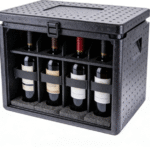
The closedcell structure of EPP means that a moistureresistant customizable EPP storage container stays dry, insulates well and survives impacts. EPP’s hydrophobic surface repels water, oils and chemicals, while its energyabsorbing foam rebounds after impacts. That means your goods remain safe from condensation, temperature swings and rough handling. Because EPP is fully recyclable and reusable, you can meet sustainability targets while lowering longterm costs.
Expanding on these benefits, EPP’s closedcell foam traps air in sealed pockets to minimize heat transfer. In tests, EPP boxes with densities around 30 kg/m³ delivered better insulation than comparable plastic or metal containers and remained stable from –40 °C to +110 °C. When combined with ice or phasechange packs, they maintain 2 °C–8 °C or even colder for extended periods. Unlike EPS or EPE, which crack or lose shape after one use, EPP retains its shape after repeated impacts. This durability means one box can serve many shipments, reducing packaging waste. EPP’s resistance to oils and chemicals also makes it suitable for seafood or lab samples.
Impact resistance and energy absorption
EPP foam has a unique ability to absorb shocks and return to its original shape. In a comparison of EPP, EPS and EPE packaging, EPP provided excellent impact resistance and high strengthtoweight ratio, while EPS cracked easily and EPE offered only moderate protection. This property protects fragile items like vaccines, electronics or glass jars during transportation. The foam’s energy absorption is why automotive manufacturers use EPP in bumper cores and sideimpact protection. For you, this translates into fewer damaged goods and lower replacement costs.
| Feature | EPP container | EPS/EPE container | What it means for you |
| Impact resistance | Withstands repeated impacts without permanent deformation | EPS cracks easily; EPE offers only moderate protection | Protects vaccines, electronics and fragile foods from shocks |
| Strengthtoweight ratio | High; strong yet light | Moderate | Reduces shipping weight without sacrificing protection |
| Thermal insulation | Low thermal conductivity due to closedcell structure | Good for EPS; moderate for EPE | Keeps goods within 2 °C–8 °C or colder for longer periods |
| Water absorption | Nonporous; resists water and humidity | EPS can absorb water; EPE offers limited resistance | Prevents mold and condensation, maintaining product quality |
| Reusability & recyclability | Fully recyclable and reusable | Often single use | Lowers longterm cost and environmental impact |
Practical tips and suggestions
The following pointers will help you get the most from your moistureresistant customizable EPP storage container:
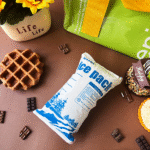
Pair with appropriate refrigerants: A moistureresistant customizable EPP storage container performs best when combined with ice or phasechange packs to extend cooling duration.
Condition packs properly: A moistureresistant customizable EPP storage container must be loaded with properly conditioned packs; let frozen packs warm to 0 °C before packing to avoid freezing sensitive goods.
Ensure tight closures: A moistureresistant customizable EPP storage container works best when its flush or hinged lid seals tightly with a gasket to minimize air leaks.
Avoid overfilling: A moistureresistant customizable EPP storage container needs some empty space around the contents for air circulation; overpacking creates temperature gradients.
Realworld example: During a large vaccine campaign, health logistics providers switched from singleuse EPS boxes to moistureresistant customizable EPP storage containers. The EPP boxes absorbed shocks, maintained internal temperature with ice packs and were reused dozens of times, eliminating thousands of disposable boxes and reducing product loss.
How to customize a moistureresistant EPP storage container
Customization lets you tailor a moistureresistant customizable EPP storage container to your specific requirements, from dimensions and branding to lid design and color. You can specify almost any size or shape, ensuring a snug fit for your product and maximizing insulation. Branding options include molding your logo into the foam or adding labels. Lid options range from flushfitting to hinged designs, and you can choose ergonomic handles for easier transport. Even foam density and color can be adjusted to balance insulation and durability.
Beyond the basics, you can integrate IoT sensors to monitor temperature and humidity in real time, choose drainage holes for seafood shipments, or add modular inserts to hold vials or electronics. Such customization ensures regulatory compliance and enhances user experience.
Tailoring dimensions and branding
While one size may fit many purposes, a tailored container can boost efficiency. By matching internal space to your product’s dimensions, you minimize void fill and improve temperature stability. Branding integration, such as molded logos or colorcoded containers, reinforces your identity and helps differentiate shipments in multiproduct logistics. This level of personalization turns a utilitarian box into a marketing asset.
| Customizable aspect | Options | Benefits to you |
| Dimensions & shape | Sizes range from small singleitem shippers to large bulk containers | Reduces void fill, improves insulation, optimizes space |
| Branding | Mold your logo into the foam or apply custom labels | Ensures professional appearance and aids identification |
| Lid & handle design | Choose flushfitting, stacking or hinged lids and ergonomic handles | Enhances sealing, stacking and ease of handling |
| Material density & color | Adjust foam density and select custom hues | Balances insulation and durability; matches brand colors |
| Inserts & features | Add drainage holes, compartments or sensor mounts | Enables seafood shipping, vial protection and realtime monitoring |
Practical customization guidance
When tailoring a moistureresistant customizable EPP storage container, keep these guidelines in mind:
Match size to payload: A moistureresistant customizable EPP storage container should have dimensions that snugly fit your goods to reduce empty space and improve temperature control.
Select lid and seal type: A moistureresistant customizable EPP storage container with a flush or hinged lid and gasket minimizes air and moisture exchange.
Integrate monitoring: A moistureresistant customizable EPP storage container can house IoT sensors or data loggers to track temperature and humidity, supporting regulatory compliance and quality assurance.
Consider density: A moistureresistant customizable EPP storage container with higher foam density improves insulation but adds weight; lower density reduces weight but may shorten cooling duration. Balance these factors according to your shipping times and cost constraints.
Use color coding: A moistureresistant customizable EPP storage container can be colorcoded to help staff identify product types or temperature ranges quickly, reducing errors.
Case example: A pharmaceutical company needed containers for mRNA vaccine shipments. They worked with a manufacturer to design moistureresistant customizable EPP storage containers with specific densities and inserts for vials. Integrated sensors monitored temperatures down to –90 °C, and the containers were reused dozens of times without loss of performance.
Applications of moistureresistant customizable EPP storage containers
Moistureresistant customizable EPP storage containers are versatile across industries because they maintain stable temperatures and protect goods from shocks. Here are some key areas where they shine:
Pharmaceuticals and healthcare
In pharmaceutical and biotech logistics, EPP containers maintain strict 2 °C–8 °C or ultralow temperatures for vaccines, biologics and cell therapies. Their nonporous surfaces are hygienic and easy to sterilize. Inserts secure vials to prevent breakage, and labels meet regulatory requirements. Because they’re reusable and recyclable, they help the industry reduce waste.
Food, catering and grocery delivery
EPP boxes keep hot meals hot and cold foods cold for hours. Catering services use them for meal delivery, while supermarkets and mealkit companies rely on them to preserve freshness of dairy, meat and produce. Their lightweight construction makes handling easier and lowers shipping fuel costs.
Ecommerce and groceries
Online grocery platforms leverage customized EPP shipping boxes that fit product dimensions and minimize void space. Reusable packaging appeals to ecoconscious consumers, reduces waste and enhances brand perception. Colorcoded boxes help sort orders quickly during fulfillment.
Helpful decision tools
Check the details before you choose packaging
These quick tools can help you compare route risk, sizing needs, coolant choices, and packaging details before you request a quote.
Insulation Material Drop Resistance
Review drop resistance and handling factors before choosing insulation materials.
Check resistanceInsulation Material Reference
Compare insulation material choices for different cold chain packaging needs.
Compare materialsPackaging Selector
Compare insulated packaging options by product, route, and temperature need.
Find packagingOutdoor recreation and consumer goods
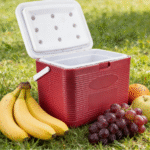
From picnic coolers to camping and fishing boxes, moistureresistant customizable EPP storage containers keep drinks chilled and food fresh. Their light weight and stackable design make them easy to transport, while their resilience ensures they can be reused for years. For pizza delivery, EPP containers maintain the right temperature and support branding.
Industrial and electronics logistics
Manufacturers use EPP containers as reusable dunnage and transport trays for precision instruments and electronics. The foam’s impact resistance and chemical resistance protect components from shocks, oils and solvents. Custom inserts can be designed to hold circuit boards or glass panels securely.
Marine and seafood shipping
EPP insulated seafood boxes are nonabsorbent and can include drainage holes. They maintain a consistent cold temperature, preserving the freshness of fish and shellfish from harvest to customer. Because the containers resist saltwater and chemicals, they remain durable over repeated trips.
2025 trends and innovations in moistureresistant EPP containers
Trend overview
The EPP foam packaging market was valued at about USD 365.5 million in 2024 and is projected to reach USD 496.1 million by 2034, registering a CAGR of 3.1 %. Growth is driven by EPP’s chemical and water resistance, durability, thermal insulation and recyclability. Manufacturers across food, healthcare and consumer goods sectors are investing in EPP packaging because of these properties. The market’s expansion reflects the shift toward sustainable, reusable packaging and the rising demand for temperaturecontrolled logistics.
Latest advances at a glance
Sustainability & circular economy: Growing consumer and regulatory pressure is pushing companies to adopt packaging that’s reusable and recyclable. EPP containers align with these goals, helping reduce waste and carbon footprint.
Rising pharmaceutical cold chains: Global demand for vaccines and biologics requires reliable insulated containers; moistureresistant customizable EPP storage containers provide stable temperatures and humidity control.
Cost efficiency: With shipping costs increasing, lightweight and reusable EPP packaging lowers transport and packaging expenses over time.
Customization & modularity: Suppliers now offer custom sizes, stackable designs, and inserts that snap into place, making EPP containers adaptable to varied supply chains.
IoT integration: Embedding sensors for temperature and humidity monitoring allows realtime visibility and compliance with stringent regulations.
Advanced materials: Some manufacturers are experimenting with phasechange material inserts and composite foams to extend cooling duration and reduce weight.
Automation compatibility: New designs feature rails or slots for robotic handling systems, supporting automated warehouses.
Market insights
EPP’s adaptability has attracted investment in the foam packaging sector. Top industries utilizing EPP include food service, pharmaceuticals, automotive and consumer goods. In pharmaceuticals, the nontoxic, hygienic nature of EPP packaging ensures product safety and meets compliance standards. In food and beverage, EPP’s thermal insulation and lightweight design keep products fresh while reducing shipping costs. As sustainability becomes a competitive differentiator, the EPP foam packaging market is expected to consolidate its dominance, with innovations such as antistatic and compostable variants further boosting adoption.
Frequently Asked Questions
Q1: Can a moistureresistant customizable EPP storage container really prevent moisture or condensation inside?
Yes. EPP’s closedcell structure is nonhygroscopic, meaning it does not absorb water. This prevents moisture ingress and condensation, keeping contents dry.
Q2: Are EPP containers reusable?
Definitely. The foam retains its shape after repeated impacts and can be cleaned or sterilized, allowing many cycles of reuse.
Q3: Are EPP containers environmentally friendly?
Yes. EPP is 100 % recyclable, free of harmful blowing agents and reduces waste because containers can be reused hundreds of times. Its lightweight nature also lowers shipping emissions.
Q4: How long can a moistureresistant customizable EPP storage container maintain temperature stability?
Duration depends on wall thickness, foam density, refrigerant packs and external conditions. Many containers can maintain required conditions for several hours or days when properly packed. For example, EPP boxes kept meals safe for over six hours in 30 °C ambient temperature without condensation.
Q5: How do I clean and maintain my EPP container?
Use mild detergent and warm water; the nonporous surface resists stains and dries quickly. Avoid harsh solvents. Inspect regularly for cracks or wear and replace if structural integrity is compromised.
Summary & recommendations
To recap, a moistureresistant customizable EPP storage container offers:
Superior protection: A moistureresistant customizable EPP storage container has a closedcell, hydrophobic structure that resists water and absorbs impacts, keeping goods safe from moisture and shocks.
Thermal stability: A moistureresistant customizable EPP storage container offers low thermal conductivity and maintains cold or hot temperatures over long periods. When combined with ice packs, it meets stringent cold chain requirements.
Customizability: A moistureresistant customizable EPP storage container allows dimensions, branding, lid designs, density and color to be tailored to your product and brand.
Reusability and sustainability: A moistureresistant customizable EPP storage container is durable, recyclable and reusable, reducing waste and delivering a high return on investment.
Wide application: A moistureresistant customizable EPP storage container serves diverse industries, from vaccines to groceries, outdoor gear and industrial components.
Growth and innovation: A moistureresistant customizable EPP storage container benefits from a market that is expanding with 2025 trends favoring sustainable, sensorenabled and modular EPP solutions.
Actionable next steps
Assess your needs: Identify the volume, temperature range and moisture tolerance of your products.
Specify customization: Determine size, density, branding and lid features that suit your operation.
Integrate refrigerants and sensors: Pair your moistureresistant customizable EPP storage container with the right ice packs or phasechange materials and consider IoT monitoring for compliance.
Plan for reuse: Establish cleaning and inspection protocols to extend the life of your moistureresistant customizable EPP storage container.
Engage a supplier: Work with a reputable manufacturer to design a moistureresistant customizable EPP storage container that meets your regulatory and branding requirements.
Monitor trends: Stay informed about 2025 innovations such as compostable foams, antistatic EPP and AIdriven logistics.
About Tempk
We are Tempk, a coldchain packaging specialist committed to keeping your goods safe. Our team designs and manufactures moistureresistant customizable EPP storage containers and a full range of insulated boxes, ice packs and thermal bags. We prioritize sustainability, using recyclable materials and reusable designs to reduce waste. By combining research, engineering and customer feedback, we develop solutions that meet pharmaceutical, food and industrial requirements. Our containers maintain stable temperatures, resist moisture and impacts, and can be tailored with your branding and inserts. With over a decade of experience and international certifications, we serve customers across North America, Europe and Asia, delivering reliability you can trust.
Call to action
Ready to protect your products with a moistureresistant customizable EPP storage container? Reach out to our team for a free consultation and let us help you design the perfect solution. Together, we can improve your cold chain performance and sustainability.