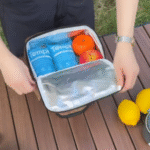
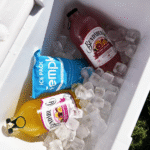
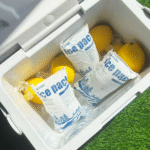
In today’s ondemand world, you want your steaks and sausages delivered as fresh as if they just left the butcher’s shop. The key is controlling temperature during transit. Expanded polypropylene (EPP) cooler boxes combine lightweight strength with outstanding insulation, making them ideal for meat delivery. This guide explains why EPP coolers are transforming meat logistics, how to select the right box, and what 2025 coldchain trends mean for your business. By the end you’ll know how to keep meat at or below the safe temperature of 40 °F (4 °C), reduce waste and improve customer satisfaction.
This article will answer:
Why choose an EPP cooler box for meat delivery? We’ll explain what makes EPP’s insulation, durability and sustainability superior to other materials.
How to keep meat safe during delivery? You’ll learn to pack and handle meat to maintain temperatures below 40 °F and prevent bacterial growth.
Which EPP cooler box features matter? We’ll cover sizing, wall thickness, reusability, and how to pair coolers with gel ice packs.
What trends shape coldchain logistics in 2025? We’ll highlight innovations such as sustainability, AI, automation and lastmile delivery.
Why is an EPP cooler box ideal for meat delivery?
Expanded polypropylene (EPP) foam offers superior insulation, durability and sustainability for coldchain logistics. Unlike brittle alternatives, EPP coolers have a closedcell structure that provides exceptional thermal resistance and can maintain stable temperatures for extended periods. They are lightweight yet tough; the material absorbs impacts without damage and has negligible water absorption, so the box withstands bumps and scratches during transit. EPP is also recyclable and foodsafe, supporting sustainability goals.
When delivering meat, temperature stability is critical. Fresh meat must be kept at or below 40 °F (4 °C) to prevent bacterial growth, while frozen items require 0 °F (–18 °C). EPP’s insulation slows heat transfer, allowing gel ice packs or dry ice to maintain cold temperatures longer. Because EPP coolers are reusable, they reduce singleuse packaging waste and lower longterm costs. Customization options—different sizes, densities and even molded logos—make them adaptable for different meat products, from steak cuts to sausages and poultry.
Understanding EPP’s advantages
The following table compares EPP with other common cooler materials such as expanded polystyrene (EPS) and polyurethane (PU). These insights can help you choose the best solution for your meat delivery.
| Material | Insulation Performance | Durability & Reusability | Environmental Impact | Practical Benefit |
| EPP (Expanded Polypropylene) | Excellent thermal resistance; maintains consistent temperatures for hot or cold items. | Lightweight yet robust; withstands repeated use without cracking; negligible water absorption. | 100 % recyclable and free of harmful gases or heavy metals. | Reduces shipping costs due to light weight; reusable in closedloop systems; foodgrade and easy to clean. |
| EPS (Expanded Polystyrene) | Good insulation but lower mechanical strength; prone to breakage over time. | Fragile; cracks after a few uses; limited reusability. | Nonbiodegradable; recycling facilities are limited. | Low initial cost but higher longterm costs due to frequent replacement. |
| PU (Polyurethane) | High insulation; used for longhaul shipments. | Heavier and less impactresistant than EPP. | Often not recyclable; may contain hazardous blowing agents. | Suitable for long storage but increases shipping weight and costs. |
Practical tips and best practices
Prechill the box: To maximize insulation, precool your EPP cooler overnight in a freezer. Prechilled walls will absorb less heat when loaded with meat.
Layer ice and meat properly: Place gel ice packs or dry ice at the bottom, then add meat in sealed bags. Cover with additional cold packs, leaving air spaces for cold air circulation.
Limit exposure: Load meat into the cooler quickly and minimize opening during transit to keep cold air trapped.
Re-use responsibly: After delivery, clean the box with mild detergent. EPP’s smooth surface is easy to wipe down and doesn’t absorb odors, allowing quick turnaround for the next order.
Realworld example: A gourmet butcher in Los Angeles switched from disposable polystyrene boxes to reusable EPP coolers. By prechilling the boxes and using phasechange gel packs, they kept steaks below 40 °F for more than eight hours during summer deliveries. Customers reported fresher meat, and the shop reduced packaging waste by 75 %.
How to keep meat safe during delivery?
Food safety is nonnegotiable. According to coldchain logistics guidelines, fresh meat must remain at or below 40 °F (4 °C), while frozen meat and ice cream require 0 °F (–18 °C). Bacteria multiply rapidly between 40 °F and 140 °F, so staying outside the “danger zone” is essential.
Stepbystep packing guide
Select the right cooler size: Choose an EPP cooler that fits your meat products without excessive empty space. Too much air causes temperature fluctuations.
Use highquality gel ice packs: Gel packs made from phasechange material deliver stable cooling and can be reused. TEMPK’s gel ice packs are nontoxic and tested for safety. Roundangle designs prevent damage to foam boxes.
Prefreeze gel packs: Fully freeze gel packs for at least 24 hours before use to maximize cooling capacity.
Layer properly: Place a layer of frozen gel packs at the bottom. Add meat sealed in leakproof packaging. Separate layers with more gel packs; cold air sinks, so the top layer should also have packs.
Seal and monitor: Close the EPP cooler tightly. Consider adding a digital temperature logger or smart sensor to monitor internal temperature and provide alerts if it rises above 40 °F. These tools are part of modern IoTenabled coldchain solutions.
Delivery time: Keep transit times short. For long routes, use active cooling (refrigerated vehicles) and passive insulation (EPP boxes) together.
Choosing gel ice packs and temperature monitors
Gel ice packs vary in quality and durability. Look for packs filled with phasechange material and encased in punctureresistant films. TEMPK’s gel packs are nontoxic and easy to carry, and can be used repeatedly before expiration. Pair them with temperature monitors that record data in real time, enabling quick corrective actions during delivery. Realtime tracking reduces spoilage and ensures compliance with temperature regulations, as highlighted by coldchain trends for 2025.
Safety tips
Don’t overload: Leave some space at the top for cold air circulation.
Separate meat types: Keep raw poultry and seafood in separate bags to avoid crosscontamination.
Check temperature on arrival: Use an instantread thermometer to verify that meat is below 40 °F.
Actual case: A mealkit service in San Francisco used EPP coolers with integrated temperature sensors. During a summer heat wave, a sensor alert revealed that a batch of deliveries exceeded 40 °F midroute. The company rerouted the driver to a refrigerated warehouse and added dry ice, preventing spoilage and saving over 500 meal kits.
How to select the right EPP cooler box?
Choosing the right cooler box involves more than picking a random size. Consider insulation thickness, capacity, reusability and additional features.
Key selection criteria
Wall thickness and density: Thicker walls and higher EPP density provide better insulation. Select at least 25–40 mm walls for meat delivery.
Volume: Size your box based on the typical weight of orders. A 34litre EPP box is suitable for familysized meal kits, while a 100litre box handles larger restaurant orders.
Lid design: Hinged lids prevent misplacement and reduce air leakage. Some models feature frontopening doors for easier loading.
Custom branding: EPP manufacturing allows logos and colors to be molded into the box—useful for brand recognition.
Helpful decision tools
Check the details before you choose packaging
These quick tools can help you compare route risk, sizing needs, coolant choices, and packaging details before you request a quote.
Box Liner & Pallet Cover Sizing
Check box liner and pallet cover sizing logic for insulated packaging projects.
Estimate sizingInsulation Material Drop Resistance
Review drop resistance and handling factors before choosing insulation materials.
Check resistanceCompliance Checklist Generator
Build a practical checklist for packaging review, shipping, and documentation.
Build checklistHandles and ergonomics: Look for comfortable handles and notches for gastronorm (GN) containers. The ThermoBox from Germany’s Thermo Future Box offers ergonomic handles and robust closing systems.
Temperature range: Verify that the box can handle –40 °C to 120 °C. This range ensures performance with both dry ice and hot foods.
Material certification: Ensure that the EPP foam is foodgrade, free of CFCs and heavy metals.
Interactive tool suggestion
Create a simple calculator on your website that asks for the order weight, desired delivery time and ambient temperature. It then recommends an appropriate cooler size and the number of gel packs needed. Such tools improve user engagement and reduce selection errors.
Application scenarios
Directtoconsumer butcher services: Delivering steaks or poultry to individual households requires smaller, easytocarry EPP boxes. Gel ice packs should match the weight of meat to maintain safe temperatures.
Restaurant supply: Restaurants often order in bulk. Larger EPP boxes with thicker insulation and reinforced handles ensure safe transport while reducing packaging costs.
Farmers’ markets: Vendors can prepack meat in EPP boxes, ensuring safe storage throughout the day and reducing reliance on communal refrigeration.
Practical scenario: A startup specializing in grassfed beef uses 60litre EPP coolers lined with reusable gel packs. They prechill the boxes, monitor temperatures with Bluetooth sensors and update customers via a mobile app. The combination of EPP insulation and smart monitoring allows delivery within a 200mile radius while maintaining quality.
2025 coldchain trends and industry insights
Trend overview
The coldchain sector is rapidly evolving. The COVID19 pandemic accelerated demand for reliable temperaturecontrolled logistics, while sustainability and technology are reshaping operations. A 2025 industry report highlights several key trends: sustainability, artificial intelligence, green logistics, climate resilience and reduction of food waste. Another industry deep dive lists automation and robotics, endtoend visibility, infrastructure modernization and predictive analytics as top priorities.
Latest developments at a glance
Automation and robotics: Labor shortages and efficiency demands drive adoption of automated storage and retrieval systems (AS/RS). Robots reduce labor costs, operate continuously and reduce errors.
Sustainability: Energyefficient refrigeration, renewable power and recyclable packaging are essential. The global food coldchain produces about 2 % of CO₂ emissions; greener practices reduce carbon footprints and preserve product quality.
Realtime tracking: IoT devices provide realtime data on location and temperature, allowing route optimization and reducing spoilage.
Infrastructure modernization: Aging coldstorage facilities require upgrades to meet efficiency standards. Investments in insulation, advanced refrigeration and onsite renewable energy are expected.
Artificial intelligence and predictive analytics: AI optimizes routes, predicts equipment failures and forecasts demand. It improves decisionmaking and reduces costs.
Growth in pharmaceutical cold chain: Gene and cell therapies require ultracold storage. The pharmaceutical cold chain market is projected to grow at a CAGR of 4.71 % through 2029.
Investment in fresh food logistics and lastmile delivery: As consumers demand fresh produce, the North America food coldchain logistics market is expected to reach US$86.67 billion in 2025. Online ordering boosts directtoconsumer sales, requiring improved lastmile strategies.
Strategic partnerships and supply chain integration: Collaboration among food producers, packaging suppliers and technology providers enhances resilience and efficiency.
Market insights and sustainability
Latin America’s coldchain sector emphasizes sustainability. Emergent Cold LatAm highlights green logistics initiatives—using renewable energy and reducing carbon footprints—as crucial to operations. They also note that artificial intelligence optimizes warehouse operations, predicts maintenance and improves safety. The Move to –15 °C initiative encourages companies to adopt energyefficient refrigeration, reducing environmental impact. Reducing food loss and expanding cold storage capacity through builttosuit facilities are other priorities. These trends show that the coldchain industry is investing heavily in resilience and sustainability.
Frequently Asked Questions
Question 1: How long can an EPP cooler box keep meat cold?
With proper packing (prechilled box, enough gel packs and minimal air space), an EPP cooler can keep meat below 40 °F for eight hours or more, depending on ambient temperature. The superior insulation and closedcell structure of EPP foam reduce heat transfer, extending cooling time.
Question 2: Are EPP cooler boxes safe for food contact?
Yes. EPP is foodgrade, tasteless and odorless. Thermoboxes made from EPP are hygienic, waterproof and resistant to oils and chemicals. EPP is produced without halogenated hydrocarbons or heavy metals, so it doesn’t release harmful substances.
Question 3: What’s the difference between EPP and EPS cooler boxes?
EPP provides better mechanical strength, impact resistance and reusability compared with EPS. EPS coolers can crack after a few uses and are typically singleuse. EPP coolers are recyclable and offer superior thermal performance.
Question 4: Can I reuse gel ice packs?
Most gel packs are designed for repeated use. TEMPK’s packs are nontoxic and can be reused before their expiration date. Ensure there are no leaks before refreezing.
Question 5: How do I clean an EPP cooler box?
Simply wipe the interior and exterior with mild soap and warm water. EPP’s low water absorption and smooth surface make it easy to clean. Avoid abrasive cleaners that could scratch the foam.
Summary and recommendations
Delivering meat safely and sustainably is easier when you harness the advantages of EPP cooler boxes. EPP’s closedcell foam provides excellent insulation, durability and light weight. It’s reusable and recyclable, helping reduce waste. To keep meat safe, maintain temperatures below 40 °F using gel ice packs and proper packing techniques. When selecting a cooler, consider wall thickness, volume, ergonomics and temperature range. Embrace technology—realtime monitoring, AI and automation—to optimize logistics and stay ahead of 2025 coldchain trends.
Actionable next steps
Audit your current packaging: Compare your existing cooler materials with EPP’s benefits. Identify opportunities to switch to reusable EPP boxes to lower costs and waste.
Implement temperature monitoring: Install inexpensive IoT sensors in your coolers to track temperature during delivery. Use data to optimize packing and routing.
Train your staff: Provide stepbystep packing guidelines to drivers and packers. Conduct periodic temperature checks upon delivery.
Plan for 2025 trends: Invest in automation, sustainable energy sources and AIdriven logistics tools to stay competitive.
Contact TEMPK: Explore EPP cooler box and gel pack options tailored to your meat delivery needs. Consult experts to design a solution that matches your volume and branding.
About Tempk
TEMPK™ is a trusted manufacturer specializing in temperaturecontrol packaging solutions. Our insulated EPP cooler boxes are lightweight, durable and easy to clean. Designed for daily use, they keep food fresh longer, resist bumps and scratches and are perfect for picnics, camping or professional delivery scenarios. We also produce highperformance gel ice packs made from phasechange material. The packs are nontoxic, reusable and available with roundangle corners to prevent damage to foam boxes. With years of coldchain experience, we help businesses safeguard temperaturesensitive goods during shipment.
Next step: Reach out to our team for a free consultation on designing EPP cooler solutions for your meat deliveries. Together we can develop an ecofriendly, costeffective packaging strategy that delights your customers.