Storing temperaturesensitive products such as vaccines, biologics and highvalue foods is no longer optional—it is a regulatory requirement. A VIP refrigerated box for FDA compliant packaging uses advanced vacuum insulation panels and phasechange materials to protect products for days while meeting strict documentation and traceability rules. This guide, updated for 8 December 2025, explores what makes VIP boxes unique, how to use them, and how they align with the latest Food and Drug Administration (FDA) regulations and sustainability trends. Whether you manage a pharmaceutical supply chain or ship artisanal cheese, you will learn practical tips to ensure your shipments stay safe, sustainable and compliant.
This article will help you:
Understand what a VIP refrigerated box is: Discover how vacuum insulated panels (VIPs) reduce thermal conductivity to as low as 0.004 W/m·K and how thin walls free more payload space.
Comply with FDA coldchain regulations: Learn about Food Safety Modernization Act (FSMA) and Drug Supply Chain Security Act (DSCSA) requirements, including documentation and temperaturerange obligations.
Explore 2025 market trends: See why reusable packaging is surging, how digital monitoring and AI enhance performance, and how the coldchain packaging market could reach USD 89.84 billion by 2034.
Get actionable best practices: Follow stepbystep guidance on preconditioning, loading, monitoring and reusing VIP boxes.
Learn from real cases: See examples of shippers who reduced refrigerant weight by over 60 % and extended hold time from two days to nearly ten days.
What Is a VIP Refrigerated Box and Why Does It Matter?
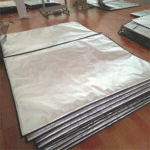
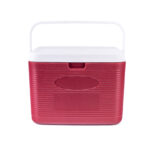
A VIP refrigerated box combines vacuum insulation panels with durable shells and phasechange materials (PCMs) to deliver longlasting temperature control. VIPs are thin panels composed of a microporous core (often fumed silica or fine glass fibers) sealed in a gastight barrier film; the air inside is evacuated to create a deep vacuum. Removing air virtually eliminates conduction and convection, leaving radiation as the main heattransfer path. As a result, VIPs achieve thermal conductivities as low as 0.004 W/m·K—ten times better than conventional foam insulation. This allows the box walls to be 10–15 mm thick instead of 25–40 mm, freeing up payload volume.
VIP boxes are not just technically impressive; they provide crucial compliance benefits. Most vaccines, biologics and some foods must be maintained between 2 °C and 8 °C, while certain gene therapies require –70 °C or below. FDA regulations (FSMA, DSCSA and Good Distribution Practice) mandate that companies use validated equipment, monitor temperature continuously, maintain full traceability and keep detailed records. Because VIP boxes deliver 7–10 days of temperature control with minimal refrigerant, they help you maintain these ranges during delays, customs holds or lastmile delivery.
How VIP Panels Work – The Science in Simple Terms
Imagine a thermos built like a vacuum flask but flattened into thin panels. A VIP panel contains a rigid, porous core made from fumed silica, fiberglass or aerogel. The core’s tiny pores block air molecules from transferring heat. This core is sealed within a multilayer barrier film and evacuated to create a deep vacuum. With the air removed, heat cannot travel via convection or conduction, leaving only slow radiation. Some VIP panels include reflective foil to deflect radiant heat, further boosting performance.
Practical meaning: because VIP walls are thin, you can pack more products inside and use less refrigerant. A typical 5L shipment in a VIP refrigerated box requires only 1.5 kg of PCM compared with 4 kg in expanded polystyrene (EPS) foam. This saves weight, reduces carbon emissions and lowers shipping costs.
| Insulation material | Thermal conductivity (mW/m·K) | Typical hold time | What it means for you |
| Expanded polystyrene (EPS) | 30–35 | 1–2 days | Thick walls, heavy weight and large refrigerant volume; often used in singleuse boxes |
| Polyurethane foam (PUR) | 24–30 | 3–4 days | Better performance but still bulky; moderate refrigerant requirement |
| Vacuum insulation panels (VIP) | 4–6 | 7–10 days | Thin (10–15 mm) walls, minimal PCM required, lighter shipments and more payload space |
Benefits of VIP Refrigerated Boxes Beyond Insulation
Longer hold times: With appropriate PCMs, VIP boxes maintain critical temperatures for 7–10 days. This is essential for longdistance shipments, customs delays or emergencies.
Higher payload efficiency: Thin walls free up to 20 % more internal space compared with foam packaging, enabling more products per shipment.
Reduced emissions: Less refrigerant means lower transport weight and fewer emissions. Recycling VIP cores can cut their global warming potential by 95 %.
Regulatory alignment: VIP boxes support reusable packaging mandates such as California SB 54 and EU packaging regulations requiring recyclable or compostable materials by 2032.
Digital integration: Many VIP boxes now include IoT sensors and data loggers for realtime temperature, humidity and location monitoring, ensuring compliance with 21 CFR Part 11 and DSCSA traceability requirements.
Practical Tips for Choosing and Using VIP Refrigerated Boxes
Precondition your equipment: Precool both the VIP box and the PCM to the target temperature before loading. This reduces temperature spikes and extends hold time.
Select the right PCM: For a 2–8 °C range, choose gel packs with a melt point around 5 °C; for frozen goods, use dry ice or PCMs with lower freezing points.
Arrange products carefully: Place PCMs on all sides, with heavier packs on top, and maintain an air gap between the payload and the VIP walls.
Seal quickly: Minimise open time during loading and seal with tamperevident tags and data loggers.
Monitor continuously: Use IoT sensors that transmit data every 1–5 minutes to detect deviations and alert you in real time.
Plan for reuse: Set up a reverse logistics loop; label boxes with return instructions and train staff to handle VIPs carefully to avoid punctures.
Realworld case: A pharmaceutical distributor replaced EPS with VIP boxes for a 5L vaccine shipment. By reducing ice packs from 4 kg to 1.5 kg and training staff on preconditioning, they extended hold time from two days to nearly ten days and reduced emergency reshipments by 80 %.
FDA Regulations and Compliance for ColdChain Packaging in 2025
The Food and Drug Administration imposes multiple regulations to safeguard temperaturesensitive products. To be FDA compliant, your VIP refrigerated box must do more than maintain temperature—it must support traceability, documentation and validated equipment.
Key Regulations: FSMA, DSCSA and Good Distribution Practice
Food Safety Modernization Act (FSMA): This law shifts focus from reacting to contamination to preventing it. The Food Traceability Final Rule requires companies that handle listed foods to keep Key Data Elements (KDEs) for each Critical Tracking Event (CTE) and to provide information to the FDA within 24 hours. The FDA has proposed extending the compliance date to July 20 2028.
Drug Supply Chain Security Act (DSCSA): DSCSA mandates interoperable electronic tracking for prescription drugs to prevent counterfeit products. Exemptions allow certain partners to delay enhanced requirements until May 27 2025 for manufacturers and August 27 2025 for distributors.
Good Distribution Practice (GDP) and 21 CFR Parts 203/211: GDP requires validated packaging, accurate temperature control, secure storage, recordkeeping and contingency plans.
Temperature Ranges and Monitoring Requirements
Most vaccines and biologics must stay between 2 °C and 8 °C, while certain viral vectors require –20 °C and advanced cell therapies need –70 °C to –150 °C. Maintaining these ranges requires continuous monitoring and validated sensors. IoT devices with GPS can notify you instantly when temperatures deviate. Under FDA guidelines, all sensors and data loggers must be calibrated and validated; calibration records must be archived.
| Temperature range | Example products | Equipment and packaging | Significance |
| 2 °C – 8 °C (controlled cold) | Most vaccines, insulin, monoclonal antibodies | VIP refrigerated box with gel packs and IoT sensors | Ensures potency and regulatory compliance |
| –20 °C (frozen) | Viral vectors, bulk biologic intermediates | Dryice packages, active reefer trucks, continuous data loggers | Maintains stability for frozen products |
| –70 °C to –150 °C (ultra cold) | mRNA vaccines, cell and gene therapies | Portable cryogenic freezers, advanced VIP containers | Essential for nextgeneration therapies |
Steps to Maintain FDA Compliance with VIP Refrigerated Boxes
Validate equipment: Calibrate sensors, loggers and refrigeration units under actual conditions; keep calibration certificates. Work with suppliers whose VIP panels are certified for medical use.
Implement continuous monitoring: IoT devices that transmit realtime data and comply with 21 CFR Part 11 (secure audit trails and user authentication) are essential. Devices should allow corrective action when deviations occur.
Maintain comprehensive documentation: Document temperature logs, SOPs, training records, deviation reports and corrective actions. Electronic systems should have secure user authentication and audit trails.
Train personnel: Educate staff on temperature ranges, PCMs, packaging and emergency protocols.
Conduct risk assessments: Identify points in your supply chain prone to excursions and create contingency plans such as backup power or alternative transport routes.
Validate packaging: Choose packaging validated for your product’s temperature range. The pharmaceutical coldchain packaging market forecasts that passive systems (VIP plus PCM) will hold 72.5 % share in 2025. Small boxes will dominate due to their versatility.
Leverage traceability technology: Use cloudbased platforms and blockchain to create tamperproof records. Blockchain provides an immutable ledger of temperature readings and custody transfers, reducing fraud and speeding audits.
Case example: A rural clinic shipping biologics used IoT sensors embedded in VIP coolers. When a traffic delay caused temperatures to drift, the sensor alerted the driver and dispatch team. They rerouted to a refrigerated warehouse, saving the shipment and demonstrating the value of realtime monitoring.
Selecting the Right PhaseChange Materials (PCMs) for VIP Boxes
PCMs are substances that absorb or release energy when they change phase—solid to liquid or vice versa. They maintain a stable temperature inside a VIP refrigerated box by buffering against external fluctuations. Choosing the right PCM is critical for compliance and product safety.
PCM Options and Their Characteristics
| PCM type | Temperature range | Pros | Cons | Practical use |
| Gel packs | 2–8 °C | Reusable, nontoxic and stable | Must be preconditioned; narrow range | Ideal for vaccines and biologics |
| Ice packs | 0–4 °C | Inexpensive and easy to handle | Risk of freezing sensitive goods; heavier weight | Suitable for chilled foods |
| Dry ice | –78 °C | Extremely cold and long lasting | Hazardous; requires proper ventilation | Used for frozen goods like biologics and seafood |
| Phasechange slurries | Custom (0–25 °C) | Adjustable composition, can store more heat | Requires special handling; emerging technology | Suitable for longer trips and extreme climates |
How to Match PCMs to Your Shipment
Determine your temperature range: Consult product stability data and regulatory requirements. For example, insulin requires 2–8 °C, while mRNA vaccines require –70 °C.
Estimate trip duration: Use route analysis and worstcase scenarios to calculate how long the box must maintain temperature.
Calculate PCM weight: Overloading PCMs wastes space and energy, while too little compromises compliance. Use manufacturer guidance or test shipments with data loggers to refine your strategy.
Helpful decision tools
Check the details before you choose packaging
These quick tools can help you compare route risk, sizing needs, coolant choices, and packaging details before you request a quote.
Packaging Selector
Compare insulated packaging options by product, route, and temperature need.
Find packagingIce Pack Calculator
Estimate gel ice pack quantity for chilled shipments and practical route planning.
Estimate ice packsDry Ice Calculator
Estimate dry ice needs for frozen or ultra-cold shipments before packing.
Estimate dry iceBalance reusability: Choose reusable PCMs (gel packs or advanced slurries) when sustainability is important; coordinate reverse logistics so PCMs can be reclaimed along with the VIP box.
Tips for Handling PCMs
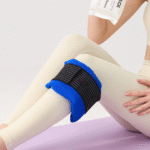
Avoid condensation: Place absorbent pads inside the box to catch moisture when gel packs thaw.
Plan return and refurbishment: Many suppliers offer PCM recycling or refilling services. Label PCMs and coordinate pickups.
Train staff: Improper handling, such as exposing PCMs to sharp edges or leaving them at ambient temperatures, may degrade performance.
Practical scenario: A specialty food exporter shipping cheese to Europe switched to VIP boxes with gel packs. After training staff on preconditioning and PCM arrangement, they maintained 2–6 °C for eight days and reduced spoilage from 12 % to 2 %.
Market Trends and Drivers for VIP Refrigerated Packaging in 2025
Explosive Market Growth and Sustainability Push
The coldchain industry is expanding rapidly. Analysts estimate that the global coldchain packaging market was USD 34.28 billion in 2024 and could reach USD 89.84 billion by 2034. Reusable packaging is a key driver, forecast to rise from USD 4.97 billion in 2025 to USD 9.13 billion by 2034. In the healthcare sector, the coldchain logistics market is valued at USD 65.14 billion in 2025 and could reach USD 137.13 billion by 2034.
Several forces shape this growth:
Rise of biologics and gene therapies: These products require stringent temperature control and drive the need for highperformance packaging.
Ecommerce grocery boom: Crosscountry food deliveries demand reliable packaging with longer transit times.
Regulatory pressure: Laws like the EU Packaging and Packaging Waste Regulation (PPWR) and California SB 54 require all packaging to be recyclable or compostable by 2032. Singleuse EPS foam is being phased out across many states and countries.
Consumer awareness: Companies are adopting sustainable packaging to enhance brand image and meet customer expectations.
Emerging Technologies Redefining the Cold Chain
IoT and realtime monitoring: Sensors embedded in VIP boxes measure temperature, humidity, light and shock, transmitting data instantly over cellular or satellite networks. This shifts the cold chain from reactive to proactive management.
Blockchain traceability: Immutable ledgers record every temperature reading and custody transfer, building trust and simplifying audits.
Artificial intelligence and predictive analytics: AI models analyse historical shipments, weather patterns and route conditions to predict temperature excursions and optimise routes. This reduces fuel consumption and prevents delays.
Digital twins: Virtual models of logistics networks allow companies to test packaging scenarios and route changes before implementation.
Solarpowered and hybrid refrigeration: Solar units provide offgrid refrigeration for remote areas, with energy costs as low as 3.2 cents per kWh compared with 13.10 cents per kWh for average commercial electricity.
Biodegradable materials: Research is exploring bioaerogels and cellulose cores to replace silica in VIP panels. Recycling programs aim to reduce global warming potential by 95 %.
Opportunities and Challenges for VIP Packaging
Opportunities:
Higher payload efficiency and brand differentiation: More space inside the box means more product per shipment and less waste. Companies using VIP boxes can market their sustainability commitments and regulatory compliance.
Regulatory compliance: VIP boxes meet new recycling mandates and help companies avoid penalties.
Cost reduction through innovation: As production scales and new materials emerge, costs are decreasing. Hybrid systems combining VIPs with polyurethane foam balance performance and affordability.
Challenges:
Upfront cost: VIP boxes cost more per unit than foam boxes. However, the longer lifespan and fewer reshipments often offset the cost.
Fragility: Puncturing the barrier film can destroy the vacuum and reduce performance; proper handling is essential.
Endoflife management: Recycling VIP cores requires specialised facilities; collaboration with recycling programs is needed.
2025 Innovations and Future Outlook for VIP Refrigerated Boxes
The future of VIP refrigerated boxes for FDA compliant packaging is bright. Innovations in materials, barrier films, digital integration and cost reductions will shape the next decade.
Emerging Materials and Recycling Initiatives
Researchers are developing biodegradable cores made from bioaerogels and cellulose to replace fumed silica. Recycling programs are scaling up: one European initiative plans to recycle 140 pallets of VIP panels annually, cutting CO₂ emissions by 306 tons. By recovering silica, the global warming potential of VIP panels could drop by 95 %.
Advances in Barrier Films and Vacuum Technology
Nanocomposite barrier films combine metal layers with polymer laminates to improve gas impermeability and extend panel life. Improved vacuum pumps lower manufacturing energy, and some experimental VIPs achieve thermal conductivities below 1.15 mW/m·K. Hybrid systems use VIPs with polyurethane or aerogel to balance cost and performance.
Digital Monitoring and Predictive Analytics
IoT sensors, AI algorithms and digital twins are transforming VIP boxes into intelligent assets. Sensors record temperature, humidity, shock and GPS location; AI analyses patterns to predict when the box may breach temperature limits. Digital twins allow companies to test new routes or packaging designs virtually, reducing risk and improving efficiency.
Cost Reduction and Scalability
Demand for VIP boxes is increasing, leading to economies of scale and lower manufacturing costs. As costs decline, VIP boxes will become competitive with highend foam packaging, making them accessible to midrange applications. Hybrid systems mixing VIPs with foam or aerogel may further reduce costs while maintaining compliance.
Frequently Asked Questions
Q1: How long can a VIP refrigerated box maintain its temperature?
Highquality VIP boxes can keep products at 2–8 °C for 7–10 days when paired with the right phasechange materials. Duration depends on insulation thickness, PCM weight, ambient temperature and how often the box is opened.
Q2: Is a VIP box better than EPS or PUR foam?
Yes. VIP panels provide 10× better insulation, require thinner walls and reduce refrigerant weight. A 5L shipment needs only 1.5 kg of PCM in a VIP box compared with 4 kg in EPS, freeing more payload space.
Q3: Are VIP boxes recyclable?
Yes, but recycling requires specialised facilities. Recycling programs can reduce the carbon footprint of VIP cores by 95 %. Choose suppliers with takeback or recycling programs.
Q4: Can I customise the size of my VIP box?
VIP panels can be cut to specific dimensions, but complex shapes increase cost and may compromise vacuum integrity. Work with manufacturers to design modular systems that fit your products.
Q5: Do VIP boxes help meet sustainability regulations?
Yes. VIP boxes are reusable and recyclable. Their thin walls and superior insulation reduce CO₂ emissions from transport, helping you meet regulations like the EU PPWR and California SB 54.
Q6: What documentation do I need to keep for FDA compliance?
You must maintain temperature logs, calibration certificates, SOPs, training records, deviation reports and corrective actions. Electronic records must meet 21 CFR Part 11 requirements for audit trails and authentication.
Q7: How can I reduce the cost of VIP boxes?
Consider hybrid insulation systems that combine VIPs with polyurethane or aerogel to balance performance and price. As demand grows, production costs are declining. Also account for savings from reduced spoilage and reshipments.
Q8: What is the impact of new FSMA rules on coldchain packaging?
The Food Traceability Final Rule requires additional recordkeeping for foods on the FDA’s Food Traceability List and may extend the compliance date to July 20 2028. VIP boxes, with integrated IoT and traceability features, support the documentation needed to comply.
Summary and Recommendations
Key takeaways: A VIP refrigerated box is a highperformance packaging solution that meets FDA compliance requirements and supports sustainability goals. By using vacuum insulation panels, these boxes achieve thermal conductivities as low as 0.004 W/m·K and maintain temperature for 7–10 days with minimal PCM. They provide more internal space, reduce refrigerant weight and lower carbon emissions. VIP boxes align with FSMA and DSCSA regulations by enabling continuous monitoring and documentation. Market trends indicate explosive growth, driven by biologics, ecommerce grocery and stricter environmental regulations. Innovations in materials, digital monitoring and recycling will further enhance performance and affordability.
Actionable guidance: To adopt VIP refrigerated boxes successfully, start by assessing your product’s temperature range and trip duration. Select PCMs that match the required range and precondition them along with the box. Use IoT sensors and cloud platforms for realtime monitoring and traceability. Train your staff to handle VIP panels carefully and document all processes to meet FDA audit requirements. Engage with suppliers offering recycling programs and modular box designs to reduce environmental impact and cost. Finally, integrate digital tools like AI and blockchain to optimise routes and ensure compliance.
About Tempk
Tempk is a leader in coldchain packaging solutions, specialising in VIP refrigerated boxes and other ecofriendly products. We design and manufacture highperformance containers that combine vacuum insulation panels, reusable exteriors and smart monitoring. Our products maintain critical temperatures for pharmaceuticals, biologics, food and industrial materials. With decades of industry experience and a commitment to sustainability, we invest in research to develop biodegradable cores, improve barrier films and reduce lifecycle emissions. We help you comply with global regulations, reduce carbon footprints and deliver safely and efficiently.
Call to action: Ready to enhance your cold chain? Contact our specialists for a personalised assessment, request a product demonstration or explore our recycling program. We are here to help you ship more with less energy and greater peace of mind.