Cold Chain Vegetables Logistics: How to Keep Produce Fresh & Sustainable in 2025
Update: December 2025. The cold chain for fresh produce is evolving rapidly. New regulatory requirements, more demanding consumers and globalized supply chains make cold chain vegetables logistics a strategic priority. This guide explains what you need to know—temperatures, humidity, digital tools and sustainability—to keep vegetables fresh, safe and profitable in 2025. Whether you operate a farm, a warehouse or a grocery chain, you’ll find practical recommendations and datadriven insights.
This Guide Will Help You:
Understand why reliable cold chains are essential to reduce food loss and meet regulations.
Identify optimal temperature and humidity ranges for different vegetable categories.
Discover smart technologies like IoT sensors, AI and digital traceability that improve cold chain management.
Learn about 2025 market trends and investment opportunities in cold chain logistics.
Implement sustainability strategies that lower energy consumption and greenhouse gas emissions.
Navigate frequent questions about vegetable cold storage and compliance requirements.
Why Is a Strong Cold Chain for Vegetables Essential in 2025?
Vegetables spoil quickly because they are mostly water and breathe even after harvest. Without controlled temperatures and humidity, respiration accelerates, nutritional value drops and pathogens multiply. The Food and Agriculture Organization estimates that more than 50 % of vegetable harvests are lost in parts of subSaharan Africa and Asia due to inadequate cold chains. Poor refrigeration leads to microbial growth that contaminates produce and contributes to 12 % of global food waste.
Recent regulatory changes also raise the stakes. The U.S. Food Safety Modernization Act (FSMA) Section 204 introduces a digital traceability rule requiring 24hour endtoend visibility of food supply chains. Compliance deadlines begin in 2026, but many operators are upgrading systems now to avoid penalties. Consumers are equally demanding: they expect crisp greens, unbruised tomatoes and transparent information about how their food was handled. In this environment, a robust cold chain is no longer optional—it’s a competitive advantage.
Food Loss and Energy Costs
Keeping produce cold consumes energy, but failing to do so wastes resources and money. In the United States, about 70 % of food travels through refrigerated supply chains, yet roughly onequarter is still lost due to temperature breaches. Refrigeration accounts for approximately 15 % of global electricity use and 4 % of greenhouse gas emissions, so efficiency matters. The “Move to –15 °C” coalition advocates raising freezer set points from –18 °C to –15 °C to save 10–15 % in energy costs while preserving quality. Such strategies illustrate how sustainability and profitability go hand in hand.
Regulatory Deadlines and Consumer Expectations
FSMA Section 204 requires companies to record temperature data and maintain chainofcustody records for key vegetables. Digital compliance becomes mandatory by January 20 2026 for many items (with proposed extensions to July 2028 for some categories). Failing to meet these requirements can result in recalls and fines. Customers are also paying attention. They favour brands that invest in recyclable packaging, natural refrigerants and transparent supply chain practices.
How to Store Vegetables: Temperature, Humidity and Handling
Different vegetables have unique physiological traits, so a onesizefitsall approach won’t work. Keeping produce at optimal temperatures and humidity slows respiration, reduces wilting and minimizes microbial growth. Use the table below as a starting point, but adjust based on variety, maturity and packaging.
Key Storage Categories and Guidelines
Leafy greens and herbs – These tender vegetables, such as spinach, lettuce and basil, require cold and moist conditions. Keeping them at 0–4 °C (32–39 °F) with 90–95 % relative humidity maintains crispness and slows yellowing. Delay between harvest and cooling should be minimal; studies show that asparagus toughness increases by 40 % if not chilled within a few hours.
Root and tuber vegetables – Potatoes, carrots and beets prefer slightly warmer environments. 10–13 °C (50–55 °F) and 85–90 % humidity prevent sprouting and shrivelling. Some roots like potatoes should never drop below 3 °C because low temperatures convert starches to sugars and cause sweetening.
Tropical and warmseason vegetables – Items such as tomatoes, cucumbers and peppers are sensitive to chilling. They are best stored around 10–13 °C with moderate humidity. Cold temperatures can lead to pitting or flavour loss. For onions and garlic, low humidity (60–70 %) reduces mould growth.
| Vegetable Category | Optimal Temperature | Humidity Range | Practical Benefit |
| Leafy greens & herbs | 0–4 °C (32–39 °F) | 90–95 % RH | Prolongs crispness and colour, reduces wilting |
| Root & tuber vegetables | 10–13 °C (50–55 °F) | 85–90 % RH | Prevents sprouting, preserves firmness |
| Tropical vegetables | 10–13 °C (50–55 °F) | 85 % RH | Avoids chilling injury and retains flavour |
| Onions & garlic | 32 °F (0 °C) | 60–70 % RH | Controls mould growth; low humidity prevents rot |
| Frozen vegetables | –18 °C (0 °F) or lower | Frozen | Halts microbial growth and enzymes |
Handling and Packaging Best Practices
Precool quickly: Use hydrocooling or forcedair cooling to drop field temperature rapidly. A delay of even a few hours can accelerate respiration and quality loss.
Maintain humidity: Use moistureimpermeable liners or breathable films that balance moisture retention with air exchange. High humidity prevents dehydration, but condensation must be managed to reduce pathogen risk.
Minimize handling: Each touch can bruise produce and provide entry points for decay. Train staff to handle crates gently and avoid stacking heavy boxes on soft vegetables.
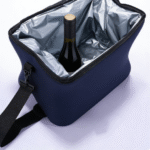
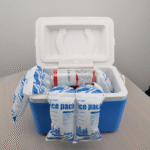
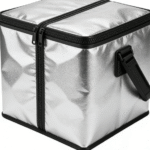
Use insulated packaging: Vacuuminsulated containers and phasechange materials help maintain temperatures during transport. Insulated returnable crates reduce waste and ensure consistent thermal performance.
RealTime Monitoring and Digital Traceability
Modern cold chains rely on InternetofThings (IoT) sensors that transmit temperature and humidity data every 10–15 minutes. These devices send alerts when thresholds are breached, enabling corrective action before spoilage occurs. Wireless monitoring also supports FSMA compliance by generating digital records that regulators and customers can audit. Pair IoT hardware with cloudbased platforms that integrate GPS, door sensors and predictive analytics to forecast temperature changes based on route and weather.
Emerging artificial intelligence (AI) algorithms predict equipment failures and optimize energy use by adjusting compressor cycles. For example, predictive analytics can schedule defrost cycles at times of low load to reduce energy consumption. Digital twin models replicate warehouse conditions to test layout changes virtually before implementation.
Innovations Shaping Cold Chain Vegetables Logistics in 2025
Technology and process innovations are transforming how vegetables move from farm to table. Here are the most influential developments for 2025:
1. Automation and Robotics
Warehouse automation increases throughput while reducing labour shortages and contamination risks. Yet, according to Trackonomy, roughly 80 % of warehouses globally are still not automated. Companies are investing in robotic palletizers, automated guided vehicles (AGVs) and robotic sorters capable of handling fragile produce without bruising. Automated systems can process up to 2,500 pieces per hour, making them ideal for highvolume operations.
2. AIDriven Predictive Analytics
AI uses historical data to predict temperature deviations, equipment breakdowns and demand patterns. This allows proactive interventions that minimize spoilage. For example, algorithms may suggest rerouting a shipment during a heatwave or temporarily raising freezer temperatures to conserve energy without compromising quality. The hardware market for realtime tracking holds approximately 76.4 % market share, signaling widespread adoption.
3. CrossBorder Trade and New Food Categories
Cold chain capacity is expanding globally. India’s cold storage space grew 35 % between 2020 and 2024, while China’s capacity exceeds 200 million m³. Perishable exports are increasing by 5.6 % annually, and AsiaPacific cold chain markets grow at around 14 % CAGR. New food categories, including plantbased meats and precut salads, require specialized handling and drive additional investment.
4. Sustainable Solutions
Natural refrigerants like ammonia, CO₂ and hydrocarbons are replacing highGWP chemicals. Recyclable packaging mandates and energyefficient equipment are becoming standard. The Move to –15 °C initiative reduces energy use by 10–15 % and lengthens equipment life. Renewable energy integration—such as solarpowered cold storage facilities—lowers operational costs and carbon emissions.
Challenges and Risk Management
The cold chain is complex, and breakdowns can occur. Understanding potential risks helps you design resilient systems.
Temperature fluctuations: Equipment failures, door openings and power outages can allow produce to enter the danger zone (4–60 °C or 40–140 °F) where bacteria multiply rapidly. Mitigate this by using redundant cooling units, backup generators and insulated containers.
Human error: Inadequate training can lead to improper temperature settings or mishandling of produce. Regular training and clear standard operating procedures reduce mistakes. Digital checklists and mobile apps can reinforce protocols.
Regulatory noncompliance: FSMA requires robust recordkeeping and rapid traceability. Noncompliance can trigger recalls and legal action. Ensure your systems are capable of capturing and retaining data for the required duration.
Helpful decision tools
Check the details before you choose packaging
These quick tools can help you compare route risk, sizing needs, coolant choices, and packaging details before you request a quote.
Ice Pack Calculator
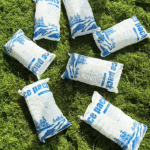
Estimate gel ice pack quantity for chilled shipments and practical route planning.
Estimate ice packsCompliance Checklist Generator
Build a practical checklist for packaging review, shipping, and documentation.
Build checklistCoolant & PCM Reference
Compare coolant and PCM options when a route needs added temperature support.
Compare optionsEquipment breakdown: Compressors and cooling units are subject to wear and tear. Predictive maintenance uses sensor data to identify anomalies and schedule repairs before breakdowns occur.
Transportation challenges: Long distances, border delays and extreme weather can compromise temperature control. Plan routes carefully, choose carriers with refrigerated fleets and include margin for delays.
RiskManagement Checklist
| Risk Factor | Mitigation Strategy | Specific Benefit |
| Power outage | Install backup generators and UPS systems | Maintains temperature during electrical failures |
| Human error | Provide training, digital SOPs and checklists | Reduces mistakes and ensures consistent handling |
| Regulatory compliance | Implement FSMAready traceability systems | Avoids recalls and meets legal requirements |
| Equipment failure | Use predictive maintenance and realtime diagnostics | Prevents breakdowns, reduces downtime |
| Transportation delays | Plan contingency routes and cold‐chain partners | Preserves freshness during unforeseen events |
Market Trends and Economic Outlook for 2025
The cold chain vegetables logistics sector is growing rapidly. Understanding market dynamics helps you plan investments and partnerships.
Global Market Size and Growth
The global cold chain logistics market is valued at approximately USD 436 billion in 2025 and is forecast to reach USD 1.36 trillion by 2034, representing a compound annual growth rate (CAGR) of 13.46 %. The AsiaPacific region leads growth at 14 % CAGR due to expanding middle classes and increasing demand for fresh produce. Persistently high food waste and stricter safety regulations also drive investment in refrigeration infrastructure.
The food cold chain market—focused specifically on food—stands at around USD 65.8 billion in 2025 and is projected to exceed USD 205 billion by 2032 with a 17.5 % annual growth rate. Frozen vegetable sales alone amount to about USD 57 billion and are expected to reach USD 102.3 billion by 2035.
Price Trends
According to the U.S. Department of Agriculture’s Food Price Outlook, retail fresh vegetable prices grew 2.8 % between July and August 2025. However, overall retail prices are predicted to remain flat in 2025, with changes between –1.3 % and 1.3 %. Farmlevel vegetable prices are expected to decline 14.1 % during the same period. These trends indicate that supply chain efficiencies will be critical for profitability.
Market Share by Segment and Region
| Segment or Region | Value (2025) | Growth Outlook | What This Means for You |
| Global cold chain logistics | $436 billion | 13.46 % CAGR to 2034 | Massive expansion; investment opportunities abound |
| Food cold chain market | $65.8 billion | 17.5 % CAGR to 2032 | Demand for fresh and frozen foods rising; more specialization required |
| Frozen vegetable market | $57 billion | 6 % CAGR to 2035 | Growth in convenience foods; need for deepfreeze capacity |
| AsiaPacific region | – | 14 % CAGR | Rapid infrastructure development; crossborder trade increasing |
| North America | – | Moderate growth | Strong regulatory environment; focus on sustainability |
These numbers illustrate that cold chain vegetables logistics is not a niche topic but a major economic force. Companies that adopt innovative technologies and sustainable practices stand to gain market share.
Sustainability and Energy Savings
Environmental concerns and rising energy costs are shaping cold chain strategies. Food loss and waste contribute 8–10 % of global greenhouse gas emissions, and refrigeration systems consume 17 % of the world’s electricity. To meet climate goals and regulatory requirements, companies must reduce their carbon footprint.
Strategies to Reduce Environmental Impact
Adopt natural refrigerants: Ammonia (NH₃), carbon dioxide (CO₂) and hydrocarbons have lower global warming potentials than synthetic refrigerants. They also improve thermodynamic efficiency, thereby reducing energy use.
Use renewable energy: Solar panels, wind turbines and wasteheat recovery systems can offset electricity consumption. Hybrid systems with battery storage ensure reliability.
Optimize logistics routes: AIpowered software selects the most energyefficient routes, reducing fuel consumption and transit times. Combined loads and backhauls minimize empty runs.
Implement energyefficient equipment: Highefficiency compressors, variablespeed drives and advanced insulation materials reduce power consumption. The Move to –15 °C initiative demonstrates that small temperature adjustments can yield 10–15 % energy savings.
Recycle and reuse packaging: Lightweight, reusable crates and recyclable films reduce waste. Compliance with the EU packaging directive, which requires recyclable packaging for refrigerated products, improves brand reputation.
Case Study: Achieving Sustainability and Profitability
An international produce distributor invested in CO₂based refrigeration systems and solar panels on warehouse roofs. Combined with predictive AI to optimize loading schedules, the company reduced energy costs by 12 % and achieved a 20 % reduction in greenhouse gas emissions within one year. The new systems paid for themselves in less than three years through energy savings and reduced waste. Customer satisfaction also improved, as produce arrived fresher and packaging was recyclable.
Latest Developments and Future Outlook
Looking ahead, several emerging trends will shape cold chain vegetables logistics beyond 2025:
Standardized data frameworks: By 2025, about 74 % of global cold chain providers are expected to adopt standardized logistics data formats. This will improve interoperability between software platforms and reduce manual data entry.
Hyperlocal microfulfilment: Urban microfulfilment centres allow sameday delivery of fresh vegetables while reducing lastmile emissions. Integrating robotics, AI and renewable energy, these hubs optimize storage and distribution.
Resilient infrastructure: Investments in backup power, modular cold rooms and mobile refrigeration units protect supply chains from extreme weather events and grid failures.
Advanced packaging: Active packaging that absorbs ethylene or releases natural antimicrobial compounds can extend shelf life. Researchers are exploring biodegradable films derived from plant fibres.
Digital twin supply chains: Simulated models of warehouses and transport routes allow companies to test new layouts, container designs and energy strategies before realworld implementation.
Regulatory harmonization: Countries are working toward aligned safety and sustainability standards for crossborder trade, reducing compliance complexity.
These developments underscore the need to remain agile and embrace innovation. Companies that invest in digital systems, sustainable practices and continuous improvement will thrive in the evolving landscape.
Frequently Asked Questions
Q1: How long can leafy greens be stored at 0–4 °C?
Leafy greens like lettuce and spinach stay fresh for about 5–7 days when stored at 0–4 °C and 90–95 % humidity. Quick cooling and proper packaging are crucial to prevent wilting and browning. Use breathable bags to maintain humidity without condensation.
Q2: What is the “danger zone” for vegetable spoilage?
The danger zone is 40–140 °F (4–60 °C)—temperatures where bacteria multiply rapidly. To keep vegetables safe, ensure that refrigerated transport and storage stay below 40 °F (4 °C). Brief excursions above this zone can result in accelerated spoilage.
Q3: Why is digital traceability important in 2025?
FSMA’s digital traceability rule requires companies to record and retain key data elements, such as temperature logs and handling events, within 24 hours. Digital systems simplify compliance, improve recall response and build consumer trust. They also enable predictive analytics for better route planning and risk management.
Q4: How can small farms improve their cold chain operations?
Small farms can start by investing in insulated containers and portable data loggers. Partnering with local cooperative distribution hubs reduces capital expenditure. Grants and incentives are often available for installing energyefficient cooling equipment and adopting renewable energy.
Summary and Recommendations
The cold chain is a cornerstone of modern agriculture and food retail. In 2025, cold chain vegetables logistics must deliver not only freshness but also sustainability, efficiency and transparency. Key takeaways include:
Control temperature and humidity: Different vegetables have distinct needs; monitor conditions continuously.
Adopt digital technologies: IoT sensors, AI and traceability platforms reduce waste and ensure regulatory compliance.
Invest in sustainable practices: Natural refrigerants, renewable energy and recyclable packaging lower environmental impact.
Plan for resilience: Redundant systems, predictive maintenance and contingency routes mitigate risk.
Follow market and regulatory trends: Growing demand, new regulations and evolving consumer preferences require constant adaptation.
By following these guidelines, you can improve product quality, reduce waste and enhance profitability. Evaluate your current cold chain operations against these best practices and prioritize investments that deliver both shortterm returns and longterm sustainability.
About Tempk
Tempk is a leading provider of temperature control and cold chain solutions. We design, manufacture and service refrigeration systems, insulated containers and digital monitoring platforms tailored to the food and pharmaceutical industries. Our solutions help clients reduce energy consumption, comply with evolving regulations and deliver fresh products safely. With decades of expertise and a commitment to innovation, we support businesses of all sizes in building resilient, sustainable cold chains.