EPP Transport Box Buy Online: Ultimate 2025 Buying Guide
Updated December 2025. If you’re looking to buy an EPP transport box online, you likely need a reliable way to keep temperature-sensitive items safe in transit. Expanded polypropylene (EPP) transport boxes are lightweight, super-insulating foam containers that have transformed cold chain shipping with their durability and reusability. They offer superior insulation and can be reused hundreds of times, helping you cut waste and costs. In this guide, we’ll break down what EPP boxes are, why they’re game-changing for food and pharma logistics, and how you can choose the perfect one to buy online in 2025.
This Article Will Answer:
What is an EPP transport box and why use it? – Explains EPP foam benefits (lightweight, shockproof, insulating) for cold chain needs.
How do EPP boxes compare to EPS foam boxes? – Compares expanded polypropylene vs expanded polystyrene for durability, reuse, and safety.
How to choose and buy EPP transport boxes online? – Guides you on key factors (size, insulation performance, supplier credibility) when purchasing globally.
What are the latest trends in EPP boxes (2025)? – Highlights new developments (sustainability, collapsible designs, regulations) shaping EPP packaging.
FAQs about EPP boxes – Answers common questions on eco-friendliness, reuse lifespan, temperature range, and more.
Why Choose EPP Transport Boxes for Cold Chain Shipping?
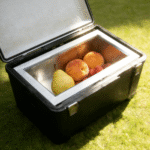
EPP transport boxes are insulated containers made of expanded polypropylene foam – a material that’s light, robust, and highly insulating. These boxes are designed to keep contents cold (or warm) for hours by minimizing temperature fluctuations. Unlike regular styrofoam (EPS) coolers, EPP boxes don’t crack easily and can bounce back from impacts, protecting your goods from jolts. They are also hygienic and food-safe, making them suitable for transporting everything from fresh meals to vaccines. In short, EPP boxes provide reliable temperature control and durability, which is crucial when shipping perishable or sensitive products.
[Expanded explanation:
EPP stands for Expanded Polypropylene, a type of foam plastic that acts as a thermal insulator similar to styrofoam but with added benefits. When you pick up an EPP transport box, you’ll notice it’s extremely light yet sturdy – this means less shipping weight for you but solid protection for what’s inside. The foam walls have tiny air pockets that slow down heat transfer, helping maintain the right temperature inside the box. For example, an EPP cooler box can keep frozen items cold or hot meals warm during transport, often handling temperature ranges from about -40°C up to +120°C without damage. In practical terms, you can ship ice creams or laboratory samples in an EPP box on a summer day or send hot food to an event, and the box will shield contents from outside temperatures. Because the material is impact-resistant, the box won’t shatter if dropped – it absorbs shocks that would crack a brittle EPS foam cooler. This resilience means you can reuse the same EPP box over and over, making it a smart long-term investment for both businesses and individuals worried about shipping safety.]
EPP vs. EPS Foam: What’s the Difference?
EPP vs. EPS at a glance: Expanded Polypropylene (EPP) and Expanded Polystyrene (EPS) are both foam materials, but EPP is far more durable and reusable. EPS (think of the white disposable foam coolers) is inexpensive and lightweight, but it’s generally single-use – it tends to crack or crumble after one trip. EPP foam, by contrast, is flexible and tough: you can press it and it will spring back, surviving drops or compression that would break EPS. EPP boxes also handle a wider temperature range and resist moisture and chemicals better, so they’re less likely to degrade with use. While EPS boxes are cheap upfront, they create a lot of waste and recurring cost if you constantly replace them. EPP boxes cost more initially, but they can be reused hundreds of times and are fully recyclable, which leads to major cost savings and sustainability benefits over time.
| Feature | EPP Foam Box (Expanded Polypropylene) | EPS Foam Box (Expanded Polystyrene) | What It Means for You |
| Durability & Reuse | Extremely durable; can be reused 200–500+ times without significant wear. | Prone to cracking; often single-use only. | An EPP box is a one-time buy that lasts years, saving you money long-term. |
| Insulation Performance | Excellent insulator (maintains cold/heat for hours). Similar thermal properties to EPS. | Excellent insulator initially, but loses performance if damaged. | Both keep items at temperature, but EPP maintains performance across many trips. |
| Weight & Strength | Lightweight yet tough – handles drops, vibrations (shock-absorbing). | Lightweight but brittle – easily breaks under impact. | EPP boxes protect contents better, reducing product loss from mishandling. |
| Environmental Impact | Reusable and 100% recyclable; less energy to produce than many plastics. | Hard to recycle; often ends up as landfill waste. | Using EPP means far less waste and an eco-friendlier supply chain. |
| Upfront vs. Total Cost | Higher upfront cost per box. | Low cost per unit. | Lower total cost with EPP due to hundreds of uses (no constant re-buying). |
Practical Tips for Using EPP Boxes
For Meal Deliveries: If you run a food delivery or catering service, pre-heat or pre-chill your EPP boxes before loading. This maximizes their thermal efficiency, so meals stay piping hot (or salads crisp and cool) on arrival. Use appropriate heat packs or cold gel packs to extend temperature control.
For Pharmaceuticals: Shipping vaccines or medications? Use EPP boxes with proper coolant packs and data loggers. EPP containers are ideal because they’re certified food/medical safe and hold strict temperature ranges. Adding a temperature logger inside will let you track if the box stayed within safe limits throughout shipping.
For Personal Travel or Grocery: Planning a road trip with perishables? Choose a lightweight EPP cooler box with a tight lid. It will keep your drinks cold and ice frozen much longer than a regular plastic cooler, and it’s easy to carry. When you stop, you won’t find leaks because EPP doesn’t “sweat” like cheap foam. Plus, you can reuse it for countless picnics or grocery hauls without it falling apart.
Real Case – Reusable Boxes Save Money & Waste: A mid-sized pharmaceutical distributor switched from single-use EPS shippers to reusable EPP transport boxes in 2024. In one year, they saved approximately $2 million in packaging costs and eliminated over 424,000 pounds of foam waste by reusing insulated EPP containers. This not only cut disposal fees and product loss (fewer broken boxes = fewer ruined meds), but also boosted their sustainability credentials with clients. The bottom line: investing in durable EPP boxes paid off in both cost savings and reliability.
How to Choose and Buy EPP Transport Boxes Online
Buying EPP transport boxes online is easier than ever in 2025, with global access to specialized suppliers. To ensure you get the right box for your needs, keep these key factors in mind:
- Size & Capacity:Determine what you’ll be shipping and choose a box size that fits your largest payload. EPP boxes come in various liter capacities – from small 5–10 liter personal coolers up to 100+ liter crates for bulk transport. Make sure internal dimensions accommodate your goods plus any ice packs. For example, standard “GN” sizes(Gastronorm, common in catering) are available for food trays, and specialized vaccine box sizes exist for pharma. Don’t oversize unnecessarily, as extra empty space can reduce thermal efficiency.
- Insulation Performance:Check the specifications for how long the EPP box can maintain temperature with typical coolant. Quality EPP containers often advertise performance like “Keeps frozen for 48 hours with X ice packs.” If you need to ship frozen fish for 24 hours or ensure vaccines stay 2–8°C for 2 days, choose a box rated for that duration. Look for thick wall EPP boxes or those compatible with vacuum-insulated panelsfor extended transit times. Also verify the temperature range the box material can handle – high-grade EPP can handle deep freeze and hot contents (-40°C to +120°C) without warping.
- Reusability & Quality:Not all EPP boxes are equal. Since one main point of EPP is reusability, ensure the product is rated for many cycles– sturdy construction, easy to clean surfaces, and replaceable parts (like lids or gaskets) are a plus. Read reviews or supplier info on how many reuses to expect. High-quality EPP transport boxes from reputable brands can last for 500+ uses with proper care. Make sure the box has good latches or closure design to seal tightly; a well-sealed box maintains temperature and prevents spills or contamination during transport.
- Certifications & Safety:If you’re transporting food, pharmaceuticals, or biotech products, verify the box meets relevant safety standards. Food-grade EPPwill be marked as BPA-free, non-toxic and often has a food-safe certification. For medical use, some EPP shippers meet pharma validation standards (like ISTA 7D/7E for temperature control packaging). Also consider if the box is compliant with any regulations, e.g., dry ice shipment compatibility if you plan to use dry ice (EPP generally handles dry ice temperatures, but the box should vent CO₂ gas safely).
- Supplier Reputation & Support:When buying online, especially for business use, choose a supplier with expertise in cold chain packaging. Look for detailed product descriptions, specification sheets, and customer support. Specialized cold chain suppliers (like manufacturers or distributors of temperature-controlled packaging)can guide you on the best solution and often offer warranties. Buying directly from manufacturers or their authorized dealers ensures authenticity and usually better bulk pricing. If you’re a consumer just wanting one box for personal use, large e-commerce platforms (Amazon, Alibaba, etc.) list EPP coolers – but stick to known brands and read user reviews.
- Global Shipping & Cost:Since you might be ordering these online globally, check the shipping costs – EPP boxes are lightweight but bulky. Many providers offer flat-rate or even free shipping for larger orders. Also consider import duties if buying internationally. Compare prices not just per box, but factor in how many uses you’ll get. An EPP box might cost more than a cheap foam cooler, but dividing the cost over hundreds of usesmakes it pennies per shipment, which is a smart investment.
Buying Online Safely – Checklist
Compare Options: Shortlist a few EPP box models that meet your size and performance needs. Compare their specs side by side (capacity, insulation time, reuse rating, price). Many supplier websites let you download spec sheets – use them.
Check Reviews and Case Studies: See if the supplier showcases case studies or if other buyers have left feedback. Positive reviews from businesses in your industry (food, pharma, etc.) are a good sign.
Inquire if Needed: Don’t hesitate to contact the seller with questions (legitimate suppliers will have a contact form or chat). Ask about replacement parts, cleaning instructions, or any guarantees. This also tests their responsiveness.
Verify Secure Purchase: When ready to buy, ensure the website is secure (HTTPS) and offers trusted payment methods. For large orders, you might request a proforma invoice and pay via bank transfer to the company. For single items, using a platform with buyer protection can give peace of mind.
Plan for Delivery: Because EPP boxes are bulky, note the delivery time. If you need them by a certain date for a project or seasonal peak, order well in advance. Also, have space ready to store them (they are often stackable, and some models are collapsible to save space when not in use).
Helpful decision tools
Check the details before you choose packaging
These quick tools can help you compare route risk, sizing needs, coolant choices, and packaging details before you request a quote.
Insulation Material Reference
Compare insulation material choices for different cold chain packaging needs.
Compare materialsCoolant & PCM Reference
Compare coolant and PCM options when a route needs added temperature support.
Compare optionsCompliance Checklist Generator
Build a practical checklist for packaging review, shipping, and documentation.
Build checklist2025 Latest EPP Transport Box Developments and Trends
Staying current: What’s new with EPP boxes in 2025? The cold chain industry is evolving rapidly, and EPP transport boxes are at the forefront of several key trends. Sustainability and innovation are driving changes this year. For one, many companies and governments worldwide are cracking down on single-use packaging waste. Expanded polystyrene (EPS) foam is being phased out by regulators in various regions by 2025, pushing businesses to find greener alternatives. EPP boxes, being reusable and recyclable, are emerging as a preferred solution to meet these new rules while maintaining temperature performance. At the same time, manufacturers are introducing smarter and more user-friendly designs – from foldable EPP crates that save return shipping space to integrated IoT sensors for real-time temperature tracking. Below is an overview of the latest developments:
Latest Progress at a Glance
Collapsible EPP Box Designs: New EPP transport boxes can collapse flat when empty, reducing the volume by up to 50% for return shipments. This innovation slashes reverse logistics costs and storage space needs, making reusables even more cost-effective. It also lowers the carbon footprint of transporting empty boxes back to base.
Hybrid Insulation Tech: 2025 sees EPP being combined with advanced insulation materials. For instance, some high-end shippers encase vacuum insulated panels (VIPs) within EPP walls or use phase-change material inserts. The result is longer cold life (keeping vaccines at 2–8°C for 5+ days) without sacrificing the toughness of EPP foam. This hybrid approach allows EPP boxes to tackle even ultra-long shipments that used to require heavy metal containers.
Regulatory Compliance and Standards: As mentioned, several jurisdictions implemented or announced EPS foam bans by 2025 (e.g. the EU banned EPS takeaway containers from July 2025). In response, packaging firms are standardizing reusable packaging programs. There’s growth in industry standards for returnable containers – such as guidelines on cleaning and tracking EPP boxes between suppliers and customers. Many logistics providers in food and pharma now openly report how many cycles their boxes run and have reclaim programs (taking back worn boxes for recycling into new EPP products).
Digital Monitoring: More EPP box solutions now come with optional smart temperature sensors or RFID tags. This means that in 2025, you can buy an EPP transport box that not only insulates but also monitors its internal temperature and location, syncing to your phone or cloud. This trend is part of the wider IoT (Internet of Things) push in cold chain management, ensuring quality and offering data for each shipment.
[Market insight:
The push for sustainability and cost-efficiency is clearly reflected in market growth. The global cold chain packaging market is booming – valued around $30–34 billion in 2024 and projected to nearly triple by 2034. Reusable solutions like EPP are a significant driver of this growth, as companies invest in durable packaging to meet both economic and environmental goals. In Asia and Europe, especially, stringent regulations and booming e-commerce for groceries and pharma are accelerating adoption of EPP containers. Consumers too are more eco-conscious in 2025; businesses report that using reusable packaging improves customer perception of their brand. In short, EPP transport boxes are not a niche product anymore – they’ve gone mainstream as a best practice for cold chain logistics worldwide.]
Frequently Asked Questions
Q1: Are EPP transport boxes environmentally friendly?
Yes – EPP boxes are eco-friendly in multiple ways. Expanded polypropylene is 100% recyclable, and each box can be reused many hundreds of times before recycling. This dramatically cuts down on waste compared to single-use foam coolers. Plus, producing EPP foam uses less energy than manufacturing many other plastics. By switching to EPP transport boxes, you’re reducing landfill waste and lowering your carbon footprint while still keeping shipments safe.
Q2: How many times can I reuse an EPP box?
High-quality EPP transport boxes are built for hundreds of reuse cycles. In practice, you can expect around 200 to 500 uses out of a good EPP box without significant loss of performance. Many users routinely get several years of service. The exact number will depend on how you handle and clean them – avoid harsh abrasives and store them properly. With gentle use, some report 500+ reuses. Always inspect your box periodically; if you notice cracks or wear, it might be time to retire and recycle it, though that typically takes a long time to happen.
Q3: What is the difference between an EPP foam box and an EPS foam box?
The key differences are durability and reusability. EPP (expanded polypropylene) foam is flexible and tough – an EPP box can survive drops and rough handling and still be used again and again. EPS (expanded polystyrene), often seen as white disposable foam, is much more brittle; an EPS box usually cracks or breaks after one use (it’s meant to be cheap and thrown away). EPP boxes also handle a wider temperature range and are easier to recycle. While EPS and EPP both insulate well initially, EPP is the better choice if you need a long-term solution or want to reduce environmental impact.
Q4: Can EPP transport boxes handle dry ice or very cold contents?
Yes. EPP boxes can safely handle frozen and even dry ice conditions. Expanded polypropylene remains stable at sub-zero temperatures (down to roughly -40°C), so you can use dry ice in an EPP box for ultra-cold shipments. Always ensure there’s a vent for CO₂ gas if using dry ice (most shipping boxes, including EPP ones, are designed to allow venting to prevent pressure buildup). EPP’s material won’t crack from the cold, and it insulates so well that it actually helps slow the dry ice from evaporating too quickly. Just check the product specs – some EPP boxes are even certified for dry ice transport. On the other end, they can also handle hot items (up to +120°C), which EPS would not withstand.
(Feel free to reach out if you have more questions about EPP transport boxes – as this technology evolves, new FAQs pop up and we’re here to help you stay informed.)
Summary and Advice
In summary, EPP transport boxes are a smart, future-proof solution for anyone shipping temperature-sensitive goods. They offer superior insulation, rugged durability, and massive reusability, all of which translate to safer deliveries and long-term savings. Unlike throwaway foam coolers, EPP boxes can be used hundreds of times, making cold chain logistics more sustainable. Key takeaways from this guide include understanding what EPP boxes are (lightweight expanded polypropylene foam containers), why they’re ideal (they protect your items through rough handling and keep temperatures steady), and how to choose the right one (consider size, insulation performance, and quality before you buy). By 2025, embracing EPP boxes isn’t just about staying green – it’s about using the best tools available to ensure your food, medicine, or perishable products arrive in perfect condition every time.
Next steps: If you’re ready to upgrade your shipping or storage with EPP boxes, here’s a quick action plan:
Assess Your Needs – List what items you’ll transport, volume, and temperature requirements. This will clarify the size and type of EPP box you need (e.g. a small vaccine carrier vs. a large food transport crate).
Research & Select – Use the criteria from this guide to compare a few EPP box options online. Look at supplier websites for specs, and don’t shy away from contacting them for recommendations.
Purchase & Implement – Buy your chosen EPP boxes from a reputable online source. Once they arrive, establish a routine for using them: pre-condition with cooling or heating packs as needed, train your team on proper packing and closing, and set up a cleaning schedule so boxes are sanitized and ready for reuse.
Monitor Results – Track how the EPP boxes perform. Are products arriving in perfect shape? How much waste and cost are you saving by not using disposables? Use these metrics to fully appreciate the benefits (and share with your customers if applicable, as a sustainability win!).
By following these steps, you’ll ensure a smooth transition to using EPP transport boxes and reap all the rewards – better temperature control, fewer packaging headaches, and a positive impact on your budget and the planet. Ready to make the switch? It’s a decision you (and your customers) won’t regret!
About Tempk
Tempk is a leading provider of professional cold chain packaging solutions, specializing in innovative products like EPP insulated transport boxes. With years of industry experience, we combine deep expertise in temperature-controlled logistics with cutting-edge design to ensure your perishables stay safe. Our EPP boxes and coolers are built for performance – laboratory-tested to maintain precise temperatures and engineered for durability with over 500 reuses. We take pride in eco-friendly, cost-effective solutions that help businesses worldwide reduce waste and improve shipping reliability. At Tempk, our mission is to deliver peace of mind through quality packaging that protects your valuable goods as they travel across town or around the globe.
Ready to learn more or need personalized guidance? Contact our Tempk team for expert advice on choosing the perfect EPP transport box for your needs, or explore our catalog to find the ideal solution. We’re here to help you ship smarter, safer, and greener.