Cold chain artisanal chocolate temperature control is how you keep premium chocolate glossy, snappy, and gift-ready from production to final delivery. If temperature drifts just a few degrees, cocoa butter crystals can shift, moisture can condense, and bloom can appear—often before your customer even opens the box.
In 2025, effective temperature control is no longer about “keeping it cold.” It is about keeping it stable, dry, and predictable, especially through last-mile delivery. This guide shows you how to do exactly that.
How cold chain artisanal chocolate temperature control protects quality
What temperature and humidity ranges actually work in real shipping
How to choose packaging that prevents bloom without overcooling
Where last-mile risk really comes from—and how to reduce it
Which 2025 trends are changing chocolate logistics decisions
Why Is Cold Chain Artisanal Chocolate Temperature Control So Critical?
Because chocolate is a structure problem, not a food safety problem.
Your chocolate may be safe to eat, but quality depends on crystal stability and surface condition.
When temperature rises too high:
Cocoa butter softens and migrates
The surface loses shine and snap
Fat bloom appears later, even after cooling
When temperature drops too low:
Moist air condenses during warm-up
Sugar dissolves and recrystallizes
Sugar bloom forms as a rough white film
For you, this means returns, refunds, and brand damage—especially for premium or gift orders.
What Temperature Range Should You Actually Maintain?
Most successful premium shippers target a stable, cool band, not refrigeration.
| Temperature Band | Risk Level | What It Means for You |
|---|---|---|
| 15–18°C (59–64°F) | Low | Ideal balance of stability and dryness |
| 19–22°C (66–72°F) | Medium | Watch for softening on long routes |
| ≥24°C (75°F) | High | Fat bloom risk increases fast |
| <12°C (54°F) | Medium | Condensation risk on delivery |
Key takeaway: Colder is not better. Stability matters more than minimum temperature.
Practical Advice You Can Apply Today
Short routes (<48h): Insulated packaging + cool-range buffers
Longer routes (48–96h): Phase-change materials tuned for chocolate
Premium gifting: Add temperature indicators or monitoring
Real-world result: Brands that tightened control from ~20°C to ~16°C consistently report fewer bloom complaints and better unboxing experience.
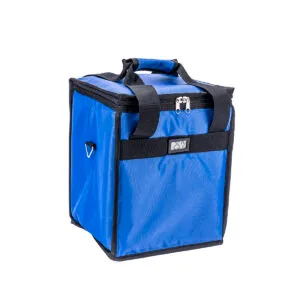
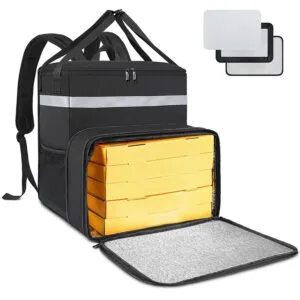
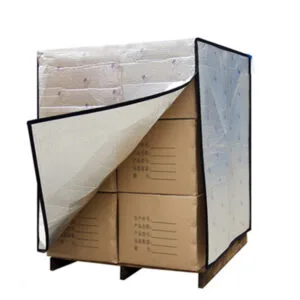
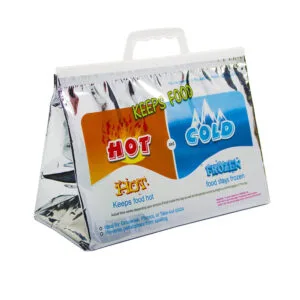
How Does Packaging Enable Cold Chain Artisanal Chocolate Temperature Control?
Packaging is your first—and often only—line of defense.
Your goal is not freezing. Your goal is slowing temperature change.
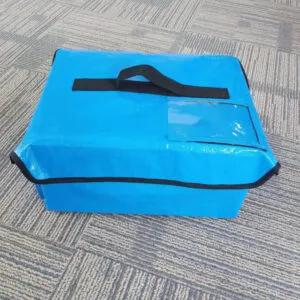
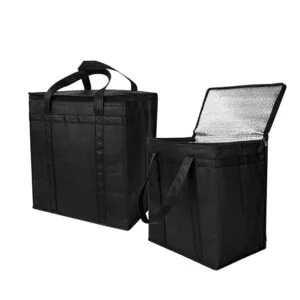
Packaging Options Compared
| Packaging Type | Stability | Best Use Case | Practical Benefit |
|---|---|---|---|
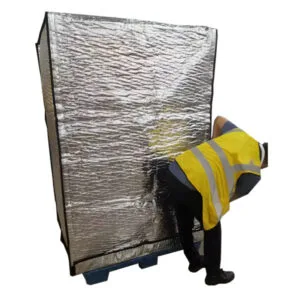
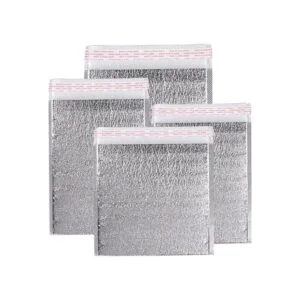
| Insulated mailer | Moderate | Local or short routes | Lightweight, low cost |
| PCM-based shipper | High | Variable climates | Holds stable mid-range |
| Active refrigerated transport | Very High | Bulk or long haul | Maximum control, higher cost |
How to Build a Chocolate-Safe Pack-Out
Pre-condition everything
Chocolate and temperature buffers should start in the same range.Create a moisture barrier
Use sealed inner packaging to reduce condensation risk.Buffer, don’t freeze
Keep cooling elements from direct contact with delicate pieces.Close fast and hand off quickly
Open boxes lose control faster than you expect.
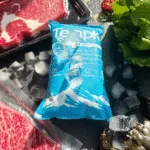
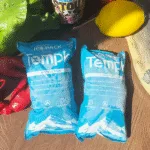
Case insight: Switching from cold gel packs to mid-range PCMs often improves consistency without increasing damage.
How Do Monitoring Systems Improve Temperature Control?
Monitoring turns guessing into control.
Instead of assuming conditions were “fine,” you see:
Maximum temperature
Time above your limit
Where excursions actually happen
Monitoring Tools at a Glance
| Tool Type | Visibility | Best For |
|---|---|---|
| Single-use logger | After-delivery | Occasional checks |
| Bluetooth sensor | Near real-time | Repeat routes |
| IoT tracker | Full journey | High-value shipments |
What You Should Track
Peak temperature
Duration above your red line
Helpful decision tools
Check the details before you choose packaging
These quick tools can help you compare route risk, sizing needs, coolant choices, and packaging details before you request a quote.
01Coolant choiceCoolant & PCM Reference
Compare coolant and PCM options when a route needs added temperature support.
Compare options02Checklist supportCompliance Checklist Generator
Build a practical checklist for packaging review, shipping, and documentation.
Build checklist03Ice pack estimateIce Pack Calculator
Estimate gel ice pack quantity for chilled shipments and practical route planning.
Estimate ice packsDelivery dwell time
Pattern many brands discover: Most failures happen after delivery, not in transit.
Why Is Last-Mile Delivery the Biggest Risk?
Because last-mile exposure is sudden and local.
A shipment can travel perfectly for days, then fail in 30 minutes on a doorstep or in a parcel locker.
Common Last-Mile Risks
| Scenario | Hidden Risk | Simple Fix |
|---|---|---|
| Doorstep delivery | Direct sun | Delivery windows |
| Parcel lockers | Heat soak | Avoid in summer |
| Apartment lobbies | Long dwell | Call-on-arrival rule |
Last-Mile Tips That Actually Work
Deliver during cooler hours
Require signature for premium items
Add “rest before opening” instructions
Observed outcome: Brands that adjust delivery timing often see bigger gains than adding more coolant.
Interactive Tool: Is Your Chocolate Cold Chain at Risk?
Score each item 0 (no), 1 (partial), or 2 (yes).
Defined target band (e.g., 15–18°C)
Humidity control strategy
Packaging validated on hottest lane
Seasonal packaging builds
Monitoring near product mass
Last-mile delivery rules
Actionable alerts (not just data)
Score guide:
0–6: High risk – fix targets and last mile first
7–12: Medium risk – validate packaging and monitoring
13–16: Strong – optimize cost and sustainability next
2025 Trends in Cold Chain Artisanal Chocolate Temperature Control
What’s Changing Now
Controlled room-temperature logistics replacing over-refrigeration
Predictive alerts instead of passive logging
Lighter, reusable insulation reducing cost and waste
Why This Matters to You
Customers increasingly accept slightly longer delivery if quality is guaranteed. In 2025, reliability beats speed for premium chocolate.
Frequently Asked Questions
What is the best temperature for shipping artisanal chocolate?
Most premium shippers aim for 15–18°C with low humidity to avoid both melting and condensation.
Do I need refrigerated shipping?
Not always. Many routes succeed with well-designed passive systems focused on stability, not cold.
Why does chocolate bloom after delivery, not during transit?
Bloom often appears later because the chocolate experienced heat earlier and reorganized during cooling.
Is monitoring necessary for small batches?
Yes. Even limited data quickly reveals weak points—especially in last mile delivery.
Summary and Recommendations
Cold chain artisanal chocolate temperature control protects quality, not just compliance.
The most reliable systems focus on:
Stable mid-range temperatures
Moisture control
Packaging matched to real routes
Last-mile discipline
Avoid overcooling. Avoid assumptions. Design for how your chocolate actually travels.
Your Next Steps (CTA)
Define your temperature and humidity band
Identify your hottest last-mile route
Test one improved packaging build
Add monitoring to a small pilot
Lock seasonal standards
About Tempk
At Tempk, we help brands design practical temperature-control strategies for real-world logistics. We focus on stable temperature bands, humidity protection, and measurable performance—so your artisanal chocolate arrives exactly as you intended.
Next step: Review one high-risk route and start a small monitored test. Consistency improves faster than you expect when the right controls are in place.