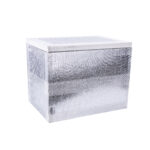
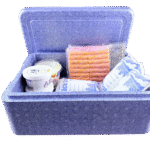
EPP Transport Box Outdoor Camping: How Do You Choose?
An EPP transport box outdoor camping setup can be the difference between safe, fresh meals and a cooler full of warm surprises. Food safety gets risky in the 40°F–140°F “danger zone,” and when it’s above 90°F, your safe window for perishables can shrink to about one hour. If you want repeatable results, treat your cooler like a tiny cold chain: control temperature, control handling, and measure what matters.
This article will help you:
- Choose an EPP transport box outdoor camping size that fits your trip without wasting space
- Hit safer temperature targets (including seafood-friendly ranges) with simple habits
- Decide gel packs vs ice for outdoor camping box use—without soggy food
- Pack an EPP transport box outdoor camping kit using a layered method that reduces lid-open time
- Use quick tools (Trip Fit Score + self-test) to build a “micro cold chain” you can repeat
Why is an EPP transport box outdoor camping box better than a regular cooler?
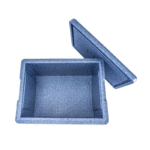
Direct answer: An EPP transport box outdoor camping box is often better when you want light carry + strong insulation + impact resistance in one reusable package. EPP (expanded polypropylene) is a closed-cell bead foam with properties like thermal insulation, water and chemical resistance, and a high strength-to-weight ratio.
Expanded explanation: Outdoors, coolers get dragged, stacked, rattled in trunks, and opened too often. When materials crack or lids stop fitting tightly, cold performance drops even if you add more ice. EPP’s “bounce-back” behavior helps the box keep its shape, which helps the lid keep sealing.
| Cooler type | Shock resistance | Weight feel | What it means for you |
|---|---|---|---|
| EPP transport box outdoor camping | High | Light | Fewer cracks, better long-term lid fit |
| Hard plastic cooler | Medium | Heavy | Strong, but tiring when full |
| Soft cooler bag | Low–Medium | Light | Best for short, mild-weather trips |
Practical tips you can use today
- If you move camp often: prioritize handles and a firm rim over “more liters.”
- If you stack gear: choose a lid that closes snugly with minimal wobble.
- If you reuse a lot: pick a smooth interior you can wipe quickly.
What temperature should an EPP transport box outdoor camping target in 2025?
Direct answer: Aim to keep your EPP transport box outdoor camping temperature at 40°F (4°C) or below, and don’t let food sit in the danger zone for long—especially on hot days. A simple thermometer beats guessing every time. ()
Expanded explanation: Most outdoor food problems are not “bad ice.” They’re warm time and cross-contamination. That’s why official guidance keeps repeating the same basics: keep cold foods cold, minimize time in heat, and separate raw items from ready-to-eat foods. ()
A simple temperature cheat sheet (camping + seafood + work)
| What you’re carrying | Practical target | Why it matters | How your EPP transport box outdoor camping setup should change |
|---|---|---|---|
| Deli food, dairy, cooked meals | ≤ 40°F / 4°C | Core safety control line | Add a thermometer + keep packed tight |
| Fresh seafood (chilled) | 32–39°F / 0–4°C | Better texture + slower spoilage | Seal it, keep it low, keep openings rare |
| Frozen products | ≤ 0°F / −18°C | Prevents thaw/refreeze damage | Stronger cold source + strict opening control |
The seafood targets above align with common cold-chain practice in your drafts and with public guidance that emphasizes keeping seafood very cold (near 32°F) and keeping frozen foods at 0°F (−18°C) or below.
Practical tips you can use today
- Use the “two-cooler habit”: drinks in one box, food in another if you open often.
- Keep raw proteins separate: sealed and kept away from ready-to-eat foods.
- Shade is a multiplier: it reduces constant heat load without extra cost.
What cold-chain equipment should you add to an EPP transport box outdoor camping setup?
Direct answer: Your EPP transport box outdoor camping box is only one piece of your system. To make results predictable, pair it with a cold source, a thermometer, and separation tools (watertight containers and inner bins). For outdoor food work (pop-ups, sampling, field service), consider a simple data logger so you can prove conditions later.
Expanded explanation: Professionals treat cooling as a system: insulation + cooling + monitoring + handling. The same logic scales down to camping. When you add even one monitoring tool, you stop guessing and start controlling.
| Add-on to your EPP transport box outdoor camping kit | What it does | When it’s worth it | What it means for you |
|---|---|---|---|
| Appliance/cooler thermometer | Shows if you’re staying ≤ 40°F | Always | Fewer “surprise warm” events |
| Watertight food containers | Blocks meltwater contact | If using ice | Cleaner food + lower cross-contamination risk |
| Inner bins / dividers | Creates “zones” | Groups, families, pop-ups | Faster grabs, less lid-open time |
| Basic data logger | Records temperature history | Outdoor retail, events, delivery | Evidence for QA and disputes |
These add-ons reflect the same “equipment + monitoring” approach used in professional cold chains, scaled down for camping and outdoor work. (美国农业部)
What size EPP transport box outdoor camping box do you actually need?
Direct answer: The right EPP transport box outdoor camping size is the smallest box that fits your food + cold source with minimal air gaps. Empty air warms quickly every time you open the lid. A full, tight-packed box stays colder longer than a half-empty one.
Expanded explanation: Oversizing is the most common mistake. Bigger creates more air space, and air heats fast. Your goal is density: cold items touching cold items, with gaps filled by sealed bottles or extra cold packs.
Trip Fit Score (interactive decision tool)
Add points, then match your score:
- People: 1 point per person per day
- Hot weather: +2 points if daytime is above 90°F
- Frequent opening: +2 points if you expect 10+ opens/day
- Raw proteins (meat/seafood): +2 points
- Long drive: +1 point per hour after the first hour
Score guide:
- 0–4: small box (day trip, low risk)
- 5–8: medium box (weekend, moderate risk)
- 9+: two-box strategy (food box + drink box)
| Trip style | Suggested internal volume | What it means for you |
|---|---|---|
| Solo, 1–2 days | 15–25 L | Small box cools fast and stays stable |
| 2 people, weekend | 25–45 L | Best all-around size for most campers |
| Family, 2–3 days | 45–70 L | Use food box + separate drink box |
| Outdoor work / pop-up | 45–70 L | Better consistency + fewer complaints |
The volume ranges above and the Trip Fit Score logic come directly from your draft set, which emphasized tight packing and behavior-based sizing.
How long does an EPP transport box outdoor camping setup keep food cold?
Direct answer: Cold time in an EPP transport box outdoor camping setup depends on cold mass, lid seal, sun exposure, and opening behavior. In real life, your habits can cut cold time in half—or extend it—without changing the box.
Helpful decision tools
Check the details before you choose packaging
These quick tools can help you compare route risk, sizing needs, coolant choices, and packaging details before you request a quote.
Ice Pack Calculator
Estimate gel ice pack quantity for chilled shipments and practical route planning.
Estimate ice packsInsulation Material Reference
Compare insulation material choices for different cold chain packaging needs.
Compare materialsDry Ice Calculator
Estimate dry ice needs for frozen or ultra-cold shipments before packing.
Estimate dry iceExpanded explanation: Every warm item you add is a “heat sponge.” Every long lid-open moment is a heat dump. If you want predictable cold, control these four levers: pre-chill, pack tight, use shade, and open fast.
A quick “cold hold” checklist
- Pre-chill food overnight
- Add a top cold layer (gel packs or frozen bottles)
- Fill gaps with sealed bottles or extra packs
- Keep the box shaded or covered with a light towel
- Create a grab bag for snacks so you stop opening the main box
Gel packs vs ice for EPP transport box outdoor camping: what should you use?
Direct answer: In an EPP transport box outdoor camping plan, ice cools aggressively and refills easily, while gel packs stay cleaner and reduce soggy-food problems. A hybrid setup is usually the easiest win.
Expanded explanation: Ice creates meltwater. Meltwater is not just annoying—it can spread juices if raw proteins leak. That’s why official cooler-packing guidance emphasizes watertight containers and separation. (美国农业部)
| Cooling option | Best for | Biggest downside | What it means for you |
|---|---|---|---|
| Ice cubes | Short trips, easy refills | Meltwater mess | Needs watertight containers |
| Block ice | Longer holds | Harder to source | Slower melt than cubes |
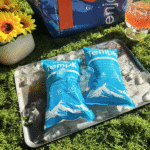
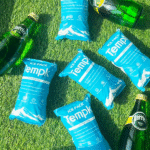
| Gel packs | Clean organization | Needs freezer | Best for repeat trips |
| Frozen bottles | Simple + useful later | Shape limits packing | Cold + drinking water |
| Hybrid | Most campers | Requires planning | Balanced cold + clean |
How to pack an EPP transport box outdoor camping setup without soggy food
Direct answer: To avoid soggy food in an EPP transport box outdoor camping setup, use separation + a barrier layer + a predictable layout. This reduces lid-open time and keeps meltwater away from dry foods.
The 5-layer pack-out method
- Cold base: block ice or frozen bottles
- Barrier layer: tray, rack, or sealed liner
- Heavy cold items: meats, dairy, dense meals
- Quick-grab layer: lunch items and snacks
- Top shield: gel packs on top
Practical tips you can use today
- Label zones: “Day 1” on top, “Day 2” deeper—so you stop searching.
- Seal raw proteins twice: leaks create both odor and contamination risk.
- If you carry seafood: keep it sealed and low; clean the box promptly. (FoodSafety.gov)
How do you manage frequent opening in an EPP transport box outdoor camping system?
Direct answer: If your EPP transport box outdoor camping box gets opened constantly for drinks, separate “traffic” from “storage.” Use a drink cooler and a food cooler. (美国农业部)
Expanded explanation: This is one of the fastest performance upgrades. Your food stays colder because it’s not exposed to warm air every time someone wants a drink.
One-minute rule set for groups
- Drinks go in the drink cooler (opened often)
- Food stays in the food cooler (opened a few times)
- The food cooler lid should open for seconds, not minutes
2025 trends shaping EPP transport box outdoor camping (why cold-chain thinking wins)
In 2025, outdoor cooling is shifting toward reusability, less food waste, and more temperature proof. At a global scale, the International Institute of Refrigeration highlights that 12% of global food production is lost due to insufficient cold chains, and expanding cold-chain infrastructure could save hundreds of millions of tonnes annually—so “cooling that works” is increasingly seen as a value, not a detail. (国际制冷研究所)
Mini self-test: Are you running a safe “micro cold chain”?
Give yourself 1 point for each “yes”:
- Do you pack food cold (from fridge/freezer), not room temperature?
- Do you keep the box under 40°F with a thermometer? (FoodSafety.gov)
- Do you separate raw proteins from ready-to-eat foods? (美国农业部)
- Do you use a barrier layer to prevent meltwater contact?
- Do you limit lid-open time with zones and a grab bag?
Score guide: 0–2 high risk • 3–4 solid • 5 pro-level
Internal link suggestions (descriptive anchor text)
- EPP Cooler Box Packing Checklist for Outdoor Trips (suggested URL: /blog/epp-cooler-box-packing-checklist)
- Gel Packs vs Ice: Cooling Strategy for Camping Food Safety (/blog/gel-packs-vs-ice-camping)
- Food Thermometer Guide for Cooler Temperature Control (/blog/cooler-thermometer-guide)
- How to Choose Reusable Cold Chain Packaging for Consumers (/blog/reusable-cold-chain-packaging)
- Last-Mile Temperature Control Basics for Perishable Foods (/blog/last-mile-temperature-control)
Frequently Asked Questions
Q1: What is an EPP transport box outdoor camping box used for?
It keeps food and drinks colder for longer while staying lightweight and tough for repeat trips.
Q2: How long does an EPP transport box outdoor camping setup keep food cold?
It depends on cold mass, packing density, opening frequency, and heat. Pre-chilling and fewer openings matter a lot.
Q3: Is ice or gel better for an EPP transport box outdoor camping plan?
Ice is powerful but messy. Gel packs are clean and reusable. Hybrid setups often work best.
Q4: How do I stop food from getting soggy?
Use a barrier layer, keep foods sealed, and put dry foods above meltwater zones.
Q5: Can I carry seafood safely in an EPP transport box outdoor camping setup?
Yes. Keep seafood sealed, low, and cold, and aim for 0–4°C (32–39°F).
Summary and recommendations
An EPP transport box outdoor camping setup works best when you choose the right size, pack tightly, and control lid openings. Aim for 40°F (4°C) or below, use ice/gel/hybrid based on your trip, and separate drinks if your group opens constantly. If you treat your cooler like a micro cold chain—measure temperature, reduce warm time, and separate high-risk items—your food stays safer and your trips feel easier. ()
About Tempk
At Tempk, we design and supply reusable insulated packaging that supports predictable temperature performance in real handling conditions. Our EPP transport box outdoor camping solutions focus on sturdy structure, stable insulation, and easy cleaning—so you can build a repeatable cooling workflow for camping, outdoor work, and temperature-sensitive deliveries.
CTA: Share your trip style (car camping, hiking, boat), typical duration, and hottest expected weather. We’ll recommend an EPP transport box outdoor camping size, cold-source strategy, and packing layout you can test on your next outing.