Temperature-Controlled Gelato Eco-Friendly Logistics?
If you want temperature-controlled gelato eco-friendly logistics, you need two wins at once: keep gelato consistently frozen and reduce waste and emissions. In early transport, even a 2°C swing can damage gelato structure.
temperature-controlled gelato e…
Your fastest path is simple: reduce “melt-risk moments,” then right-size packaging and routes so you stop paying for refunds, re-ships, and overpacking.
This article will help you answer:
How eco-friendly packaging for gelato shipping can stay cold and reduce waste
How to pick dry ice vs PCM for gelato delivery without guessing
How to build a gelato cold chain monitoring checklist that reduces disputes
How to run frozen dessert last-mile logistics with fewer delays and fewer melts
What does temperature-controlled gelato eco-friendly logistics mean in practice?
Temperature-controlled gelato eco-friendly logistics means you design packing, handoffs, transport, delivery, and returns to keep gelato inside a safe frozen band while reducing waste and emissions.
temperature-controlled gelato e…
“Eco-friendly” is not a label. It’s measurable outcomes: fewer failed first attempts, less single-use material, better energy efficiency, and fewer re-shipments.
A key reason this matters: research summarized in your drafts highlights that agrifood cold chains were estimated at 1.32 Gt CO₂e in 2022, with energy-use emissions outweighing refrigerant emissions.
temperature-controlled gelato e…
In plain language: every avoidable melt claim is both a quality problem and a climate problem.
Where risk happens in temperature-controlled gelato eco-friendly logistics
| Risk point | What you see | What usually fixes it | What it means for you |
|---|---|---|---|
| Packing bench | Soft edges, sticky lids | Pre-chill + faster packout | Fewer “warm-start” failures |
| Carrier handoff | Random melt pockets | Tight cutoff times | More consistent outcomes |
| Last-mile delay | “Half-melted” complaints | Delivery windows + routing rules | Higher on-time rate |
| Doorstep exposure | Melted top layer | Cold-drop SOP + notifications | Fewer refunds and photos |
Practical tips you can use today
Pack to a clock: set a maximum “out-of-freezer” time during packing.
temperature-controlled gelato e…
Design for the worst 20%: heat waves and delays drive most failures.
Tag every claim: delay vs packing vs doorstep exposure, so fixes are obvious.
temperature-controlled gelato e…
Real-world pattern: Teams often get the biggest win from fewer failed first attempts, not from thicker insulation.
temperature-controlled gelato e…
What temperature targets keep temperature-controlled gelato eco-friendly logistics stable?
Temperature-controlled gelato eco-friendly logistics stays on track when you set a clear frozen target and enforce it at every handoff. Most producers target -20°C to -22°C during distribution because gelato’s tolerance is narrow.
temperature-controlled gelato e…
Even short exposure above -18°C can accelerate ice-crystal growth and texture loss.
temperature-controlled gelato e…
The simplest operating upgrade: set two targets—one for gelato core and one for air-in-box—then track time-above-threshold, not just “max temp.”
temperature-controlled gelato e…
Product core vs. box air: a simple target map
| Target | Typical use | KPI to track | What it means for you |
|---|---|---|---|
| Product core target | Quality + safety | Core temp at delivery | Fewer “grainy” complaints |
| Box air target | Excursion control | Minutes above threshold | Earlier warning signals |
| Time-above-threshold | Lane control | Minutes over limit | Easier carrier accountability |
Practical tips for temperature-controlled gelato eco-friendly logistics
Create a “no-touch thaw rule”: if gelato exceeds your limit, don’t refreeze and reship.
temperature-controlled gelato e…
Use a warm-day packout: summer packouts need faster handoffs and more buffer.
temperature-controlled gelato e…
Standardize freezer setpoints: “almost cold” causes invisible quality drift.
temperature-controlled gelato e…
Real case: A brand reduced customer complaints by 38% after switching to high-insulation containers that held stable -20°C performance for 24 hours.
temperature-controlled gelato e…
How do you build packaging for temperature-controlled gelato eco-friendly logistics without waste?
Temperature-controlled gelato eco-friendly logistics fails when packaging looks sustainable but can’t hold the lane. The winning order is: right-size first, then choose materials. Empty air and overboxing are the enemies.
temperature-controlled gelato e…
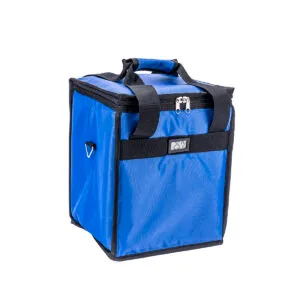
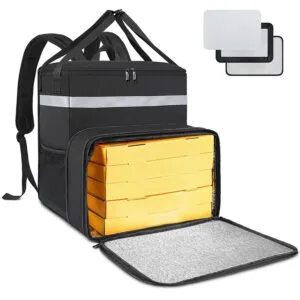
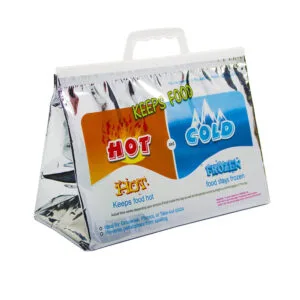
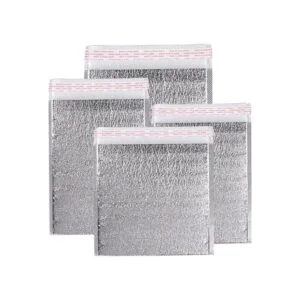
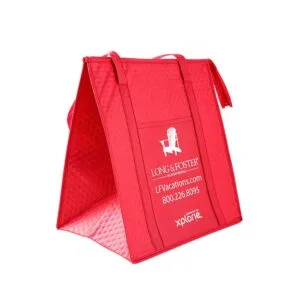
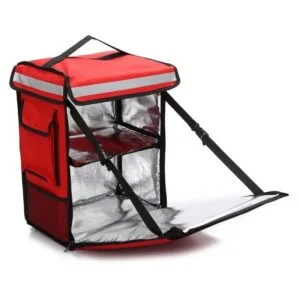
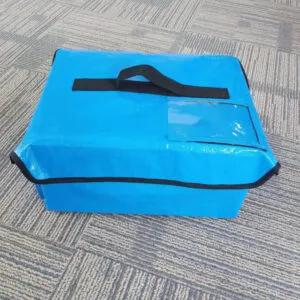
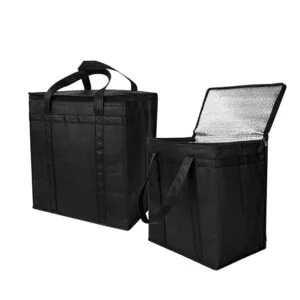
Packaging is your “portable freezer.” Reusable and recyclable options can match high performance when designed correctly, including EPP insulated boxes, fiber-based insulation, and hybrids.
temperature-controlled gelato e…
Packaging options for eco-friendly packaging for gelato shipping
| Packaging approach | Thermal holding power | Waste profile | Best use case | What it means for you |
|---|---|---|---|---|
| Reusable EPP shipper | High | Low waste per use | Repeat routes | Lower long-run cost |
| Fiber-based liners | Medium–High | Often recyclable/compostable | Short–mid lanes | Strong brand signal |
| rPET-style liners | High | Recycled-content | Volume shipping | Better cube efficiency |
| VIP + secondary insulation | Very high | Higher upfront impact | Premium lanes | Smaller box, same hold |
| Hybrid systems | High | Balanced | Mixed lanes | Flexible scaling |
Practical tips and advice
Split lanes into two packouts: standard lane vs hot-risk lane, instead of one “overkill” setup.
temperature-controlled gelato e…
Downsize cartons: shaving one inch per side often beats swapping liner material.
temperature-controlled gelato e…
Use modular cold blocks: tune refrigerant mass by season.
temperature-controlled gelato e…
Practical case: A gelato company cut packaging spend by switching from one universal shipper to two lane-based packouts.
temperature-controlled gelato e…
Dry ice vs PCM for temperature-controlled gelato eco-friendly logistics
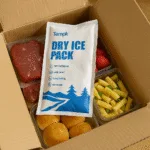
Dry ice vs PCM for gelato delivery is a lane decision, not a philosophy. Dry ice is powerful for deep-freeze resilience, but it adds handling and marking requirements and must allow venting.
temperature-controlled gelato e…
PCMs can hold tighter bands and can be reusable, but they must match a frozen setpoint (often a -20°C class) and need consistent conditioning.
temperature-controlled gelato e…
Refrigerant choice cheat sheet
| Cooling method | Temperature behavior | Operational note | Best for you |
|---|---|---|---|
| Dry ice | Very cold, robust | Venting + compliance SOPs | Long lanes, high heat risk |
| Frozen-range PCM | Stable band control | Conditioning “recipe” matters | Predictable lanes, reuse-ready ops |
| Hybrid (PCM + insulation) | Balanced stability | More parts, more control | Mixed lanes, delay-prone carriers |
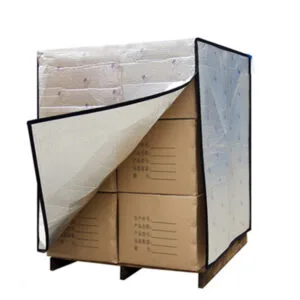
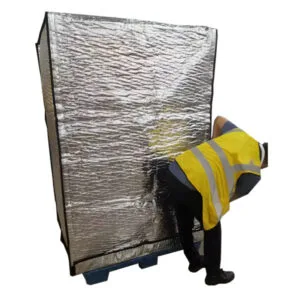
| Active cooling | Precise for pallets | Energy efficiency matters | Wholesale, long routes |
Practical tips you can use today
Never seal dry ice airtight: it needs venting to avoid pressure buildup.
temperature-controlled gelato e…
Treat PCM packout like a recipe: exact mass and placement beat “more is better.”
temperature-controlled gelato e…
Use dry ice only for “long-lane hot days”: avoid the expensive habit of using the heaviest solution everywhere.
temperature-controlled gelato e…
Real case pattern: Brands reduce waste when they stop applying the “maximum” packout to every order.
temperature-controlled gelato e…
How do you prevent last-mile failures in temperature-controlled gelato eco-friendly logistics?
Last-mile failures are where temperature-controlled gelato eco-friendly logistics is won or lost. Reduce exposure time, door-open events, and missed handoffs. Route optimization is one of the fastest ways to cut emissions without changing equipment.
temperature-controlled gelato e…
Think of route planning as choosing the smoothest road, not just the shortest. Fewer stops and fewer delays mean fewer temperature spikes.
temperature-controlled gelato e…
Low-carbon last-mile playbook for frozen dessert last-mile logistics
Deliver in cooler windows: early morning or late evening during heat waves.
temperature-controlled gelato e…
Use micro-distribution hubs: shorten last-mile distance in dense cities.
temperature-controlled gelato e…
Consolidate drops: fewer stops reduce door-open time and idling.
temperature-controlled gelato e…
Set a doorstep rule: “deliver only when someone can receive” for high-risk lanes.
temperature-controlled gelato e…
| Lever | Impact on gelato | Impact on sustainability | What to do next |
|---|---|---|---|
| Fewer stops | Less temp fluctuation | Lower fuel use | Consolidate routes |
| Predictable timing | Stable cold chain | Less idling | Time-window delivery |
| Weather-aware routing | Avoids heat spikes | Efficient energy use | Heat-index service tiers |
Real case: A distributor cut fuel use by 22% after switching to weather-aware route planning.
temperature-controlled gelato e…
Helpful decision tools
Check the details before you choose packaging
These quick tools can help you compare route risk, sizing needs, coolant choices, and packaging details before you request a quote.
Packaging Selector
Compare insulated packaging options by product, route, and temperature need.
Find packagingInsulation Material Drop Resistance
Review drop resistance and handling factors before choosing insulation materials.
Check resistanceDry Ice Calculator
Estimate dry ice needs for frozen or ultra-cold shipments before packing.
Estimate dry ice
How does monitoring make temperature-controlled gelato eco-friendly logistics easier?
Monitoring technology supports temperature-controlled gelato eco-friendly logistics because it prevents overcooling, reduces disputes, and shows you where heat enters your process. Overcooling wastes energy; real-time or sampled data helps you apply only what you need.
temperature-controlled gelato e…
Start simple. You do not need a complex system to see value. Compact sensors can track temperature deviations, exposure duration, and shock events.
temperature-controlled gelato e…
Gelato cold chain monitoring checklist (copy/paste)
Before packout: freezer setpoint confirmed + product fully hardened
During packout: start timer (“out-of-freezer” limit) + photo of placement
At handoff: record pickup time + box seal check
In transit (sampled): peak temp + minutes above threshold
At delivery: doorstep time + customer notification sent
After delivery: claims tagged (delay / packing / doorstep)
temperature-controlled gelato e…
| KPI | What to track | What it reveals | Fastest fix |
|---|---|---|---|
| Excursions per 100 shipments | By lane + season | “Bad lanes” vs “bad days” | Split packouts |
| Minutes above threshold | Not just max temp | Door-open + delay impact | Tight cutoffs |
| Claim rate vs excursion rate | Quality vs perception | False-claim patterns | Proof + messaging |
| Packout adherence | Recipe followed? | Training gaps | Standard work |
Practical tips you can use today
Start with sampling: log 5–10% before instrumenting everything.
temperature-controlled gelato e…
Write an “excursion playbook”: what happens when a threshold is crossed.
temperature-controlled gelato e…
Use proof to improve, not punish: teams hide problems if data is only disciplinary.
temperature-controlled gelato e…
Decision tool: choose your temperature-controlled gelato eco-friendly logistics setup
Use this quick scoring tool to pick the right packout and service level. (Total = 0–30)
Lane time (door close → customer freezer)
Same-day (0) / Next-day (2) / 2 days (5) / 3+ days (8)
Heat risk (peak season)
Mild (0) / Warm (2) / Hot (5) / Heatwave-prone (8)
Delivery certainty
Scheduled handoff (0) / Sometimes unattended (4) / Often unattended (7)
Returns available (for reusables)
Yes (0) / No (4)
Failure cost
Low (0) / Medium (2) / High (5)
Interpretation (what to do next):
0–8: Light-to-mid insulation + routing rules + doorstep controls
9–18: Strong insulation + validated refrigerant mass + monitoring sampling
19–30: Premium packout (dry ice or validated frozen PCM) + strict delivery rules + higher-touch monitoring
How can you balance cost and sustainability in temperature-controlled gelato eco-friendly logistics?
Balancing cost and sustainability is achievable through reuse and efficiency. Eco-friendly upgrades often lower total cost of ownership after you stabilize your process.
temperature-controlled gelato e…
If you can run high-volume routes, reusable systems become predictable. If you are still testing lanes, hybrids help you scale without locking into one extreme.
Cost comparison over time
| Solution | Year 1 cost | Year 3 cost | What it means for you |
|---|---|---|---|
| Single-use foam | Low | High | Waste fees and inconsistency rise |
| Reusable EPP | Medium | Low | Stable costs + repeatable lanes |
| Hybrid system | Medium | Medium | Flexibility for growth and seasonality |
Practical guidance
Growing brands: start with hybrids, then standardize two packouts.
temperature-controlled gelato e…
High-volume routes: invest in reusable containers and make returns frictionless.
Seasonal spikes: scale with modular insulation and lane rules, not random “more ice.”
2025 trends in temperature-controlled gelato eco-friendly logistics
In 2025, temperature-controlled gelato eco-friendly logistics is shifting toward precision, reuse, and transparency.
temperature-controlled gelato e…
Customers increasingly care how products are delivered, not just how they taste.
temperature-controlled gelato e…
Latest progress snapshot
Ultra-light insulation: same performance with less shipping weight
temperature-controlled gelato e…
AI route planning: faster responses to heat events and delays
temperature-controlled gelato e…
Reusable-as-a-service models: reduced upfront investment
temperature-controlled gelato e…
Market insight: Sustainability-driven logistics decisions increasingly influence purchasing behavior in premium dessert markets.
temperature-controlled gelato e…
Frequently Asked Questions
Q1: What is temperature-controlled gelato eco-friendly logistics in plain terms?
It’s a delivery system that keeps gelato consistently frozen while cutting avoidable waste, re-ships, and energy use across packing, transport, and last mile.
temperature-controlled gelato e…
Q2: What temperature is best for gelato transport?
Many producers target -20°C to -22°C for distribution because gelato is sensitive to small temperature changes.
temperature-controlled gelato e…
Q3: Do I need dry ice for temperature-controlled gelato eco-friendly logistics?
Not always. Dry ice is strong for long or hot lanes, but adds handling steps. Frozen-range PCMs can work for stable lanes when you validate the packout recipe.
temperature-controlled gelato e…
Q4: How do I make eco-friendly packaging for gelato shipping safer without adding weight?
Start by right-sizing the carton and removing void space. Then split lanes into standard vs hot-risk packouts, and validate insulation choices with monitoring.
temperature-controlled gelato e…
Q5: What’s the biggest hidden cause of melt complaints?
Doorstep exposure and delayed handoffs. Tight cutoff times, delivery windows, and customer alerts usually beat “more refrigerant” as a fix.
temperature-controlled gelato e…
Q6: What single metric improves both quality and sustainability?
First-attempt delivery success. When fewer boxes sit outside, you need less overkill insulation and you reduce refunds and re-ships.
temperature-controlled gelato e…
Summary and Recommendations
Temperature-controlled gelato eco-friendly logistics works when you control the moments that create melt risk: packout time, handoffs, last-mile delays, and doorstep exposure. Gelato’s narrow tolerance makes stability critical, with many producers targeting -20°C to -22°C.
temperature-controlled gelato e…
The most practical strategy is to right-size packaging, split lanes into standard vs hot-risk packouts, and use monitoring to stop guessing.
Your next steps (simple plan)
Set core + box-air targets and a clear excursion rule.
temperature-controlled gelato e…
Build two packouts (standard vs hot-risk) and standardize the recipe.
temperature-controlled gelato e…
Sample-monitor 5–10% of shipments and track minutes above threshold.
temperature-controlled gelato e…
Tighten last-mile rules (time windows + doorstep controls) and re-measure.
About Tempk
At Tempk, we support teams building temperature-controlled gelato eco-friendly logistics with practical cold-chain execution: packout SOPs, lane-based packaging strategy, and monitoring routines that reduce “mystery melts.”
temperature-controlled gelato e…
We focus on repeatable systems you can run every day—so quality improves while waste, refunds, and overpacking go down.
CTA: If you want a lane-specific packout recommendation and a simple monitoring plan you can run this week, talk with our team and turn your cold chain into a repeatable system.