Insulated Shopping Bags: How Do You Keep Food Cold on the Way Home?
Introduction
In today’s fast-paced world, keeping groceries cold on the way home can be a challenge, especially for perishable items like dairy, meat, and frozen foods. Insulated shopping bags are a simple but effective solution. These bags can slow down temperature increases, protecting the freshness of your groceries for a longer period. In this guide, we’ll explore how insulated shopping bags work, the key features to look for, and how you can optimize your shopping trips in 2025 to minimize waste and maximize food safety.
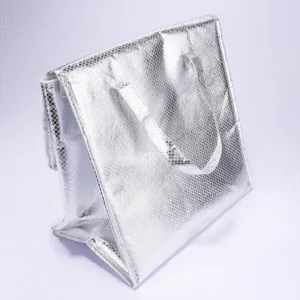
How Do Insulated Shopping Bags Keep Food Cold Longer?
Direct Answer
Insulated shopping bags keep food cold by reducing heat transfer between the outside air and the contents of the bag. They act like a coat for your groceries, trapping cool air inside and minimizing the intrusion of warm air. High-quality insulated bags can keep cold items cool for 1-3 hours, depending on factors like outside temperature, the fullness of the bag, and the addition of cold packs.
Expanded Explanation
Imagine temperature as money in a leaky wallet. The better the insulation, the slower you lose cold air. The insulation in these bags is often made from foam or layered materials that trap air. This reduces the movement of heat from the outside to your groceries, thus maintaining cooler temperatures for a longer period.
What Impacts Cooling Performance Most?
| Factor | Lower Performance | Higher Performance | What It Means for You |
|---|---|---|---|
| Insulation Thickness | Thin walls | Thick walls | Longer cold retention |
| Closure Type | Open top | Zippered lid | Less cold air loss |
| Bag Fullness | Half empty | Full and packed | Less air space to warm |
| Add-on Cooling | None | Ice/gel packs | Stronger temperature control |
Practical Tips for You
Use a zip closure when transporting meat, dairy, or seafood.
Fill bags tightly so cold items “support” each other.
Add one small cold pack for trips longer than 30 minutes.
Real-world case:
A customer reduced ice cream “softening complaints” by switching from an open-top tote to a zippered insulated shopping bag.
Why Do Insulated Shopping Bags Matter for Food Safety?
Direct Answer
Insulated shopping bags are crucial for maintaining food safety by preventing perishable foods from entering the temperature danger zone (40-140°F). When meat, dairy, and prepared foods warm up, bacteria can proliferate, increasing the risk of foodborne illness. By keeping food colder during transit, you reduce this risk and extend its shelf life.
Expanded Explanation
You don’t need to be a food scientist to understand that warm, moist food spoils faster. Shopping after work or running errands means your groceries can warm up in transit, especially on a hot day. Insulated shopping bags create a buffer, helping to ensure that your food stays in a safer temperature range until you get home. For you, this translates to fewer food safety concerns and less wasted food.
Common Perishables That Benefit Most
Fresh meat and poultry
Seafood
Milk, yogurt, cheese
Prepared meals
Frozen foods and ice cream
Practical Tips for You
Pack perishables last at checkout.
Go home first before other errands when it’s hot outside.
Keep bags in the car so you always have them ready.
Practical example:
Shoppers who pack frozen items in insulated shopping bags with a cold pack report noticeably less freezer burn and fewer partially thawed edges.
Which Insulated Shopping Bag Features Should You Look For?
Direct Answer
The best insulated shopping bags combine high-quality insulation, tight closures, and durable, easy-to-clean materials. While size may seem important, it’s the bag’s performance features that will actually ensure your groceries stay cold.
Expanded Explanation
Insulated shopping bags are subjected to a lot of wear and tear. They get spilled on, crammed with heavy items, and exposed to the elements. The ideal bag for you should not only protect your food but also survive daily use. Key features like strong stitching, a wipe-clean liner, and a reinforced base ensure that your bag will be durable and effective for multiple uses.
Feature Checklist You Can Use in 60 Seconds
| Feature | What to Check | Why You Care |
|---|---|---|
| Insulation Layer | Thick foam or multi-layer lining | Keeps cold longer |
| Closure | Zipper or tight flap | Reduces temperature loss |
| Inner Lining | Wipe-clean, leak-resistant | Less odor and mold risk |
| Stitching | Reinforced seams | Handles heavy items safely |
| Base | Flat and firm | Keeps items stable |
Practical Tips for You
Choose leak-resistant linings if you carry meat or seafood.
Pick reinforced handles if you carry drinks or large loads.
Helpful decision tools
Check the details before you choose packaging
These quick tools can help you compare route risk, sizing needs, coolant choices, and packaging details before you request a quote.
01Sizing supportBox Liner & Pallet Cover Sizing
Check box liner and pallet cover sizing logic for insulated packaging projects.
Estimate sizing02Coolant choiceCoolant & PCM Reference
Compare coolant and PCM options when a route needs added temperature support.
Compare options03Ice pack estimateIce Pack Calculator
Estimate gel ice pack quantity for chilled shipments and practical route planning.
Estimate ice packsAvoid weak Velcro closures for longer trips.
Real-world case:
A family reduced “bag replacement” frequency by upgrading to reinforced-handle insulated shopping bags designed for heavy grocery loads.
How Do You Choose Insulated Shopping Bags for Different Grocery Scenarios?
Direct Answer
Choose insulated shopping bags based on trip length, the types of food you buy, and how you carry groceries. A single “all-purpose” bag can work, but many people get better results using two types: one for frozen, one for chilled.
Expanded Explanation
Your shopping needs can vary from quick errands to larger weekly trips. The right insulated shopping bag can help you manage both frozen and chilled foods without compromising their quality. By matching your bags to your typical shopping routine, you can achieve better temperature control and reduce the chance of spoilage.
Scenario-Based Bag Selection Table
| Your Scenario | Best Bag Type | Add-On | What It Means for You |
|---|---|---|---|
| 10–20 minute commute | Medium insulated tote | Optional | Good daily convenience |
| 30–60 minute commute | Zippered insulated bag | Cold pack | Safer for dairy/meat |
| Frozen bulk shopping | Deep insulated bag | 2 cold packs | Less thawing and refreezing |
| Multiple errands | Two insulated bags | Cold packs | Separates frozen vs chilled |
Practical Tips for You
Use one bag for frozen, one for chilled items.
Carry eggs and produce separately to prevent crushing and moisture issues.
Keep a spare bag for unexpected purchases.
Practical case:
A commuter who shops on the way home improved meat freshness by packing it in a dedicated zippered insulated shopping bag with one cold pack.
How Should You Pack Insulated Shopping Bags for Best Performance?
Direct Answer
Pack insulated shopping bags like you pack a cooler: cold items together, minimal empty air, and the most temperature-sensitive foods in the coldest center zone. Packing order can change performance more than you think.
Expanded Explanation
To get the best performance, treat your insulated shopping bag as a mini cooler. Cold items should support each other, and you want to minimize the air gaps that let warm air circulate. By packing properly, you can maintain better food quality when you unpack at home.
Simple Packing Rules That Work
Frozen items go at the bottom (cold foundation).
Dairy and meat go in the center (most protected zone).
Soft items go on top (prevent crushing).
Close the zipper immediately (don’t “leak” cold air).
Packing Support Table
| Packing Choice | Good Practice | Bad Practice | What It Means for You |
|---|---|---|---|
| Frozen goods | Group together | Spread across bags | Less thawing |
| Cold pack placement | On top or sides | Under warm items | Better cooling coverage |
| Bag fullness | Packed tight | Half empty | Slower warming |
| Separation | Raw meat isolated | Meat touching produce | Better hygiene |
Practical Tips for You
Add a small towel layer between ice packs and delicate produce to prevent freezing spots.
Use a separate small bag for raw meat if you buy it often.
Unpack immediately when you arrive home.
Real-world case:
A shopper reduced “watery frozen berries” by packing frozen items tightly in one insulated shopping bag instead of splitting them across multiple bags.
How Do You Clean and Maintain Insulated Shopping Bags?
Direct Answer
Clean insulated shopping bags regularly to prevent odor, mold, and contamination—especially after carrying meat, seafood, or dairy. A wipe-down after each use and a deeper clean weekly can keep bags hygienic and longer-lasting.
Expanded Explanation
Moisture trapped inside insulated shopping bags can lead to odor and mold. By maintaining a consistent cleaning routine, you can extend the life of your bags while ensuring they remain safe for food contact.
Cleaning and Maintenance Table
| Task | Frequency | How to Do It | Benefit to You |
|---|---|---|---|
| Quick wipe | After each trip | Mild soap + warm water | Prevents odor buildup |
| Deep clean | Weekly | Wash lining + dry fully | Reduces mold risk |
| Drying | Every clean | Air dry with bag open | Extends bag life |
| Inspection | Monthly | Check seams and zipper | Prevents sudden failure |
Practical Tips for You
Dry bags fully before folding or storing.
Avoid harsh bleach smells unless you rinse thoroughly.
Store with the zipper open to reduce trapped humidity.
Practical case:
A household eliminated recurring “sour bag smell” by switching to full air-drying after each cleaning.