Good Insulated Lunch Bag – What Should You Buy in 2025?
A good insulated lunch bag does more than simply keep your lunch cold or warm. It maintains food safety, prevents leaks, and is a convenient, easy-to-carry solution for daily meals. In 2025, many consumers still make the mistake of choosing based on appearance and later regret their choice when insulation fails. This guide provides practical advice and a simple checklist to help you choose the best insulated lunch bag to ensure your food stays fresh and at the proper temperature when needed.

This article will answer:
How a good insulated lunch bag protects food safety and freshness
Which insulation, lining, and zipper details matter most
How to pick the right size for work, school, or travel
A quick decision tool to match your use case
The newest 2025 trends shaping insulated lunch bags
How Does a Good Insulated Lunch Bag Keep Food Safe?
A good insulated lunch bag slows down temperature changes, keeping food at a safer temperature for a longer time. Bacteria grow faster when food stays in the “middle zone” between warm and cold. In simple terms: maintaining a stable temperature helps you avoid soggy sandwiches, warm yogurt, and unsafe leftovers.
Think of the insulation as a “winter coat” for your lunch. A thin coat works a little, but a thick coat with a tight zipper works wonders.
A good insulated lunch bag is not just about being “cold.” It’s about being stable.
What “Insulated” Actually Means for You
Insulation reduces heat transfer, meaning:
Cold items warm up more slowly
Warm items cool down more slowly
Ice packs last longer
If you’re carrying lunch for 4–6 hours, the quality of insulation is the difference between “still fresh” and “I should not eat this.”
| Insulation Factor | What You’ll Notice | What It Means for You |
|---|---|---|
| Thicker insulation | Slower warming | Longer freshness window |
| Tight closures | Less air exchange | Ice packs last longer |
| Reflective inner layer | Better temperature stability | More consistent results |
Practical Tips You Can Use Today
If you pack dairy or seafood: Always use at least one ice pack.
If you pack hot meals: Use a separate container for hot food to hold heat longer.
If your commute is long: Choose a good insulated lunch bag with a firm structure and tight zipper.
Real scenario: A commuter with a 90-minute round trip kept yogurt cold until lunch by switching from a soft, thin bag to a good insulated lunch bag with thicker walls and a tighter zipper.
What Features Make a Good Insulated Lunch Bag Worth It?
A good insulated lunch bag is worth it when it combines insulation, leak resistance, easy cleaning, and comfort. Many bags are “insulated” in name only. The details tell the truth.
You don’t need the most expensive option. What you need is the right design for your routine.
The “4 Core Features” Checklist
A good insulated lunch bag should have:
Reliable insulation thickness
A liner that wipes clean
Leak-resistant seams and zipper design
A shape that fits your containers
If any one of these fails, daily use becomes annoying fast.
Liner Material: The “Make or Break” Detail
The inside liner is where spills happen. A good insulated lunch bag uses a smooth liner that resists stains and odors.
Look for:
Smooth, wipe-clean interior
Sealed edges where crumbs and liquid cannot hide
Odor resistance (practical, not “magic”)
| Liner Detail | Good Sign | Why It Helps You |
|---|---|---|
| Smooth surface | Wipes in 10 seconds | Less daily stress |
| Sealed seams | Fewer leak paths | Cleaner bag, fewer smells |
| Stain resistance | Doesn’t absorb sauce | Looks new longer |
Zippers and Closures: Small Parts, Big Impact
A good insulated lunch bag usually has a zipper that closes fully without gaps. Gaps let warm air in like a door left open.
If you pack liquids, also look for:
Zipper guards
Overlapping flaps
Reinforced corners
What Size Good Insulated Lunch Bag Do You Actually Need?
The best size for a good insulated lunch bag depends on your containers, not your appetite. Many people buy a bag that’s too small and end up carrying extra items outside the bag, defeating the insulation.
Start by thinking: what do you pack most days?
| Typical Use | Recommended Size | Your Benefit |
|---|---|---|
| Office lunch | Medium | Fits meal + drink + ice pack |
| School lunch | Medium | Space for snack and fruit |
| Meal prep | Large | Fits multiple boxes neatly |
| Travel day | Large | Holds food plus extra ice packs |
Is a Good Insulated Lunch Bag Better Than a Lunch Box?
A good insulated lunch bag is often better than a hard lunch box if you want flexibility and comfort. A hard box protects against crushing, but many bags provide enough structure and are easier to carry.
Here is a practical comparison:
| Option | Strength | Weakness | Best For You If |
|---|---|---|---|
| Insulated lunch bag | Flexible, lighter | Can sag if cheap | You commute or carry daily |
| Hard lunch box | Strong protection | Bulky, heavier | You carry fragile items |
How Long Can a Good Insulated Lunch Bag Keep Food Cold?
A good insulated lunch bag can keep food cold for several hours, but performance depends on ice packs, starting temperature, and how often you open it. Insulation slows change but doesn’t create cold.
Helpful decision tools
Check the details before you choose packaging
These quick tools can help you compare route risk, sizing needs, coolant choices, and packaging details before you request a quote.
Insulation Material Drop Resistance
Review drop resistance and handling factors before choosing insulation materials.
Check resistanceInsulation Material Reference
Compare insulation material choices for different cold chain packaging needs.
Compare materialsBox Liner & Pallet Cover Sizing
Check box liner and pallet cover sizing logic for insulated packaging projects.
Estimate sizingThink of it like a thermos. If you put warm water in, it stays warm. If you put cold water in, it stays cold.
What Most People Miss
Performance drops when:
You open the bag frequently
Your items start warm
You pack without ice packs
You store the bag in a hot car
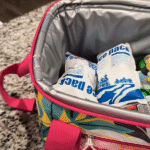
A good insulated lunch bag performs best when you pre-chill items.
Quick Performance Boost Steps
Chill your food before packing
Freeze your ice pack fully
Keep the bag in shade
Open only when you need to eat
Practical example: A student kept lunch fresh through a full school morning by freezing a slim ice pack and placing it on top, then opening the bag only once.
Decision Tool: Which Good Insulated Lunch Bag Matches Your Routine?
Use this quick self-check. Pick the first option that fits you.
Step 1: What do you pack most often?
Cold items (yogurt, salad, sushi): prioritize insulation and tight sealing
Hot items (rice, pasta, soup): prioritize structure and container fit
Mixed items: prioritize space and compartment separation
Step 2: How long until you eat?
Under 3 hours: medium insulation is usually fine
3–6 hours: you need a good insulated lunch bag plus ice pack
Over 6 hours: you need strong insulation, larger ice packs, and fewer openings
Step 3: What annoys you most?
Spills → choose sealed seams and wipe-clean liner
Smells → choose stain/odor-resistant liner and easy cleaning
Crushed food → choose firmer structure
What Should You Look For in a Good Insulated Lunch Bag for Work?
A good insulated lunch bag for work should fit your meal containers, look professional, and clean quickly. You’ll use it five days a week, so convenience matters more than fancy features.
Work-Focused Features That Matter
A wide opening (so containers fit without tilting)
A stable base (so it does not tip in your car)
An easy-clean liner (because spills happen)
Practical Tips for Office Lunch Success:
Bring a slim ice pack to save space
Use leak-proof containers for sauces
Keep a spare napkin inside a small pocket
What About a Good Insulated Lunch Bag for Kids?
A good insulated lunch bag for kids should be light, easy to open, and easy to clean. Kids don’t treat bags gently, so durability matters.
Kid-Friendly Priorities
Easy zipper pull
Reinforced handle
Simple compartments
How Do You Clean a Good Insulated Lunch Bag Without Ruining It?
You clean a good insulated lunch bag by wiping daily, deep cleaning weekly, and drying fully. The biggest mistake is closing the bag while damp, which creates a smell.
Simple Cleaning Routine
| Frequency | What to Do | Benefit |
|---|---|---|
| Daily | Wipe the liner with mild soap and water | Stops stains |
| Weekly | Deeper wipe + zipper line cleaning | Reduces odor |
| Monthly | Check seams, corners, and odors | Extends bag life |
2025 Latest Developments and Trends in Good Insulated Lunch Bags
In 2025, the focus is on sustainability and practical features. Lighter materials, better leak resistance, and easy-to-clean designs are in demand. Modular compartments and recycled materials are making lunch bags more functional and environmentally friendly.
FAQ
Q: How long does a good insulated lunch bag keep food cold?
A: It depends on ice packs, ambient heat, and seal quality. For perishables, follow the 2-hour rule unless you can keep food cold.Q: Do you need two ice packs in a good insulated lunch bag?
A: Yes, two cold sources help keep perishables safe for longer.Q: Why does my lunch bag smell even after wiping?
A: Odors often come from trapped moisture and tiny spills in seams. Deep clean weekly and let it dry fully open.
Summary and Recommendations
A good insulated lunch bag is designed to keep your meals safe and fresh. Look for proper insulation, tight seals, and easy cleaning. Use ice packs strategically and ensure your bag fits your meal and commuting routine. Clean it often to keep it odor-free and ready for use.