Temperature-Controlled Creamery Best Packaging Canada?
Temperature-controlled creamery best packaging Canada is not one “magic box.” It is a repeatable system that keeps chilled dairy near ≤4°C and frozen desserts near ≤-18°C, while stopping leaks, crush, and label loss. If you ship in Canada, your biggest enemies are time, temperature swings, and moisture. This guide gives you a lane-based packing method you can train fast and scale safely.
Last updated: December 22, 2025
This guide will help you:
Choose temperature-controlled creamery best packaging Canada by lane risk (time, handoffs, season, last-mile exposure)
Set teachable targets for Canada dairy cold chain temperature 4°C and frozen dessert shipping Canada -18°C
Build a 6-layer packout that reduces “wet box,” odor pickup, and warm-arrival disputes
Use a 90-second decision tool and a 6-minute self-audit to standardize daily packing
Protect bilingual dairy label requirements Canada with moisture-ready label habits
Validate and monitor temperature-controlled creamery best packaging Canada without drowning in paperwork
Temperature-Controlled Creamery Best Packaging Canada: What does it really mean?
Temperature-controlled creamery best packaging Canada means you protect a cold start through real transit. Packaging does not “make” cold. It slows change, like a thermos protects heat. Your process matters just as much as your materials.
Think of it as three promises you make to the receiver:
Temperature promise: chilled stays chilled; frozen stays frozen
Clean promise: leaks and meltwater do not contaminate the box
Identity promise: labels, lot codes, and storage cues stay readable
The “thermos + raincoat + helmet” model
Thermos: insulation reduces heat flow
Raincoat: liners + absorbents manage moisture and leaks
Helmet: structure + immobilization prevents crush and shifting
| Packout goal | What causes failure | What fixes it | What it means for you |
|---|---|---|---|
| Stable temperature | Air gaps + long dwell | Right-size + stronger insulation | Fewer “arrived warm” claims |
| Dry, clean box | Condensation + leaks | Barrier liner + absorbent zones | Less odor, fewer rejects |
| Surviving labels | Wet cartons | Moisture-ready labels + protected placement | Faster QA decisions |
Practical tips and suggestions
Build one “no warm staging” rule: if it sits out, it gets re-checked before it ships.
Treat leaks as a reject signal: leaks quickly become odor + label loss + disputes.
Make packing repeatable: the best system is the one your team can execute every day.
Practical example: A small gelato brand cut complaints after enforcing a strict staging timer and adding a sealed inner barrier in every shipper.
Temperature-Controlled Creamery Best Packaging Canada: What temperature targets should you design for?
Your temperature-controlled creamery best packaging Canada plan should separate chilled and frozen workflows. Mixing rules creates mistakes. Use targets your team can remember and act on quickly.
A simple operating map:
Chilled dairy (milk, cream, yogurt, many cheeses): design for ≤4°C
Frozen desserts (ice cream, gelato, frozen dairy): design for ≤-18°C (or your product spec)
Product-based targets you can actually operate
| Creamery product | Practical target | Biggest risk | What it means for you |
|---|---|---|---|
| Milk, cream, yogurt | ≤4°C | Warm drift + quality loss | More shelf life, fewer returns |
| Soft cheeses | ≤4°C | Sweating + odor pickup | Moisture control matters more |
| Butter | Cool/chilled | Odor pickup + scuffing | Use low-odor barriers + snug fit |
| Ice cream / gelato | ≤-18°C | Thaw/refreeze texture damage | Strong insulation + strict last-mile SOP |
Practical tips and suggestions
Use “time + temperature” thinking: minutes matter at the dock and doorstep.
In winter, protect chilled dairy from freezing: “too cold” can be a quality failure.
Keep rules short: one target + one action line beats ten confusing rules.
Practical example: A creamery improved consistency by creating two packouts: one for chilled (≤4°C) and one for frozen (≤-18°C), each with a single photo SOP.
Temperature-Controlled Creamery Best Packaging Canada: The 6-layer packout blueprint
The most reliable temperature-controlled creamery best packaging Canada approach is layered. Each layer solves a different failure mode. When you skip a layer, you usually pay later in refunds.
The 6 layers (copy-and-train)
Primary container: sealed tub/carton/pouch
Secondary sealed barrier: bag or inner liner for leaks and odor
Absorbent layer: placed in leak zones (bottom + corners)
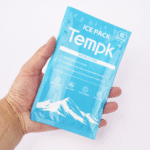
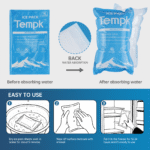
Coolant layer: gel packs, PCM, or dry ice (when appropriate)
Insulation layer: EPS/EPP/PU/VIP depending on lane risk
Outer shipper + closure: strong corrugate + tamper evidence
H3: Common layer mistakes (and the simple fix)
| Layer | Common mistake | Fix | What it means for you |
|---|---|---|---|
| Secondary barrier | “It never leaks” thinking | Use it for all liquids | Fewer wet cartons |
| Absorbent | Skipping on chilled lanes | Put pads in corners + base | Cleaner receiving |
| Coolant placement | Coolant touching product | Add spacers/buffers | Less freeze damage |
| Insulation fit | Oversized shipper | Right-size + inserts | More stability, less cost |
Practical tips and suggestions
Right-size first: extra air warms faster than you think.
Use spacers: keep very cold surfaces off chilled dairy containers.
Seal fast: open-lid time is a silent temperature killer.
Practical example: A dairy subscription program reduced “leaked in box” incidents by adding a secondary barrier and a rigid base insert—without adding more coolant.
Temperature-Controlled Creamery Best Packaging Canada: How do you choose insulation by lane risk?
Temperature-controlled creamery best packaging Canada works best when insulation matches your worst stop, not your average stop. One hot doorstep or one long transfer can break the shipment.
Tier system you can standardize (simple and scalable)
Tier 1 (low risk): short routes, controlled handoff
Tier 2 (medium risk): regional, multi-stop, moderate dwell risk
Tier 3 (high risk): long lanes, interprovincial, unknown dwell, seasonal extremes
| Tier | Best use case | Insulation level | What it means for you |
|---|---|---|---|
| Tier 1 | same-city, direct | baseline insulation | low cost, high discipline |
| Tier 2 | regional + transfers | higher insulation | fewer swings, fewer disputes |
| Tier 3 | long + uncertain | highest insulation (often premium) | protects highest-risk revenue |
Practical tips and suggestions
Protect the lid interface: heat leaks often happen at closures.
Build two seasonal packouts: summer and winter is a strong start.
Avoid “one pack fits all Canada”: Canada lanes vary too much.
Practical example: A creamery improved frozen stability by upgrading lid sealing and reducing headspace, without changing coolant weight.
Temperature-Controlled Creamery Best Packaging Canada: How do you pick the right coolant (gel, PCM, dry ice)?
Coolant choice decides whether temperature-controlled creamery best packaging Canada is “okay” or “repeatable.” Your goal is stability, not drama.
Quick coolant guidance
Gel packs: simple, strong early cooling, common daily choice
PCM packs: steadier temperature band (great when you need stable chilled control)
Dry ice: powerful for frozen lanes, but needs venting and trained handling
H3: Coolant comparison (daily decision table)
| Coolant | Best for | Strength | Risk | What it means for you |
|---|---|---|---|---|
| Gel packs | chilled short–medium | simple | condensation | easiest standard recipe |
| PCM packs | chilled stability | fewer swings | higher cost | more repeatable results |
| Ice | short chilled holds | cheap | meltwater | needs containment discipline |
| Dry ice | frozen long lanes | strong freezing power | safety + carrier rules | best for long frozen routes |
Practical tips and suggestions
Contain anything that melts: meltwater ruins cartons and labels.
Avoid overcooling in winter: chilled dairy can suffer freeze damage.
Standardize pack counts: consistency beats improvisation.
Practical example: A frozen dessert brand improved reliability by fixing dry-ice weight per box size and tightening delivery windows on hot days.
Temperature-Controlled Creamery Best Packaging Canada: Moisture, leaks, and “wet cartons”
Moisture is the hidden failure mode in temperature-controlled creamery best packaging Canada. Even when temperature is fine, a wet box triggers rejects, odor, and label loss.
H3: Moisture-control stack (simple and effective)
Secondary containment: sealed product + sealed inner barrier
Barrier liner: stops moisture from weakening corrugate
Absorbent zones: bottom + corners, where leaks pool
Dry-out rule: never store returned packaging closed while wet
| Moisture problem | What causes it | Packaging fix | What it means for you |
|---|---|---|---|
| Wet base | leak + meltwater | absorbent base + barrier | fewer rejections |
| Odor pickup | leaked dairy | sealed inner barrier | cleaner customer experience |
| Smeared labels | condensation | moisture-ready label stock | traceability stays intact |
Practical tips and suggestions
For liquids, double-contain every time.
Put absorbent where gravity wins: base and corners.
Add a “keep sealed briefly” receiving note: it can reduce condensation shock.
Practical example: A creamery reduced soggy cartons by adding a sealed inner liner and one absorbent pad—no extra coolant added.
Temperature-Controlled Creamery Best Packaging Canada: Labels, bilingual rules, and traceability
Temperature-controlled creamery best packaging Canada must protect traceability, not just temperature. If labels fail, your QA decisions slow down fast. Many creamery products sold in Canada also need English and French for required consumer information, with defined exceptions.
Helpful decision tools
Check the details before you choose packaging
These quick tools can help you compare route risk, sizing needs, coolant choices, and packaging details before you request a quote.
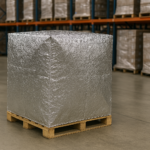
Box Liner & Pallet Cover Sizing
Check box liner and pallet cover sizing logic for insulated packaging projects.
Estimate sizingInsulation Material Drop Resistance
Review drop resistance and handling factors before choosing insulation materials.
Check resistanceCompliance Checklist Generator
Build a practical checklist for packaging review, shipping, and documentation.
Build checklistH3: Label durability checklist (built for wet environments)
| Label element | Why it matters | Where it fails | What to do | What it means for you |
|---|---|---|---|---|
| Storage cue | handling control | small text ignored | big “KEEP REFRIGERATED/FROZEN” | fewer wrong-temp holds |
| Date mark | customer trust | condensation smears | protected placement | fewer disputes |
| Lot / trace ID | recall scope | label falls off | duplicate lot label inside | faster investigations |
| Bilingual text | Canada readiness | space constraints | clean layout planning | smoother compliance |
Practical tips and suggestions
Treat labels as wet-grade labels: condensation happens somewhere in most lanes.
Use two labels: one retail label, one logistics label (simpler and clearer).
Make lot code “one-second findable.”
Practical example: A creamery reduced “missing date” complaints by moving the best-before panel to a protected label zone and using moisture-resistant stock.
Temperature-Controlled Creamery Best Packaging Canada: Validation and monitoring buyers trust in 2025
In 2025, temperature-controlled creamery best packaging Canada is judged by outcomes, not intentions. You do not need heavy paperwork. You need light, consistent proof habits.
A one-week validation plan (fast, practical)
Thermal hold test: simulate route time (include expected delays)
Handling test: stack + vibration + corner checks
Last-mile simulation: add a “porch time” window where relevant
| Test | What you do | What you measure | Pass signal | What it means for you |
|---|---|---|---|---|
| Thermal hold | route simulation | time in target band | no long drift | predictable quality |
| Handling | abuse simulation | leaks + crush | no leakage | fewer damage claims |
| Last mile | doorstep exposure | worst-case temp | acceptable outcome | fewer disputes |
H3: Monitoring that fits real budgets
Low volume: sample high-risk lanes only
Medium volume: weekly lane sampling
High volume: continuous monitoring on top lanes
Sensor placement rule: place sensors near an outer wall, buffered from coolant, and not touching the cold source. This shows your true risk point.
Practical tips and suggestions
Test with real opening behavior: multi-stop routes behave differently.
Change one variable at a time: otherwise learning is noisy.
Capture “minimum proof” consistently: pack recipe ID + pack-out time + lot code.
Practical example: A creamery cut reships after validating one high-risk lane and discovering porch time—not insulation—was the real failure.
A 90-second decision tool: Which packaging tier should you use?
Use this to standardize temperature-controlled creamery best packaging Canada by risk, not guesswork. Answer Yes/No:
Will the shipment be outside controlled refrigeration for more than 2 hours?
Are there multiple stops or transfers?
Is the lane exposed to summer heat (indoor staging or outdoor delivery)?
Is the lane exposed to winter freeze risk (unheated handling)?
Is the product high sensitivity (cream, soft cheese, premium frozen)?
Do you need temperature evidence for QA or customers?
Scoring:
0–2 Yes: Tier 1 is usually enough
3–4 Yes: Tier 2 recommended
5–6 Yes: Tier 3 + monitoring pilot recommended
A 6-minute self-audit: Is your program truly cold-chain ready?
Give yourself 1 point for each “Yes.”
Cold control (0–6)
Product is pre-chilled or fully frozen before packing
You have lane-based pack recipes (summer vs winter)
Shippers are right-sized to reduce air gaps
Coolant placement is consistent
Dock dwell time is minimized
You can show basic temperature evidence when needed
Leak + hygiene control (0–5)
Liquids are double-contained
Barrier liner is used
Absorbent pads are placed in leak zones
Returns are cleaned and dried before storage
Staff know what to do with a wet carton
Operational repeatability (0–4)
Packers hit a consistent pack time window
Closures are easy and consistent
Labels and lot IDs are always in the same place
You have a simple exception playbook
Score meaning
13–15: strong program
9–12: medium risk; seasonal spikes likely
0–8: high risk; fix workflow before scaling
2025 trends in Canadian creamery shipping
What is changing in the real world:
More lane-based recipes: teams standardize by route risk, not guesswork
More seasonal playbooks: summer and winter packouts are becoming the baseline
More moisture discipline: liners and absorbents move from “nice” to “necessary”
More proof habits: light monitoring on problem lanes beats logging everything
More modular packaging: inserts and dividers reduce damage without adding coolant
Frequently Asked Questions
Q1: What is temperature-controlled creamery best packaging Canada in one sentence?
It is a repeatable system that protects chilled and frozen creamery products, prevents leaks and damage, and preserves traceability through Canadian seasons.
Q2: What chilled target should I train staff to use?
Train a simple rule: chilled creamery products should be packed and handled to stay at or below 4°C through delivery whenever refrigeration is required.
Q3: What frozen target should I design for?
A practical operating target is at or below -18°C for frozen desserts, unless your product spec requires something stricter.
Q4: Do I need temperature loggers in every shipment?
Not usually. Sample high-risk lanes, peak-heat weeks, and peak-freeze weeks first, then expand only if it changes outcomes.
Q5: How do I stop wet cartons fast?
Use a sealed inner barrier, add absorbent pads in the base and corners, and keep meltwater from contacting the product area.
Q6: Why is winter still risky for chilled dairy?
Winter can cause accidental freezing and later condensation shock during indoor transitions, which hurts quality and labels.
Summary and recommendations
The best temperature-controlled creamery best packaging Canada approach is lane-based and repeatable. Separate chilled and frozen programs, design around ≤4°C and ≤-18°C, right-size shippers, and control moisture with barriers and absorbent zones. Use a tier system, validate your packouts by season, and monitor the lanes that actually cause complaints. When your process is consistent, quality becomes predictable.
Action plan (CTA)
Classify products: chilled vs frozen.
Score your top lanes with the 90-second tool (Tier 1/2/3).
Build two seasonal pack recipes (summer + winter) for each tier you use.
Run a 10-shipment pilot on Tier 3 lanes with monitoring.
Train packers using a one-page photo SOP and a staging timer.
About Tempk
At Tempk, we help creamery brands turn temperature-controlled creamery best packaging Canada into a system your team can run daily. We focus on lane-based pack recipes, moisture-control layers that reduce wet cartons, and simple validation routines that create clear QA decisions. Our goal is practical: fewer complaints, fewer reships, and packaging workflows that stay consistent in Canadian seasons.
Next step (CTA): Share your product type (chilled dairy vs frozen dessert), average transit time, and delivery model (B2B or DTC). We will recommend a tier-based pack chart you can pilot immediately.