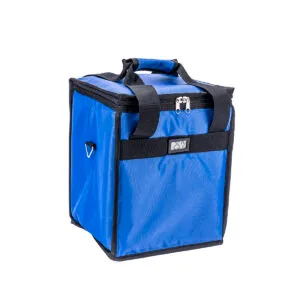
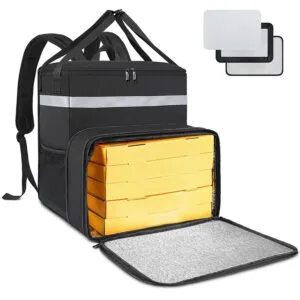
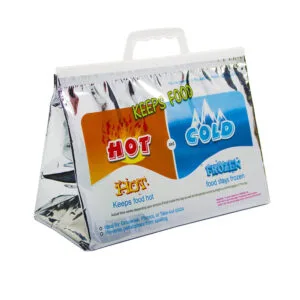
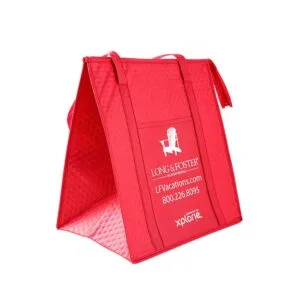
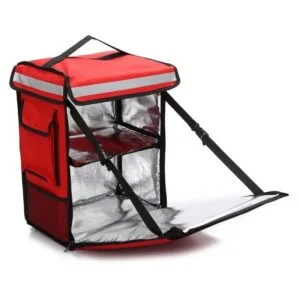
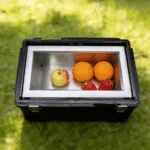
An insulated grocery bag zipper is the “door” that decides whether your bag stays cold—or slowly leaks warm air during the drive home. In real errands, the zipper often matters more than extra-thick insulation because heat sneaks in through gaps first. If you want fewer melted items, fewer leaks, and less odor, your zipper choice and routine will do most of the work.
This article will help you:
Choose an insulated grocery bag zipper that seals well under real load
Run a simple two cold sources pack-out that keeps groceries colder, longer
Prevent spills with a leakproof insulated tote routine
Clean and dry the zipper area so your bag stays odor-free
Decide when an insulated grocery bag zipper vs hard cooler makes more sense
Why does an insulated grocery bag zipper matter so much?
Core answer: A strong insulated grocery bag zipper reduces warm-air exchange and keeps cold air from escaping, especially at corners where most “invisible gaps” happen. Insulation slows heat transfer through the walls, but the zipper controls the opening—so if the top isn’t sealed, the cold “budget” drains fast.
Think of it like a winter jacket. Thick padding helps, but if the front stays open, you still lose warmth. Your grocery bag is the same idea—just reversed.
The 3 jobs of a good zipper (simple)
| Zipper job | What it protects | What fails first | What it means for you |
|---|---|---|---|
| Seal | Temperature stability | Corner gaps | Faster warming |
| Strength | Bag structure | Slider + stitching | Shorter bag life |
| Cleanability | Hygiene + odor control | Grit in teeth | Stuck zipper, smells |
Practical tips you can use today
Zip fully every time. A “half-zip” acts like a cracked fridge door.
Avoid overstuffing. Overstuffing bends the zipper line and makes teeth separate.
Check corners first. Most seal failures start at corners.
Practical case: A shopper reduced soft ice cream complaints by switching to a fully zippered bag and keeping it sealed from checkout to home.
Which insulated grocery bag zipper design fits your routine?
Core answer: The best insulated grocery bag zipper layout depends on how you load the bag and how often you open it. Some layouts open wider (easier loading) but add more zipper track (more cleaning and wear).
Common zipper layouts you’ll see
| Layout | Best for | Weak spot | What it means for you |
|---|---|---|---|
| Straight top zip | Quick grocery runs | Corner gapping | Pack snug, keep top flat |
| U-shaped zip | Bulk loading | Long-track wear | Needs more cleaning |
| 3-sided lid | Large items | Corner stress | Don’t overload the lid |
| Dual sliders (meet-in-middle) | Heavy loads | More moving parts | Often lasts longer if quality |
Practical tips you can use today
If you carry heavy bottles or bulk frozen, choose dual sliders or reinforced ends.
If you want fast packing, a U-zip can save time at checkout.
If you hate cleaning, avoid designs that trap crumbs along a long zipper path.
Practical case: A delivery driver reduced zipper failures after switching to dual sliders that spread stress under heavy loads.
Coil vs molded teeth: which insulated grocery bag zipper lasts longer?
Core answer: For an insulated grocery bag zipper, tooth style changes how the zipper handles grit, moisture, and daily strain. You don’t need “engineering specs”—you need a zipper that stays smooth when the bag is full.
Tooth style comparison (plain language)
| Tooth style | What it feels like | Handles grit? | What it means for you |
|---|---|---|---|
| Coil zipper | Flexible, smooth | Medium | Great for daily open/close |
| Molded plastic teeth | Chunky, tough | High | Better for heavy use |
| Water-resistant coated zipper | Stiffer, sheds water | Medium | Helpful for condensation, needs care |
Practical tips you can use today
If you do farmers markets, beach days, or messy loads, pick grit-tolerant teeth.
If you carry heavy frozen boxes, prioritize toughness over “fashion.”
If easy cleaning matters, choose bigger teeth that rinse out faster.
How do you test if an insulated grocery bag zipper really seals?
Core answer: Test your insulated grocery bag zipper when the bag is loaded. Many bags look sealed when empty, then open small gaps under weight—especially at corners.
60-second seal test
Load a few heavy items (like bottles).
Zip normally.
Pinch-check both corners for openings.
Lift by handles and re-check the zipper line.
Watch for “zipper creep” (slider slowly backing off).
| What you see | What it means | Choose / fix | Benefit to you |
|---|---|---|---|
| Corner gap | Track not supported | Reinforced corners | Better cooling |
| Slider backs off | Weak slider tension | Higher quality slider | Less frustration |
| Teeth separate | Overload or weak tape | Stronger zipper tape | Longer life |
Practical tips you can use today
Look for a stiffer top edge that keeps the zipper line straight.
Choose reinforced zipper ends (common failure point).
Don’t trust an empty-bag test—always test under load.
Best way to pack an insulated grocery bag zipper with ice packs
Core answer: The best results come from a simple system: two cold sources + tight packing + fully closed insulated grocery bag zipper. One cold source cools one side; two cold sources protect the whole volume.
The “two cold sources” pack-out (easy to repeat)
| Pack-out pattern | What you place | Why it helps | What it means for you |
|---|---|---|---|
| Bottom cold source | Gel pack or frozen bottle | Blocks heat from below | Fewer warm corners |
| Food in the middle | Dairy, meat, seafood, deli | More stable center zone | Better control |
| Top cold source | Second pack | Protects when opened | Safer during quick stops |
Step-by-step (HowTo)
Pre-chill: Put cold packs in the bag for 5 minutes before loading.
Add a barrier: Thin towel/cardboard to prevent freeze spots on delicate items.
Load cold core: Place dairy and proteins in the center.
Side-pack if needed: Add packs along the sides for longer trips.
Top-cap ice: Place one pack on top.
Zip fully: Check corners—this is where gaps hide.
Practical tips you can use today
Use flat ice packs to reduce crushing.
Keep the zipper line straight by avoiding tall items above the zipper track.
Split one huge load into two zippered bags instead of forcing one zipper.
Practical case: A commuter improved arrival quality on a 75-minute return trip by tight packing plus two cold sources and keeping the insulated grocery bag zipper closed between stops.
Helpful decision tools
Check the details before you choose packaging
These quick tools can help you compare route risk, sizing needs, coolant choices, and packaging details before you request a quote.
Box Liner & Pallet Cover Sizing
Check box liner and pallet cover sizing logic for insulated packaging projects.
Estimate sizingInsulation Material Reference
Compare insulation material choices for different cold chain packaging needs.
Compare materialsDry Ice Calculator
Estimate dry ice needs for frozen or ultra-cold shipments before packing.
Estimate dry ice
How do you prevent leaks and odors with an insulated grocery bag zipper?
Core answer: The insulated grocery bag zipper helps contain leaks, but leaks usually start inside the bag. Your goal is to keep liquids off the zipper tape and remove moisture after use.
Leak-proof routine (simple and repeatable)
Put meat/seafood in sealed secondary bags
Use an absorbent pad for high-risk items
Keep wet items bottom + upright
Dry the bag open after use
| Problem | Cause | Zipper-safe fix | What it means for you |
|---|---|---|---|
| Zipper sticks | Crumbs + moisture | Wipe track, dry | Longer zipper life |
| Odor lingers | Wet seams | Air-dry fully | Fresher bag |
| Mold spots | Stored closed while wet | Store unzipped | Less replacement cost |
Practical tips you can use today
Wipe the zipper line, not just the inside walls.
Store the bag unzipped overnight so moisture can escape.
Keep one dedicated “protein bag” to reduce smell and cross-contact.
Insulated grocery bag zipper for delivery: a 10-minute SOP
Core answer: Delivery fails when bags get opened too often. Every unzip swaps cold air for warm air. The fix is a simple routine that reduces openings and keeps categories separated.
Delivery SOP (teach it fast)
Pre-chill all bags before the first pickup
Use a two-bag method: cold bag + dry pantry bag
One-open rule: open only at drop-off
Route with cold-first delivery
End-of-shift wipe + full dry, store unzipped
Self-assessment (interactive)
Give yourself 1 point for each “yes”:
I use cold packs for every cold order.
I keep the insulated grocery bag zipper closed between stops.
I separate cold items from pantry items.
I can fully dry bags after the shift.
I replace worn ice packs regularly.
Score guide
0–2: High risk—fix routine before buying more gear
3–4: Workable with stricter timing and separation
5: Strong setup for consistent results
Insulated grocery bag zipper vs hard cooler for road trips
Core answer: An insulated grocery bag zipper wins on portability and daily convenience. A hard cooler wins on multi-hour hold time, high heat exposure, and long stops.
| Your use case | Better choice | Why | What it means for you |
|---|---|---|---|
| Weekly grocery trips | Insulated grocery bag zipper | Easy carry | Simple daily win |
| Multiple errands in heat | Hard cooler | Stronger hold time | Fewer warm surprises |
| Apartment stairs | Insulated grocery bag zipper | Lighter | Less strain |
| Long road trip + stops | Hard cooler | Stable over hours | Bigger safety margin |
Practical tips you can use today
Hybrid approach: use an insulated grocery bag zipper inside a cooler for organization.
Keep cold items in the cabin, not a heat-soaked trunk.
If you regularly exceed 2 hours, upgrade to a hard cooler.
2025 latest trends in insulated grocery bag zipper design
In 2025, buyers care less about “looks” and more about repeatable performance. The biggest shift is usability: bigger pull tabs, smoother corner tracks, more dual sliders, and more wipe-clean liners. These features reduce user mistakes—so you actually zip the bag every time and clean it often enough to keep it fresh.
Latest developments snapshot
More dual-slider zippers for faster workflows and fewer jams
More structured bases to prevent tipping and crushing
More wipe-clean liners to reduce odor buildup
Smarter fits that reduce dead-air space for steadier cooling
Common questions (FAQ)
Q1: Is a zipper better than Velcro for an insulated grocery bag?
Usually yes. A zipper is more repeatable and reduces air gaps along the top edge.
Q2: How long does an insulated grocery bag zipper keep food cold?
It depends on heat, trip time, and cold packs. Tight packing plus two cold sources increases your safe window.
Q3: Why does my insulated grocery bag zipper separate while zipping?
Most often: overstuffing, a bent zipper line, or debris in the teeth. Reduce load height, straighten the top edge, and wipe the track.
Q4: How do I stop odor in a zippered insulated bag?
Remove residue and remove moisture. Wipe the liner and zipper line, then air-dry unzipped overnight.
Q5: Should I buy a water-resistant zipper?
Buy it if condensation and wet environments are common. For internal spills, a wipeable liner and routine matter more.
Summary and recommendations
A reliable insulated grocery bag zipper is a practical upgrade because it reduces warm-air leaks, improves spill control, and supports repeatable routines. Choose a zipper layout that matches your load style, test the seal under real weight, and pack using two cold sources for steadier results. For leaks and odor, your best defense is secondary containment plus full drying with the bag unzipped.
Your next-step action plan (CTA)
Pick one “standard pack-out” and use it for your next three trips.
Keep two cold packs ready in your freezer at all times.
Assign one bag as a protein-only bag to reduce smell and mess risk.
If you routinely exceed 2 hours in heat, pilot a hard cooler upgrade.
About Tempk
At Tempk, we help cold chain teams and everyday users turn “best effort” cooling into repeatable performance. We focus on the details that actually change results—seal integrity, leak containment, and simple routines you can follow on busy days—so your insulated grocery bag zipper system stays reliable, clean, and easy to use.
Next step: Share your typical trip time, climate risk (hot/mild), and what you carry most (frozen, dairy, meat/seafood). We’ll recommend a zipper setup and pack-out routine that fits your real-world use.