When you handle temperaturesensitive products, choosing the right container isn’t optional—it’s mission critical. A recyclable insulated EPP box medium offers lightweight strength, longlasting insulation and genuine environmental benefits. This guide updated for December 2025 explains how an EPP (expanded polypropylene) box works, why it outperforms disposable materials and how it helps you meet tightening regulations. By the end of the first 50 words you already know the star of the show: the recyclable insulated EPP box medium—an innovation that keeps goods cold for 72–96 hours and survives more than 500 reuse cycles. It’s designed to protect your products and the planet.
This article answers:
What makes a recyclable insulated EPP box medium outperform EPS and EPE? We compare insulation, durability and total cost of ownership.
How do different industries use recyclable insulated EPP box medium solutions? Discover applications from pharmaceuticals and meal kits to industrial logistics.
Which design choices maximise your box’s lifespan? Learn how density, sizing, coolants and ergonomics impact performance.
What are the 2025 market trends shaping cold chain packaging? Get insights on regulations, consumer expectations and technological innovations.
How do extended producer responsibility (EPR) laws and the EU’s PPWR influence packaging choices? Explore the policies driving recyclability.
Frequently asked questions about selecting, using and maintaining a recyclable insulated EPP box medium.
How Does a Recyclable Insulated EPP Box Medium Keep Products at the Right Temperature?
A recyclable insulated EPP box medium maintains cold temperatures longer than traditional foams because it traps air in a closedcell structure and pairs with eutectic plates. Data sheets show thermal conductivity around 0.25–0.26 W/m·K (R ≈ 3.9), enabling 72–96hour temperature stability. The material remains stable from –40 °C to +110 °C, meaning a single box can handle frozen vaccines, chilled seafood or hot meals.
When you cut open a recyclable insulated EPP box medium you see a lattice of tiny air pockets trapped within rigid plastic walls. These pockets slow heat transfer and absorb shocks. Highdensity grades (40–60 kg/m³) boost strength but add weight. Low water absorption (<5 %) and resistance to oils and chemicals protect contents from moisture and mould. Because EPP is nonporous, it can be cleaned after each trip without degrading—a key feature for reuse cycles.
Comparing EPP to EPS, EPE and PUR: Insulation, Durability and Cost
A recyclable insulated EPP box medium is built for repeated use. In headtohead comparisons:
| Material | Insulation & Temperature Range | Durability & Reuse | Environmental Impact |
| EPP | Holds cold for 72–96 hours with eutectic plates; operates from –40 °C to +110 °C | Withstands drops from 1.5 m and compressive loads of 11–15 psi; reusable for 500+ trips | Fully recyclable thermoplastic; no chemical blowing agents |
| EPS (Polystyrene) | Cold retention 24–48 hours; narrower temperature range | Brittle; cracks easily; singleuse packaging | Difficult to recycle due to contamination; often sent to landfill |
| EPE (Polyethylene) | Moderate insulation; requires thicker walls | Flexible but offers less structural rigidity; fewer reuse cycles | Can be recycled but infrastructure is limited |
| PUR (Polyurethane) | Excellent insulation but heavy | Not easily recyclable; emits toxic fumes if improperly disposed | High environmental impact due to chemical composition |
Key takeaway: using a recyclable insulated EPP box medium gives you thermal longevity, shock resistance and compliance with circulareconomy regulations, while EPS and EPE lag in durability and sustainability.
Material Science Behind EPP
Highdensity EPP foam features sealed pockets that trap air and dampen vibrations. Mechanical tests show compressive strength of 0.3–2.5 MPa and energy absorption of 20–40 kJ/m². Water absorption remains below 0.3 %, enabling the box to resist moisture and chemical attacks. These properties allow the recyclable insulated EPP box medium to be sterilised or autoclaved, making it suitable for pharmaceuticals and hot meal deliveries.
In short, the combination of a closedcell foam structure and customizable density means you can tailor insulation, strength and weight to your specific application—something that isn’t possible with EPS or basic corrugated boxes.
Practical Tips and Guidance
Select the right density: For heavy payloads or long journeys, choose highdensity foam (40–60 kg/m³). Lighter loads benefit from medium densities to reduce weight.
Size matters: Use a box that fits your product snugly; excess void space increases thermal losses.
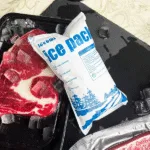
Pair with proper coolant: Gel packs or phasechange materials (PCMs) maintain 2–8 °C for pharmaceuticals; dry ice serves frozen goods; vacuum panels or active cooling handle ultracold biologics.
Ensure proper sealing: Choose boxes with flushfitting lids and gaskets to reduce air leakage.
Implement return programs: Deposit systems can reclaim up to 80 % of boxes, enhancing circularity and reducing replacement costs.
Realworld case: A pharmaceutical distributor adopted compact EPP boxes with IoT sensors and eutectic plates. Over one year, the company achieved 72–96hour temperature stability, cut vaccine spoilage from US$1.2 million to zero and reduced seafood rejection by 15 %. Reusing boxes more than 500 times saved roughly 60 % on packaging costs.
Industry Applications of Recyclable Insulated EPP Box Medium
Food and Beverage Logistics: Freshness Without Waste
Food delivery services, grocers and meal kit providers rely on the recyclable insulated EPP box medium to keep perishable items within required temperature ranges. Grocery retailers using compact EPP boxes and eutectic plates maintain freshness for up to 96 hours, ensuring customer satisfaction even when delivery schedules slip. The durability and easy cleaning of EPP foam make it ideal for repeated use in seafood, meat and dairy logistics. Customers appreciate the lightweight design and smooth return programs, which align with sustainability goals.
Pharmaceuticals and Biotechnology: Meeting Regulatory Demands
Vaccines, insulin, monoclonal antibodies and gene therapies must remain within tight temperature windows. The recyclable insulated EPP box medium delivers the consistent insulation and shock resistance required for safe transport. Boxes accommodate IoT sensors and GPS trackers, enabling realtime visibility and ensuring compliance with FDA and EU Good Distribution Practice guidelines. In 2024, pharmaceuticals accounted for 45 % of cold chain packaging revenues, underscoring the importance of reliable reusable containers.
ECommerce and Meal Kits: Lightweight, EcoFriendly Shipping
Directtoconsumer grocery and meal kit services need packaging that minimises shipping costs while protecting delicate ingredients. The recyclable insulated EPP box medium is lightweight, maximises space efficiency and appeals to sustainabilityconscious consumers. As the AsiaPacific cold chain packaging market grows at 12 % CAGR, adopting reusable EPP containers differentiates brands and reduces packaging waste.
Specialty Logistics and Industrial Uses
Beyond food and pharmaceuticals, industries use the recyclable insulated EPP box medium for chemical transport, laboratory samples, precision electronics and temperaturesensitive adhesives. Customizable designs include partitions, shockabsorbing inserts and secure closures. Because EPP tolerates temperatures up to +110 °C, boxes can be sterilised or autoclaved, expanding their utility in industrial settings.
UserOriented Advice: Maximising Value
Meal kit providers: Use foldable EPP boxes to save up to 60 % of space on return logistics. Insert removable dividers to protect fragile produce and choose mediumdensity foam to reduce shipping weight.
Pharma supply managers: Integrate IoT sensors and data loggers; selfassessment tools help select the right box configuration.
Seafood exporters: Sanitise boxes with mild soap and water; the nonporous surface prevents bacterial growth. Implement deposit systems to encourage box returns.
Example: A meal kit startup used a size calculator to design custom highdensity EPP boxes. The boxes kept ingredients safe for 48 hours and reduced shipping costs by eliminating void fillers.
Designing for Durability: Box Size, Density and Coolant Choices
The lifespan of your recyclable insulated EPP box medium depends on smart design decisions. Select the right density and size based on product weight, journey length and temperature range. Pair the box with appropriate coolants—PCMs or gel packs for chilled goods, dry ice for frozen items, and vacuum insulated panels for ultracold shipments. Ensure a tight seal with flushfitting lids and ergonomic handles.
Helpful decision tools
Check the details before you choose packaging
These quick tools can help you compare route risk, sizing needs, coolant choices, and packaging details before you request a quote.
Packaging Selector
Compare insulated packaging options by product, route, and temperature need.
Find packagingCoolant & PCM Reference
Compare coolant and PCM options when a route needs added temperature support.
Compare optionsIce Pack Calculator
Estimate gel ice pack quantity for chilled shipments and practical route planning.
Estimate ice packsReturn programmes and cleaning protocols extend box life. Offer deposit incentives to reclaim up to 80 % of boxes and wash boxes after each trip to prevent odours and mould. Monitor wear and retire damaged units into recycling streams.
Interactive Tools for Better Decisions
Modern cold chain platforms provide interactive elements that enhance user engagement and help you choose the best recyclable insulated EPP box medium:
Size calculator: Input product dimensions and desired temperature duration to receive recommended box dimensions and foam density.
Selfassessment checklist: Answer questions about product fragility, temperature range, journey length and sustainability goals to get a tailored packaging recommendation.
Monitoring addon selector: Choose IoT sensors and data loggers based on regulatory requirements and budget.
These tools not only streamline decision making but also encourage exploration, reducing bounce rates and signalling to search engines that your content is engaging.
Latest 2025 Developments and Trends in Cold Chain Packaging
Market Outlook and Growth
Market research predicts the EPP insulation box sector will be worth US$2 billion in 2025 and grow at 7 % CAGR through 2033. The global cold chain packaging market stands at US$32.29 billion in 2025 and is projected to reach US$48.93 billion by 2030, reflecting an 8.67 % CAGR. Temperature monitoring devices are the fastestgrowing segment at 12.95 % CAGR. Innovations such as advanced eutectic plates, foldable designs and IoTintegrated containers are boosting EPP’s competitive edge.
The circular coldchain packaging market for fresh and frozen food is projected to grow from USD 820 million in 2026 to USD 1,959.1 million by 2036 (CAGR 9.1 %), with EPP, HDPE and insulation foams dominating 50 % of the material share and reusable insulated boxes capturing 45 % of the packaging format segment. Pharmaceutical cold chain packaging is valued at US$28.9 billion in 2025 and expected to reach US$75 billion by 2032 (CAGR 14.6 %), with small boxes and insulated shippers representing about 38 % of the market.
Technological Innovations
Several breakthroughs are reshaping cold chain logistics in 2025:
AIdriven route optimisation: Algorithms analyse traffic, weather and delivery windows to reduce fuel use and improve delivery reliability.
Blockchain for traceability: Immutable ledgers record every step of a product’s journey, enhancing transparency and compliance.
Solarpowered refrigeration: Solar coldchain solutions enable shipments in regions with limited electricity, reducing waste and expanding access.
IoT sensors and active packaging: Containers integrate sensors to monitor temperature, humidity and location in real time.
Ecofriendly materials: Companies adopt compostable foams and biobased additives to polypropylene, aligning with consumer demand.
These innovations signal a future where cold chain packaging is smarter, greener and more resilient.
Consumer Preferences and Regulatory Drivers
Sustainability is now nonnegotiable. A 2025 consumer survey found that 75 % of buyers prioritise hygiene and food safety, 67 % emphasise shelf life, 55 % care about durability and 51 % consider environmental impact when choosing packaging. Regulations reinforce these expectations: the EU’s Packaging and Packaging Waste Regulation (PPWR) requires all packaging on the market to be recyclable by 2030 and increases the use of recycled plastics. Extended Producer Responsibility (EPR) laws now live in California, Colorado, Oregon, Maryland and Maine shift recycling costs from taxpayers to producers. Fees are assessed by weight and material; easily recycled materials pay the lowest rates, while hardtorecycle packaging can cost 3–6× more per ton. These policies incentivise companies to adopt recyclable materials like EPP.
In 2025, Maryland and Washington became the sixth and seventh U.S. states to pass EPR laws for packaging. Maryland’s law allows multiple Producer Responsibility Organizations and incentivises recyclable, reusable or compostable packaging. Washington’s program focuses on consumer packaging and will expand collection services to underserved homes, with producer compliance beginning in 2028. Needs assessment bills in Hawaii and Rhode Island direct states to study what’s required to implement EPR programs. These developments demonstrate that regulatory momentum toward circularity is accelerating.
Market Dynamics: Who Leads and Where
Plastics, particularly EPP and EPS, dominate the pharmaceutical cold chain packaging market with 74 % material share. Small boxes and insulated shippers account for 38 % of product type share, standard for clinical trials and smallbatch distribution. North America leads with 31 % regional share due to advanced biopharmaceutical manufacturing and adoption of IoTenabled packaging. Europe follows with 27 % share, driven by stringent GDP regulations and demand for premium thermal packaging. East Asia, at 19 %, is growing rapidly thanks to vaccine distribution expansion and rising exports from China, South Korea and Japan.
Frequently Asked Questions
Q1: Why choose a recyclable insulated EPP box medium over a Styrofoam cooler?
Styrofoam (EPS) coolers often crack after one trip and offer only 24–48hour cold retention. A recyclable insulated EPP box medium lasts 500+ trips, holds cold for 72–96 hours and is fully recyclable. You’ll save money and reduce waste over the long term.
Q2: How do I clean and reuse an EPP box?
Use mild soap and water; EPP’s nonporous surface resists bacteria and doesn’t absorb moisture. Inspect for cracks and retire damaged boxes into recycling streams.
Q3: Can an EPP box handle ultracold shipments like mRNA vaccines?
Yes. EPP foam remains stable down to –40 °C, and when paired with dry ice or vacuum panels it accommodates ultracold requirements. For temperatures below –60 °C, supplement with active cooling.
Q4: Are EPP boxes accepted in existing recycling systems?
Many European countries and U.S. states now have EPP recycling networks. EPP parts can be ground up and used in new products, sometimes containing 25 % or more postconsumer recycled content. Check local programs and partner with producers that offer takeback services.
Q5: How will EPR laws affect my packaging costs?
If you sell in states with EPR laws, you’ll pay fees based on weight and material. Easily recycled packaging like EPP pays the lowest rates, while hardtorecycle materials can cost 3–6× more. Reducing material weight and increasing recyclability can minimise fees.
Summary and Recommendations
Choosing a recyclable insulated EPP box medium is no longer a niche decision—it’s a strategic move. EPP foam outperforms EPS and EPE in insulation, durability and environmental impact. A single box can keep products cold for 72–96 hours, survive more than 500 trips, and comply with strict 2025 regulations. By selecting the right density, size and coolant, implementing return programs and using interactive tools, you maximise the box’s lifespan and lower your total cost of ownership. This sustainability story resonates with consumers and regulators alike.
Actionable Next Steps
Evaluate your current packaging: Conduct a selfassessment to identify where a recyclable insulated EPP box medium can replace disposable alternatives.
Choose the appropriate density and size: Use a size calculator to match box dimensions and foam density to your products.
Integrate monitoring technology: Add IoT sensors and data loggers to enhance traceability and compliance.
Implement return and cleaning programmes: Offer deposit incentives and establish cleaning protocols to extend box life.
Stay ahead of regulations: Monitor EPR laws and PPWR updates; choose recyclable materials like EPP to minimise fees and ensure compliance.
By following these steps, you protect your products, reduce waste and maintain a competitive edge in the evolving coldchain landscape.
About Tempk
We at Tempk specialise in designing and manufacturing reusable coldchain solutions. Our recyclable insulated EPP box medium and complementary accessories, such as eutectic plates and gel packs, help customers maintain precise temperature control across pharmaceuticals, food, ecommerce and industrial logistics. We maintain rigorous quality standards and invest in R&D to create durable, recyclable packaging that meets the latest EU PPWR and U.S. EPR requirements. Our expertise ensures you get the right product for your needs, backed by a commitment to sustainability and customer service.
Call to action: Contact us to explore custom recyclable insulated EPP box medium solutions, schedule a consultation or request a sample. Let’s work together to build a resilient and ecofriendly cold chain.