How to Perfect Cold Chain Dark Chocolate Packaging: Protecting Quality from Bean to Bar
Rich dark chocolate may feel timeless, yet climatelinked crop losses and booming online sales make its packaging a modern challenge. The global chocolate market surpassed US $1.11 trillion in 2023 and extreme weather cut cocoa output by 12.9 %. Dark chocolate softens at 34–38 °C (93–101 °F) and melts completely by 113–120 °F, so even brief temperature spikes or humidity swings can cause fat bloom and ruin the glossy finish. To ensure every bar arrives glossy and flavorful, you need an efficient cold chain dark chocolate packaging strategy. This guide uses researchbacked data and 2025 market insights to help you choose materials, control temperature and humidity, and adopt sustainable practices.
Why dark chocolate needs cold chain logistics: explore how cocoa butter composition and melting points drive strict temperature and humidity controls.
What temperatures and humidity levels preserve quality: learn the “Goldilocks” ranges for production, storage and transit.
How to select packaging materials: compare expanded polypropylene (EPP), vacuum insulation panels (VIP), foam and plantbased options, plus phase change materials (PCMs) and gel packs.
Stepbystep packout procedures: see how to precondition, insulate, buffer, wrap and cushion dark chocolate for shipping.
Trends shaping packaging in 2025: understand market growth, sustainability demands and smart packaging technologies.
Frequently asked questions: get clear answers on melting temperatures, packaging best practices and cold chain tips.
Why does dark chocolate require precise cold chain packaging?
Direct answer
Dark chocolate melts faster than you think. Because of its high cocoa butter content, dark chocolate softens between 34 °C and 38 °C (93–101 °F) and completely melts around 113–120 °F. Even minor heat or humidity changes cause fat migration and sugar crystallization (bloom), dulling sheen and flavor. Maintaining a narrow temperature window (13–15 °C / 55–59 °F during transit) and keeping relative humidity under 50 % preserve the texture and prevent bloom. For longer storage, aim for 12–20 °C (54–68 °F) with 45–55 % RH.
Expanded explanation
Chocolate’s structure combines cocoa solids dispersed in cocoa butter. When temperatures exceed roughly 20 °C (68 °F) the cocoa butter begins to migrate to the surface. Rapid cooling or high humidity dissolves surface sugar and recrystallizes it into rough white spots, known as sugar bloom. Vegans and highfat inclusions add complexity: plantbased fats can react unpredictably to temperature cycles, so vegan bars often stay within 16–20 °C under tight humidity control. A proper cold chain dark chocolate packaging system prevents both heat spikes and moisture shock, maintaining quality across climate zones and minimizing returns.
Understanding bloom and melting
| Cause | Mechanism | Signs | Impact for you |
| Sugar bloom | High humidity dissolves surface sugar; rapid cooling causes it to recrystallize | Rough white crystals appear on the surface | Gritty texture and dull taste; customers may mistake it for mold |
| Fat bloom | Temperature fluctuations make cocoa butter separate from cocoa solids | Greasy white streaks or a soft sheen | Chocolate loses snap and melts easily; aesthetics suffer |
| Melting | Temperatures exceed about 34 °C (93 °F) for dark chocolate | Bars soften or liquefy | Complete structural loss; regulatory problems and financial losses |
| Differential melting | White chocolate melts at 100–110 °F, milk chocolate at 104–115 °F, dark chocolate at 113–120 °F | Mixed assortments degrade inconsistently | Packaging and coolant must accommodate each type’s tolerance |
Practical tips and advice
Precondition your load: Bring dark chocolate to its target shipping temperature (13–15 °C) before packing to avoid condensation.
Acclimate gradually: Never transfer bars directly from a freezer to a warm packing room; incremental temperature changes prevent sugar bloom.
Monitor with sensors: Place dataloggers or IoT devices in pallets or boxes to track temperature and humidity in real time.
Limit dwell time: Keep pallets in controlledtemperature zones only as long as necessary; most excursions happen during transfers.
Protect against light and odors: Use opaque packaging and maintain airflow to prevent offflavors.
Case study: A premium chocolatier saw return rates drop from 20 % to 2 % after adding sensors and switching to overnight insulated containers during a summer heat wave.
What temperatures and humidity levels preserve dark chocolate quality?
Direct answer
Stick to the “cool band.” After tempering, chocolates should be cooled to 18–20 °C (64–68 °F). During storage, maintain 12–20 °C (54–68 °F) with relative humidity below 50 %. Dark chocolate tolerates the lower end of this range because its high cocoa butter content solidifies at higher temperatures, whereas milk and white chocolates are more sensitive. During transport, keep precooled vehicles between 13–18 °C (55–65 °F). When shipping over long distances or during summer, aim for 13–15 °C and relative humidity around 45–55 %.
Expanded explanation
Research from Sensitech notes that warehouses storing chocolates must maintain 54–68 °F (12–20 °C) with humidity under 50 % to prevent sugar bloom. Dark chocolate can tolerate slightly cooler conditions because cocoa butter solidifies at a higher temperature. Milk chocolate contains more milk fat and is less stable; it should be kept within 55–65 °F to prevent bloom. White chocolate, having the lowest cocoa butter content, is the most sensitive and requires continuous monitoring.
Humidity control is vital: sugar crystals dissolve at high humidity and recrystallize as sugar bloom. Sensitech recommends monitoring both temperature and humidity in real time and correcting deviations quickly. Air circulation prevents chocolates from absorbing odors, while shielding from direct light avoids UV damage and packaging degradation.
Temperature and humidity by chocolate type
| Chocolate type | Ideal temperature (°C/°F) | Relative humidity range | Significance |
| Dark chocolate | 12–20 °C / 54–68 °F | < 50 % RH | More stable due to higher cocoa butter; tolerates cooler conditions and minor fluctuations. |
| Milk chocolate | 13–18 °C / 55–65 °F | < 50 % RH | Sensitive to temperature swings; requires consistent conditions to prevent bloom. |
| White chocolate | 13–18 °C / 55–65 °F | < 50 % RH | Most fragile; continuous monitoring is essential. |
| Filled chocolates/pralines | 13–18 °C / 55–65 °F, avoid freezing | < 50 % RH | Fillings like nougat or liqueur may crack if frozen; precool packaging and avoid extreme swings. |
Practical tips and advice
Use realtime temperature and humidity monitors: Continuous data let you act quickly to correct deviations.
Prioritize airflow: Allow space around pallets to prevent odor absorption; avoid loading chocolate with strongsmelling products.
Shield from light: Use opaque packaging to block UV exposure.
Avoid condensing temperatures: Keep humidity low enough to prevent moisture from condensing on the chocolate’s surface.
Case study: Storing milk chocolate at a stable 65 °F (18 °C) and 45 % RH prevented sugar bloom during a summer heat wave and saved thousands of dollars.
How to select materials for cold chain dark chocolate packaging?
Direct answer
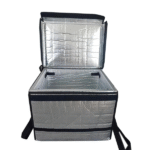
Build a multilayered defence. Effective dark chocolate packaging uses multiple layers to provide insulation, temperature buffering and moisture barriers without adding unnecessary bulk. A typical packout comprises a sturdy outer carton, an insulated liner (expanded polypropylene, vacuum insulation panel or ecofriendly alternative), a phase change material (PCM) or gel pack to regulate temperature, a vaporbarrier bag or foil to block moisture and odors, and cushioning to protect delicate inclusions.
Material options and their performance
| Component | Materials (examples) | Why it matters | Benefit for you |
| Outer box | Corrugated cardboard with reinforced corners | Provides structural strength and reduces empty space | Reduces dimensional weight; resists compression during transit. |
| Insulation | Expanded polypropylene (EPP), vacuum insulation panels (VIP), expanded polystyrene (EPS), or plantbased Biocooler/Biomailer liners | Slows heat transfer and maintains desired temperature | Keeps cargo within 13–15 °C for up to 48 hours; ecofriendly options reduce waste. |
| Temperature buffer | Gel packs or phase change materials (PCMs) tuned to 13–15 °C | Absorbs heat spikes and maintains a narrow temperature range | Prevents melting; reduces need for active refrigeration. |
| Vapor barrier | Moistureproof film, aluminum foil bags, desiccants and odor barriers | Blocks humidity and odors from entering the pack | Prevents sugar bloom and offflavors. |
| Cushioning | Foam inserts, recycled paper or biodegradable fillers | Protects delicate inclusions (nuts, fruit) from vibration | Maintains product aesthetics during long haul shipments. |
Comparing insulation options
Passive vs active systems: Passive systems rely on insulated boxes, liners and gel packs to maintain cool conditions for 24–48 hours. They are lightweight, modular and costefficient, making them ideal for lastmile delivery or shortdistance shipments. Active systems use refrigerated trucks or containers with precise temperature control for longhaul or highvalue shipments; however they are more expensive and less flexible.
Material sustainability: Expanded polypropylene and vacuum panels offer high Rvalues but come from petroleum sources. Plantbased options, like Biocooler and Biomailer made from renewable starches, emulate EPS performance while being compostable. NaturePack reports that its biodegradable foam shippers provide insulation equal to traditional foam and reduce environmental impact. Their Biocooler shippers can extend temperaturecontrolled times by up to 30 % over traditional foam while offering a holistic recovery cycle.
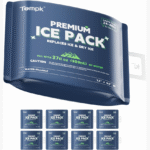
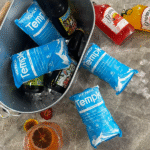
Temperature buffer selection: Gel packs maintain 12–20 °C longer than dry ice, which can drop temperatures below freezing and cause sugar bloom. When shipping dark chocolate, select gel packs or PCMs tuned to maintain the 13–15 °C range. Position the refrigerant above and around the chocolate, leaving air space for natural convection.
Barrier and cushioning: Use moistureproof bags or aluminum foil to block humidity and odors, and include desiccants when shipping in humid climates. Cushioning with foam or recycled paper protects delicate decorations from vibration.
Practical tips and advice
Choose the right box size: Minimizing empty space reduces air exchange and prevents movement that causes scuffs and rub marks.
Balance insulation and cost: Overpackaging increases weight and shipping costs while raising condensation risk; underpackaging risks quality loss.
Opt for eco alternatives: Compostable liners and plantbased insulation reduce waste and appeal to sustainabilityminded consumers.
Test packouts: Simulate shipments under summer and winter profiles to validate insulation and coolant combinations before peak season.
What are the best practices for packing dark chocolate for shipping?
Direct answer
Follow a structured packout sequence. Successful cold chain dark chocolate packaging requires precooling the chocolate and packaging materials, building layers correctly, and minimizing handling time. Precondition both the product and the refrigerant to the target range (13–15 °C). Line the outer carton with an insulated liner, place a moisture barrier around the chocolate, insert gel packs or PCMs above and around the product, and fill voids with cushioning. Seal the package quickly and label it as temperaturesensitive.
Expanded explanation
Chocolatiers often precool finished bars in a cooling chamber at 18–20 °C (64–68 °F) and humidity below 50 % before packaging. Placing already chilled products into prechilled packaging helps preserve the cold chain. According to Go Logistics, precooling packaging materials is equally important.
During assembly, layer the refrigerant correctly. Gel packs or PCMs should never be in direct contact with chocolate; separation layers like cardboard or bubble wrap prevent freezing or sweating. Moisture control is crucial: include desiccants and moistureproof liners to prevent condensation. Once packed, limit the time the box remains open, as warm air quickly degrades the internal environment.
Stepbystep packout
Precool chocolates and packaging: Keep finished bars at 13–15 °C and below 50 % RH for several hours. Precondition gel packs or PCMs at the same temperature.
Prepare the box: Select a corrugated carton that fits snugly around the insulated liner. Reinforce corners as needed.
Insert insulation: Fold EPP, VIP or compostable liners into the box; ensure there are no gaps.
Add moisture barrier: Wrap chocolate bars in aluminum foil or moistureproof film with desiccants.
Place chocolate: Position the wrapped bars centrally inside the liner.
Add temperature buffer: Place gel packs or PCMs on top and around the sides, separated by cardboard or bubble wrap.
Helpful decision tools
Check the details before you choose packaging
These quick tools can help you compare route risk, sizing needs, coolant choices, and packaging details before you request a quote.
Dry Ice Calculator
Estimate dry ice needs for frozen or ultra-cold shipments before packing.
Estimate dry iceCompliance Checklist Generator
Build a practical checklist for packaging review, shipping, and documentation.
Build checklistPackaging Selector
Compare insulated packaging options by product, route, and temperature need.
Find packagingFill voids: Use paper or foam inserts to prevent movement and absorb shock.
Seal and label: Close the liner and box quickly. Apply “Perishable–Keep Cool” labels and record the packout time for traceability.
Practical tips and advice
Document your SOP: Create a standard operating procedure for packout steps, including checklists for precooling, insulation and labeling.
Train staff: Ensure all team members follow the same temperature and humidity guidelines to avoid inconsistent handling.
Schedule packaging during cooler hours: Pack early in the morning or late evening to minimize ambient heat exposure.
Track time outside controlled areas: Softening, bloom and sweating are often caused by handling delays.
Case study: A gifting brand discovered that most “melt complaints” were actually scuffs caused by loose packing on multistop routes; adjusting cushioning and handling reduced complaints.
How do passive and active cold chain systems compare for chocolate logistics?
Direct answer
Choose passive for short journeys and active for long hauls. Passive cold chain systems use insulated packaging, gel packs and PCMs to maintain temperatures without external power. They are lightweight, modular and costeffective, maintaining 12–20 °C conditions for up to 48 hours. Active systems use refrigerated trucks or containers to regulate temperature precisely for extended periods; they are essential for longdistance or highvalue shipments but cost more and require power.
Expanded explanation
In lastmile deliveries or ecommerce shipments, passive packaging—insulated boxes with gel packs—can protect dark chocolate for 24–48 hours. Insulation materials like expanded polystyrene, cotton fiber and starchbased foams slow heat transfer, while gel packs maintain the target temperature. According to IPC, their insulated box liners can protect chocolate shipments for 24 to 72 hours and outperform Styrofoam containers while being spaceefficient.
Active systems, such as refrigerated trucks or reefer containers, maintain consistent temperatures (e.g., 13–18 °C) across long routes. They are used for bulk shipments or when cargo crosses multiple climate zones. Sensitech notes that realtime temperature monitors are crucial in active systems to detect deviations and take corrective actions quickly.
Practical tips and advice
Use passive packaging for ecommerce and lastmile deliveries: Choose gel packs tuned to the 13–15 °C range and compostable insulation to reduce waste.
Employ active refrigeration for highvalue or longhaul shipments: Precool trucks to 13–18 °C and ensure carriers minimize transfer times.
Combine systems when needed: Use passive packaging inside active containers to buffer against temperature spikes during loading and unloading.
Monitor continuously: Whether passive or active, use sensors to track temperature and humidity at all points in the journey.
How does technology improve dark chocolate cold chain packaging?
Direct answer
Data and automation drive precision. Smart packaging technologies—such as IoT sensors, GPS trackers, QR codes and blockchain—enable realtime monitoring of temperature, humidity and location. They provide alerts when shipments deviate from the target range and allow companies to intervene quickly, reducing waste and maintaining quality. QR codes and near field communication (NFC) chips also offer consumer engagement and traceability, letting buyers verify the origin and ethical credentials of their chocolate.
Expanded explanation
Modern cold chain logistics incorporate wireless dataloggers placed inside shipments to record temperature and humidity data continuously. Some systems transmit data via cellular networks or satellite to a cloud platform, enabling dispatchers to monitor multiple shipments simultaneously. Sensitech highlights that realtime temperature monitors improve return on investment and reduce food waste by allowing corrective action before damage occurs.
Smart packaging extends beyond supply chain management. The confectionery packaging market is embracing interactive technologies, including QR codes, NFC chips and augmented reality (AR). According to Globene Newswire, brands use these features to provide freshness indicators, product stories and loyalty programs. The same report notes investments in smart sensors like sustainable RFID tags and freshness indicators that show whether the product has experienced temperature excursions.
Practical tips and advice
Adopt realtime monitoring: Place dataloggers in every shipment; integrate alerts with your logistics management software.
Use QR codes for traceability: Link packaging to information about cocoa origin, farmer impact and sustainability practices.
Employ blockchain for transparency: Immutable records can verify temperature compliance and ethical sourcing.
Train your team on data use: Ensure employees know how to interpret sensor readings and respond to alerts.
Leverage analytics: Analyze temperature profiles to optimize routes, packaging combinations and precooling procedures.
What are the latest 2025 developments and trends in dark chocolate packaging?
Trend overview
The confectionery packaging market is booming. Towards Packaging estimates that the global market will grow from USD 11.44 billion in 2025 to USD 15.73 billion by 2034, a compound annual growth rate (CAGR) of 3.6 %. Key drivers include rising consumer demand, convenience, sustainability and innovations in materials and technology. Premiumisation is also accelerating: consumers associate elegant packaging with higher quality, leading brands to invest in rigid boxes, foil stamping and resealable features.
Latest progress at a glance
Sustainable materials are nonnegotiable: Brands are eliminating singleuse plastics and adopting recyclable, biodegradable and compostable materials such as paperbased wrappers, plantbased films and postconsumer recycled content. Compostable foam shippers made from plant starches match the insulation performance of petroleumbased foams.
Smart and interactive packaging: QR codes, NFC chips and AR experiences allow consumers to trace cocoa origins, verify ethical practices and access loyalty programs. Freshness indicators and RFID tags ensure product integrity and build trust.
Premium and ecommerce friendly designs: Rigid boxes with highbarrier films, matte finishes, resealable closures and easyopen features improve the unboxing experience and protect chocolates during online deliveries.
Personalisation and portion control: Advanced digital printing enables costeffective customization for seasonal or personalised labels. Miniformat and resealable packaging support mindful snacking and social sharing.
Ethical sourcing & transparency: Consumers demand proof of ethical cocoa production and want packaging to tell a story. Brands use QR codes and interactive elements to communicate impact, while emphasising regenerative farming and carbon neutrality.
Functional and wellness positioning: Wellnessoriented chocolates with adaptogens, probiotics and reduced sugar are trending. Packaging must align with cleanlabel expectations and often uses earth tones and minimalist designs.
Market insights
The global market for confectionery packaging is influenced by ecommerce growth. Fragile, temperaturesensitive products like dark chocolate require durable primary and secondary packaging to survive multistage handling. Advanced printing technologies allow mass customization, enabling brands to quickly adapt packaging to consumer trends. Investments by major packaging suppliers (e.g., Constantia Flexibles, Innovia Films, Amcor) focus on thinner, more sustainable films and recycleready materials.
Frequently Asked Questions
- At what temperature does dark chocolate melt?
Dark chocolate softens between 34 °C and 38 °C (93–101 °F)and melts completely between 113 °F and 120 °F. Avoid exposing chocolate to temperatures above 30 °Cto prevent bloom and melting. - How should I store dark chocolate during shipping?
Maintain a “cool band” of 12–20 °C (54–68 °F)with relative humidity below 50 %. Dark chocolate tolerates the lower end of this range due to its high cocoa butter content. - What’s the best packaging for dark chocolate?
Use a multilayered packout: a sturdy corrugated box, insulated liner (EPP, VIP or compostable alternative), gel packs or PCMs tuned to 13–15 °C, a moistureproof barrier like aluminum foil, and cushioning. Passive packaging protects for 24–48 hours; use active refrigeration for longer routes. - How can I prevent sugar bloom and fat bloom?
Control temperature fluctuations and humidity. Keep chocolate within 12–20 °Cand below 50 % RHto prevent sugar dissolving and recrystallizing. Avoid rapid cooling or heating; precondition chocolate before packaging. - Are biodegradable packaging materials effective for cold chain?
Yes. Compostable liners like Biocooler and Biomailer made from plant starches offer insulation comparable to EPS foam and extend temperaturecontrolled times by up to 30 %. They reduce environmental impact while protecting chocolate during transit. - Why use realtime monitoring?
Realtime temperature and humidity monitors provide continuous visibility and allow corrective action before product quality is affected. They help reduce waste and improve customer satisfaction.
Summary and Recommendations
Key takeaways
Dark chocolate is heatsensitive; it softens between 34–38 °C and melts by 113–120 °F, so maintain a 13–15 °C transit range and keep humidity below 50 %.
The optimal storage range is 12–20 °C (54–68 °F); dark chocolate tolerates the lower end, while milk and white chocolates need consistent temperatures.
Use multilayer packaging: sturdy box, insulated liner (EPP, VIP or eco), gel packs or PCMs, moisture barrier and cushioning.
Passive cold chain systems protect shipments for 24–48 hours; active systems provide precise control for long hauls.
Invest in realtime sensors and data analytics to monitor temperature and humidity and act quickly to correct deviations.
Sustainable materials and smart packaging technologies are key trends; compostable insulation and interactive packaging engage consumers and reduce environmental impact.
Action plan
Audit your current cold chain: Map all touch points—from postroasting to lastmile delivery—to identify where heat and humidity excursions occur.
Establish temperature/humidity SOPs: Define target ranges (13–15 °C transit; 12–20 °C storage) and document procedures for precooling, packaging and handling.
Select the right materials: Choose insulation and refrigerant combinations that balance performance and sustainability. Test packouts under seasonal profiles to validate them.
Implement realtime monitoring: Equip shipments with dataloggers and integrate alerts into your logistics management system.
Train and empower staff: Use clear checklists to ensure consistency in packout and handling; emphasize humidity and temperature control.
Communicate sustainability: Adopt biodegradable packaging and add interactive features (QR codes) to share your ethical sourcing and environmental efforts.
Review and optimize: Analyze sensor data and customer feedback to refine routes, packaging strategies and SOPs each season.
About Tempk
Tempk is a cold chain packaging specialist providing reusable and recyclable insulated bags, ice packs, carton boxes and electric cooler bags. Our packaging solutions help maintain optimal temperatures for gourmet chocolates, pharmaceuticals and other sensitive goods. We invest in research and development to deliver ecofriendly products that reduce waste and improve thermal performance. Our compostable insulation alternatives match traditional foam in performance and extend cooling times by up to 30 %. By combining highperformance materials with smart sensors, we help you deliver premium chocolate experiences while shrinking your environmental footprint.
Ready to elevate your chocolate logistics? Consult our experts to design a tailored cold chain dark chocolate packaging solution that protects quality, reduces waste and delights your customers.