Cold chain courier services for vaccines ensure that delicate immunisations move from manufacturers to patients without losing potency. Most routine vaccines must stay between 2 °C and 8 °C (36–46 °F), while advanced mRNA therapies require ultracold storage of –80 °C to –60 °C. Yet studies show that up to 25–30 % of vaccines in some regions are lost due to temperature excursions and the World Health Organization (WHO) estimates over half of vaccines can be wasted when the cold chain fails. Maintaining the cold chain is therefore a shared responsibility for manufacturers, distributors and healthcare providers. This guide uses simple language and practical examples to help you choose reliable cold chain courier services, prepare shipments and monitor temperature effectively. Updated for 2025, it reflects the latest logistics technology and regulatory changes.
This article will answer:
What is a cold chain courier service for vaccines and why is it critical? – We define the cold chain and explain why vaccines spoil outside specific temperature ranges.
How do you choose the right courier and packaging? – Learn the difference between passive and active systems, and how to select containers based on volume and distance.
What monitoring and handling practices keep vaccines safe? – Discover temperature logging tools and standard operating procedures recommended by CDC and WHO.
Which trends will shape cold chain logistics in 2025? – Explore new technologies such as solarpowered units, IoT sensors, AI route optimisation and drone delivery.
Frequently asked questions – Quick answers to common queries about vaccine transport, packaging and compliance.
What is a cold chain courier service for vaccines and why is it critical?
A cold chain courier service transports vaccines while maintaining strict temperature limits. Vaccines are biological products; their proteins and RNA break down when exposed to heat or extreme cold. Conventional vaccines like influenza or HPV lose potency if they rise above 8 °C, while mRNA formulations such as the PfizerBioNTech vaccine require –80 °C to –60 °C and cannot be refrozen once thawed. When the cold chain fails, up to 25 % of vaccines worldwide are damaged. This not only wastes scarce doses but can erode public trust and require revaccination. Cold chain courier services ensure that every link—from manufacturing plant to lastmile clinic—protects the product’s integrity.
Maintaining potency requires three key elements: trained staff, reliable equipment and rigorous monitoring. The CDC’s vaccine storage guidelines emphasise that refrigerators should maintain 2 °C–8 °C and freezers –50 °C to –15 °C. WHO guidelines note that passive cold boxes lined with coolant packs are ideal for short trips, whereas longrange shipments may need active, powered containers. Because each handoff is an opportunity for error, courier services must have clear procedures, backup plans for emergencies and transparent documentation.
Why temperature control matters
Vaccines are living molecules. Think of them like perishable food: leaving milk out of the refrigerator spoils it. Similarly, exposure to temperatures outside 2 °C–8 °C can denature vaccine proteins, while frozen vaccines thawed unintentionally cannot be reused. For mRNA products, the lipid nanoparticles that protect the genetic material degrade rapidly above –60 °C. Even brief excursions can significantly reduce efficacy. That’s why WHO guidelines call for including a temperature monitoring device in each shipment and why CDC recommends checking and recording storage temperatures at the start of each workday.
| Temperature Range | Vaccine Type | Recommended Packaging | Meaning for You |
| 2 °C–8 °C | Routine vaccines (measles, HPV, influenza) | Insulated boxes with gel packs or phasechange materials | Standard courier shipments; maintain potency for most immunisations. |
| –20 °C to –30 °C | Frozen vaccines and viral vectors | Dry ice containers or active refrigerated units | Ensures stability for polio or Ebola doses. |
| –80 °C to –60 °C | mRNA vaccines and gene therapies | Ultralow freezers, vacuuminsulated panels, cryogenic shippers | Critical for mRNA potency; shipments must remain ultracold. |
| Controlled room (15 °C–25 °C) | Oral vaccines and certain biologics | Insulated packaging with temperature indicators | Protects products sensitive to both heat and cold. |
| Cryogenic (< –80 °C) | Cell and gene therapies | Liquid nitrogen dry shippers | Maintains viability for CART and similar therapies. |
Practical tips and guidance
Inspect the shipment on arrival: When a courier delivers vaccines, immediately check temperature indicators or digital loggers and confirm that the package remained within the specified range. If a temperature excursion occurred, label vials “Do Not Use” and contact the manufacturer.
Keep vaccines in the right equipment: Use purposebuilt vaccine refrigerators or standalone units; never store vaccines in dormitorystyle fridges. For transport, portable vaccine refrigerators or qualified cooler boxes with coolant packs should be your first choice.
Separate products by temperature: Transport refrigerated and frozen vaccines in separate containers to prevent crosscontamination. Diluents should never be frozen and may require precooling.
Realworld example: During a polio campaign in rural Pakistan, health workers used WHOapproved cold boxes lined with coolant packs. These boxes, with capacities between 5 and 25 litres and cold lives of up to 96 hours, allowed vaccines to remain potent during dayslong journeys through remote villages. Conditioned ice packs prevented freezesensitive vaccines from freezing, and workers rotated sets of coolant packs to maintain consistent cold life. The campaign achieved high coverage with minimal waste.
How do you choose the right courier and packaging?
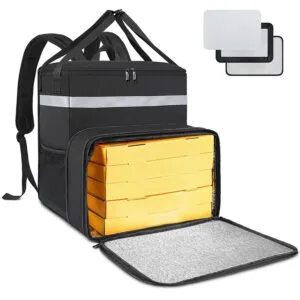
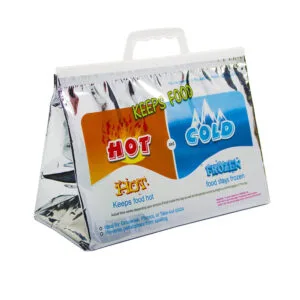
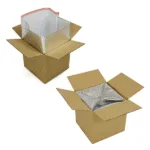
Selecting a cold chain courier service means considering distance, shipment volume, temperature requirements and available infrastructure. You should weigh the pros and cons of passive versus active systems. Passive packaging uses insulated boxes filled with gel packs, dry ice or phasechange materials (PCMs) and is costeffective for lastmile or short flights. Active packaging includes batterypowered or compressordriven containers that provide precise temperature control over long distances.
Choosing between passive and active systems
Passive systems are lightweight and don’t require an energy source. They rely on the thermal mass of coolant packs or PCMs to keep vaccines within range. For example, cold boxes recommended by UNICEF come in shortrange (≥48hour cold life) and longrange (≥96hour cold life) models. They’re ideal for outreach clinics and areas without power, but require careful conditioning of ice packs and may not maintain ultralow temperatures.
Active systems use compressors or fans and often integrate data loggers and GPS. They are heavier and more expensive, yet provide stable environments across long journeys or extreme climates. Active containers can maintain –20 °C for days without dry ice and reduce reliance on hazardous materials. If you’re shipping mRNA vaccines across continents or through multiple customs zones, active systems may be necessary. Assess your route’s duration, temperature range and regulatory requirements before choosing.
Packaging selection factors
Volume and payload: Estimate the number of doses, packaging materials and coolant packs. UNICEF guidelines suggest matching the container size to the vaccine storage capacity needed and the cold life required.
Mode of transport: Road shipments may allow heavier active containers, whereas air or drone deliveries favour lightweight passive options. Check airline regulations on dry ice: there are limits on CO₂ emissions.
Ambient conditions: Consider seasonal temperatures and whether the shipment will face extreme heat or cold. Phasechange materials can maintain specific setpoints without freezing the product.
Regulatory compliance: Ensure containers meet ISTA 7E performance standards and WHO’s prequalification list. Many couriers claim “CDC compliant,” but the CDC does not endorse specific products.
Reusable vs. disposable: Active shippers are often reusable; passive boxes may be single-use or require reverse logistics. Factor in sustainability and cost per shipment.
Evaluating courier services
A trustworthy courier should provide validated cold chain packaging, trained handlers and transparent tracking. Ask potential providers these questions:
How do you validate temperature performance? Providers should test packaging combinations to meet specified cold life under worstcase conditions.
What monitoring and alerts do you offer? Modern courier services use digital data loggers, IoT sensors and cloud dashboards to record temperatures and provide realtime alerts.
Do you have contingency plans? Emergencies happen—power failures, customs delays or weather events. Couriers should have redundant refrigeration capacity, spare coolant and alternative routing options.
Are staff trained in vaccine handling? WHO emphasises that staff training is essential for preventing errors. The courier should provide SOPs and documentation for packaging, handling and emergency response.
Case study: A biotechnology firm shipping a gene therapy product requiring –80 °C from the United States to Europe selected an active container with vacuum insulation and dry ice. The courier performed a route risk assessment, testing the packaging at ambient extremes and verifying a cold life of 120 hours. The shipment included a digital data logger storing 4,000 readings and a GPS tracker. During transit, an unexpected customs delay occurred; the active system maintained the temperature without intervention, and the monitoring portal alerted the operations team. The therapy arrived potent and within regulatory compliance.
How does packaging maintain vaccine potency during transit?
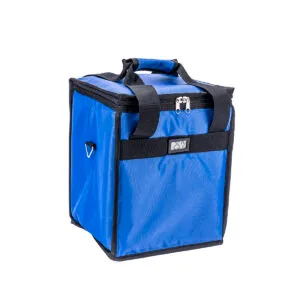
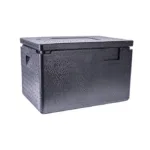
Packaging acts as a thermal shield, protecting vaccines from heat, cold, light and shock. Cold boxes and vaccine carriers are the backbone of lastmile delivery. According to UNICEF, cold boxes hold 5–25 litres and come in shortrange (≥48 hours cold life) and longrange (≥96 hours) versions. Vaccine carriers are smaller (0.1–5 litres), lightweight containers used by health workers to carry vaccines on foot for a few hours to a day. Both rely on coolant packs—water packs precooled to 2 °C–8 °C (cool packs) or frozen to –5 °C to –20 °C (ice packs). The cold life of a container is measured from the moment the lid closes until the warmest point reaches +10 °C, while the cool life ends when it reaches +20 °C. Proper conditioning of ice packs prevents freezesensitive vaccines from freezing.
Phasechange materials and insulation
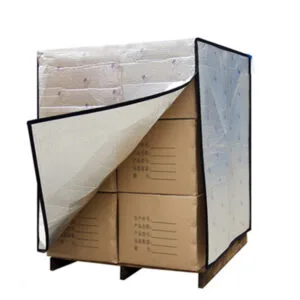
Phasechange materials (PCMs) are a newer option that use latent heat to absorb or release energy at a specific temperature. PCMs maintain a consistent environment without electricity and can be combined with vacuuminsulated panels (VIPs) for better performance. For example, a PCM that melts at 5 °C will keep a vaccine container near that temperature for many hours. PCMs are particularly useful for mRNA vaccines because they avoid the risks associated with dry ice.
Passive vs. active packaging: details
| Factor | Passive Packaging | Active Packaging | Impact on You |
| Energy source | None; relies on gel packs, PCMs or dry ice | Requires battery or compressor | Passive is lighter and cheaper but less precise; active offers control but needs power and maintenance. |
| Cold life | 24–96 hours depending on insulation and coolant | Several days to weeks depending on power and insulation | Choose passive for daylong or regional deliveries; active for intercontinental shipping. |
| Temperature range | Typically 2 °C–8 °C or –20 °C to –30 °C; difficult below –60 °C | Can maintain –20 °C, –80 °C or other setpoints | mRNA and cell therapies often need active systems. |
| Regulatory compliance | Must meet ISTA 7E and WHO PQS standards | Must meet aviation and safety regulations; qualifies for Good Distribution Practice | Ensure packaging is certified and validated. |
| Reusability | Often singleuse; ecofriendly options exist | Generally reusable; higher upfront cost | Consider total cost of ownership and sustainability. |
Tips for preparing shipments
Condition coolant packs correctly: Freeze ice packs at –5 °C to –20 °C and let them sweat until frost disappears before packing freezesensitive vaccines. Cool packs should be precooled to 2 °C–8 °C.
Precool the container: Load empty boxes with coolant packs in advance to stabilise the internal temperature before adding vaccines.
Minimise air gaps: Use insulation or filler material to reduce empty space; less air means less heat transfer.
Include temperature monitors: Use digital data loggers or chemical indicators. Digital loggers with buffered probes mimic vaccine vials and record temperatures every 30 minutes or less, while indicators provide a visual cue. Check calibration certificates to ensure accuracy within ±0.5 °C.
Helpful decision tools
Check the details before you choose packaging
These quick tools can help you compare route risk, sizing needs, coolant choices, and packaging details before you request a quote.
Packaging Selector
Compare insulated packaging options by product, route, and temperature need.
Find packagingIce Pack Calculator
Estimate gel ice pack quantity for chilled shipments and practical route planning.
Estimate ice packsInsulation Material Drop Resistance
Review drop resistance and handling factors before choosing insulation materials.
Check resistanceLabel and organise: Separate products by temperature requirement and label boxes clearly. Place diluents with vaccines only if the diluents have been refrigerated.
What monitoring and handling practices keep vaccines safe?
Monitoring ensures that shipments remain within safe temperature ranges. The CDC recommends that storage unit minimum and maximum temperatures be checked and recorded at the start of each workday. During transport, digital data loggers record temperature every 30 minutes or more frequently and can store thousands of readings. This provides an objective record of compliance and allows rapid detection of excursions.
Monitoring tools
Digital Data Loggers (DDL): Devices that continuously record temperatures and display minimum/maximum values. Many models store at least 4,000 readings and can be programmed for userdefined intervals. Data can be downloaded via USB or uploaded to cloud dashboards for realtime monitoring.
IoT Sensors and GPS: These sensors transmit temperature, humidity and location data via cellular or satellite networks. If a shipment experiences a temperature excursion or delay, alerts can be sent via email or SMS. GPS helps reroute shipments around weather events or traffic.
RFID Tags and Blockchain: RFID tags enable automatic scanning of packages through checkpoints and update the chain of custody. Blockchain technology records every event in the supply chain to create a tamperproof temperature history.
Chemical Indicators: Lowcost labels change colour when exposed to temperatures outside the range. These provide quick visual confirmation but do not record continuous data.
Handling best practices
Develop standard operating procedures (SOPs): The CDC toolkit recommends that every facility maintain written SOPs for routine storage and handling, emergency transport and equipment failures. These should specify contact information, training requirements and stepbystep actions during excursions.
Train staff: All personnel who handle vaccines should receive training during orientation and annually thereafter. Training should cover packaging, data logger use, response to alarms and regulatory requirements.
Rotate stock and monitor expiry dates: Vaccines should be rotated firstin, firstout and checked for expiry or beyonduse dates. Removing expired doses prevents accidental administration.
Plan for emergencies: Identify backup refrigerators, generators and alternative courier routes. In emergencies, portable vaccine refrigerators or conditioned waterbottle systems can transport vaccines temporarily.
Separate vaccines and diluents by temperature: Always transport refrigerated vaccines and frozen vaccines in separate containers. Diluents must not be frozen and should be cooled before shipment.
Monitoring success story
During a measles outbreak in a developing country, health authorities equipped each vaccine shipment with IoT sensors and GPS trackers. When a truck transporting doses to remote clinics was delayed by flooding, the system alerted the central monitoring team, who rerouted the shipment via helicopter. Temperatures remained within the 2 °C–8 °C range, preventing waste and ensuring timely vaccination. After the campaign, data analysis showed that realtime monitoring reduced temperature excursions by 50 % compared to previous years.
What are the latest innovations and trends in cold chain courier services for 2025?
The cold chain landscape is evolving rapidly. By 2025, the vaccine logistics market is estimated at USD 3.29 billion, driven by new immunisation programmes and complex therapies. Several trends shape the future of cold chain courier services:
Latest developments overview
Solarpowered refrigeration: WHO prequalified models now include solarpowered refrigerators for remote clinics without grid access. These units reduce reliance on fossil fuels and offer sustainable options for offgrid storage.
Drone delivery: Drone technology is increasingly used for lastmile transport in hardtoreach areas. The medical drone delivery market is projected to grow from USD 358.8 million in 2025 to USD 2.5 billion by 2034. Drones shorten delivery times, reduce exposure to extreme environments and support rapid response to outbreaks.
AI route optimisation: Artificial intelligence can analyse weather, traffic and route data to minimise transit time. Industry case studies show AI can reduce transit time by up to 30 % and lower the risk of temperature excursions.
Advanced monitoring and traceability: IoT sensors, blockchain and cloud platforms provide endtoend visibility, reduce waste by up to 50 % and improve trust. The DSCSA and similar regulations increasingly require electronic transaction data and digital tracking.
Phasechange materials and vacuum insulation: PCMs combined with vacuuminsulated panels maintain precise temperatures without power, enabling multiday shipments at –80 °C. Research is underway to develop PCMs for specific vaccine setpoints.
How these innovations affect you
Accessibility: Solar fridges and drones bring vaccines to remote communities without reliable roads or electricity. For example, health workers in remote Pacific islands now receive vaccines within hours instead of days.
Reliability: Realtime monitoring and blockchain ensure that you can verify the chain of custody and temperature history. This reduces liability and builds trust with patients.
Efficiency: AIoptimised routes reduce fuel use and emissions while cutting delivery times. Data analytics help identify bottlenecks and improve planning.
Sustainability: Ecofriendly packaging, reusable active containers and PCMs reduce waste and carbon footprint. Companies can promote sustainability while maintaining compliance.
Frequently Asked Questions
Q1: What temperature range must most vaccines stay within during transport?
Most routine vaccines should stay between 2 °C and 8 °C. Frozen vaccines require –50 °C to –15 °C, and mRNA vaccines need –80 °C to –60 °C. Always consult the manufacturer’s package insert.
Q2: How can I prevent vaccines from freezing in a cold box?
Condition ice packs by letting them sweat until droplets form on the surface. Use cool packs (2 °C–8 °C) around freezesensitive vaccines. Never place vaccines directly against frozen ice packs.
Q3: Do lyophilised vaccines require the same cold chain as liquid vaccines?
Lyophilised (freezedried) vaccines must still be kept cold; most require refrigerated conditions. They need reconstitution before use, which adds complexity and potential for error.
Q4: Can I ship vaccines with dry ice?
Dry ice (solid CO₂) can keep shipments at –78.5 °C for several days. However, it should not be used for vaccines requiring 2 °C–8 °C or –58 °F to 5 °F because it could freeze them. Airlines also limit dry ice quantities due to gas release.
Q5: What should I do if a temperature excursion occurs during transport?
Label the affected vaccines “Do Not Use,” separate them from usable stock and contact your vaccine coordinator or manufacturer for guidance. Document the excursion and follow your facility’s emergency SOPs.
Q6: How do I choose between active and passive packaging?
Consider shipment distance, duration, vaccine temperature requirements and cost. Passive boxes suit short trips and routine vaccines, while active systems are necessary for long hauls, ultralow temperatures or variable conditions.
Summary and Recommendations
Cold chain courier services are critical to preserving vaccine potency and ensuring public health. To recap, vaccines must be kept within strict temperature ranges, and up to 25 – 30 % of vaccines can be lost when the cold chain fails. Choose the right packaging—passive boxes for short trips, active containers for ultracold or longdistance shipping—and condition coolant packs properly. Use digital data loggers and IoT sensors to monitor temperature and receive realtime alerts. Train staff, document SOPs and plan contingencies. Finally, stay informed about 2025 innovations like drones, AIoptimised routes and solarpowered refrigerators to improve efficiency and sustainability.
Actionable next steps
Assess your vaccine portfolio: Identify temperature requirements and choose appropriate packaging (passive or active).
Audit current equipment and monitoring: Ensure refrigerators and freezers meet recommended standards and calibrate data loggers annually.
Develop or update SOPs: Include routine handling, emergency transport and communication protocols. Train staff regularly.
Engage trusted courier partners: Evaluate providers based on validation, monitoring capabilities and contingency planning.
Adopt new technology: Explore IoT monitoring, AI route optimisation and ecofriendly packaging to stay ahead in 2025.
Monitor performance: Review shipment data, identify patterns and continuously improve your cold chain processes.
About Tempk
Tempk is a leading provider of cold chain packaging and monitoring solutions. We specialise in reusable insulated boxes, vacuuminsulated panels and phasechange materials that maintain precise temperatures for routine and ultracold vaccines. Our R&D team continuously tests and validates packaging to meet WHO and CDC standards. We also offer digital data loggers and IoT dashboards for realtime visibility, ensuring your vaccines arrive potent and safe. With a commitment to sustainability, we design ecofriendly products such as recyclable gel packs and solarcompatible units.
Call to action
If your organisation needs reliable cold chain courier solutions, contact Tempk for a consultation. Our experts will help you assess your requirements, select appropriate packaging and integrate monitoring technology. Together, we can protect vaccine potency and support global immunisation efforts.