Maintaining the right temperature is essential whether you deliver a gourmet meal across town or pack a lunch for your family. Insulated food bags combine layered insulation, reflective liners and secure closures to slow heat transfer and keep contents safe. As global demand for temperaturecontrolled delivery grows, the market for insulated delivery bags is expanding rapidly – it was valued at USD 16.5 billion in 2025 with a projected CAGR of 6.8 % through 2035. At the same time, sustainability is driving innovation, with manufacturers adopting recyclable paperbased insulation and other ecofriendly materials. This guide breaks down the science behind insulated bags, how to choose the right one and the latest trends shaping 2025.
What this article will answer
What are insulated food bags and how do they work? Learn about layered construction and how materials such as EPE foam and reflective liners maintain temperature.
Why are insulated food bags essential for coldchain logistics and everyday use? Discover how they reduce food waste, enhance energy efficiency and build customer trust.
How do you choose the right insulated bag? Compare sizes, insulation thicknesses and closure systems and understand Rvalues that indicate thermal resistance.
What are the latest innovations in 2025? Explore ecofriendly materials, smart monitoring and AIoptimized logistics that are transforming the cold chain.
Practical tips and answers to common questions. Get actionable advice on using, cleaning and maintaining your bag to prolong its life.
What Is an Insulated Food Bag and How Does It Work?
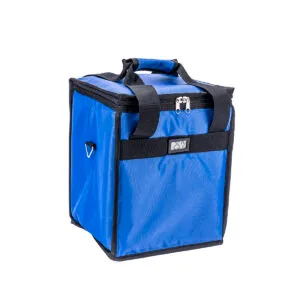
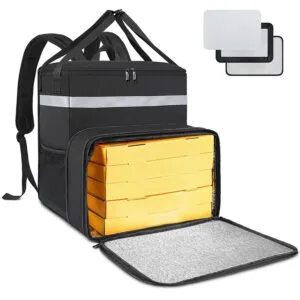
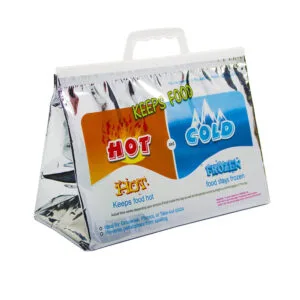
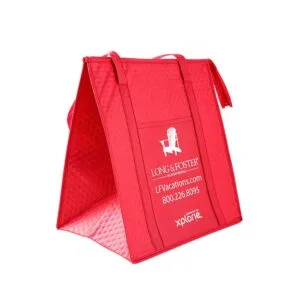
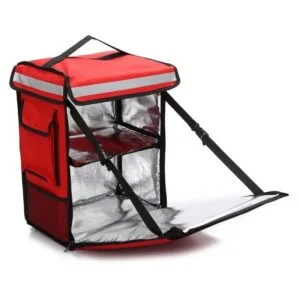
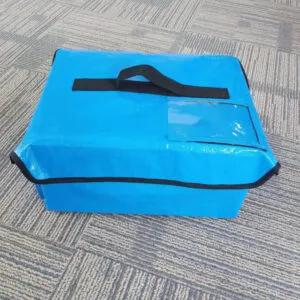
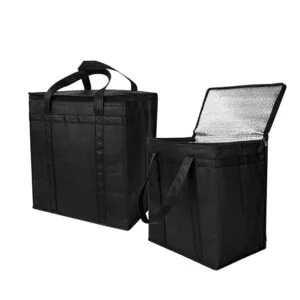
An insulated food bag is a flexible container designed to maintain a safe temperature range for hot or cold foods by slowing the transfer of heat. It typically combines an outer fabric, a foambased insulation core and a foodsafe inner liner. This multilayered construction creates air pockets and reflective surfaces that reduce conduction, convection and radiation. The outer shell is often made from durable materials such as Oxford cloth, recycled polyester (RPET) or nonwoven fabric, providing tear resistance and waterrepellence. The core features closedcell foam (often EPE, PU or XPE), while the inner lining is usually PEVA or aluminum foil. Secure closures like double zippers and flap covers prevent ambient air from entering, further slowing temperature loss.
Understanding the Layered Structure
Each layer in an insulated bag serves a specific function:
| Component | Typical Materials | Role | Practical significance |
| Outer shell | Oxford fabric, RPET, nonwoven cloth | Provides durability, water resistance and branding opportunities | Protects the bag from tears and allows custom printing for marketing purposes |
| Insulation core | Closedcell foam (EPE 5–8 mm, PU or XPE up to 25 mm) | Creates air pockets that resist heat flow; thicker foam delivers higher Rvalues (thermal resistance) | Determines how long the bag can hold safe temperatures; 8 mm EPE with an aluminum liner can maintain cold food below 10 °C for 6.5 hours |
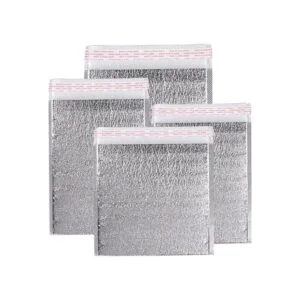
| Inner liner | PEVA, aluminum foil, foodgrade film | Reflects radiant heat and provides a hygienic surface | Simplifies cleaning and prevents contamination while boosting retention; aluminum foil is preferred for longer journeys |
| Closure system | Double zippers, Velcro, flap covers | Seals the bag to minimize air exchange | Critical for maintaining temperature; poor seals negate insulation benefits |
When you place food inside, the foam slows heat transfer and the reflective liner bounces infrared energy back toward the contents. In practical terms, wellbuilt cooler bags keep cold foods below 10 °C for 4–8 hours and hot foods above 50 °C for 3–6 hours. Higherend models with thicker foam and aluminum liners can extend that performance to 12–24 hours. Note that performance depends on external factors such as ambient temperature, volume, prechilling or preheating, and how often the bag is opened.
The illustration above shows how layers work together to create a thermal barrier. The outer shell shields the bag from external conditions, the foam slows heat transfer by trapping air, and the reflective liner reduces radiant heat exchange. Proper sealing ensures these layers function effectively.
Practical Tips and Suggestions
Precondition the bag: For cold foods, prechill the bag by placing ice packs inside for 30 minutes before loading. For hot foods, preheat it with warm water (then dry), which reduces the initial temperature drop.
Fill to 80–90 % capacity: Insulated bags perform best when nearly full; empty space allows air pockets that accelerate warming or cooling.
Use highquality gel packs: Combine foam insulation with gel packs or phasechange materials. Position packs on top and sides of your food to create an even temperature field.
Avoid frequent openings: Each time you unzip the bag, ambient air rushes in. Plan deliveries or serving sequences to minimize openings.
Clean and dry after use: Wipe down the liner with mild soap and warm water, then airdry completely. This prevents mold and maintains hygiene.
Actual case: GrainSafe Logistics adopted insulated bags with advanced foam insulation to transport bulk grains. After integrating these bags, the company reported a 30 % reduction in energy consumption and a 15 % decrease in spoilage, leading to significant cost savings and improved customer satisfaction.
Why Are Insulated Food Bags Essential for ColdChain Logistics and Everyday Life?
Insulated bags are crucial because they protect food safety, reduce waste and support compliance with regulatory standards. In the United States, an estimated 30–40 % of the food supply is wasted, partly due to spoilage during transportation. Maintaining proper temperature can prevent the growth of pathogenic bacteria and preserve quality, a point emphasized by the U.S. Food and Drug Administration, which recommends appropriate temperature control during transport. Beyond safety, insulated bags enhance energy efficiency; logistics operations account for roughly 8 % of global energy consumption, and using passive cooling in combination with insulated bags can significantly reduce the need for mechanical refrigeration.
Insulated bags also support branding and customer experience. Customprinted thermal packaging builds trust and reinforces quality perceptions. Readytouse kits reduce training time and ensure consistency across shipments, while smart temperature monitoring (using sensors and IoT devices) provides realtime visibility and compliance data. For meal delivery services, using the right bag ensures dishes arrive hot and presentable, protecting the brand’s reputation.
Reducing Waste, Saving Energy and Building Trust
| Factor | Challenge Without Insulated Bags | Impact When Using Insulated Bags | Realworld benefit |
| Food waste | Up to 40 % of food can be lost due to spoilage during transport | Closedcell foam and reflective liners maintain safe temperatures, reducing spoilage by 15 % in field trials | More food delivered safely means higher customer satisfaction and reduced environmental impact |
| Energy consumption | Refrigerated vehicles and temporary coolers demand high energy use; logistics accounts for ~8 % of global energy consumption | Passive cooling with insulated bags reduces the need for active refrigeration, cutting energy use by 30–40 % | Lower operating costs and reduced carbon footprint |
| Regulatory compliance | Temperature abuse during transit can render food unsafe and violate guidelines | Temperature sensors integrated into bags provide realtime alerts and documentation | Simplified audits and improved safety protocols |
Practical Tips and Suggestions
Leverage data logging: Use affordable Bluetooth sensors or IoT tags to record temperatures inside your bag. Realtime alerts allow you to take corrective action if temperatures exceed safe ranges.
Invest in branded packaging: A customized insulated bag serves as a mobile billboard. It communicates professionalism and helps differentiate your business.
Consider sustainability: Opt for bags made with recyclable paperbased insulation or repulpable materials to reduce environmental impact and appeal to ecoconscious consumers.
Actual case: EcoLogistics Solutions implemented passive cooling technology in delivery vehicles combined with insulated bags. The company achieved an average temperature reduction of 25 °C inside vehicles, reduced energy costs by 40 %, and reported a 20 % drop in product spoilage, solidifying its reputation for sustainable logistics.
How to Choose the Right Insulated Food Bag for Your Needs
Choosing an insulated food bag involves balancing size, insulation performance, liner material and closure quality. Capacity influences not only how much food you can carry but also insulation efficiency. Commercial cooler bags typically range from 6 L to 40 L:
6 L–10 L – Compact and portable; ideal for singlemeal delivery, employee lunches or small promotional kits.
15 L–20 L – Versatile for multimeal orders, grocery packs or midsize giveaways.
30 L–40 L – Designed for group catering, beverage programs or outdoor events; thicker insulation reduces usable volume.
Evaluating Insulation Performance and RValues
Thermal resistance is often expressed as an Rvalue – higher Rvalues indicate better insulation. The table below compares common materials used in insulated bags:
| Material & thickness | Approx. Rvalue | Applications | Practical significance |
| EPE foam (5 mm) | R 1.2–1.3 | Standard reusable delivery bags | Suitable for short trips (4–6 hours); lightweight and affordable |
| EPE foam (8 mm) | R 2.0–2.4 | Highertier outdoor or coldchain packaging | Extended performance (6–12 hours) when combined with reflective liners |
| PU or XPE foam (25 mm) | R 6.0 + | Specialized medical or pharmaceutical transport | Maintains temperature for 12–24 hours; heavier and more expensive |
| Aluminum foil layer | N/A (reflective) | Boosts total system Rvalue to R 5–10 when combined with foam | Reflects radiant heat; essential for long distances or nonairconditioned environments |
When choosing, ask suppliers for inner dimensions in addition to nominal volume; thick insulation reduces usable space. Evaluate the closure system – double zippers and reinforced seams prevent air leaks. Consider the lining material: aluminum foil offers superior reflectivity while PEVA is easier to fold and clean. Finally, think about brand representation; custom colors and printing transform your bag into a marketing asset.
Helpful decision tools
Check the details before you choose packaging
These quick tools can help you compare route risk, sizing needs, coolant choices, and packaging details before you request a quote.
Box Liner & Pallet Cover Sizing
Check box liner and pallet cover sizing logic for insulated packaging projects.
Estimate sizingDry Ice Calculator
Estimate dry ice needs for frozen or ultra-cold shipments before packing.
Estimate dry iceIce Pack Calculator
Estimate gel ice pack quantity for chilled shipments and practical route planning.
Estimate ice packsPractical Tips and Suggestions
Match size to use: Don’t buy an oversized bag for single meals; underfilled bags develop warm air pockets. Conversely, overloading a small bag strains seams and reduces insulation.
Ask about foam thickness: For deliveries lasting more than six hours, look for at least 5 mm of closedcell foam and an aluminum lining.
Check ease of cleaning: Smooth, foodgrade liners like PEVA resist staining and simplify cleaning; avoid rough fabrics that harbor bacteria.
Look for modular systems: Readytouse kits with prequalified liners reduce complexity and training time.
Actual case: During a field test, a PEVA + 8 mm EPE + aluminum bag kept ice packs below 10 °C for 6.5 hours and hot food above 50 °C for 4.2 hours. This performance demonstrates the importance of foam thickness and reflective liners when choosing a bag for extended deliveries.
Tips for Using and Maintaining Your Insulated Food Bags
Proper usage extends the life of your insulated bag and ensures consistent performance:
Prechill or preheat: Always condition your bag before loading to reduce thermal shock. For cold deliveries, place prefrozen gel packs or ice inside; for hot dishes, warm the bag with a heated towel or hot water (then dry).
Layer smartly: Place ice or heat packs on the top and around the sides. Cold air sinks, so top packs ensure uniform cooling, while side packs protect edges.
Minimize openings: Plan your delivery route to limit how often you open the bag. Each opening disrupts the thermal envelope and accelerates temperature loss.
Secure the closure: Always zip or Velcro the bag completely. A small gap can let in enough warm or cold air to compromise contents.
Clean regularly: After each use, wipe the liner with soap and water. For stubborn stains, use baking soda paste. Let the bag air dry fully to prevent mildew.
Store properly: Keep the bag in a cool, dry place away from direct sunlight. Long exposure to UV rays can degrade fabrics and reduce insulation effectiveness.
Inspect regularly: Check seams, zippers and the integrity of the foam. Replace worn bags promptly; compromised insulation can lead to food safety issues.
2025: Latest Developments and Trends in Insulated Food Bags and ColdChain Logistics
Trend overview
The insulated bag industry is evolving quickly due to growing ecommerce, stricter food safety regulations and environmental concerns. Ecofriendly materials such as recyclable paperbased insulation, repulpable liners and gel packs with nontoxic formulas are gaining traction. Manufacturers now offer readytouse packaging kits that simplify warehouse operations and reduce errors. Smart temperature monitoring using IoT sensors and Bluetooth loggers is becoming mainstream, providing realtime visibility and alerting operators when temperatures exceed safe ranges. Meanwhile, AIpowered route optimization and blockchain traceability are revolutionising coldchain logistics by improving efficiency and transparency. These innovations support sustainability by reducing energy consumption and enhancing customer trust.
Latest advances at a glance
Ecofriendly materials and circular design: Recyclable paperbased insulation, repulpable liners and biodegradable gel packs reduce waste and improve brand perception. Thermal packaging manufacturers are investing in compostable and reusable materials.
Smart monitoring and IoT integration: Temperature sensors, Bluetooth loggers and IoTenabled containers allow realtime tracking of temperature, humidity and location. Alerts help prevent temperature excursions and provide compliance documentation.
AIpowered route optimization: Algorithms adjust delivery routes based on traffic, weather and delivery windows, reducing fuel consumption and improving reliability. These systems also support multistop deliveries without compromising temperatures.
Blockchain traceability: Immutable records of product journeys ensure transparency, help meet food safety regulations and increase consumer trust.
Solarpowered and passive cooling solutions: In areas with limited electricity, solarpowered refrigeration units and passive cooling coatings are being deployed to reduce energy consumption.
Market insights
The market for insulated food delivery bags is poised for strong growth. According to Future Market Insights, the global market was valued at USD 16,519 million in 2025 and is expected to reach USD 31,840 million by 2035 (CAGR 6.8 %). The surge in online food ordering and stringent food safety regulations drive demand for highquality insulated bags. In North America alone, the insulated packaging market is projected to grow from USD 580 million in 2025 to USD 1,030 million by 2034, fueled by rising demand in food, pharmaceuticals and electronics. The region also leads in adopting AI and smart monitoring technologies. Key trends include consumer preference for reusable, recyclable bags and the integration of advanced technologies such as machine learning and RFID to optimize temperature control. Ecommerce and meal delivery platforms further accelerate demand for insulated packaging that preserves freshness and enhances the unboxing experience.
Frequently Asked Questions
How long can an insulated food bag keep food cold or hot?
A wellconstructed insulated bag with 5–8 mm of closedcell foam and a reflective liner typically keeps cold foods below 10 °C for 4–8 hours and hot foods above 50 °C for 3–6 hours. Highend bags with thicker foam (8 mm or more) and aluminum foil liners can extend cold retention to 12–24 hours.
What materials are best for environmentally friendly insulated bags?
Ecofriendly options include recyclable paperbased insulation, repulpable liners, biodegradable gel packs and reusable outer shells. These materials provide performance comparable to traditional foam while reducing waste and disposal costs.
How do I clean and maintain my insulated food bag?
After each use, wipe the inner liner with mild soap and warm water, rinse and airdry thoroughly. For stubborn stains, a baking soda paste helps remove odors. Avoid harsh chemicals that could degrade the liner. Store the bag in a cool, dry place and inspect seams and zippers regularly.
Summary and Recommendations
Insulated food bags are indispensable tools for keeping meals safe, reducing waste and enhancing energy efficiency. Their layered construction – outer fabric, foam insulation and reflective liners – provides a thermal barrier that maintains safe temperatures for hours. Adoption of ecofriendly materials and smart monitoring technologies is transforming the industry, aligning with consumer demand for sustainability. The market for insulated delivery bags is growing rapidly, reflecting the explosion of online food delivery and stricter regulations. Whether you deliver meals professionally or pack lunches for your family, choosing the right bag – one with appropriate size, insulation thickness and closure – is vital for safety and efficiency.
Actionable next steps:
Assess your needs: Consider the typical volume and duration of your deliveries or outings. Select a bag size and insulation level that matches your use cases.
Invest in quality: Look for bags with closedcell foam at least 5 mm thick, reflective liners and secure closures. Ask suppliers for performance data (e.g., retention times) and inner dimensions.
Adopt sustainable practices: Choose ecofriendly materials and implement cleaning and maintenance routines to extend bag life. Use reusable gel packs instead of singleuse ice.
Leverage technology: Integrate temperature sensors and, if possible, AIoptimized route planning to ensure deliveries arrive within safe temperature ranges.
Engage your customers: Brand your bags and educate customers about your commitment to food safety and sustainability. Encourage feedback and adjust your practices accordingly.
About Tempk
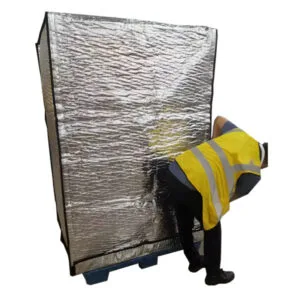
We are Tempk (Shanghai Huizhou Industrial Co., Ltd.), a hightech enterprise established in 2011 with a registered capital of 30 million. Headquartered in Shanghai with seven factories across China, we specialize in research, development and production of coldchain solutions. Our offerings include gel ice packs, dry ice packs, insulated lunch bags, insulated takeaway backpacks, EPP insulated boxes, cold shipping boxes, VPU medical refrigerators, insulated box liners and pallet covers. We provide phasechange cold storage materials, pharmaceutical refrigeration and temperaturecontrol verification services for major pharmaceutical groups and fresh food ecommerce companies. With more than four years of intensive R&D and a commitment to sustainability, we deliver reliable, reusable and customizable products that protect your goods and the environment.
Call to action: If you need guidance on selecting the ideal insulated food bag or wish to explore our full range of coldchain solutions, reach out to our team. We offer expert consultation, customization options and 24/7 support. Let us help you keep your products safe and your customers satisfied.