Protecting your expressed milk is like safeguarding liquid gold. A breast milk thermal bag is more than a carrying pouch – it’s a portable safety zone that maintains temperature and shields nutrients. In this comprehensive guide updated on December 26, 2025, you’ll discover why a thermal bag matters, how to choose the right one and how evolving technology is reshaping milk transport. You’ll learn that fresh milk stays safe at room temperature for only four hours and refrigerated milk keeps for four days, while an insulated cooler with ice packs can extend travel time to a day. By the end you’ll confidently pick a bag that fits your lifestyle and ensures your baby gets all the benefits of your milk.
This Article Will Answer:
Why is a breast milk thermal bag essential to your routine? – understand how insulation preserves nutrients and provides peace of mind, using guidance from health authorities.
How do you choose the best breast milk thermal bag for 2025? – explore key features like insulation type, leak control, sustainability and smart design.
What are the stepbystep packing and usage guidelines? – learn practical tips to maximize cold retention and hygiene when commuting or traveling.
How does a thermal bag compare with shipping services and other cold chain solutions? – see when to pack milk yourself versus shipping or freezedrying.
What are the latest trends and innovations in breast milk thermal bags? – stay informed about modular designs, ecofriendly materials, predictive analytics and employer benefits.
What Is a Breast Milk Thermal Bag and Why Do You Need One?
Direct Answer
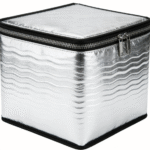
A breast milk thermal bag is a portable insulated container designed to maintain the cold temperature of expressed milk until you can refrigerate or freeze it. Unlike a refrigerator, it doesn’t generate cold; instead it acts like a pause button, slowing down warming and preventing bacterial growth. Pairing it with frozen ice packs allows you to keep milk cold for up to 24 hours. Keeping milk cold isn’t just about taste – it preserves antibodies, enzymes and vitamins that are vital for your baby’s immunity and growth.
Expanded Explanation
Imagine placing a frozen treat in a thick lunchbox: the insulation reduces heat transfer, so the treat melts slowly. A breast milk thermal bag works the same way. When you pump milk, it contains delicate proteins and immune factors. At room temperature the milk is only safe for up to four hours, and in the refrigerator it lasts up to four days. Freezing extends shelf life to six months or more, but traveling between home, work or daycare introduces risk windows. An insulated bag with ice packs slows warming during commutes and errands. Parents report less wasted milk and smoother handoffs at daycare because bottles stay organized and cold. In 2025, more reusable and modular bags with wipeclean interiors make daily use easier, turning a potential stressor into a seamless part of your routine.
How Does a Breast Milk Thermal Bag Work?
A thermal bag works through thermal insulation – layers of foam, aluminum foil or advanced vacuum panels that have low thermal diffusivity. These layers minimize heat exchange between the inside and outside. Cold mass is provided by ice packs, gel packs or phasechange materials (PCMs), which absorb heat as they melt. Many bags include structured compartments to keep bottles upright and prevent spills, and some highend models integrate temperature sensors or Bluetooth trackers to alert you to temperature changes.
| Key Component | Typical Options | What It Does | Benefit to You |
| Insulation material | Foam (EPE/EPS), aluminum foil, vacuum insulated panels | Reduces heat transfer | Keeps milk cold longer by slowing warming |
| Closure mechanism | Zippers, Velcro, rolltop seals | Minimizes air exchange | Prevents warm air intrusion and leaks |
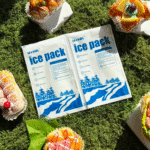
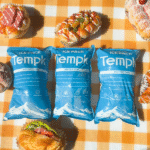
| Ice pack type | Waterbased packs, gel packs, PCMs | Provides cold mass | Maintains safe temperature up to 24 hours |
| Compartments | Structured bottle slots, modular dividers | Organizes bottles upright | Prevents spills and enables easy access |
| Liner/hygiene | Removable wipeclean liners, antimicrobial coatings | Facilitates cleaning | Reduces odor and bacteria buildup |
| Smart features | Temperature sensors, RFID tags, Bluetooth trackers | Monitors temperature and location | Gives realtime alerts and compliance evidence |
Practical Tips and Advice
Prechill everything: Freeze or refrigerate milk before packing, and cool your ice packs overnight.
Fill empty space: A full bag retains cold better. Use extra ice packs or cloth to reduce air pockets.
Keep the bag closed: Every opening lets in warm air. Organize bottles so you only open the bag when necessary.
Avoid direct sun: Insulated bags work best when shaded. Keep them out of car trunks in summer.
Clean regularly: Wipe the liner each day to prevent odors and bacteria. Many 2025 models have detachable liners for quick cleaning.
Realworld example: A working mom in California commutes 45 minutes daily. By switching to a structured thermal bag with two waterbased ice packs, she found her milk stayed at 4 °C throughout the commute and morning meetings. She also noted that the wipeclean liner saved time and reduced the stress of spilling milk in her tote.
How to Choose the Best Breast Milk Thermal Bag for 2025
Direct Answer
Choosing the right breast milk thermal bag in 2025 means balancing size, insulation performance, leak control, hygiene and sustainability. Look for a bag that holds the amount of milk you typically pump, fits your ice packs and offers strong insulation (often thick foam or vacuum panels). A wellstructured shape with a durable zipper keeps bottles upright and reduces spills, while a removable, wipeclean interior ensures hygiene. Newer designs also incorporate ecofriendly materials, modular compartments and optional temperature sensors.
Expanded Explanation
A breast milk thermal bag isn’t onesizefitsall. Consider how you’ll use it. For short commutes or daycare dropoffs, a compact bag holding two to four bottles and one or two ice packs may suffice. For longer trips or overnight travel, pick a larger bag with space for three or more ice packs and a thicker insulation layer. Materials matter too. Waterbased ice packs emit 39 % less CO₂ than gel packs, so an ecoconscious choice can reduce your carbon footprint. Foam insulation (expanded polystyrene or polyurethane) is affordable but bulky, while vacuum insulated panels offer excellent performance at a higher cost. Many 2025 bags use fiberbased liners, seaweed bioplastics and woodfiber foams to cut plastic waste.
Leak control and hygiene are nonnegotiable. Look for sealed seams, upright bottle compartments and structured shapes to prevent spills. A removable liner makes cleaning easy and prevents mold. Some bags now feature antimicrobial coatings, reducing odors and keeping your milk safe. Smart features like Bluetooth temperature sensors or RFID tags aren’t essential, but they can provide peace of mind, especially on longer trips. These sensors integrate with smartphone apps to alert you if the temperature rises above safe levels or if the bag is left behind.
Decision Tool for Selecting a Bag
Determine your travel duration: For commutes under four hours, a compact bag with one ice pack may suffice. For trips up to 24 hours, choose a larger bag with multiple ice packs.
Assess volume: Calculate how many ounces you typically pump. Bags come in capacities of 34 oz, 72 oz and even 108 oz for highvolume users.
Select insulation type: Foam offers good value, vacuum panels provide superior performance, and fiber or recycled materials offer sustainability.
Consider sustainability: Opt for reusable packaging, waterbased ice packs and recyclable materials.
Evaluate extra features: Decide whether you need smart sensors, modular dividers or backpack straps for handsfree carrying.
Comparative Table: Bags vs. Ice Pack Types
| Scenario | Recommended Bag Size | Ice Pack Type | Your Benefit |
| Short commute (≤ 4 hrs) | Small (2–4 bottles) | 1 waterbased or gel pack | Lightweight and easy to carry |
| Day trip (4–12 hrs) | Medium (4–6 bottles) | 2 gel packs or PCMs | Maintains cold longer without freezing milk |
| Overnight travel (12–24 hrs) | Large (6+ bottles) | 3+ PCMs or gel packs | Extended cooling duration; less worry on long flights |
| Shipping or multiday trip | Specialized shipping cooler or freezedrying kit | Dry ice or PCM bricks | Maintains frozen state for 48–96 hrs |
Practical Tips and Advice
Match bag size to your pump output: Overfilling a small bag reduces insulation efficiency. Underfilling a large bag creates air pockets that accelerate warming.
Check zippers and straps: A sturdy zipper prevents air leaks, while adjustable straps improve comfort.
Choose ecofriendly ice packs: Reusable waterbased packs reduce carbon footprint and can be rehydrated.
Look for travelfriendly features: Some 2025 bags convert to backpacks or include stroller clips for handsfree transport.
Consider multipurpose use: Many thermal bags double as lunch coolers once breastfeeding ends, maximizing their value.
Actual case: An ecoconscious family selected a large thermal bag with recyclable insulation and waterbased ice packs. The bag maintained their milk at 5 °C for a 20hour trip and avoided 0.57 kg CO₂ emissions compared with gel packs.
How to Pack and Use Your Breast Milk Thermal Bag Properly
Direct Answer
To get the most out of your breast milk thermal bag, chill your milk and ice packs before packing, place the coldest packs at the bottom, and fill empty spaces to minimize airflow. With proper packing, milk stored in an insulated cooler with frozen ice packs stays safe for up to 24 hours. Clean the bag regularly and avoid opening it unnecessarily.
StepbyStep Packing Guide
Prepare your milk: Express or pump your milk into clean, foodgrade storage bags. Label each bag with the date and volume. Chill or freeze the bags based on your trip length.
Freeze your ice packs: Place your waterbased or gel ice packs in the freezer overnight. Prechill the thermal bag by storing it in the refrigerator for a few hours.
Layer for maximum efficiency: Put one frozen ice pack at the bottom of the bag. Place the coldest milk bags upright in structured slots or compartments. Add a second ice pack on top. If you need more cooling, alternate milk and packs. Fill any gaps with cloth or additional packs.
Close tightly and keep closed: Seal the zipper completely. Avoid opening the bag until you need to remove milk. Each opening introduces warm air and reduces cooling time.
Store properly at your destination: Upon arrival, move the milk to a refrigerator or freezer as soon as possible. Do not refreeze milk that has thawed during travel; use it within 24 hours.
Expanded Explanation and Practical Advice
A wellpacked thermal bag maintains a cold microenvironment. Start by ensuring your milk and ice packs are at the same temperature. Pack the coldest items together; cold objects radiate less heat towards each other, keeping them cooler longer. Use insulated bottle sleeves or dividers to prevent bottles from clanking and to keep them upright. For travel beyond 24 hours, consider using phasechange materials (PCMs) or dry ice in specialized shipping coolers. Dry ice lasts longer but must be handled carefully; wrap it in paper, place it at the bottom and allow gas to vent. Some shipping services include temperature sensors that notify you if the interior warms above 8 °C, enabling quick action.
Hygiene is just as important. Clean your bag after each use with warm water and mild detergent, and let it airdry completely. Removable liners and antimicrobial coatings introduced in 2025 simplify cleaning. Avoid storing other items with your milk to prevent contamination. Replace worn seals or ice packs; a damaged zipper can significantly reduce insulation.
Helpful decision tools
Check the details before you choose packaging
These quick tools can help you compare route risk, sizing needs, coolant choices, and packaging details before you request a quote.
Coolant & PCM Reference
Compare coolant and PCM options when a route needs added temperature support.
Compare optionsInsulation Material Reference
Compare insulation material choices for different cold chain packaging needs.
Compare materialsPackaging Selector
Compare insulated packaging options by product, route, and temperature need.
Find packagingPractical example: A parent flew from Seattle to New York (a sixhour flight plus layovers). They packed their milk in a medium thermal bag with two phasechange ice packs. By following the layered packing method and minimizing bag openings, the milk stayed at 5 °C for 16 hours. TSA agents allowed unlimited milk through security when declared separately, illustrating that proper packing paired with knowledge of regulations eliminates travel stress.
Breast Milk Thermal Bag vs. Other Cold Chain Solutions
Direct Answer
A breast milk thermal bag provides a convenient, lowcost solution for daily commutes and short trips, while shipping services, DIY kits and freezedrying solutions are better suited for longer durations or high volumes. Shipping kits like Milk Stork and Save the Milk offer prelabeled coolers and overnight delivery for trips beyond a day. Freezedrying services convert milk to powder, extending shelf life to up to three years and eliminating the need for refrigeration, but they cost more and remove the raw milk form. For multiday travel, specialized coolers with dry ice or phasechange materials maintain safe temperatures for 48 to 96 hours. Choosing the right option depends on trip length, milk volume and budget.
Expanded Explanation
Think of a thermal bag as your daily lunch box: simple, portable and effective for eight to twentyfour hours. Shipping services are like courier deliveries – convenient when you can’t carry the package yourself. Some services partner with employers, offering employersponsored milk shipping as a work benefit. These services handle packaging, dry ice and compliance paperwork. They often cost $50–$150 for overnight shipping, plus $10–$30 for packaging and $139 for a 72ounce Milk Stork kit. Freezedrying, offered by companies like Milkify and Milk by Mom, removes water from the milk under vacuum. The powder retains nutrients and can be stored at room temperature for up to three years, but it is pricier (around $149 per batch plus shipping). This method is best for extended deployments or when freezer space is limited.
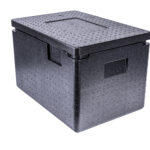
DIY solutions using foam coolers and dry ice can save money but require careful handling. Dry ice is extremely cold and must not touch the milk bags directly. Always wrap dry ice in paper, place it at the bottom and let gas vent to prevent pressure buildup. Passive insulation systems such as insulated box liners or collapsible vacuum liners maintain frozen temperatures longer. For example, a study found that PopupLiner insulated containers kept milk below −20 °C (−4 °F) for 60 hours with dry ice. However, the same study noted that 89 % of shipments handled by informal milksharing networks arrived above the recommended temperature, highlighting the importance of proper equipment and professional services.
Practical Tips and Advice
For daily use: Stick with a highquality breast milk thermal bag. It’s affordable, reusable and lowmaintenance.
For multiday trips: Consider employersponsored shipping or specialized coolers with dry ice. Plan ahead and follow all safety guidelines.
For extended storage: Freezedrying offers unparalleled shelf life but comes with higher costs and changes in milk texture.
Realworld scenario: A consultant had to attend a weeklong conference abroad. She shipped half of her milk home via Milk Stork to ensure her baby had enough supply and freezedried the rest through Milkify for longterm storage. This hybrid strategy saved freezer space and minimized shipping costs.
2025 Technology and Trend Highlights for Breast Milk Thermal Bags
Trend Overview
The breast milk thermal bag market is evolving rapidly. In 2025, several macrotrends are shaping the next generation of products. The thermal insulation packaging market itself is valued at US $99.7 billion in 2025 and projected to reach US $338.4 billion by 2035. Parents and employers are looking for solutions that balance convenience, sustainability and datadriven safety. Here’s what’s new:
Latest Progress Snapshot
Modular designs and reusable systems: Modern bags feature compartments that detach or reconfigure, making it easier to organize bottles and keep them upright. Structured layouts prevent spills and aid daycare handoffs.
Focus on convenience: Bags now integrate with your lifestyle – some have builtin stroller straps, backpack modes or handsfree harnesses. Parents can commute, travel or exercise without juggling extra gear.
Cleaner, smarter interiors: Wipeclean liners and antimicrobial coatings address hygiene concerns, while integrated temperature sensors and Bluetooth connectivity provide realtime monitoring.
Sustainable materials: Waterbased ice packs emit 39 % less CO₂ than gel packs, and fiberbased liners, seaweed bioplastics and woodfiber foams reduce reliance on petroleum plastics. Many brands offer recyclable or biodegradable insulation, appealing to ecoconscious parents.
Employer benefits and corporate programs: Companies increasingly sponsor breast milk shipping services as part of their parental benefits packages. Equipped lactation rooms with IoT refrigerators and educational programs support working parents.
Freezedrying adoption and decentralization: Labs and community milk banks adopt compact freezedryers, enabling local processing and access for rural families.
AIdriven predictive analytics: Cold chain platforms leverage artificial intelligence to predict temperature excursions by analyzing weather, route and historical data, recommending extra ice packs or route changes to prevent spoilage.
Blockchain for traceability: Distributed ledgers record temperature and location data at each handoff, ensuring transparency and building trust among parents, milk banks and couriers.
Consumer advocacy: Research shows 79 % of consumers adjust purchasing decisions based on environmental and social impacts. Parents demand transparency, fair pricing and sustainable practices.
Market Insights
The rise of employersponsored programs indicates that companies view breastfeeding support as a competitive advantage. Sustainable packaging options align with broader corporate environmental goals. As freezedrying becomes more affordable, expect a shift towards hybrid solutions that combine direct shipment and powdered milk storage. Technology integration (sensors, AI, blockchain) will move from optional to standard features, offering parents greater control and assurance.
Frequently Asked Questions
Q1: How long can breast milk stay in a breast milk thermal bag with ice packs?
Milk stored in an insulated cooler with frozen ice packs can stay safe for up to 24 hours. Use plenty of ice packs and keep the bag closed to maximize cooling. If you plan to travel longer, consider shipping kits or dry ice coolers.
Q2: How many ice packs should I use in my thermal bag?
For short commutes, one or two ice packs work well. For travel or day trips, use two to three packs. Fill any empty spaces with extra packs or cloth to minimize air pockets.
Q3: Is a waterbased ice pack better than a gel pack?
Waterbased ice packs are lighter and emit 39 % less CO₂ than gel packs. Both can keep milk cold, but waterbased packs are more ecofriendly and easier to rehydrate.
Q4: Can I refreeze thawed breast milk after transport?
No. Once milk has thawed, use it within 24 hours and do not refreeze. Thaw only the amount you need to reduce waste.
Q5: Do airlines allow me to carry breast milk?
Yes. In most countries, breast milk is exempt from liquid restrictions on flights. Declare it at security, request a hand inspection and bring enough ice packs to keep it cold. Some parents also use shipping services to avoid carrying heavy coolers.
Summary and Recommendations
Key Takeaways
A breast milk thermal bag preserves your milk’s nutrients and keeps it safe during commutes and travel. Milk is safe at room temperature for four hours and in the refrigerator for four days; an insulated bag with ice packs extends safety up to 24 hours.
Choose a bag that fits your lifestyle: Consider size, insulation quality, leak control, hygiene features and sustainability. Ecofriendly materials and modular designs are trending in 2025.
Pack smart: Prechill milk and ice packs, layer properly and minimize bag openings. For longer trips, consider shipping services or freezedrying kits.
Be aware of emerging trends: AIdriven predictive analytics, blockchain traceability and employersponsored programs are transforming milk transport.
Your choice impacts sustainability: Waterbased ice packs and recyclable insulation reduce carbon emissions and waste.
Action Plan
Audit your routine: Estimate how much milk you pump and how long it needs to stay cold. Identify whether your needs are daily or extended.
Research and select a bag: Compare materials, features and sustainability credentials. Pick one that matches your volume and travel time.
Prepare and practice: Follow the packing guide to ensure maximum cold retention. Test your bag on a short trip before relying on it for longer journeys.
Explore additional solutions: If you travel frequently or need to send milk home, investigate shipping services or freezedrying options. Check whether your employer offers shipping benefits.
Stay informed: Keep up with new technologies and regulations. Choose brands that share transparent temperature data and sustainable practices.
About Tempk
Tempk is a leading provider of cold chain packaging solutions that support pharmaceuticals, food delivery and human milk transport. We design and manufacture a wide range of insulated bags, ice packs and thermal pallets focused on performance, sustainability and user convenience. Our products are engineered with recyclable materials and highperformance insulation to ensure goods stay within the required temperature range. Research and development efforts have led to innovative solutions such as modular thermal bags with structured layouts and waterbased ice packs that reduce carbon emissions. By partnering with hospitals, milk banks and employers, we help ensure that parents can transport milk safely while contributing to a greener future.
Next Steps: Consult our experts to find the ideal breast milk thermal bag for your needs. Whether you’re commuting, traveling or shipping, we have a tailored solution that keeps your milk safe and your schedule stressfree.