In a world where time is scarce and convenience is king, cold chain prepared food delivery companies have become essential. These services send fully cooked meals directly to your door, and their ability to maintain safe temperatures throughout storage and shipping defines the difference between a great meal and a risky one. The prepared meals market alone is projected to rise from US$190.7 billion in 2025 to US$301.6 billion by 2032, while meal kits and heatandeat services are expected to grow from US$20.3 billion in 2025 to US$65.5 billion by 2035. As demand surges, consumers must understand how these companies work, who the major players are and what innovations will shape the coming years. This guide will equip you with that knowledge using clear explanations and actionable advice.
This Article Will Help You Understand
How cold chain prepared food delivery companies operate and what cold chain means, including temperature control, packaging and logistics.
Which companies stand out in 2025, covering popular meal services across dietary niches and pricing tiers.
What safety and quality issues exist, such as shipments arriving above safe temperatures and how to mitigate them.
Emerging technologies and market trends, including IoT monitoring, sustainable materials and the shifting landscape of ecommerce.
Practical decision-making tips to help you choose a service that fits your dietary needs, budget and environmental values.
Understanding Cold Chain Prepared Food Delivery
Before you click “order now,” it helps to grasp how the cold chain works in the context of prepared meals. The cold chain is a continuous, temperaturecontrolled supply chain that preserves perishable products from production to consumption. For prepared food companies, maintaining this chain involves several steps:
Cooking and rapid cooling: Meals are prepared in certified kitchens, then cooled quickly to stop bacterial growth. Rapid cooling prevents food from lingering in the “danger zone” (40–140 °F) where bacteria thrive.
Refrigerated storage: After cooling, meals are stored at refrigerated temperatures. Per industry guidelines, dairy products should be kept around 4 °C, leafy greens between 0–2 °C and frozen items at −18 °C.
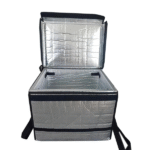
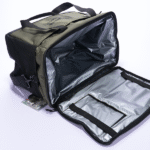
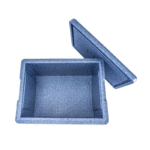
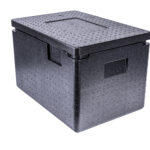
Insulated packaging and coolants: Boxes are lined with materials such as recyclable foam or plantbased fibers. Gel packs or dry ice absorb heat and maintain a stable environment. Pelton Shepherd notes that waterbased gel packs are nontoxic and durable.
Refrigerated transport and lastmile delivery: Hubs and delivery vehicles are temperaturecontrolled. Realtime sensors monitor temperatures, and data is recorded to ensure compliance.
Customer handling: The chain ends when you unpack your meals and place them in your refrigerator or freezer. Proper storage at home is crucial to maintain safety.
These steps may seem straightforward, but any break in the cold chain can compromise food safety and quality. A North Carolina State University study found that more than 76 % of meal kit deliveries contained at least one item above 40 °F. Understanding how companies maintain control helps you make informed choices and store your meals correctly.
The Role of Packaging and Coolants
Packaging is the unsung hero of cold chain logistics. Insulated boxes with vacuumsealed or modifiedatmosphere packaging reduce oxygen and prevent spoilage. Gel packs provide steady cooling without the hazards of dry ice, which can evaporate quickly and is subject to shipping regulations. However, gel packs are not foolproof: researchers found that 93 % of deliveries that used gel packs still had at least one product above the safety threshold. Quantity, placement and the length of transit all affect performance. Premium services may use layered liners and multiple coolants to manage longer journeys, while local services rely on rapid delivery to minimize temperature fluctuations.
Logistics Providers Behind the Scenes
Prepared meal companies rarely handle every aspect of the cold chain themselves. Instead, they partner with specialist logistics providers who manage refrigerated warehousing and transportation. Major players include Americold Logistics, Lineage Logistics, United States Cold Storage and Burris Logistics. Americold offers extensive temperaturecontrolled facilities across North America, while Lineage focuses on realtime tracking and sustainability initiatives. United States Cold Storage boasts more than a century of experience, and Burris is known for flexible distribution solutions.
These partnerships allow prepared meal brands to scale nationally. FactMR identifies Americold Logistics, AGRO Merchants Group, Burris Logistics, Henningsen Cold Storage Company and Lineage Logistics as key companies capturing value in the global food cold chain market. Some firms, like CTW Logistics, use cuttingedge technologies such as forcedair cooling systems that can reduce product temperatures in under four hours. When evaluating a meal service, consider whether they work with reputable logistics providers committed to quality and sustainability.
Top Prepared Meal Delivery Companies in 2025
The prepared meal landscape has exploded with options that cater to different diets, budgets and taste preferences. Below is an overview of prominent services as of 2025. This section provides new descriptions and comparisons to help you choose wisely, without repeating earlier articles.
ChefCrafted Services
Cook Unity: This service partners with celebrated chefs to design restaurantquality dishes. Meals arrive fresh, not frozen, and include reheating instructions. Subscribers can choose from different plans based on the number of meals per week, and menus rotate frequently. Testers praised Cook Unity’s dishes for tasting like something ordered from a highend restaurant.
Provenance Meals: Focusing on nutrient density and integrative nutrition, Provenance Meals sends organic, largely plantbased dishes designed by nutritionists. Weekly programs such as seasonal cleanses or macrobalanced plans support wellness goals. The service uses cold chain packaging to keep ingredients fresh until they reach your doorstep.
Sakara Life: Offering premium, plantforward meals, Sakara Life targets consumers seeking detox programs or weightmanagement solutions. Meals are delivered fresh with vibrant salads, grain bowls and organic snacks. Prices are higher but include wellness coaching and curated ingredients.
HealthFocused Meal Services
Factor: Known for dietitiandesigned menus, Factor delivers fresh, fully cooked meals that can be heated in minutes. Plans include Keto, Paleo, LowCarb, HighProtein and vegetarian options. The service also offers addons such as smoothies, juices and desserts. Testers reported that microwaving the meals did not compromise texture or flavor.
Fresh N Lean: This brand emphasizes organic, glutenfree and nonGMO ingredients. It offers Vegan, ProteinPlus, Keto and Paleo plans. Meals are vacuumsealed and delivered weekly. Fresh N Lean stands out for shipping nationwide with compostable insulation and recyclable packaging.
Territory Foods: Territory partners with local chefs and dietitians to create regionally inspired menus. Meals are delivered twice weekly to keep them fresh, and the company highlights transparent nutrition information. Customers can filter by diet type and allergen preferences.
Convenience and Budget Services
Freshly: One of the most widely recognized names in prepared meals, Freshly offers comfort food with a healthy twist. Meals are individually portioned and microwaveready. With prices starting around US$9 per meal, Freshly appeals to budgetconscious consumers. Options change weekly and include glutenfree, dairyfree and lowcalorie selections.
Gobble Prepared & Ready: Gobble recently introduced a prepared meal line that is flashfrozen to lock in freshness. Meals can be kept refrigerated for about a week or frozen for up to two months. Customers have praised improvements in packaging and portion size but have occasionally reported issues with dry ice melting prematurely during warm weather.
Magic Kitchen: Serving an older demographic and individuals with specialized dietary needs, Magic Kitchen provides an extensive menu that includes diabeticfriendly, renalfriendly and lowsodium options. Meals arrive frozen, and subscriptions can be customized to deliver only entrées or complete meals with sides.
PlantBased and SmoothieBased Brands
Daily Harvest: Starting with smoothies, Daily Harvest now delivers harvest bowls, flatbreads, soups and snacks. All items are vegan, glutenfree and mostly organic. Customers appreciate that even though products arrive frozen, they taste fresh after reheating. Packaging is largely compostable, aligning with ecofriendly values.
Splendid Spoon: Similar to Daily Harvest, Splendid Spoon offers smoothies, grain bowls and noodle bowls. It emphasizes portion control and low sugar content. Meals are shipped frozen with dry ice or gel packs depending on the season. Subscribers can pause or customize plans easily.
These categories demonstrate the range of choices available. When selecting a service, look at ingredient sourcing, packaging materials, reheating convenience and whether meals arrive fresh or frozen. Some companies deliver twice weekly to minimize storage time, while others prioritize shelfstable packaging.
Choosing a Service: Key Considerations and Comparative Table
Selecting a prepared meal service isn’t just about taste—it’s about aligning the service with your lifestyle, dietary needs and sustainability priorities. The following table summarizes crucial factors to consider and illustrates why they matter.
| Factor | Key Questions to Ask | Practical Significance |
| Diet Compatibility | Does the service offer plans that match your dietary preferences (e.g., vegan, keto, lowsodium, highprotein)? | Ensures that your meals support health goals and avoid allergens or restrictions. |
| Fresh vs. Frozen | Are meals delivered chilled and ready to heat, or are they flashfrozen for extended shelf life? | Fresh meals may taste more like homecooked dishes but require quick consumption; frozen meals offer flexibility for busy schedules. |
| Packaging Sustainability | Does the provider use recyclable or compostable insulation and gel packs? | Reduces environmental impact and disposal hassle; supports your ecofriendly values. |
| Delivery Frequency | How often are meals shipped—weekly, twice weekly or monthly? | Frequent deliveries keep meals fresh and minimize storage demands; however, they may increase packaging waste and carbon footprint. |
| Price and Portion Size | What is the permeal cost and how generous are portions? | Helps you budget and compare value across services; larger portions may reduce cost per calorie but lead to food waste. |
| Customer Feedback and Safety Records | Are there reports of deliveries arriving above safe temperatures or packaging failures? | Protects you from foodborne illness and disappointment; look for companies that share temperature monitoring data. |
Applying These Factors to Your Life
Busy professionals might prioritize fresh, readytoheat meals from brands like Cook Unity or Factor. The convenience of microwavable packaging and minimal prep time outweighs the need for a long shelf life.
Athletes and fitness enthusiasts should look for highprotein or macrobalanced plans such as those offered by Factor, Fresh N Lean or Territory. Scheduling deliveries around training days ensures meals arrive when needed.
Ecoconscious consumers may prefer services using sustainable packaging and plantbased ingredients. Daily Harvest and Splendid Spoon excel in this area.
Families with diverse needs could benefit from companies offering multiple meal categories and portion sizes, like Magic Kitchen or Freshly.
Case Example: A customer living in a warm climate ordered a week’s worth of frozen Gobble meals during summer. When the box arrived, the dry ice had evaporated and some meals were partially thawed. The customer contacted support and learned that scheduling delivery for early morning can help ensure someone is home to unpack and refrigerate meals immediately. This highlights the importance of choosing appropriate delivery windows and monitoring package tracking.
Helpful decision tools
Check the details before you choose packaging
These quick tools can help you compare route risk, sizing needs, coolant choices, and packaging details before you request a quote.
Ice Pack Calculator
Estimate gel ice pack quantity for chilled shipments and practical route planning.
Estimate ice packsInsulation Material Reference
Compare insulation material choices for different cold chain packaging needs.
Compare materialsDry Ice Calculator
Estimate dry ice needs for frozen or ultra-cold shipments before packing.
Estimate dry iceSafety and Quality: What You Need to Know
Food safety remains a top concern. The study by North Carolina State University revealed that half of the tested companies had meat or poultry above 40 °F, and 58 % shipped boxes containing fruit or vegetables above the safe threshold. Several factors contribute to these lapses:
Inadequate Cooling Capacity
Gel packs gradually absorb heat; if there are too few or they are distributed unevenly, some items warm up. The study noted that shipments traveling longer than 40 hours had the highest temperatures. If you live far from distribution centers, consider companies with regional kitchens or multiple shipping hubs.
Improper Packaging
Packaging may not fully insulate the contents. Even when using advanced liners, air pockets or loosely packed meals can compromise insulation. Opt for services known for vacuumsealing or cryovac packaging, which reduces oxygen and helps maintain consistent temperature.
Customer Handling
Once meals arrive, consumers play an important role in maintaining the cold chain. Always refrigerate meals immediately, and if the contents are above 40 °F when unpacked, contact the service for guidance. Companies implementing temperaturetracking labels or digital loggers provide transparency and allow you to verify that your shipment stayed within safe limits.
Innovations Shaping the Future
The cold chain prepared food sector is evolving rapidly. Technological and market innovations are addressing current pain points and laying the foundation for sustainable growth.
HighTech Packaging and Processing
HighPressure Processing (HPP) and ModifiedAtmosphere Packaging (MAP) extend shelf life and maintain nutritional quality without heavy preservatives. HPP uses high pressure to kill pathogens, while MAP replaces oxygen with nitrogen or carbon dioxide to slow oxidation. Automated cookandchill systems reduce human handling and standardize temperatures.
Ecofriendly coolants: Companies are moving beyond petroleumbased gels to compostable or biobased coolants. Pelton Shepherd’s waterbased gel packs are one example. Some startups are experimenting with phasechange materials that can hold a constant temperature for longer periods.
Smart packaging: Sensors embedded in packaging can record and display the temperature history of your shipment. When scanned with a smartphone, they reveal whether the cold chain was maintained.
Internet of Things and Data Analytics
Realtime temperature monitoring is becoming standard. Sensors transmit data via Bluetooth or cellular networks, allowing companies to respond to deviations quickly and adjust logistics. Tompkins Ventures highlights the growing necessity of realtime monitoring and advanced thermal packaging as ecommerce reshapes consumer expectations. Data analytics then transforms these readings into insights, optimizing route planning, coolant usage and packaging design.
Distributed Logistics and LastMile Solutions
The “Amazon effect” has conditioned consumers to expect quick, cheap delivery. To meet these expectations, meal services are decentralizing kitchens and warehouses. Regional facilities allow for shorter transit times and fewer temperature fluctuations. Startups are piloting autonomous vehicles and drone delivery for shorthaul routes, reducing the time between the final dispatch and your doorstep. Tompkins Ventures describes how distributed logistics and small thirdparty logistics providers are redefining lastmile execution.
Artificial Intelligence and Forecasting
AI algorithms help companies forecast demand, reduce waste and optimize inventory. By analyzing order history, weather patterns and consumer preferences, AI can predict how many of each meal should be prepared and where they should be shipped. This reduces excess production and ensures that the right amount of cooling is used for each route.
Sustainability Initiatives
Environmental impact is a growing concern. Companies are investing in energyefficient refrigeration systems, electric delivery vehicles, recyclable insulation and carbon offset programs. Consumers increasingly favor services that report their carbon footprint and commit to reducing it. Pelton Shepherd, for instance, offers ecofriendly gel packs and reusable insulation. Expect to see meal services prominently featuring sustainability metrics in their marketing and product labels.
Market Overview and Forecasts
Understanding where the market is headed helps you anticipate improvements and potential price changes.
Prepared Meals Market
Market research suggests that prepared meals will become a staple rather than a novelty. Persistence Market Research expects the sector to grow from US$190.7 billion in 2025 to US$301.6 billion by 2032, a compound annual growth rate of about 6.3 %. Drivers include rising urbanization, dualincome households and demand for convenient yet healthy food. Frozen meals currently dominate the segment with about 42.6 % of revenue because they offer longer shelf life. However, chilled meals are the fastestgrowing category thanks to premium ingredients and clean labels.
Meal Kit and HeatandEat Market
The broader meal kit market is projected to expand from US$20.3 billion in 2025 to US$65.5 billion by 2035, which includes both cookandeat kits and readytoheat meals. Vegetarian and plantforward products lead the growth, while customization and health focus remain key trends. Subscription models and directtoconsumer distribution will continue to be dominant channels, accounting for around 35 % of influence.
Food Cold Chain Market
The infrastructure behind prepared meals is booming. FactMR estimates that the global food cold chain market will grow from US$68.9 billion in 2025 to US$399.0 billion by 2035, representing a 19.2 % CAGR. Storage services account for about 56.5 % of revenues, while technology innovations such as cloudbased monitoring and automated temperature control are expected to drive faster growth in the later years. Asia Pacific, North America and Europe remain the key regions..
DirecttoConsumer Food Market
Beyond prepared meals, the broader directtoconsumer food market—including groceries and specialty items—is forecast to reach US$195.39 billion by 2031, according to analysts. This growth underscores the shift in consumer behavior toward convenience and online purchasing. As more people buy food online, cold chain capacity and sustainability measures must expand accordingly.
Frequently Asked Questions
How is prepared meal delivery different from traditional meal kits? Meal kits supply raw ingredients and recipes for home cooking. Prepared meal delivery sends fully cooked meals that you simply heat and eat. This saves time and reduces kitchen cleanup. It also requires a more robust cold chain because the food is perishable as soon as it’s cooked.
What should I do if my meals arrive warm? If your box feels warm or if a temperature indicator suggests that the contents exceeded safe levels, contact the provider immediately. Most companies will issue a refund or replacement. Do not consume meals that have been above 40 °F for more than two hours.
Are frozen meals less healthy than fresh ones? Not necessarily. Flashfreezing locks in nutrients and flavor. Daily Harvest users report that frozen meals taste as fresh as refrigerated ones after heating. However, some textures may change, so choose according to your preferences.
How long can I store delivered meals? Flashfrozen meals like Gobble’s can stay in the freezer for up to two months and in the refrigerator for about a week. Fresh meals usually have a useby date within three to five days. Always follow the company’s instructions.
Do all meal services offer nationwide delivery? No. Some companies operate regional kitchens and only ship to certain areas, while others partner with national logistics providers like Americold and Lineage to offer broader coverage. Check the service’s website for delivery areas.
What technologies ensure meals stay cold during transit? Cold chain technology includes insulated boxes, gel packs, phasechange materials, realtime temperature sensors and data logging devices. Some companies provide smart labels that change color if temperatures rise above the safe zone, giving you immediate visual confirmation.
Summary and Actionable Recommendations
The surge in cold chain prepared food delivery companies reflects society’s demand for convenience, health and variety. However, reliability and sustainability vary widely among providers. Here are the key takeaways:
The cold chain is a complex system that must remain unbroken from the kitchen to your door. A high percentage of shipments still arrive above safe temperatures, so choose providers with robust monitoring and transparent records.
Market growth is explosive—prepared meals could surpass US$300 billion by 2032. This expansion will drive innovation but may also strain infrastructure.
Technologies such as HPP, MAP, IoT monitoring and AI are reshaping packaging, logistics and demand forecasting.
Sustainability is becoming an expectation rather than a niche. Look for services using recyclable or compostable packaging and energyefficient transport solutions.
Ultimately, the best service is one that aligns with your dietary goals, budget and values. Evaluate meal plans, packaging, delivery frequency and customer feedback to find a match.
Action Steps:
Determine your needs: Assess dietary requirements, budget and desired delivery frequency. Use the comparison table above to prioritize factors that matter most.
Research companies: Visit provider websites to review menus, packaging details and safety practices. Seek out reviews and look for temperature monitoring commitments.
Plan your delivery: Schedule shipments for times when someone is home. Transfer meals to the refrigerator or freezer immediately upon arrival.
Monitor sustainability: Support companies that use ecofriendly materials and transparent carbonreduction strategies. Ask about recycling programs for gel packs and insulation.
Stay informed: Keep an eye on industry developments—technologies, regulations and new services will continue to evolve. Join newsletters or follow reliable news sources to stay up to date.
By following these steps, you’ll enjoy delicious meals while supporting responsible businesses and safeguarding your health.
About Tempk
Tempk is a pioneer in cold chain innovation, combining decades of experience in refrigeration, packaging and data analytics. We design and supply sustainable gel packs, insulated liners, IoT temperature sensors and cloudbased monitoring platforms. Our solutions help meal delivery companies maintain product integrity, reduce waste and improve customer satisfaction. By partnering with growers, processors and logistics providers, we ensure that your food stays safe from farm to table.
Ready to optimize your cold chain? Contact Tempk today for tailored advice and technology solutions that will streamline your operations and enhance customer trust.