Cold chain express delivery cost is a critical part of moving vaccines, fresh food and biologics. In 2025, refrigerated freight spot rates hover around US$2.35 per mile, while contract rates are higher. The global cold chain market is booming, with a value of US$316 billion in 2024 and projections of US$1.61 trillion by 2033. Understanding what drives your cost helps you keep products safe without overspending. This guide gives you practical strategies, real data and expert insight to help you control costs and stay competitive.
This article will answer:
What factors influence cold chain express delivery cost? – including temperature needs, shipment size, distance and mode.
How do reefer freight rates compare with dry van and flatbed rates? – using uptodate 2025 rate data.
Which packaging options affect cost and how can you save money? – comparing EPP boxes, dryice packs, gel packs and VIP liners.
How do different transport modes (air, sea, road) impact cost? – showing why air can be 4–6 times more expensive than sea freight.
What trends are shaping cold chain costs in 2025? – exploring technology, sustainability and market growth.
What factors drive cold chain express delivery cost?
Direct answer
The cost of cold chain express delivery is determined by temperature requirements, shipment size, transport distance, mode of transport, specialised handling, seasonality and valueadded services. Products that need ultralow temperatures or strict humidity control require specialised equipment and skilled handling, driving the price up. Smaller shipments cost more per unit because you cannot spread fixed costs over many items, while long routes and remote destinations increase fuel and labour costs. Air freight offers speed but is the most expensive option, whereas ground or sea freight can reduce cost but may extend transit times.
Expanded explanation
From a shipper’s perspective, temperature control is the biggest cost driver. Ultracold goods such as vaccines need dryice or cryogenic freezers and incur higher capital and energy costs. Standard refrigerated goods (2–8 °C) travel in reefer trucks or insulated containers; the equipment costs and extra fuel consumption raise rates by comparison with ambient freight. Shipment size and volume also matter. Lessthantruckload (LTL) cold shipments may cost more per pound because they cannot benefit from freight consolidation. In contrast, full truckloads spread fixed costs across more units. Distance and route determine fuel and driver wages; shipping to rural or remote areas means fewer backhauls and higher “deadhead” miles. Special handling for fragile goods or hazardous materials adds labour and equipment, while seasonal demand (e.g., holiday turkeys or produce harvests) causes price spikes. Finally, valueadded services such as insurance, realtime tracking and expedited delivery elevate the total cost.
How do reefer rates compare with dry van and flatbed rates?
Shipping temperaturecontrolled freight costs more than moving dry cargo. In June 2025, refrigerated truck spot rates averaged US$2.35 per mile, with contract rates around US$2.71 per mile. By December 2025, national spot trucking rates for reefer freight reached US$2.64 per mile, compared with US$2.27 per mile for dry van and US$2.54 per mile for flatbed. Data from financing provider Scale Funding show that reefer rates averaged US$2.62 per mile nationwide, with the Midwest reaching US$2.97 per mile and the Southeast falling to US$2.22 per mile.
| Cost metric | Temperaturecontrolled freight (reefer) | Dry van or flatbed freight | What it means for you |
| Spot rate (June 2025) | US$2.35 per mile average | Dry van ~US$2.03 per mile | Reefer loads command a premium because of specialised equipment. |
| Contract rate (June 2025) | US$2.71 per mile | N/A | Longterm contracts stabilise costs but remain higher than spot rates. |
| Spot rate (Dec 2025) | US$2.64 per mile | Van: US$2.27 per mile; Flatbed: US$2.54 per mile | Current reefer pricing is 15–30 ¢/mile higher than dry van and may include additional fuel surcharges. |
| Regional variation (Dec 2025) | Midwest US$2.97 per mile; Southeast US$2.22 per mile | N/A | Prices fluctuate with regional demand and capacity; planning around harvest seasons can lower costs. |
Practical tips and suggestions
For short regional routes: Consolidate multiple shipments into a full truckload to spread fixed costs. Negotiate contract rates during offpeak seasons to lock in lower permile fees.
For crosscountry or multistate shipments: Compare reefer spot and contract rates across regions. Choose carriers with balanced networks and high loadtotruck ratios to avoid empty backhauls and reduce permile costs.
For highvalue commodities (e.g., biologics): Pay for premium monitoring and route optimisation. The added cost protects product integrity and can prevent expensive spoilage claims.
Realworld case: A produce carrier in Yuma to Los Angeles lane averaged US$3.73 per mile in 2025—about US$0.50 per mile higher than the previous year. The premium reflected high demand and limited reefer capacity, highlighting the importance of timing and longterm contracts in cost control.
How can you reduce cold chain express delivery cost without sacrificing quality?
Direct answer
Controlling cold chain costs relies on optimising packaging, planning routes, managing inventory and partnering with specialised logistics providers. Reusable insulated containers (like EPP boxes), rightsized coolant and smarter route planning reduce waste. Choosing the appropriate mode of transport and negotiating longterm contracts stabilises expenses. Implementing realtime monitoring and predictive maintenance prevents temperature excursions, cutting spoilage and regulatory penalties.
Expanded explanation
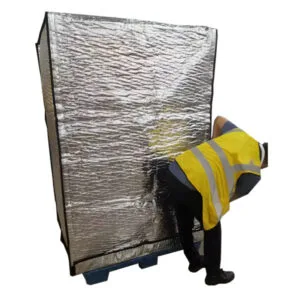
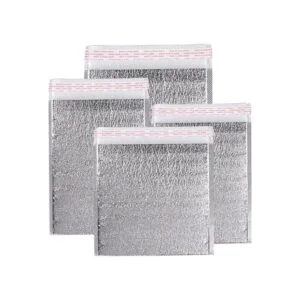
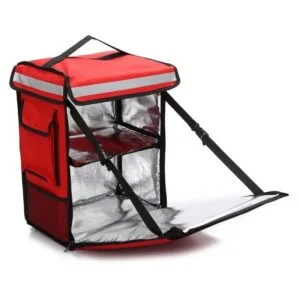
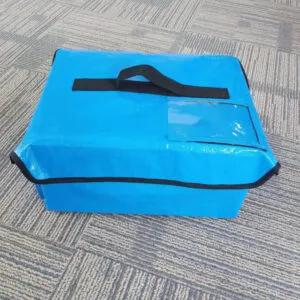
Packaging is often an overlooked cost driver. Portable Expanded Polypropylene (EPP) boxes offer a durable, reusable option. Small EPP boxes cost about US$20–50 each, while commercial reusable models can exceed US$100, but the cost per trip drops to US$0.50 if the box completes 300 cycles. Selecting the right density and wall thickness affects durability and insulation: thicker walls and interlocking lids improve thermal performance but raise unit price. Dryice and gel packs are another major expense. In 2025, dryice packs retail for US$1.38–2.10 per pound, while gel packs cost US$0.85–1.25 and PhaseChange Material (PCM) packs cost US$2.50–3.20. EPS foam kits cost US$4–7, whereas highperformance VIP liners cost US$13+ but cut dryice use by 40 %, delivering savings over repeated shipments. Carriers also charge hazmat fees (around US$8 per parcel for dry ice shipments). Balancing coolant type, packaging quality and reuse cycles delivers the best return on investment.
Which packaging options affect cost?
The choice of container and refrigerant directly affects both cost and performance.
| Packaging option | Typical unit cost | Typical application | What it means for you |
| Small EPP box (2025) | US$20–50 each | Meal kits, grocery delivery | Durable and reusable; cost per trip falls with higher reuse cycles. |
| Commercial EPP box | US$100+ per box | Pharma shipments, multiday routes | Higher upfront cost but low cost per trip when reused (e.g., US$0.50/ trip over 300 cycles). |
| Dryice pack | US$1.38–2.10 per lb | Deepfrozen products (–78 °C to –20 °C) | Offers high cooling intensity; hazmat fee (~US$8/parcel) applies; good for seafood and biologics. |
| Gel pack | US$0.85–1.25 per lb | 0–8 °C products (meal kits, produce) | Lower cost than dry ice; easier handling; shorter hold times (~36 h). |
| PCM pack | US$2.50–3.20 per lb | Custom temperature ranges (–25 °C to +18 °C) | Reusable and precise; higher cost but longer hold times (~60 h). |
| EPS kit | US$4–7 per kit | Singleuse shipments | Economical but limited insulation; generates more waste. |
| VIP liner | US$13+ per liner | Highvalue shipments, long routes | Reduces dryice requirement by ~40 %; payback within a few shipments. |
| Hazmat fee | US$8 per parcel | Dryice shipments | FedEx and UPS charge this; plan for it in cost models. |
Practical tips and suggestions
Rightsize your packaging: Oversized boxes waste coolant and increase shipping costs. Match box volume to payload and route length, then choose the appropriate coolant. For sameday routes, thinner walls and handles speed handling; for overnight lanes, invest in thicker insulation.
Calculate true cost per trip: Include box purchase price, expected replacement cost, cleaning/handling labour and loss rates to understand the real cost. A US$150 EPP box over 300 cycles costs only US$0.50 per trip.
Use VIP liners judiciously: At roughly US$13+ per liner, VIP panels can reduce dryice needs by 40 %, saving money on coolant and reducing package weight.
Minimise hazmat surcharges: When shipping with dry ice, bundle shipments to reduce perparcel hazmat fees or use ground transport below 200 lb to avoid them.
Prioritise reusability: Develop return and cleaning systems so reusable EPP boxes come back in good condition, lowering perdelivery costs.
Actual case: A mealkit operator invested in higherdensity EPP boxes with better lid seals; although each box cost more, the company lowered reshipments and cut delivery failures. Lifecycle cost analysis showed that investing in durable packaging improved customer satisfaction and reduced overall logistics cost.
How do shipping modes affect cold chain delivery cost?
Direct answer
Transport mode is one of the largest levers you can pull to control cold chain express delivery cost. Air freight is the fastest but can cost 4–6 times more than sea freight for the same load. Road transport offers a balance between speed and cost; reefer trucks charge higher permile rates than dry vans. Sea freight has the lowest cost per unit but requires longer lead times and investment in advanced reefer containers.
Expanded explanation
Choosing between air, ocean and ground depends on cargo value, shelf life and delivery window. Air freight is charged by weight or volume. In 2025, domestic air shipments of 200 lb can cost US$500–600. International air freight rates range US$3–6 per kilogram, roughly 4–6 times the cost of ocean freight. Air carriers also impose hazardousmaterials restrictions and surcharge for dry ice. Ocean freight is ideal for bulk and nonurgent shipments. Container rates from Shanghai to Los Angeles averaged US$2,522 per 40 ft container in mid2025, equivalent to a few cents per pound. The tradeoff is transit time and port congestion. Road transport remains essential for domestic distribution; in 2025, full truckload (FTL) dry van rates averaged US$2.20–2.50 per mile, while reefer trucks averaged US$2.62–2.64 per mile.
Helpful decision tools
Check the details before you choose packaging
These quick tools can help you compare route risk, sizing needs, coolant choices, and packaging details before you request a quote.
Compliance Checklist Generator
Build a practical checklist for packaging review, shipping, and documentation.
Build checklistCoolant & PCM Reference
Compare coolant and PCM options when a route needs added temperature support.
Compare optionsIce Pack Calculator
Estimate gel ice pack quantity for chilled shipments and practical route planning.
Estimate ice packsAir vs sea vs ground: which is costefficient?
| Mode | Typical cost | Speed | Best for | Considerations |
| Air freight | US$3–6 per kg or US$500–600 for 200 lb domestic shipment | Fastest (1–3 days) | Urgent or highvalue goods (pharma, biologics) | 4–6× the cost of ocean; hazmat limits; emissions footprint. |
| Ocean freight (FCL) | US$2,522 per 40 ft container (Shanghai→LA) | Slow (10–30 days) | Bulk food, beverages, stable vaccines | Low cost per unit; requires advanced reefer containers and careful planning. |
| Road freight – reefer FTL | US$2.62–2.64 per mile (average) | Moderate speed (2–5 days crosscountry) | Domestic produce, meat, meal kits | High permile cost due to equipment; sensitive to fuel prices and seasonal demand. |
| Road freight – dry van FTL | US$2.27 per mile (average) | Moderate speed | Ambient goods, packaging materials | Lower cost but no temperature control. |
| LTL refrigerated shipments | US$300–1,500 per shipment or US$0.20–0.45 per pound | Variable | Small batches, partial pallets | Higher cost per unit; multiple stops can increase temperature variation. |
Practical tips and suggestions
For urgent deliveries: Use air freight only when product value or regulatory requirements justify the cost. Combine with temperaturecontrolled packaging to maintain product integrity and avoid spoilage penalties.
For international bulk shipments: Opt for ocean freight in modern reefer containers. Plan for longer transit times and build inventory buffers. Use multimodal strategies—sea to port plus road for domestic distribution—to balance cost and speed.
For domestic distribution: Choose a combination of FTL or LTL reefer trucking depending on volume. Consolidate loads, align shipments with carriers’ preferred lanes and negotiate fuelsurcharge caps.
For remote regions: Consider cooperative purchasing of equipment or partnering with local carriers to reduce deadheading and equipment repositioning costs.
Actual case: In July 2025, UNICEF shipped over 500,000 doses of pneumococcal vaccine by sea from Belgium to Côte d’Ivoire. The sea route reduced greenhouse gas emissions by up to 90 % and cut freight costs by 50 % compared with air transport. Planning ahead and leveraging ocean logistics can significantly reduce cold chain delivery expenses for large shipments.
What are the latest 2025 trends influencing cold chain delivery cost?
Trend overview
The cold chain industry is evolving rapidly, and these changes have a direct impact on cost. Technology adoption is accelerating: networks of IoT sensors collect realtime temperature data, while AIpowered route optimisation minimises delays and reduces fuel consumption. Solarpowered cold storage and renewable energy integration lower operating costs and extend cold chain reach in areas with unstable electricity. Blockchain platforms provide tamperproof shipment records, enabling faster dispute resolution and regulatory compliance. Sustainable packaging reduces waste and longterm costs, with reusable containers and ecofriendly materials gaining popularity. Market demand is shifting as Millennials drive fresh produce consumption; this demographic accounts for 68 % of new produce dollars, supporting growth in reefer transportation.
Latest progress at a glance
Stable reefer rates: Despite market volatility, national reefer spot rates have stabilised around US$2.35–2.64 per mile. Contract premiums of US$0.35–0.40 per mile provide carriers with greater cost certainty.
Dryice pricing improvements: Capturedemission CO₂ now supplies 41 % of dryice production, helping to keep retail prices between US$1.38 and $2.10 per pound. Bulk contracts and VIP liners can reduce dryice usage by 40 %, cutting costs.
Reusable packaging gains: Highdensity EPP boxes and better lid designs extend life cycles, lowering cost per trip to around US$0.50. Companies are investing in return logistics and cleaning systems.
AI & analytics adoption: Predictive maintenance and route optimisation reduce fuel costs and prevent temperature excursions. Realtime monitoring systems save carriers 5–10 hours per week in productivity and reduce spoilage.
Sustainability drives market growth: Demand for ecofriendly packaging and lowercarbon transport is rising. Solarpowered cold storage and carboncapture dryice production help meet environmental goals while lowering energy costs.
Market insights
Consumer preferences are changing. Millennials, who now account for 68 % of new produce spending, favour fresh, convenient and sustainably sourced products. This shift fuels the need for reliable cold chain logistics, especially for ecommerce grocery deliveries. The global cold chain market, valued at US$316.34 billion in 2024, is projected to reach US$1.61 trillion by 2033, growing at a 20.1 % CAGR. In the U.S., the cold chain market is expected to more than double from US$34.67 billion in 2024 to US$75.96 billion by 2032. This rapid expansion reflects investments in infrastructure, technology and sustainable solutions. However, rising operational costs and equipment shortages could squeeze margins if shippers fail to optimise their strategies.
Frequently asked questions
Q1: How much does cold chain express delivery cost per mile?
For temperaturecontrolled trucking, spot rates averaged US$2.35 per mile in mid2025 and US$2.64 per mile in December 2025. Contract rates can add about US$0.35–0.40 per mile. Rates vary by region, with Midwest lanes reaching US$2.97 per mile and Southeast as low as US$2.22 per mile.
Q2: How do packaging choices influence cold chain costs?
Packaging determines insulation performance, coolant requirements and reusability. Small EPP boxes cost US$20–50 and reusable models over US$100, but cost per trip can drop to US$0.50 with multiple cycles. Dryice packs range US$1.38–2.10 per pound, gel packs US$0.85–1.25, and PCM packs US$2.50–3.20. Higherpriced VIP liners reduce dryice usage by 40 %.
Q3: Is sea freight cheaper than air for cold chain shipments?
Yes. Air freight is typically 4–6 times more expensive than ocean freight. Shipping 500 lb by air from Los Angeles to New York may cost over US$2,000, while the same load by truck might cost US$500–700. Sea freight container rates from Shanghai to Los Angeles averaged US$2,522 per 40ft container in 2025. However, sea freight requires longer transit times and reliable reefer containers.
Q4: What is the best way to reduce lastmile cold chain costs?
Use route optimisation software to minimise travel distance, schedule deliveries during offpeak traffic and coordinate dropoff windows with customers. Employ reusable packaging and rightsized coolant to prevent waste, and partner with local microfulfilment centres to shorten delivery routes. Encouraging customer participation in returns programmes helps recoup packaging costs.
Q5: Why do refrigerated loads cost more per mile than ambient loads?
Refrigerated carriers face higher capital costs for trailers and refrigeration units, limited capacity, few alternative modes (intermodal or rail), seasonal demand spikes and geographic imbalances that require expensive repositioning. These factors contribute to higher permile rates compared with dry vans.
Summary and recommendations
Cold chain express delivery cost is influenced by multiple variables: temperature requirements, shipment size, route length, transport mode and packaging. Refrigerated freight rates averaged US$2.35–2.64 per mile in 2025, reflecting specialised equipment and fuel consumption. Packaging choices—from EPP boxes and dryice packs to VIP liners—affect unit cost and failure risk. Air freight provides speed but costs 4–6 times more than ocean, while ground and sea transport offer economical alternatives. Advanced technologies such as IoT sensors, AI route optimisation and blockchain improve visibility and reduce waste, helping to contain costs. Sustainable practices (reusable containers, solarpowered storage, carboncapture dry ice) balance environmental goals with economic benefits.
Actionable next steps
Assess your product’s temperature and transit needs. Identify whether your goods require ambient, chilled, frozen or ultracold conditions and select suitable packaging and equipment.
Optimise packaging. Choose reusable containers such as highdensity EPP boxes and VIP liners; calculate true cost per trip and rightsize coolant to avoid waste.
Plan your routes. Use predictive analytics and route optimisation to reduce miles, fuel consumption and delivery time. Schedule shipments during offpeak hours and consolidate loads whenever possible.
Select the right transport mode. For urgent and highvalue items, consider air freight but evaluate cost tradeoffs. For bulk or nonurgent shipments, choose sea or road and leverage multimodal solutions.
Partner with experts. Work with cold chain 3PL providers who offer transparent pricing, advanced monitoring and sustainability expertise. Negotiate longterm contracts to lock in rates and ensure capacity.
Invest in technology and sustainability. Deploy IoT sensors, AI and blockchain to enhance visibility and compliance. Adopt renewable energy sources and ecofriendly materials to reduce operational costs and carbon footprint.
By implementing these strategies, you can maintain product integrity, satisfy regulatory requirements and keep cold chain express delivery costs under control.
About Tempk
Tempk is a leading provider of innovative cold chain packaging and logistics solutions. We specialise in reusable insulated containers, gel packs, dryice packs and temperaturecontrolled bags that keep your products safe from origin to destination. Our R&D team focuses on sustainability and efficiency: capturedemission CO₂ for dryice production, reusable EPP boxes with durable lid seals, and solarcompatible storage options. We support clients across food, pharmaceutical and biotech sectors with customised solutions and transparent pricing.
Call to action
Ready to optimise your cold chain operations? Contact Tempk’s experts for a personalised consultation. We’ll help you select the right packaging, plan efficient routes and implement technology that reduces cost while protecting product quality.