Updated 30 December 2025
Cold chain express delivery for medical supplies isn’t just a logistics exercise – it’s a safeguard for patient health. Biologics and cellbased therapies dominate today’s pharmaceutical pipeline, and regulators now demand full traceability. In 2025 the global pharmaceutical cold chain market reached roughly US$10.04 billion while cold chain packaging alone was US$28.9 billion, underlining how vital temperaturecontrolled delivery has become. This article explains what cold chain express delivery is, why it matters for medical supplies and how you can meet strict temperature and compliance requirements while delivering medications quickly and sustainably.
Why cold chain express delivery is crucial for modern biologics and vaccines: learn about market growth and the stakes of temperature excursions.
How to maintain temperature integrity during express shipments: practical packaging and handling tips plus a comparison of passive and active solutions.
Which innovations are shaping cold chain express delivery in 2025: explore AI, IoT, drones and smart packaging that improve reliability and speed.
What regulations and standards apply: understand DSCSA deadlines, good distribution practices and global compliance requirements.
Strategies for building a resilient and sustainable cold chain: diversification, green logistics and risk management for longterm success.
Why is cold chain express delivery for medical supplies so critical in 2025?
Cold chain express delivery ensures lifesaving biologics, vaccines and gene therapies remain potent from manufacturer to patient. These therapies account for roughly 30 % of the pharmaceutical pipeline and require strict temperature ranges such as 2 °C to 8 °C or even −70 °C. Any deviation can destroy efficacy and trigger costly recalls. According to a 2025 industry analysis, up to 20 % of temperaturesensitive pharmaceutical shipments are compromised every year, causing around US$35 billion in losses. This underscores why rapid, controlled transportation is essential.
Understanding temperature ranges and product sensitivity
Different products have different thermal requirements. Failing to meet them can lead to potency loss or safety risks. The table below summarizes common ranges and examples:
| Temperature Range | Storage Classification | Example Products | Why It Matters |
| 20 °C – 25 °C (excursions 15 °C – 30 °C) | Room/controlled room temperature | Tablets, oral liquids | Maintaining stability requires avoiding heat and moisture |
| 8 °C – 15 °C | Cool storage | Eye drops, probiotics | Many biologics tolerate “cool” conditions but must not freeze |
| 2 °C – 8 °C | Refrigerated | Vaccines, insulin, monoclonal antibodies | The most common pharmaceutical cold chain; excursions outside this band can render products ineffective |
| −20 °C ±5 °C | Freezer storage | Frozen pharmaceuticals, reagents | Requires insulated packaging and gel packs or dry ice |
| −70 °C to −80 °C | Ultra cold/cryogenic | mRNA vaccines, cell & gene therapies | Cryogenic logistics with dry ice or liquid nitrogen ensure viability but demand specialized containers |
Temperature excursions destroy potency and can ruin an entire batch. Express delivery minimizes transit time and limits exposure to ambient conditions, reducing the risk of spoilage.
Realworld stakes and market growth
Beyond patient safety, the economics are significant. In 2025 the global healthcare cold chain thirdparty logistics market was valued at US$45.76 billion and is projected to reach US$83.40 billion by 2033, with North America holding the largest share. Demand for vaccines, biologics, cell and gene therapies and specialty drugs is driving reliance on specialized logistics providers. Meanwhile, the broader medical supply delivery service market was US$70.79 billion in 2024 and is forecast to rise to US$75.89 billion in 2025. Drones and sameday courier services are key growth drivers, enabling rapid delivery of vaccines, antivenin and blood products.
Practical tips and advice
Know your product’s required temperature band: Always confirm whether your medicine needs refrigerated, frozen or ultracold storage.
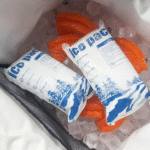
Use preconditioned coolants: Freeze or prechill gel packs and dry ice according to the target temperature range to reduce thermal load.
Plan express routes: Ship early in the week and choose overnight or twoday services; this avoids weekend delays and minimizes the time your cargo spends outside controlled environments.
Invest in realtime monitoring: Attach IoT loggers or RFID sensors to track temperature, humidity and location during transit. This enables immediate intervention if a shipment strays from the safe range.
Case example: A specialty pharmacy shipping GLP1 medications used realtime sensors and predictive analytics to identify potential temperature excursions before they occurred. Alerts allowed drivers to divert to refrigerated hubs, saving over US$250,000 worth of product and protecting patient safety.
How to maintain temperature integrity during cold chain express delivery
Maintaining temperature integrity requires proper packaging, handling and logistics coordination. Choosing the right combination of passive and active solutions ensures products remain within their specified range from pickup to delivery.
Selecting packaging: passive vs active technologies
Passive solutions use insulation and refrigerants to maintain temperature without external power. Active solutions incorporate compressors, heating and cooling units or battery power. Selecting the right approach depends on product sensitivity, transit time and budget.
| Packaging Type | How It Works | Example Features | Advantages and Use Cases |
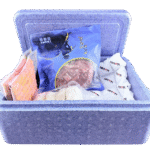
| Passive Insulation (e.g., VIP shippers, Expanded Polystyrene) | Vacuum insulated panels (VIPs) use evacuated silica with ultralow thermal conductivity; PCMs (phase change materials) match specific temperature bands | Hold times of 7–10 days; 2–3 times longer than standard coolers | Ideal for routine shipments of vaccines, insulin and monoclonal antibodies; less expensive and reusable when properly handled |
| Active Containers (e.g., batterypowered or compressordriven units) | Use internal power and refrigeration to control temperature across a wide range | Provide up to 72 hours of service between −20 °C and +25 °C | Suitable for longhaul or ultracold shipments (mRNA vaccines) and highvalue biologics; greater control but higher cost |
| Hybrid Solutions | Combine passive insulation with active elements such as rechargeable heaters or cooling inserts | Adaptive to varying climates and lastmile conditions | Useful for multiday, multiclimate routes where power may not be continuous |
Stepbystep packaging and shipping best practices
Precondition products and coolants: Chill or freeze items to their target temperature band; precondition gel packs or dry ice accordingly.
Wrap and protect: Use moistureproof wrap, absorbent material and dividers to maintain cold zones and prevent crosscontamination.
Seal, label and insulate: Securely close the insulated container and fill voids with bubble wrap. Label shipments clearly (“Keep Refrigerated” or “Keep Frozen”) and include dryice hazard labels when necessary.
Schedule smartly: Avoid weekend delays by shipping early in the week and selecting express services. Share tracking details with recipients to ensure someone is available to receive the package.
Document and monitor: Enclose DSCSA documentation or certificates of analysis in a moistureproof pouch. Use IoT temperature loggers for realtime monitoring and keep digital records for audits.
Passive versus active: choosing the right solution
Shortdistance or predictable routes: Passive VIP shippers with PCMs provide costeffective control for shipments lasting up to a few days.
Longdistance, variable conditions or ultracold: Active containers with battery power or compressor units ensure consistent temperatures across extended journeys.
Budget considerations: Passive systems are generally more affordable; however, repeated singleuse shipments can generate waste. Reusable VIPs or active containers may offer a better lifecycle cost and align with sustainability goals.
Realworld tip: Some hospitals use hybrid packaging that integrates a small batterypowered cooling unit inside a VIP shipper. This combination maintains ±2 °C even when ambient temperatures vary widely during lastmile delivery.
Innovations shaping cold chain express delivery for medical supplies in 2025
Cuttingedge technologies are revolutionizing how medical supplies move through the cold chain. According to a 2025 trend report, healthcare supply chains are being reshaped by blockchainbased traceability, green logistics, smart packaging and nextgeneration delivery drones. These innovations improve transparency, reduce waste and increase speed.
IoT and realtime monitoring
Internet of Things (IoT) devices and smart sensors enable continuous monitoring of temperature, humidity and location. They provide alerts when conditions deviate from safe limits and allow operators to respond immediately. In a comparative regional matrix, IoT adoption for cold chain logistics is high in North America and Europe, moderate in Asia Pacific and emerging in Latin America and the Middle East. Realtime data supports predictive analytics, which identifies potential disruptions before they occur and helps optimize routes.
AIpowered analytics and robotics
Artificial intelligence is a top investment priority for supply chains. AI algorithms analyze realtime data, seasonal demand trends and purchase histories to automate reordering and supplier risk scoring. Healthcare leaders like the Cleveland Clinic and Mayo Clinic use AIpowered robotic fulfillment to automate inventory management and invoice processing, reducing human error and optimizing costs. Robots in warehouses sort, package and dispatch orders, improving speed and accuracy.
Smart packaging and thermal sensors
Smart thermal packaging integrates microsensors that monitor temperature and humidity and often transmit data via RFID or Bluetooth. The integration of smart thermal packaging and realtime sensors is a key advancement in 2025. Enhanced cold storage facilities and insulated packaging with builtin sensors ensure product safety during transit. Batterypowered containers and smart packaging with advanced temperature sensors, highlighted at the Global Chain conference in Dubai, optimize routes and maintain product quality during longhaul travel.
Blockchain and traceability
Blockchain technology enhances traceability by recording each transaction in a tamperresistant ledger. This helps deter counterfeits and ensures authenticity from manufacturer to patient. Serialization and 2D barcodes allow stakeholders to verify product identity, while digital twins simulate supply chain behaviour and predict disruptions. Blockchain adoption in the cold chain is still emerging but offers promise for crossborder compliance.
Drones and autonomous vehicles
Drones deliver vaccines, blood products and critical medicines to remote areas. The medical supply delivery service market attributes part of its growth to drone delivery, projecting market expansion from US$75.89 billion in 2025 to US$132.35 billion by 2033. Drones reduce delivery time during emergencies, improve access to remote communities and lower costs. Future innovations include autonomous ground vehicles and driverless trucks for lastmile deliveries.
DirecttoPatient (DTP) and microfulfillment
Directtopatient delivery models bypass traditional distribution channels, sending medications directly to individuals’ homes. Microfulfillment centers close to patients support sameday dispatches. This model benefits patients with chronic conditions who require reliable supplies and reduces hospital visits.
Key innovations at a glance
| Innovation | Description | Practical Benefit |
| AI & predictive analytics | Algorithms analyze demand patterns and detect disruptions | Enables automated reordering, risk mitigation and optimized routing |
| Realtime sensors & IoT | Smart devices monitor temperature, humidity and location | Provide instant alerts and traceability; reduce waste |
| Smart packaging & batterypowered containers | Insulated packaging with embedded sensors and active cooling units | Maintains temperature integrity in transit; improves patient safety |
| Blockchain & serialization | Distributed ledger records each transaction; 2D barcodes encode product data | Deters counterfeiting and enhances transparency across the supply chain |
| Drones & autonomous vehicles | Unmanned aerial vehicles deliver medicines to remote areas; ground robots automate delivery | Reduce delivery times, reach inaccessible regions and enhance emergency response |
Case study: During the Global Chain conference in Dubai, researchers showcased an AIbased monitoring system that optimizes delivery routes and uses batterypowered containers with smart packaging to maintain temperature during longhaul travel. The pilot reduced delivery times by 30 % and prevented any temperature excursions.
Navigating regulatory compliance and safety standards
Compliance is nonnegotiable in cold chain express delivery. Regulations are tightening worldwide, requiring serialization, traceability and validated systems. The U.S. Drug Supply Chain Security Act (DSCSA) mandates full electronic traceability. After a stabilization period in 2024, manufacturers and repackagers had to comply by May 27 2025, wholesalers by August 27 2025, and dispensers (with ≥26 employees) by November 27 2025; smaller dispensers have until November 27 2026.
Helpful decision tools
Check the details before you choose packaging
These quick tools can help you compare route risk, sizing needs, coolant choices, and packaging details before you request a quote.
Dry Ice Calculator
Estimate dry ice needs for frozen or ultra-cold shipments before packing.
Estimate dry iceInsulation Material Reference
Compare insulation material choices for different cold chain packaging needs.
Compare materialsIce Pack Calculator
Estimate gel ice pack quantity for chilled shipments and practical route planning.
Estimate ice packsKey DSCSA and GDP requirements
Serialization and EPCIS standards: Each package must bear a unique identifier encoded in a 2D barcode. Trading partners must exchange data electronically to verify authenticity.
Electronic traceability: Stakeholders must maintain systems to trace products and investigate suspect items. Failure to verify data can result in fines or product seizures.
Good Distribution Practice (GDP): Requires validated temperature monitoring, appropriate packaging and trained staff. International frameworks such as EU GDP, USP <1079>/<659> and IATA Temperature Control Regulations impose similar standards.
Documentation: Include DSCSA documents, certificates of analysis and regulatory paperwork with shipments. Maintain digital records for at least six years.
Compliance timeline table
| Stakeholder | DSCSA compliance deadline | Core responsibilities |
| Manufacturers & repackagers | May 27 2025 | Exchange serialized data; verify product identifiers electronically and investigate suspect products |
| Wholesale distributors | Aug 27 2025 | Receive and share serialized EPCIS data with manufacturers; verify suspect products and quarantine discrepancies |
| Dispensers (≥ 26 employees) | Nov 27 2025 | Accept serialized data; verify packages; maintain trace systems |
| Small dispensers (≤ 25 employees) | Nov 27 2026 | Exempt until 2026 but encouraged to prepare early |
Safety and quality assurance tips
Validate equipment: Use containers and sensors that meet GDP standards and calibrate them regularly.
Train personnel: Ensure staff understand temperature requirements, packaging protocols and DSCSA documentation.
Perform route risk assessments: Evaluate transit durations, environmental conditions and contingency plans.
Audit suppliers: Confirm that carriers and 3PL partners adhere to quality standards and have robust contingency plans.
Case example: A U.S. wholesaler implemented serialized barcoding and blockchainenabled tracking to meet DSCSA requirements. During a recall of a temperaturesensitive biologic, they quickly traced affected batches and avoided shipping compromised products, demonstrating the value of compliance and digital traceability.
Strategies for building a resilient and sustainable cold chain
Resilience and sustainability are central themes for 2025. Healthcare supply chains must be ready for disruptions while lowering environmental impact. The healthcare industry is adopting green logistics, multisource procurement and traceability technologies to build adaptive, patientcentric systems.
Diversification and risk mitigation
Multisource procurement & decentralization: Diversifying suppliers and using regional distribution hubs reduces dependency and increases continuity during disruptions.
Scenario planning and risk modeling: Use AI tools to run “what if” simulations for potential economic, environmental and geopolitical risks; proactively build contingency plans.
Regional diversification & nearshoring: Considering geopolitical tensions and tariffs, pharmaceutical companies are shifting manufacturing and distribution closer to end markets.
Green logistics and circular economy
Sustainability is now a strategic advantage rather than just an ethical consideration. Key initiatives include green logistics such as ecofriendly packaging, optimized routing and local sourcing. Circular economy practices emphasize reuse and responsible operations to reduce waste and costs.
Resilience through visibility and collaboration
Maintaining realtime visibility across the supply chain ensures agility and reduces misalignment. Cloudbased platforms provide multisite transparency and improved procurement workflows. Healthcare value analysis (HVA) governance structures blend clinical input with analytics to guide costeffective decisions.
Resilience and sustainability toolkit
| Strategy | Description | Benefit |
| Multisource procurement | Source materials and services from multiple suppliers and regions | Reduces risk of disruption; enhances supply continuity |
| Green logistics | Use ecofriendly packaging, optimize routing and implement takeback programs | Lowers carbon footprint; meets ESG requirements |
| Cloud platforms & visibility tools | Implement cloudbased systems for realtime inventory and demand data | Improves coordination; allows rapid response to shortages |
| Risk modeling & scenario planning | Run simulations using AI to anticipate economic, environmental and political risks | Enables proactive mitigation and resilience |
| Circular economy practices | Reuse packaging and implement recycling programs | Reduces waste and cost; enhances sustainability credentials |
Practical tip: Launch an ESG assessment to map the carbon footprint of your cold chain. Identify highimpact areas (e.g., refrigerants, packaging waste, fuel use) and implement improvement actions such as renewable energy, phasechange materials and reusable containers.
2025 latest developments and trends for cold chain express delivery
The cold chain landscape continues to evolve. Key 2025 trends include:
Blockchainbased traceability: Demand for transparency drives adoption of blockchain and serialization to deter counterfeits and ensure authenticity.
Green logistics and sustainable packaging: Healthcare supply chains adopt ecofriendly materials, optimized routing and circular economy initiatives.
AI, IoT and predictive analytics: Datadriven tools provide realtime monitoring, automated procurement and risk detection.
Smart packaging and batterypowered containers: Integration of sensors and active cooling units maintains product integrity, highlighted at conferences like the Global Chain event in Dubai.
Delivery drones and autonomous vehicles: Rapid expansion of drone delivery improves access to remote areas and emergencies, contributing to the projected growth of the medical supply delivery service market.
Directtopatient delivery models: Microfulfillment centers and home delivery services reduce hospital visits and improve patient adherence.
Regulatory harmonization: Global conferences emphasize aligning regulations across countries and implementing digital traceability systems.
Rise of specialized 3PL providers: Increasing reliance on thirdparty logistics specialists to handle complex temperature requirements and regulatory compliance.
Frequently Asked Questions
Q: What is cold chain express delivery for medical supplies?
Cold chain express delivery is the rapid transport of temperaturesensitive medical products—such as vaccines, biologics and samples—using insulated packaging, refrigerants and realtime monitoring to maintain required temperature ranges. Express services reduce transit time and minimize temperature excursions.
Q: Why is cold chain express delivery important for biologics and cell therapies?
Biologics and cell therapies are complex molecules that quickly lose efficacy outside narrow temperature bands. For example, mRNA vaccines must stay between −70 °C and −80 °C. Express delivery ensures these products reach patients before degradation occurs, protecting patient safety and avoiding costly recalls.
Q: How can I maintain temperature integrity during the last mile?
Precondition products and coolants, use highquality insulated packaging, choose express services and attach IoT loggers for realtime monitoring. Avoid weekend deliveries to reduce transit time and always include necessary documentation.
Q: What regulations govern cold chain express delivery?
In the United States, the DSCSA mandates serialization and electronic traceability with deadlines in 2025. Good Distribution Practices require validated equipment, continuous temperature monitoring and trained staff. Similar regulations exist in the EU, Canada and many other regions.
Q: Which innovations should I watch for in 2025?
Key innovations include AIpowered predictive analytics, blockchainbased traceability, smart packaging with embedded sensors, batterypowered containers, drone delivery and directtopatient distribution models.
Summary & Recommendations
Cold chain express delivery for medical supplies is vital in 2025 because biologics, cell and gene therapies and vaccines dominate the pharmaceutical pipeline. Temperature excursions can destroy potency, jeopardize patient safety and cause billions of dollars in losses. Effective express delivery requires selecting appropriate packaging (passive VIP shippers, active containers or hybrids), preconditioning products and coolants, planning routes and monitoring shipments in real time. Regulations like DSCSA enforce serialization and electronic traceability, and stakeholders must comply by 2025. Innovations such as AI, IoT, blockchain, drones and smart packaging improve visibility, reduce waste and enable directtopatient delivery.
Action Plan
Assess product requirements: Determine temperature ranges and sensitivity for each product and choose appropriate packaging solutions.
Adopt technology: Implement IoT sensors, predictive analytics and cloudbased platforms to monitor and optimize shipments.
Prepare for compliance: Ensure serialization, documentation and training to meet DSCSA and GDP requirements.
Build resilient partnerships: Collaborate with specialized 3PL providers and diversify suppliers to mitigate risks.
Prioritize sustainability: Use reusable packaging, optimize routes and integrate green logistics practices to reduce environmental impact.
About Tempk
Tempk is an innovator in cold chain packaging and shipping solutions. Our portfolio includes vacuuminsulated panels, highperformance gel packs, and batterypowered containers designed to maintain temperatures from −70 °C to +25 °C. We focus on ecofriendly, reusable materials and comprehensive quality assurance to ensure compliance with global regulations. Our R&D center continuously explores new materials and technologies to support biologics, vaccines and sensitive medical products in transit.
Call to Action
Ready to enhance your cold chain? Explore Tempk’s range of insulated boxes, gel packs and smart containers. Contact our experts to discuss customized solutions, regulatory compliance and sustainability strategies. Let’s work together to safeguard patient health and deliver lifesaving medicines quickly and reliably.