A Whole Foods insulated bag is more than a stylish tote—it’s a practical tool for keeping your food safe and fresh during shopping, commuting, or even medical transport. In an era when sustainability and food safety matter, choosing the right insulated bag can protect your groceries, reduce waste and support a greener lifestyle. This guide, updated in December 2025, will show you why an insulated bag is vital, how to select the best size and materials, and what innovations are shaping the market.
This article will answer:
Why is a Whole Foods insulated bag essential for fresh groceries?
How do you select the right size and material?
What are the best practices for using and maintaining your bag?
How does an insulated bag support sustainability and ecofriendly habits?
What innovations and trends define insulated bags in 2025?
Why is a Whole Foods insulated bag essential for fresh groceries?
Keeping perishable items at safe temperatures prevents spoilage and protects your health. The U.S. Department of Agriculture warns that food packed in a paper bag becomes unsafe after two hours at room temperature. A Whole Foods insulated bag uses multilayer construction—an outer fabric, foam core, reflective film and foodsafe inner liner—to slow heat transfer. Premium models even integrate vacuum insulated panels and phasechange materials (PCMs) that maintain precise temperature ranges, making them suitable for both groceries and pharmaceuticals. The bag’s insulation keeps salads crisp and ice cream solid on the way home, while the reflective layer prevents heat from entering or escaping.
Why insulation matters
A paper or thin plastic bag allows heat to seep in quickly, raising the risk of bacterial growth. In contrast, a multilayer Whole Foods insulated bag traps air in its foam core and reflects heat with its metallised film. For instance, a typical bag with 8 mm expanded polyethylene (EPE) foam and an aluminium foil liner can keep ice packs below 10 °C for about 6.5 hours. Highend designs using vacuum panels and PCMs can maintain 2–8 °C for more than 72 hours, which is critical for vaccines and temperaturesensitive foods. Without insulation, your groceries risk entering the “danger zone” where bacteria multiply rapidly.
Materials and construction: examples from Whole Foods bags
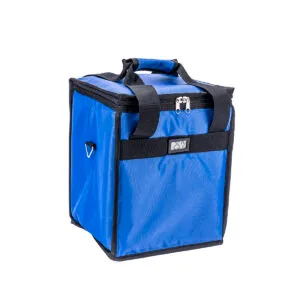
Whole Foods uses different materials for its insulated bags, depending on the design and purpose. A green, slim tote made of polyester with a vinyl acetate lining measures about 17.5 × 18 × 6 inches and includes both a Velcro closure and a zipper to keep items secure. The lining helps retain heat and prevents leaks, making the bag suitable for hot or cold items. Kimberton Whole Foods, a regional partner, introduced a nonwoven polypropylene (NWPP) bag in April 2025 that holds up to 17 pounds and measures 15 × 7 × 15 inches. These bags are machinewashable and made with up to 40 % postconsumer waste, allowing reuse up to 120 times. Together, these examples illustrate how size, materials and closures affect performance and sustainability.
How long does insulation last?
Cooling duration depends on the foam type and thickness. Lightweight EPE foam typically keeps items cold for 4–8 hours, while denser polyethylene foam offers 6–10 hours. EVA foam can maintain temperatures for 10–24 hours, making it common in premium coolers. Polyurethane foam—used in hard coolers and some semirigid bags—retains cold for 24–72 hours. A Whole Foods insulated bag falls in the midrange; when paired with gel packs or dry ice, it can keep frozen goods cold for your shopping trip or picnic. Remember that opening the bag releases up to 50–80 % of cold air, so plan your stops to minimise openings.
Table 1: Insulation materials and what they mean for you
| Material | Performance & Hold Time | Practical meaning |
| Expanded polyethylene (EPE) foam | Lightweight, holds 4–8 hours | Ideal for short grocery runs and lunches; affordable but compresses over time. |
| Polyethylene (PE) foam | Higher density; supports 6–10 hours | Balances cost and performance; good for mediumdistance shopping and delivery routes. |
| EVA foam | Dense and durable; holds 10–24 hours | Suitable for beach trips and long outings; heavier and costlier. |
| Polyurethane (PU) foam | Superior insulation; 24–72 hours | Found in rigid coolers; ideal for camping and pharmaceutical transport. |
Practical tips and realworld example
Precool the bag: Place gel packs inside your empty bag for 10–20 minutes before loading. This reduces the load on your ice packs and extends hold time.
Line the base with cold sources: A cold layer at the bottom stabilises temperature. Use block ice for longer trips; it lasts 2–4 times longer than cubes.
Group similar items: Keep frozen goods together and separate chilled items with dividers. This prevents heat transfer and improves efficiency.
Limit openings: Each time you unzip the bag, you lose cold air. Plan your shopping route so you can load everything at once.
Choose the right size: Oversized bags create warm air pockets; underfilled bags compress goods. Select a size that fits your typical load plus 20–30 % for ice.
Reallife case: A family on a ninehour road trip prechilled their mediumsized cooler, packed frozen water bottles and snacks tightly, and kept the bag out of direct sunlight. The ice stayed solid until evening, illustrating how proper packing extends performance.
How do you select the right size and material?
Sizing matters because air gaps reduce insulation efficiency. To choose the right Whole Foods insulated bag, consider your typical route time and volume. Small bags (6–10 L) work for one or two stops with 1–2 gel packs. Medium bags (15–20 L) suit 3–6 stops and should include dividers for separating frozen and chilled goods. Large bags (30–40 L) or multiple bags are ideal for bulk restocks and extended delivery routes. Whole Foods’ standard 3.5gallon bag falls into the medium category; Kimberton’s 7.5gallon slim bag offers more capacity for big shops.
Evaluating materials and durability
Not all fabrics are equal. Oxford cloth (600D) provides high tear strength and water resistance. Recycled PET (RPET) is made from recycled bottles and offers ecofriendly durability. Nonwoven fabrics are lightweight and low cost; they suit promotional bags but may tear faster. Polyester or nylon are durable and easy to clean. Canvas or cotton twill give a natural look but need protective coatings. When selecting a Whole Foods insulated bag, balance durability and sustainability. NWPP bags from Kimberton Whole Foods contain up to 40 % postconsumer waste, while other Whole Foods bags use polyester with vinyl acetate lining for water resistance.
Table 2: Material choices and your benefit
| Fabric | Durability & Water Resistance | What it means for you |
| Oxford cloth (600D) | High tear strength; waterproof coating | Lasts longer and protects contents during heavy use, ideal for frequent shoppers and delivery drivers. |
| Recycled PET (RPET) | Ecofriendly, made from recycled plastic | Supports sustainability goals while offering strong, waterresistant construction. |
| Nonwoven polypropylene (NWPP) | Lightweight, machine washable | Reusable up to 120 times; affordable but may have lower tear resistance. |
| Polyester/nylon | Durable and easy to clean | Common in Whole Foods bags; good balance of cost and longevity. |
| Canvas/cotton twill | Natural, aesthetic appeal | Stylish but requires care; suitable for lifestyle or picnic bags. |
Features that matter
A quality insulated bag is more than fabric and foam. Look for:
Sealing quality: Tight zippers, double flaps and Velcro closures keep warm air out. Whole Foods’ green tote combines a zipper and Velcro for extra security.
Liner: Foodsafe, wipeable liners such as PEVA or welded plastics prevent leaks. Vinyl acetate linings add water resistance.
Handles and straps: Ergonomic handles and padded straps reduce fatigue. Kimberton’s NWPP bag handles heavier loads (up to 17 pounds).
Pockets and dividers: Mesh pockets and removable dividers organize items. Dividers separate frozen and chilled goods, improving hold time.
Rigidity: Semirigid panels or modular inserts maintain shape and prevent crushing. This helps when stacking groceries or containers.
Tips for choosing the right bag
Match your route and load: Measure your typical grocery order and travel time. Select a bag with 20–30 % extra space for ice.
Ask for insulation data: Request test results on insulation thickness and temperature performance from your supplier.
Check reusability: Opt for bags made from recycled materials or NWPP that can be used over 100 times.
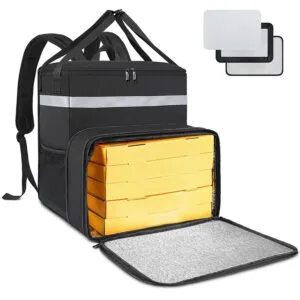
Case: A delivery driver who makes five stops chooses a 20 L medium bag with dividers and 8 mm EPE foam. By precooling the bag and packing gel packs at the base, the driver keeps hot meals separate from cold items and maintains quality for the entire route.
What are the best practices for using and maintaining your bag?
Proper use maximizes insulation performance and extends bag life. Start by precooling or preheating your Whole Foods insulated bag: place ice packs inside for 15 minutes before loading cold items or fill the bag with hot water to warm it before packing hot food. According to the USDA, perishable foods become unsafe after two hours in a noninsulated bag, so use at least two cold sources in your insulated bag. Frozen water bottles, gel packs or dry ice at the bottom of the bag create a cold foundation. For hot food, heat it to at least 165 °F, warm the container with boiling water, then seal it tightly.
Packing and handling guidelines
Pack items tightly: Reduce empty space to prevent convection.
Helpful decision tools
Check the details before you choose packaging
These quick tools can help you compare route risk, sizing needs, coolant choices, and packaging details before you request a quote.
Coolant & PCM Reference
Compare coolant and PCM options when a route needs added temperature support.
Compare optionsPackaging Selector
Compare insulated packaging options by product, route, and temperature need.
Find packagingInsulation Material Reference
Compare insulation material choices for different cold chain packaging needs.
Compare materialsSeparate temperature zones: Use dividers or separate bags for frozen, chilled and ambient items.
Limit bag openings: Each opening releases 50–80 % of the cold air. Plan your route to minimize openings.
Store out of direct sunlight: Heat from the sun accelerates warming; keep your bag in the car’s trunk or shaded area.
Avoid overloading: Follow weight limits such as the 17pound capacity for NWPP bags.
Cleaning and storage
To extend the life of your Whole Foods insulated bag, clean it regularly. For routine maintenance, wipe the interior with mild soap and warm water, then air dry it open. For NWPP bags, machine wash on a gentle cycle and lay flat to dry. Avoid harsh solvents that could damage the liner. Store the bag in a cool, dry place and avoid folding rigid liners to prevent cracks. Replace damaged zippers or seams promptly to maintain insulation.
Table 3: Maintenance tasks and benefits
| Task | Frequency | Why it matters |
| Precool / preheat bag | Every use | Boosts insulation performance; reduces energy use of gel packs. |
| Use at least two cold sources | Every cold pack | Keeps perishable foods safe until lunch. |
| Clean interior with mild soap | After each trip | Prevents bacteria buildup and odours. |
| Machine wash NWPP bags | Every few weeks | Maintains appearance and hygiene; NWPP bags are machinewashable. |
| Inspect zippers and seams | Monthly | Ensures sealing quality; prevents warm air leakage. |
Usecase: preserving vaccines
During a vaccine outreach program, health workers used insulated cooler bags with 8 mm foam and PCMs. The bags maintained the critical 2–8 °C range for over 72 hours, preventing spoilage and saving lives. This example shows that proper packing and highquality insulation are essential not only for groceries but also for medical supplies.
How does an insulated bag support sustainability and ecofriendly habits?
Reusable insulated bags reduce waste and carbon footprint. Kimberton Whole Foods reported that its seven locations used over 1.5 million paper bags—more than 200,000 pounds of paper—annually. By transitioning to reusable bags on April 1 2025, they lowered material consumption and encouraged customers to bring their own bags. NWPP bags made with up to 40 % postconsumer waste can be reused up to 120 times, dramatically reducing singleuse waste.
Whole Foods itself was a pioneer in eliminating singleuse plastic bags in 2008. Today, the company continues to offer canvas totes, RPET bags and insulated coolers to promote ecofriendly shopping habits. Research shows that incentives such as discounts or credits can increase reusable bag use by up to 65 %, and Whole Foods’ early campaigns helped normalise reusable bags. Even though some promotions have been reduced in recent years, consumer behaviour has largely shifted to bring-your-own-bag norms.
Environmental benefits of insulated bags
Reusable insulated bags have a longer service life than paper or plastic, reducing waste and saving money. Biodegradable foams can degrade by up to 94 % within four years while maintaining insulation. Recycled polymers and RPET fabrics lower greenhouse gas emissions compared with virgin plastics. A NWPP bag reused 120 times can offset the impact of many singleuse bags, especially when recycled at the end of life.
Table 4: Sustainability aspects and your impact
| Feature | Environmental impact | What it means for you |
| Reusable NWPP bag (15×7×15 in) | Reduces over 1.5 million paper bags (200,000 lbs) annually | Bring it on each trip to cut waste and enjoy a sturdy, machinewashable bag. |
| Polyester bag with vinyl acetate lining | Durable and reusable; prevents leaks | Saves money over time and avoids soggy groceries; easy to wipe clean. |
| Recycled PET fabrics | Lowers carbon footprint and supports recycling | Shows commitment to sustainability; longlasting and waterresistant. |
| Biodegradable foams | Degrade up to 94 % in four years | Future designs may offer compostable insulation without sacrificing performance. |
Tips for ecofriendly use
Use your bag every trip: The environmental benefit increases with each use. Aim for at least 100 uses before recycling.
Choose recycled materials: Opt for RPET or NWPP bags made with postconsumer waste.
Recycle responsibly: Check local facilities to ensure proper recycling of NWPP (#5) bags.
Support return programs: Participate in bag return schemes when available; reusable bag rental programmes help close the loop.
Case: Kimberton Whole Foods introduced NWPP bags with 40 % postconsumer waste and reused them up to 120 times. By charging $0.15 per bag, they encouraged customers to bring their own, reducing paper waste and setting an example for sustainable retail.
What innovations and trends define insulated bags in 2025?
Trend overview
The insulated bag market is evolving rapidly. Innovations focus on smart features, improved sealing and sustainability. Smart coolers now include thermoelectric modules, USB power ports, LED lighting and Bluetooth connectivity, transforming bags into multifunctional devices. Improved sealing and modularity—such as wider flaps, magnetic closures and removable inserts—reduce warm air infiltration and make packing more efficient. Sustainability remains a core trend: recycled polymers and biodegradable foams deliver high performance while reducing environmental impact. Wheeled and lightweight designs are popular for family outings, offering up to 30 % lighter weight than traditional rotomolded coolers.
The global insulated coolers market (including soft and hard coolers) is projected to grow from around USD 846.6 million in 2025 to USD 1.57 billion by 2035, a 6.4 % CAGR. Cold chain packaging more broadly is valued at roughly USD 18.7 billion in 2025 and could reach USD 36.4 billion by 2035. Studies show that reusable cold chain packaging—such as durable insulated bags—will grow from USD 4.97 billion in 2025 to USD 9.13 billion by 2034. Drivers include the expansion of meal delivery services, rising outdoor recreation and stricter sustainability regulations.
Latest advancements at a glance
Smart features: Bags with thermoelectric cooling, USB chargers and Bluetooth offer temperature control and device charging in one.
Improved sealing: Magnetic closures, wider flaps and leakproof zippers reduce warm air infiltration.
Biodegradable materials: New foams degrade by 94 % in four years while providing comparable insulation.
Market insights
The rise in home meal kits and grocery delivery has fuelled demand for mediumsize insulated bags (15–20 L), while outdoor recreation drives growth in backpack and wheeled coolers. North America leads due to camping and food delivery, whereas Europe’s growth is driven by strict sustainability regulations. AsiaPacific shows the fastest growth thanks to urbanisation and ecommerce. Companies such as Pelican BioThermal, va Q tec, and Softbox Systems are investing in vacuum panels, PCMs and IoT sensors to extend hold times and enable realtime monitoring. These innovations help maintain temperatures for vaccines and biologics, addressing the problem that up to 50 % of vaccines are wasted due to cold chain failures.
Frequently Asked Questions
How long does a Whole Foods insulated bag keep food cold?
Most soft insulated bags keep contents cold for 4–12 hours. Pairing your bag with gel packs or dry ice and minimizing openings extends hold time. Premium bags with vacuum panels can maintain temperatures for 24–72 hours.
Can I use a Whole Foods insulated bag for frozen food?
Yes. Group frozen items together and use stronger gel packs or dry ice. Always prechill the bag and validate the hold time for your route.
How do I clean my Whole Foods insulated bag?
Wipe the interior with warm, soapy water after each use and let it air dry. NWPP bags are machinewashable; wash them gently and lay flat to dry.
Are Whole Foods insulated bags environmentally friendly?
Reusable insulated bags reduce waste and carbon footprint. NWPP bags with 40 % postconsumer waste are reusable up to 120 times. Polyester bags with vinyl acetate lining are durable and prevent leaks. Choosing recycled materials like RPET further lowers environmental impact.
What size bag should I choose for groceries?
Select a bag that matches your typical load plus 20–30 % extra space for ice. Small bags (6–10 L) suit short trips; medium bags (15–20 L) are ideal for grocery runs; large bags (30–40 L) cater to bulk shopping or deliveries.
Summary & Recommendations
Key takeaways: Multilayer insulation—outer fabric, foam core, reflective film and liner—is the secret to effective cooling. Choosing the right size and material ensures your bag meets your route and payload needs. Proper packing (precooling, grouping items, limiting openings) maximizes hold time. Reusable insulated bags made from recycled or biodegradable materials cut waste and support sustainability. Innovations like smart cooling, improved sealing and biodegradable foams are shaping the market in 2025【749272294001264†L585-L606】.
Actionable next steps:
Define your needs: Note your typical grocery volume and travel duration. Decide if you need a small lunch bag or a medium grocery bag.
Compare materials: Choose between NWPP, polyester, RPET or canvas based on durability, sustainability and style.
Pretest your bag: Precool your chosen bag, pack it with typical items and gel packs, and monitor temperature over your route to ensure it meets your requirements.
Standardize your routine: Pack cold sources at the bottom, group similar items and limit openings. Clean and dry your bag after each use.
Invest in quality: A wellbuilt Whole Foods insulated bag lasts hundreds of trips, reduces waste and saves money in the long run.
About Tempk
Tempk is a leading cold chain packaging specialist, designing and producing insulated cooler bags, boxes, phasechange materials and monitoring tools for food, pharmaceutical and logistics sectors. Our R&D centre develops highperformance materials like vacuum insulated panels and biodegradable foams. We provide validated insulation data, packout guidance and durable reusable designs that lower cost per trip. All products are BPAfree, meet food contact safety standards and can be customised for your brand. Whether you need a single cooler bag or a comprehensive cold chain system, we’re here to help you safeguard your goods and the environment.
Next step: Reach out to Tempk for professional advice on selecting the right insulated bag, customising a solution or integrating temperature monitoring into your logistics program.