International temperature-controlled express delivery sits at the heart of modern supply chains. It enables fragile goods – from lifesaving vaccines to gourmet seafood – to travel thousands of kilometres without losing quality or safety. In 2025 analysts estimate the global cold chain logistics market is worth around US$436 billion and could reach US$1.36 trillion by 2034. This explosive growth highlights how vital temperature management has become to international trade. As more consumers expect fresh produce yearround and new biologic medicines require ultracold storage, businesses need clear guidance on how to maintain precise conditions during transit. This article, updated on January 5 2026, demystifies international temperaturecontrolled express delivery and offers practical insights to help you succeed in the year ahead.
This article will answer:
What exactly is international temperaturecontrolled express delivery? It covers definitions and why keeping goods within specific temperature ranges preserves quality and safety.
How does the process work across borders? You’ll learn the stages – precooling, packaging, storage, transportation and lastmile distribution – with realworld examples and useroriented advice.
Which technologies and practices are shaping 2025? From IoT sensors and AI route optimisation to blockchain and sustainable packaging, discover the innovations that make global cold chains smarter.
What are the latest market trends and regulatory changes? Understand growth forecasts, regional insights and environmental regulations affecting refrigerants and packaging.
How can sustainable practices reduce costs and emissions? Explore strategies such as reusable packaging, solarpowered storage and ocean freight that reduce environmental impact while improving efficiency.
What Is International TemperatureControlled Express Delivery?
International temperaturecontrolled express delivery refers to the process of handling, storing and transporting perishable or temperaturesensitive goods across national borders while maintaining precise temperature ranges. Unlike standard parcel services, it involves specialized packaging, cold storage facilities, refrigerated vehicles and continuous monitoring to ensure products remain within allowable temperature limits from origin to destination. Keeping shipments within strict ranges preserves potency, safety and flavour, and is often mandated by regulators for vaccines and pharmaceuticals. A highquality cold chain enables health workers to deliver lifesaving vaccines to remote communities; even minor temperature deviations can render these products ineffective or dangerous.
Why it matters for global trade
From a business perspective, the stakes are high. Spoilage or loss during transit leads to wasted inventory, recalls and reputational damage. According to industry analysts, the global cold chain logistics market accounted for US$436.30 billion in 2025. This massive value reflects surging demand for safe transport of biologics, highend seafood, specialty produce and temperaturesensitive chemicals. Analysts predict the market will reach US$1.36 trillion by 2034, growing at a compound annual rate of 13.46 %. Such growth underscores the strategic importance of efficient temperature management for exporters seeking to tap into booming global demand.
Key categories and their temperature requirements
Different products require different temperature regimes. The following table summarizes common categories, the typical Fahrenheit range and what that means for you based on reliable industry guidance:
| Temperature Category | Typical Range (°F) | What It Means for Your Shipment |
| Ambient | 59–86 | Suitable for dry foods and certain pharmaceuticals. Minimal refrigeration costs, but proper ventilation prevents heat buildup. |
| Cool | 50–59 | Used for cheese and select produce. Mild cooling preserves flavour; short transport times and insulated containers are essential. |
| Refrigerated | 32–50 | Common for vaccines and dairy products. Requires strict control using IoT sensors for realtime monitoring to avoid excursions. |
| Frozen | −22–32 | Needed for meat, seafood and ice cream. Demands deep freezing equipment and redundancy plans for power failures. |
| Ultracold | −80 to −150 | Necessary for biologics, cell therapies and gene therapies. Portable cryogenic freezers maintain these conditions and incorporate GPS tracking. |
Maintaining the correct category reduces spoilage and ensures regulatory compliance. For example, portable cryogenic freezers maintain temperatures as low as −80 °C to −150 °C for biologics and gene therapies. These units include GPS and sensor modules that alert operators to deviations, making them indispensable for cell and gene therapies.
How Does International TemperatureControlled Express Delivery Work?
Moving a temperaturesensitive product across borders involves a coordinated series of steps. Each stage focuses on maintaining stable conditions, minimizing thermal shocks and complying with international regulations.
Precooling and preparation
Preparation starts before your goods ever leave the facility. Fruits, vegetables and flowers are precooled immediately after harvest to remove field heat and slow enzymatic activity. For pharmaceuticals, manufacturing lines often include blast freezers or controlled environmental chambers to ensure uniform temperature before packaging. Precooling sets the baseline; sending products that are warmer than their target range shortens their shelf life and increases the risk of spoilage during transit. At this stage you should document initial temperatures and condition to establish traceability.
Packaging and insulation
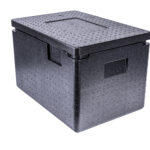
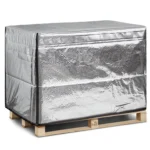
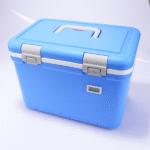
Once cooled, products are packed in insulated containers, phasechange materials and gel packs designed to maintain the target temperature. Phasechange materials (PCMs) absorb or release heat at specific temperatures, providing a buffer against environmental fluctuations. Gel packs and dry ice cater to different ranges: gel packs are ideal for 2–8 °C shipments, while dry ice maintains −78 °C for frozen goods. Packaging should also protect against physical shocks and humidity changes. Highdensity foam inserts or vacuuminsulated panels (VIPs) add extra thermal protection without significantly increasing weight.
Storage and staging
Before leaving the country, shipments pass through temperaturecontrolled warehouses. Modern facilities use insulation panels, automated storage and retrieval systems (AS/RS) and highdensity racks to keep temperatures stable. Temperature mapping ensures uniform conditions across different zones. Good warehousing practices follow the FIFO (firstin, firstout) principle to prevent old stock from deteriorating. Electronic data loggers continuously record temperature and humidity, creating an auditable trail for regulatory compliance.
International transportation
The transportation phase is where the “express” element comes into play. Insulated trucks, reefer containers, refrigerated railcars and cargo aircraft maintain the cold chain during longdistance travel. For ultracold shipments, portable cryogenic freezers provide dedicated compartments with integrated GPS and sensors to maintain subzero conditions. Express providers leverage AIpowered route optimisation to minimize transit time and avoid traffic and weather disruptions. Predictive algorithms analyze factors such as road conditions, customs clearance times and flight schedules to choose the fastest and most reliable route.
Lastmile delivery
After clearing customs, shipments move to local distribution hubs where they are sorted for final delivery. Lastmile services require specialized vehicles equipped with refrigeration units and smaller insulated containers. Realtime monitoring remains critical because this is where the risk of temperature excursions increases due to shorter handover times. Drivers and couriers should receive training on correct handling procedures, including how to load and unload insulated parcels quickly and safely. Providing recipients with accurate delivery windows reduces waiting times and exposure to ambient conditions.
Monitoring, documentation and compliance
Throughout the journey, IoT sensors monitor temperature, humidity and location in real time. When a sensor detects an unsafe reading, it automatically sends an alert via SMS or email, enabling quick intervention. Blockchain technology is increasingly used to record each step of the shipment in a tamperproof ledger, creating a transparent record for regulators and customers. Compliance with Good Distribution Practice (GDP), Hazard Analysis and Critical Control Points (HACCP), and International Air Transport Association (IATA) regulations requires meticulous documentation of temperatures, handling procedures and chain of custody. As regulatory scrutiny intensifies, companies that maintain detailed digital records will have an advantage when entering new markets.
Technologies and Innovations Shaping 2025
2025 brings a wave of technological advancements that make international temperaturecontrolled express delivery faster, safer and more sustainable. Below we examine the most impactful innovations.
IoT Sensors and RealTime Monitoring
IoT devices act as the digital nervous system of the cold chain. Small, lightweight sensors affixed to pallets, containers or individual packages continuously record temperature, humidity and GPS coordinates. They transmit this data through cellular networks or lowpower widearea networks (LPWAN), enabling operators to monitor shipments from a central dashboard. Realtime alerts reduce spoilage by allowing quick corrective action. Many sensors now incorporate nearfield communication (NFC) tags so customs officers can verify data without opening the package. For exporters, adopting IoT sensors translates into fewer quality issues, better compliance and improved customer satisfaction.
AIPowered Route Optimisation and Predictive Analytics
Artificial intelligence is transforming logistics by analyzing complex data sets—weather forecasts, traffic patterns, equipment status and historical delivery times—to predict delays and suggest optimal routes. AI can also recommend when to dispatch shipments to align with customs working hours, reducing dwell time at borders. Predictive maintenance uses sensor data to anticipate equipment failures before they occur, ensuring refrigeration units and freezers remain operational. This proactive approach reduces downtime and extends equipment lifespan.
Blockchain and EndtoEnd Traceability
Blockchain records every event in the shipment’s journey in a decentralized ledger. Each handoff—from factory to warehouse to carrier to customs—is logged as a tamperproof “block.” Stakeholders can see where goods are, verify temperature data and ensure chainofcustody integrity. This transparency helps businesses demonstrate compliance with stringent import regulations, particularly for pharmaceutical products. Some countries now require digital certificates for temperaturesensitive shipments, and blockchain provides a secure way to manage these records.
SolarPowered Cold Storage and Renewable Energy
Energy costs and carbon emissions are major concerns in the cold chain. Solarpowered cold storage units provide offgrid refrigeration, making them ideal for remote areas or regions with unstable electricity. Commercial solar rates in the United States range between 3.2 and 15.5 cents per kWh, offering significant cost savings compared with grid electricity. Hybrid solutions combine solar panels with battery storage to ensure continuous operation at night or during bad weather. By reducing dependence on fossil fuels, solarpowered solutions cut operational costs and support corporate sustainability goals.
Portable Cryogenic Freezers
Personalized medicine and advanced biologics often require temperatures between −80 °C and −150 °C. Portable cryogenic freezers deliver these conditions even during long flights or transoceanic crossings. They integrate GPS tracking and IoT sensors to provide alerts if temperature or battery status deviates. The units are batterypowered and meet aviation safety standards, making them safe for commercial air transport. Pharmaceutical manufacturers increasingly rely on portable cryogenic freezers to deliver gene therapies and cell therapies to patients around the world.
Sustainable Packaging and Circular Solutions
Environmental pressures and rising disposal costs are driving the adoption of biodegradable, recyclable and reusable packaging. In 2025 the reusable cold chain packaging market is projected to reach US$4.97 billion. Advanced materials like aerogel insulation and phasechange materials deliver superior thermal performance with less weight. Some packages incorporate embedded sensors that record temperature and transmit data upon arrival. A circular model—where packages are returned, sanitized and reused—reduces waste and longterm costs. Companies that adopt sustainable packaging not only meet regulatory requirements but also appeal to ecoconscious consumers.
Applications Across Industries
International temperaturecontrolled express delivery impacts numerous sectors. Each industry has unique requirements and challenges, yet they share the same goal: preserve product integrity across global distances.
Pharmaceuticals and Biotech
Vaccines, biologics and personalized therapies demand stringent temperature control. UNICEF emphasizes that vaccines must remain within strict temperature ranges to maintain potency. Many biologics lose efficacy if exposed to room temperatures for more than a few minutes. In July 2025 UNICEF shipped over 500,000 doses of pneumococcal vaccine by sea, cutting greenhouse gas emissions by up to 90 % and freight costs by 50 % compared with air freight. This demonstrates how thoughtful route selection can deliver both sustainability and cost benefits. Pharmaceutical shippers should ensure compliance with Good Distribution Practice, maintain realtime temperature logs and plan contingency strategies for customs delays.
Food and Agriculture
Fresh produce, meat, seafood and dairy products rely heavily on cold chains to maintain freshness and prevent bacterial growth. Global consumers demand yearround availability of seasonal produce and expect premium quality. In AsiaPacific, the cold chain logistics market is expected to grow from USD 168.24 billion to USD 253.92 billion by 2030. Rising incomes and ecommerce are changing dietary habits, driving demand for healthy foods and quick delivery. Chilled products accounted for about 68 % of the APAC cold chain logistics market in 2024, reflecting strong preference for fresh over frozen items. Exporters need to adopt insulated packaging and track temperatures closely to meet stringent import standards for food safety.
Specialty Chemicals and Industrials
Beyond food and pharma, many chemicals and industrial materials require controlled temperatures to remain stable. Some adhesives, resins and hightech materials degrade when exposed to heat. International shipments of these products must comply with hazardous materials regulations and include documentation of temperature control. Businesses should work with carriers experienced in handling dangerous goods and ensure packaging meets both thermal and safety requirements.
Helpful decision tools
Check the details before you choose packaging
These quick tools can help you compare route risk, sizing needs, coolant choices, and packaging details before you request a quote.
Route Risk Checker
Review lane conditions before selecting packaging for real operating requirements.
Check route riskIce Pack Calculator
Estimate gel ice pack quantity for chilled shipments and practical route planning.
Estimate ice packsInsulation Material Drop Resistance
Review drop resistance and handling factors before choosing insulation materials.
Check resistanceFloral and Horticultural Products
Flowers and live plants are particularly sensitive to heat and dehydration. Maintaining cooler temperatures during international transit preserves colour, fragrance and shelf life. Horticultural exporters often use ethylene filters, ventilation holes and moistureabsorbing materials to manage respiration and condensation. Realtime tracking helps monitor delays at customs and adjust delivery schedules to ensure plants arrive healthy.
UserFocused Tips and Advice
To make international temperaturecontrolled express delivery work for you, follow these practical strategies. Each tip corresponds to a specific scenario you may encounter.
Selecting the right carrier: Not all express providers offer reliable cold chain services. Choose carriers with specialized temperaturecontrolled vehicles, realtime tracking and contingency plans. Ask for evidence of compliance with GDP and HACCP standards.
Optimizing packaging for crossborder travel: Use insulated containers, phasechange materials and gel packs to match your product’s temperature category. For shipments lasting more than 48 hours, include active cooling elements like dry ice or rechargeable coolants.
Preparing for customs and documentation: Compile temperature logs, safety data sheets and certificates of origin. Many customs authorities now expect digital temperature records and may inspect packaging for tampering. Providing accurate paperwork reduces clearance delays.
Implementing emergency protocols: Develop contingency plans for equipment failures, flight cancellations or border closures. Stock extra gel packs, portable coolers and portable power sources. Train staff on how to handle delays without compromising temperature integrity.
Enhancing lastmile efficiency: Provide customers with realtime tracking and narrow delivery windows to minimize waiting times. In urban areas, consider using electric refrigerated vans or cargo bikes equipped with insulated boxes to reduce emissions.
Realworld case: A Kansas City logistics firm built a cold storage facility in 2024 with automated systems, energyefficient refrigeration and IoT monitoring. The new facility cut energy consumption while improving reliability and throughput. This example shows how investing in modern infrastructure pays off by reducing costs and enhancing service quality.
Regulatory and Compliance Considerations
Crossborder shipments must satisfy a patchwork of national and international regulations. Understanding these requirements helps avoid fines, confiscations or shipment destruction.
Good Distribution Practice and Hazard Analysis
Good Distribution Practice (GDP) is a set of quality assurance guidelines for storing and transporting medicinal products. It mandates temperature control, detailed recordkeeping and staff training. Hazard Analysis and Critical Control Points (HACCP) applies to food shipments and requires identifying potential hazards and implementing control measures throughout the supply chain. Maintaining calibration certificates for thermometers, training logs for staff and documented corrective actions will support compliance during inspections.
Refrigerant Regulations and Phasedowns
Environmental regulations are tightening around highglobalwarmingpotential (GWP) refrigerants. The U.S. Environmental Protection Agency’s Technology Transitions program states that beginning 1 January 2025, certain technologies may no longer use highGWP hydrofluorocarbons (HFCs); restrictions apply to manufacturing, distribution, sale and installation of products containing restricted HFCs. The European Union’s Fgas regulation similarly phases down HFCs, encouraging adoption of natural refrigerants like CO₂, ammonia and hydrocarbons. When purchasing refrigeration equipment, verify the refrigerant type and ensure it complies with the destination country’s rules.
Customs and International Treaties
Different countries impose diverse import restrictions on food, pharmaceuticals and chemicals. The World Health Organization’s Good Regulatory Practice guidelines and IATA’s Time and Temperature Sensitive (TSP) labels standardize temperaturecontrolled cargo across airlines. Many nations require prenotification of sensitive shipments via electronic systems and may conduct random inspections. Engaging customs brokers familiar with cold chain requirements can minimize delays.
20252026 Market Trends and Outlook
Understanding market dynamics helps you plan investments and identify opportunities in the international temperaturecontrolled express sector.
Explosive Growth in Global Cold Chain
Analysts project that the global cold chain logistics market, worth US$436 billion in 2025, will expand to US$1.36 trillion by 2034 at a CAGR of 13.46 %. Growth drivers include rising demand for biologics, increased frozen food consumption and expanding international trade in perishable goods. Postpandemic recovery and the rise of personalized medicine contribute to this surge.
Regional Insights
AsiaPacific: The APAC cold chain logistics market is expected to grow from USD 168.24 billion to USD 253.92 billion by 2030, driven by ecommerce and premium food demand. The region’s middle class is expanding rapidly, and urbanization is accelerating demand for fresh foods delivered quickly. Chilled products dominate, representing about 68 % of the market share in 2024.
North America and Europe: These mature markets focus on upgrading infrastructure and meeting stricter regulations. Companies are investing in AIpowered route optimisation and sustainable packaging to differentiate themselves.
Latin America and Africa: Emerging markets are investing in cold chain capabilities to support agricultural exports and improve food security. Solarpowered storage units and mobile cold rooms help bridge infrastructure gaps in rural areas.
ECommerce and OnDemand Delivery
The pandemic accelerated consumer adoption of online grocery shopping. Market projections show the APAC food ecommerce market could reach USD 635.44 billion by 2029. This surge compresses fulfilment timelines and requires precise lastmile execution. Quick commerce models promise delivery within 30 minutes, putting additional pressure on cold chain infrastructure to be agile and reliable.
Sustainability and Circularity
Consumers and regulators are demanding greener logistics. Sea freight and rail are gaining favour for longhaul shipments because they emit fewer greenhouse gases than air travel. The July 2025 vaccine shipment by sea demonstrates that ocean transport can cut emissions by up to 90 % and freight costs by 50 %. Governments are phasing down highGWP refrigerants and incentivizing renewable energy adoption. Companies embracing circular packaging models and carbonneutral transport will stand out in an increasingly competitive market.
Frequently Asked Questions
Q1: How do I determine the right temperature range for my product?
Begin by consulting regulatory guidelines and manufacturer recommendations. Identify whether your item is ambient, cool, refrigerated, frozen or ultracold. Selecting the wrong category may compromise quality and compliance. If in doubt, partner with experts who can help evaluate your product and recommend appropriate packaging and carriers.
Q2: What happens if my shipment experiences a temperature excursion during transit?
Modern sensors record temperature data continuously. If a deviation occurs, documentation helps determine whether the product is still usable. Work with your carrier to understand their incident response process; they may offer contingency plans such as reicing packages or transferring goods to backup freezers. Maintain clear communication with recipients to manage expectations.
Q3: Are reusable containers costeffective for international shipments?
Yes. Although reusable containers require higher upfront investment, they can reduce packaging waste and overall costs over multiple cycles. The reusable cold chain packaging market is projected to reach US$4.97 billion in 2025, reflecting strong adoption. Evaluate your shipping frequency and reverse logistics capabilities to decide if a circular model makes sense.
Q4: How can small or mediumsized enterprises (SMEs) access temperaturecontrolled logistics without large capital investment?
SMEs can leverage shared infrastructure and thirdparty logistics providers. According to FedEx, SMEs use cold chain transportation, shared warehousing and IoT technology to scale exports and ensure product integrity. Partnering with established carriers offers access to specialized equipment, regulatory expertise and global networks without requiring the SME to build their own infrastructure.
Summary and Recommendations
International temperaturecontrolled express delivery is a critical enabler of global trade in food, pharmaceuticals and advanced therapies. The sector’s rapid growth – from US$436 billion in 2025 toward US$1.36 trillion by 2034 – underscores its strategic importance. To succeed, businesses must understand their product’s temperature requirements, invest in reliable packaging and monitoring technologies, comply with evolving regulations and adopt sustainable practices. Innovations like IoT sensors, AI route optimisation, blockchain and renewable energy are reshaping the industry and will help companies deliver safely and efficiently in 2025 and beyond. Staying informed about market trends, regional dynamics and environmental regulations will ensure you remain competitive and compliant.
Actionable Next Steps
Assess your cold chain needs: Conduct a thorough inventory of products and identify their temperature categories. Review your current packaging, monitoring and documentation practices.
Partner with experts: Engage carriers and logistics providers who specialize in temperaturecontrolled express services. Seek partners with proven compliance records, global networks and advanced monitoring capabilities.
Invest in technology: Deploy IoT sensors, data loggers and route optimisation software to improve visibility and reduce risk. Explore blockchain solutions for highvalue shipments and ensure equipment uses lowGWP refrigerants.
Adopt sustainable practices: Pilot reusable packaging, solarpowered storage or ocean freight routes to cut emissions and costs. Stay abreast of refrigerant phasedowns and regulatory changes.
Train your team: Educate staff on handling procedures, emergency protocols and documentation requirements. Encourage continuous improvement through regular audits and performance reviews.
About Tempk
Tempk is a leading provider of temperaturecontrolled packaging and logistics solutions. With decades of experience in cold chain engineering, we design and manufacture insulated boxes, gel packs, phasechange materials and automated cold storage systems. Our products are built to deliver consistent performance across challenging conditions, whether you’re shipping vaccines to remote clinics or delivering gourmet seafood to discerning customers. We prioritize sustainability by offering reusable packaging and exploring renewable energy options. Our team combines researchdriven innovation with handson field expertise to help you maintain product integrity across every mile.
Call to action: Connect with Tempk’s specialists to assess your cold chain needs and explore customized solutions that fit your operations. From packaging design to route planning, our experts are ready to help you ship with confidence.