How to Follow Temperature Controlled Gelato Guidelines in the UK
Your gelato’s quality isn’t just about the recipe – it’s about how you handle temperature at every stage. In the UK, temperature controlled gelato guidelines protect consumers and ensure your business complies with food safety law. Temperaturecontrolled gelato guidelines UK must be followed from pasteurisation to display. Recent data show that storing gelato above or below safe ranges causes ice crystals, offflavours and even safety risks. This guide uses straightforward language to explain those requirements, with current data from 2025–2026, so you can serve gelato confidently.
What makes gelato unique and why does temperature matter? – learn the science behind UK gelato guidelines and longtail keyword “gelato storage temperature UK”.
How should gelato be stored in temperaturecontrolled facilities? – discover the optimal range for each stage and longtail keyword “UK gelato storage guidelines”.
What are the best practices for serving gelato at the right temperature? – follow stepbystep service recommendations and longtail keyword “ideal gelato serving temperature”.
How do you manage gelato logistics and coldchain compliance? – explore coldchain practices that keep your product safe and longtail keyword “cold chain compliance for gelato”.
What challenges exist and how can you prevent contamination and waste? – identify common pitfalls and solutions using longtail keyword “safe handling of gelato”.
What are the key 2026 trends in cold storage, AI and sustainability? – prepare your business for the future with insights into automation and green initiatives.
What Makes Gelato Different and Why Does Temperature Matter in the UK?
Gelato isn’t just “Italian ice cream”; it’s a dessert with lower fat, less air and a higher serving temperature than typical ice cream. The denser structure and reduced fat mean gelato is sensitive to temperature fluctuations and must be kept slightly warmer than traditional ice cream. According to a UK refrigeration guide, ice cream should be stored between –18 °C and –24 °C, while gelato “should be slightly warmer, between –14 °C and –18 °C”. When the temperature rises above –18 °C, ice crystals form and ruin texture. Conversely, if temperatures drop too low, the product suffers from freezer burn and becomes difficult to scoop.
Understanding Gelato vs. Ice Cream
Gelato has less fat and more milk than American ice cream, so it melts faster and tastes best at warmer temperatures. In a commercial setting, gelato is dispensed from the batch freezer at about –7 °C, making it soft and “paddleable”. But if you place gelato straight into a display case set to –14 °C/–16 °C, it will sag and lose structure. To preserve quality you must blastfreeze your freshly churned gelato to below –25 °C before transferring it to display. This rapid chill prevents large ice crystals from forming and locks in the creamy texture.
Why Temperature Control Protects Quality and Safety
Poor temperature control isn’t just about melting; it affects food safety and business reputation. UK cold storage regulations classify gelato as a highrisk food. If gelato is stored above the safe range (–14 °C to –18 °C) bacteria may grow, whereas if it’s stored below –21 °C for too long the product can become brittle. The Food Standards Agency (FSA) emphasises that highrisk foods must be kept at safe temperatures from delivery to service. A failure to control temperature can lead to spoilage, customer illness or prosecution under the Food Safety Act 1990.
Gelato Temperature Guidelines and What They Mean for You
| Stage of Production | Temperature Range | Purpose | What It Means for You |
| Fresh pasteurised mix | < 7.2 °C | Keep mix below this temperature until freezing to inhibit bacterial growth | Prechill your gelato base in a refrigerator (< 5 °C) immediately after pasteurisation. |
| Batch freezing | ≈ –7 °C | Gelato is soft when it leaves the batch freezer and needs further cooling | Avoid serving gelato straight from the batch freezer; it will collapse. |
| Blast freezing | < –25 °C | Rapidly reduce temperature to prevent large ice crystals | Use a blast freezer or shock freezer for newly churned gelato. |
| Display cabinet | –14 °C to –16 °C | Keeps gelato frozen yet soft enough for paddling/scooping | Set your gelato display to –14 °C to –16 °C; do not rely on the cabinet to chill products. |
| Service freezer (restaurants) | –10 °C to –15 °C | For temporary holding and serving | If freezers exceed –10 °C/–15 °C, stop service and check equipment. |
| Storage freezer (longterm) | < –21 °C | Prevents ice crystal growth and preserves quality for weeks | Use a separate storage freezer; avoid storing gelato long term in display cabinets. |
| General cold storage (other foods) | 0 °C to 5 °C for refrigeration; –18 °C or colder for frozen preservation | UK legal requirements for highrisk foods | Apply to ingredients (milk, eggs) before pasteurisation and to premade components. |
Practical Tips
Keep a calibrated thermometer in every gelato cabinet and storage freezer. Record temperatures daily and act immediately if out of range.
Use blast freezers to achieve sub25 °C rapidly. Slow freezing forms large crystals and leads to grainy texture.
Avoid temperature fluctuations. Keep cabinet doors closed and avoid overloading, which restricts airflow.
Monitor from mix to service. FSA regulations require logs of checks and corrective actions. Digital monitoring systems send alerts when deviations occur.
RealWorld Example: A UK gelato shop improved product quality after installing digital monitoring. The system alerted staff when the display case rose above –12 °C. By reacting quickly, they avoided a meltdown event and saved £500 in product costs.
How Should Gelato Be Stored in TemperatureControlled Facilities?
Proper storage is the backbone of temperaturecontrolled gelato guidelines in the UK. To maintain gelato’s creamy texture and safety, each phase demands a specific temperature range. Follow these steps to stay compliant and deliver delicious gelato.
Set Up a Safe Storage Chain
When gelato arrives from production or your kitchen, transfer it immediately to a blast freezer. Blast freezing to below –25 °C stops melting and locks in texture. Once fully frozen, move the product into a longterm storage freezer set below –21 °C. Never rely on your display cabinet to finish freezing; cabinets are designed to hold already frozen gelato and cannot cool quickly enough.
Next, temper the gelato before display. A tempering cabinet kept at the same temperature as your display (–14 °C to –16 °C) slowly raises the product to serving conditions, avoiding thermal shock. This extra step improves shelf life and maintains quality. Rotate stock using “firstin, firstout” (FIFO) to ensure older gelato is served first.
Organising Your Freezers
Storage Freezer (< –21 °C) – Use this exclusively for longterm gelato storage. Keep packaging airtight to prevent contamination.
Tempering Cabinet (–14 °C to –16 °C) – Move tubs here the night before service; the steady temperature improves texture and extends shelf life.
Display Cabinet (–14 °C to –16 °C) – Monitor daily. Clean and defrost weekly; ice buildup causes temperature fluctuations and equipment strain.
Service Freezer (–10 °C to –15 °C) – Restaurants may use this for shortterm holding before plating. If temperature exceeds –10 °C to –15 °C, stop service until the problem is fixed.
Hazard Analysis and Critical Control Point (HACCP) Integration
Regulations require gelato businesses to incorporate cold storage into their HACCP plan. Your HACCP plan should identify correct storage temperatures, monitoring methods, corrective actions and responsibility assignments. Ensure staff know the safe ranges for each stage and document any temperature breach with actions taken. Digital logs make recordkeeping easier.
Table: Freezer Management Checklist
| Checklist Item | Frequency | Why It Matters | Your Benefit |
| Check and record temperatures (< –21 °C or –14 °C in display) | Daily | Compliance and early fault detection | Avoid fines and prevent product loss |
| Defrost and clean display cabinets | Weekly | Ice buildup causes temperature fluctuations and equipment strain | Extends equipment life and ensures consistent quality |
| Calibrate thermometers and sensors | Monthly | Thermometers drift over time; calibration ensures accuracy | Prevents false readings and unnecessary wastage |
| Service refrigeration systems (engineer check) | Quarterly | Professional maintenance catches leaks and inefficiencies | Reduces energy costs and avoids unexpected breakdowns |
| Replace seals and fix wear | As needed | Damaged seals cause air leaks and temperature spikes | Lowers energy use and keeps gelato safe |
Interactive SelfAssessment
Use this quick checklist to assess your storage setup:
Do you have separate blast freezer, storage freezer and display cabinets? If not, plan to invest in at least two units to avoid mixing stages.
Are all units within the correct temperature range? Check logs for the past week; note any deviations.
Is there a plan for transferring gelato from storage to display (tempering)? Create a simple schedule to avoid rushing product between extremes.
Are staff trained to record temperature checks and take corrective action? Provide refresher training if logs are incomplete.
What Are the Best Practices for Serving Gelato at the Right Temperature?
Serving gelato correctly is both an art and a science. Gelato served too cold loses flavour, while gelato served too warm collapses and compromises safety. The ideal serving range is typically –12 °C to –14 °C – slightly warmer than storage but still cold enough to hold shape. Follow these guidelines to delight your customers.
Service Temperatures and Tools
Serving Range: Keep your display or serving freezer between –10 °C and –15 °C. A higher temperature can permit microbial growth; a lower temperature makes scooping difficult.
Scoop Management: Always keep scoops in sanitiser when not in use. Use two containers: one for rinsing and one for sanitising.
Avoid Refreezing: If gelato softens due to warm conditions, do not refreeze it. Soft gelato will become gritty and potentially unsafe. Discard and start a new container.
Rotation: Limit display time. Gelato in display cases has a shelf life of about seven days at –12/14 °C. After that, quality deteriorates; plan inventory accordingly.
Service Hygiene: Wash hands and wear clean uniforms. Cover cuts with waterproof dressings and avoid touching your face.
Plating and Portion Control
Gelato is typically served in scoops or paddled into cups and cones. For consistent portions:
Use a tempered scoop. Dip the scoop in warm water before serving, but wipe off excess moisture to avoid forming ice crystals on the gelato.
Serve quickly. The warmer environment outside the freezer accelerates melting. Have toppings and cones ready to reduce dwell time.
Encourage immediate consumption. Provide napkins and remind customers that gelato is best enjoyed right away.
Table: Serving Tools and Hygiene
| Tool/Practice | Purpose | Benefit |
| Sanitiser baths for scoops | Kills microbes between servings | Prevents crosscontamination and keeps scoops clean |
| Temperaturecontrolled display cases | Maintain service range (–10 °C to –15 °C) | Ensures gelato stays safe and scoopable |
| Airtight lids for display containers | Prevents contamination and odours | Keeps gelato fresh and protects flavour |
| Hygienic scoop handling (rinse, sanitise, dry) | Maintains hygiene while serving | Reduces risk of foodborne illness |
Pro Tips for Restaurants and Mobile Vendors
Train staff to recognise signs of thawing or refreezing: ice crystals, shrinkage, or sticky surfaces. Discard compromised product.
Check freezer air temperature every service session. If your mobile cabinet exceeds –10 °C to –15 °C, stop service until the equipment returns to range.
Avoid partial melts. If gelato softens due to warm weather or busy service, do not refreeze; this leads to grit and poor quality.
Actual Case: During a summer festival, a vendor recorded cabinet temperatures reaching –8 °C. Staff noticed crystals forming and followed protocol by discarding the affected tubs. By monitoring temperature logs and acting promptly, they avoided serving unsafe gelato and maintained their hygiene rating.
How Do You Manage Gelato Logistics and ColdChain Compliance?
Distribution is often overlooked in gelato operations. Coldchain compliance means maintaining the required temperature from production through distribution to the final point of sale. According to UK cold storage regulations, transportation must maintain temperatures without fluctuation.
Transportation Best Practices
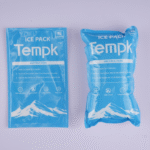
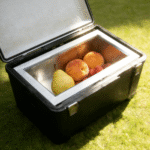
Use Insulated Containers or Refrigerated Vans: For small deliveries, insulated boxes with ice packs can suffice, but they must be tested to ensure they keep gelato at the required temperature for the journey’s duration.
Monitor Temperatures in Transit: Data loggers or IoT sensors track conditions during transport. Smart sensors and AI can monitor temperature and humidity continuously.
Plan Routes Carefully: The shorter the journey, the easier it is to maintain cold chain integrity. Plan efficient routes and avoid delays in traffic.
Helpful decision tools
Check the details before you choose packaging
These quick tools can help you compare route risk, sizing needs, coolant choices, and packaging details before you request a quote.
Dry Ice Calculator
Estimate dry ice needs for frozen or ultra-cold shipments before packing.
Estimate dry icePackaging Selector
Compare insulated packaging options by product, route, and temperature need.
Find packagingInsulation Material Drop Resistance
Review drop resistance and handling factors before choosing insulation materials.
Check resistanceHACCP for Distribution
Identify critical control points during transportation:
Loading: Ensure gelato leaves the storage freezer (< –21 °C) and is immediately placed in a precooled vehicle.
Transit: Monitor the temperature using digital sensors. Set alarms for temperatures above –18 °C or as per your specific product specification.
Delivery: Verify that the receiving display cabinet is at the correct temperature before unloading.
Documentation: Keep detailed logs showing temperature data and corrective actions. This is crucial for compliance and traceability.
Table: Transportation Checkpoints
| Step | Risk | Control Measure | Benefit |
| Loading | Temperature rise during loading | Precool vehicles; load quickly and close doors immediately | Maintains product integrity |
| Transit | Equipment malfunction or ambient heat | Use insulated or refrigerated transport with realtime monitoring | Early detection of deviations and corrective action |
| Delivery | Warm display equipment at destination | Check receiving equipment before unloading | Prevents immediate thawing |
| Documentation | Lack of traceability | Use digital logs and receipts | Demonstrates compliance and supports recall procedures |
Interactive Tool: ColdChain Check
Create a simple checklist for each delivery. This selfassessment ensures that drivers and staff verify temperatures at each checkpoint. Include fields for vehicle temperature, container temperature, time out of freezer, and receiving display temperature. Encourage staff to stop the delivery if any parameter is out of range and return the product for refreeze or disposal.
What Challenges Exist and How Can You Prevent Contamination and Waste in Gelato Handling?
Even experienced operators encounter challenges in maintaining temperaturecontrolled gelato. The most common problems include temperature fluctuations, crosscontamination and poor rotation of stock.
Common Pitfalls
Storing Gelato Above or Below the Safe Range: Staff might rely on builtin gauges instead of using calibrated thermometers, leading to unnoticed temperature drift.
Overloading Freezers: Overpacking restricts air flow and causes warm spots.
CrossContamination: Mixing scoops or storing raw products above readytoeat gelato can cause contamination.
Lack of Cleaning: Ice buildup and dirty equipment reduce efficiency and create breeding grounds for bacteria.
Failure to Record Corrective Actions: Inspectors often report missing logs or unrecorded corrective measures.
How to Overcome These Challenges
Use Independent Thermometers: Do not rely solely on cabinet displays; calibrate thermometers monthly and crosscheck readings.
Organise Freezers: Store raw products below cooked or readytoeat items to prevent drips. Maintain adequate space for air circulation.
Label and Date Tubs: Follow FIFO rotation to prevent serving old gelato.
Regular Cleaning and Maintenance: Defrost cabinets weekly and schedule professional service quarterly.
Staff Training: Everyone should know safe temperature ranges, how to use logs and what to do in case of equipment failure.
Table: Problem–Solution Summary
| Problem | Root Cause | Solution | Impact |
| Temperature spikes | Overloaded cabinets or broken seals | Reduce load; replace seals; ensure airflow | Maintains quality and reduces waste |
| Ice crystal formation | Slow freezing or refreezing | Use blast freezer; avoid refreezing soft gelato | Preserves texture and taste |
| Crosscontamination | Dirty scoops; raw food above gelato | Use sanitiser baths and store raw food separately | Protects customer health |
| Recordkeeping gaps | Staff unaware of requirements | Implement digital logs and training | Demonstrates compliance to inspectors |
| Equipment failure | Lack of maintenance | Schedule regular servicing and calibrations | Avoids downtime and costly spoilage |
Case Example: A gelato parlour in London recorded multiple temperature spikes because staff overloaded the display case during the summer rush. After reorganising the freezer and replacing worn door seals, temperatures stabilised and waste dropped by 15%.
2026 Trends: How AI and Sustainability Shape the UK Cold Chain for Gelato
Trend Overview
The cold chain is evolving rapidly. By 2026, automation, sustainability and smart technology will be the primary forces shaping gelato logistics. According to cold storage industry analysts, five trends dominate planning for 2026: automation revolution, urban microfulfilment centres, capacity expansion, energy efficiency and technology integration.
Automation Revolution: Advanced automation technologies like autonomous mobile robots (AMRs) and AIdriven inventory management are reshaping cold storage operations. These systems reduce labour shortages and increase efficiency.
MicroFulfilment Centres: The growth of egrocery and sameday delivery is driving demand for small, strategically located cold storage hubs. These facilities integrate multitemperature zones and automated sorting.
Infrastructure Expansion: With global warehouse space demand exceeding 1 billion square feet by 2025, large purposebuilt cold warehouses are being developed.
Energy Efficiency and Sustainability: Rising energy costs and environmental regulations push cold storage operators to adopt advanced insulation, natural refrigerants, renewable energy and smart building systems. Sustainable practices like zerowaste kitchens and energyefficient equipment lower operational costs and carbon footprint.
Technology Integration: IoT sensors, AI and predictive analytics provide realtime temperature monitoring, predictive maintenance and dynamic routing. AI also supports packaging design, inventory forecasting and regulatory compliance.
Latest Advancements at a Glance
Smart Sensors and AI: Smart sensors combined with AI continuously monitor temperature and humidity during processing and distribution. These systems predict spoilage and help rotate stock more effectively.
AIPowered Compliance: The UK Food Standards Agency is piloting AI systems that predict highrisk food businesses and transcribe inspection notes. This will streamline compliance checks and reduce risk for gelato businesses.
Automation in Warehousing: Robotics such as automated storage and retrieval systems (AS/RS) and robotic pickers allow cold warehouses to handle fragile products with precision.
Sustainable Refrigerants: Natural refrigerants (e.g., CO₂) are replacing harmful HFCs, aligning with environmental targets. Solar integration and improved insulation reduce energy usage by up to 30%.
Digital Product Passports: The EU plans to introduce digital product passports by 2026, requiring digital records that trace products from origin to consumer. This trend emphasises transparency and may soon apply to UK businesses.
Market Insights
Demand for cold storage continues to grow, driven by online grocery and consumer expectations for fresh products. According to industry reports, the UK cold storage market will expand at a compound annual growth rate (CAGR) above 6% through 2033, with energyefficient systems and digital monitoring driving investment. The Cold Chain Federation’s 2026 report highlights workforce diversification and the need for collaboration with policymakers to reach netzero goals.
Frequently Asked Questions (FAQs)
Q1: What is the ideal temperature for storing gelato in the UK?
For longterm storage, keep gelato below –21 °C. In display cabinets and service freezers, maintain –14 °C to –16 °C to keep gelato scoopable.
Q2: Can I serve gelato straight from the batch freezer?
No. Gelato leaves the batch freezer at about –7 °C, which is too soft for serving. Blastfreeze to below –25 °C and temper to –14 °C/–16 °C before display.
Q3: How long can gelato stay in the display cabinet?
Gelato has a display shelf life of about seven days at –12 °C/–14 °C. After that, texture and flavour deteriorate.
Q4: Do I need to record temperatures for gelato storage?
Yes. UK regulations require you to monitor and record temperatures daily and document corrective actions. Digital logs make compliance easier and provide traceability.
Q5: Are gelato and ice cream stored at the same temperature?
No. Standard ice cream is stored between –18 °C and –24 °C, while gelato is kept slightly warmer at –14 °C to –18 °C. Always store them separately.
Q6: What should I do if my gelato melts?
Do not refreeze. Softened gelato becomes gritty and may be unsafe. Discard it to protect customers.
Q7: How will AI affect gelato businesses by 2026?
AI enables realtime temperature monitoring and predictive maintenance. The FSA is testing AI tools for risk prediction and compliance checks, making it easier to meet regulatory requirements.
Summary and Actionable Recommendations
Key Takeaways
Temperature ranges matter: Gelato should be stored long term below –21 °C and displayed at –14 °C/–16 °C. Ice cream requires colder storage (–18 °C to –24 °C).
Blast freezing is essential: Rapidly freezing gelato to below –25 °C prevents ice crystal formation and preserves texture.
Monitor and document: Daily temperature logs and corrective actions are legally required. Use digital systems for accuracy.
Separate storage stages: Use different freezers for blast freezing, longterm storage and display.
Stay informed on trends: Automation, AI and sustainability will drive the cold chain in 2026.
Action Plan
Review Equipment: Assess your freezers and consider investing in blast freezers, dedicated storage freezers (< –21 °C) and tempering cabinets.
Implement HACCP: Update your HACCP plan to include temperature control at each stage, monitoring procedures and corrective actions.
Train Your Team: Conduct regular training on safe temperature ranges, proper scoop sanitation and recordkeeping.
Adopt Digital Monitoring: Use IoT sensors and AIenabled monitoring to track temperatures in real time and predict issues.
Plan for Trends: Investigate sustainable refrigeration (natural refrigerants and renewable energy) and automation to stay competitive in 2026.
About Tempk
Tempk specialises in innovative coldchain solutions for food businesses. We design and manufacture temperaturecontrolled equipment such as blast freezers, storage freezers and tempered display cabinets for gelato and ice cream parlours. Our products combine advanced insulation, natural refrigerants and smart sensors to help you maintain precise temperatures while reducing energy costs. With decades of experience in the UK cold chain, we understand regulatory requirements and work closely with our clients to integrate HACCPcompliant solutions. By choosing Tempk, you gain access to reliable equipment, technical support and industry insights that help your business thrive.
Action call: Want advice on setting up or upgrading your gelato storage? Contact Tempk’s specialists for a free consultation on tailored temperaturecontrolled solutions.