Insulated Pallet Covers: How Do They Protect Cold Chain Freight?
Insulated pallet covers protect temperature-sensitive freight by slowing temperature change during the riskiest moments of your cold chain.
These moments usually happen outside refrigerated trucks—during dock staging, cross-docking, airport ramp exposure, or short operational delays. If your products require chilled or controlled room temperatures, even one hour of uncontrolled exposure can cause invisible damage. In 2026, insulated pallet covers are widely used as a practical buffer to reduce temperature excursions and protect shipment quality.
How insulated pallet covers protect freight during staging and cross-docking
How to choose the right pallet thermal cover for your lane and product
How long insulated pallet covers realistically slow temperature drift
Which features matter most in real warehouse operations
How insulated pallet covers support food and pharma compliance
Why Are Insulated Pallet Covers Critical at Docks and Cross-Docks?
Insulated pallet covers matter most because temperature excursions rarely happen while trucks are moving.
They usually occur during “hands-off” time—when pallets wait at docks, move across cross-dock lanes, or sit on airport ramps. During these moments, pallets face ambient air, sunlight, wind, and repeated door openings.
Think of your pallet like a cup of hot coffee. The truck is the thermos. The dock is when the lid comes off. Insulated pallet covers act like a sleeve that slows heat transfer so your process stays within safe limits.
Where temperature risk is highest
| Risk moment | What happens | How covers help | What this means for you |
|---|---|---|---|
| Dock staging | Pallets wait in ambient air | Slows heat gain or loss | Fewer hidden excursions |
| Cross-docking | Rapid door-to-door transfer | Maintains micro-climate | More consistent arrivals |
| Airport ramps | Sun and wind exposure | Blocks radiant heat | Lower summer risk |
| Door cycles | Frequent openings | Reduces air exchange | Less product stress |
Practical tips you can use now
If pallets wait over 30 minutes: apply insulated pallet covers as standard practice
If cross-docking is common: choose designs that install and remove quickly
If labels get wet: prioritize water-resistant outer layers
Real example: A pharma shipper reduced deviation investigations after adding insulated pallet covers to busy cross-dock lanes during peak hours.
How Do Insulated Pallet Covers Actually Work?
Insulated pallet covers work by slowing heat transfer, not by actively cooling your product.
Heat moves through conduction, convection, and radiation. A good insulated pallet cover reduces all three:
Insulation slows conduction
Sealed shapes limit air movement (convection)
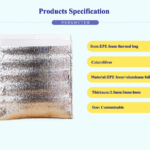
Reflective outer layers reduce radiant heat from sun or hot surfaces
If your product starts warm, a cover cannot “fix” it. Covers protect what you already prepared. Preconditioning always comes first.
Pallet thermal blanket vs insulated pallet cover
| Option | Typical build | Best use case | Practical benefit |
|---|---|---|---|
| Thermal blanket | Flexible quilt | Fast indoor staging | Quick deployment |
| Insulated pallet cover | Hood with closures | Cross-dock and outdoor use | Better sealing |
| Reflective insulated cover | Insulation + foil skin | Tarmac exposure | Less radiant heat |
Practical tips
Sun exposure: choose reflective outer layers
Cold air exposure: prioritize thicker insulation and tight closures
Labor pressure: select covers one person can install quickly
Real example: A seafood exporter improved arrival temperatures after switching from loose wraps to fitted insulated pallet covers with better base sealing.
How Do You Choose Insulated Pallet Covers for Your Temperature Range?
You should choose insulated pallet covers based on your worst-case exposure—not your average day.
Start with your product requirement (chilled, controlled room, or frozen), then identify where uncontrolled exposure happens: docks, ramps, customs holds, or last-mile transfers.
Simple decision tool
Outdoor exposure >45 minutes?
→ Choose fitted insulated pallet covers with strong sealingFrequent door openings?
→ Choose panel designs with access doorsHigh product sensitivity?
→ Use thicker insulation and temperature monitoring
| Decision factor | Low | High | What to choose |
|---|---|---|---|
| Outdoor exposure | Rare | Frequent | Reflective fitted cover |
| Handling speed | Moderate | Very fast | Simple closures |
| Temperature sensitivity | Moderate | High | Tight fit + thicker insulation |
Real example: A biologics shipper reduced failures after standardizing insulated pallet covers by pallet height and adding quick-fit closures.
How Long Can Insulated Pallet Covers Hold Temperature?
Insulated pallet covers do not “hold” temperature—they slow drift.
Actual protection time depends on four factors: pallet mass, starting temperature, ambient conditions, and sealing quality.
A heavy, well-sealed pallet changes temperature slower than a light pallet with gaps. Direct sun shortens protection dramatically.
What to measure in real operations
| Performance driver | What it affects | What to control | Your benefit |
|---|---|---|---|
| Pallet mass | Drift speed | Ship full pallets | More stability |
| Seal quality | Air exchange | Tight closures | Fewer spikes |
| Sun exposure | Radiant heating | Reflective covers | Lower peaks |
| Start temperature | Baseline safety | Preconditioning | Better pass rates |
Practical tips
Log edge temperatures, not only the core
Helpful decision tools
Check the details before you choose packaging
These quick tools can help you compare route risk, sizing needs, coolant choices, and packaging details before you request a quote.
01Route riskRoute Risk Checker
Review lane conditions before selecting packaging for real operating requirements.
Check route risk02Dry ice planningDry Ice Calculator
Estimate dry ice needs for frozen or ultra-cold shipments before packing.
Estimate dry ice03Ice pack estimateIce Pack Calculator
Estimate gel ice pack quantity for chilled shipments and practical route planning.
Estimate ice packsAdd shade plus reflective covers for outdoor staging
Fix preconditioning first, then tune the cover
Real example: A dairy shipper improved route consistency after tightening base sealing and logging edge temperatures.
Which Features Matter Most for Insulated Pallet Covers?
The best insulated pallet covers balance protection, durability, and ease of use.
If a cover is hard to use, teams skip it. If it tears easily, reuse fails. Small design details often determine real-world performance.
Must-have feature checklist
Tight closure system that stays sealed
Reinforced corners and seams
Water-resistant, easy-clean outer layer
Base skirt to reduce airflow
Label visibility to reduce early unwrapping
| Feature | Why it matters | What to look for | Practical benefit |
|---|---|---|---|
| Closures | Prevent airflow | Durable zippers or straps | Better stability |
| Base skirt | Seals bottom | Full pallet coverage | Less heat exchange |
| Reflective skin | Reduces sun impact | Foil outer layer | Lower summer risk |
| Handles | Prevent drops | Reinforced grab points | Longer lifespan |
Real example: A cross-dock reduced damage after switching to insulated pallet covers with reinforced handles and faster closures.
How Do Insulated Pallet Covers Support Food and Pharma Compliance?
Insulated pallet covers support compliance by reducing risk during gaps in active temperature control.
They do not replace validated packaging systems, but they help ensure staging and transfer steps do not break your plan.
For regulated shipments, consistency and documentation matter. Covers should be part of a defined SOP—not an optional accessory.
Simple SOP you can implement
Precondition pallets to target temperature
Apply insulated pallet covers immediately after wrapping
Seal the base to limit airflow
Record staging time and exposure
Inspect and clean covers after each use
Real example: A controlled-room-temperature shipper reduced deviation reports after adding insulated pallet covers and a simple staging-time rule.
2026 Latest Developments in Insulated Pallet Covers
In 2026, insulated pallet covers are treated as standard risk-control tools rather than emergency fixes.
Sustainability pressure is driving reusable designs, while operations demand faster installation and easier cleaning.
Latest progress
Longer-life reusable designs with reinforced seams
Improved reflective materials for ramp exposure
Closer pairing with temperature monitoring
Market expectations are rising. Customers now expect fewer deviations even during disruptions. Insulated pallet covers protect freight during the exact moments when cold chains are most fragile.
FAQ
Q1: Are insulated pallet covers worth it for short staging times?
Yes. Short delays are often unpredictable, and covers reduce edge temperature spikes during congestion.
Q2: Do insulated pallet covers replace refrigerated transport?
No. They reduce temperature drift during exposure but do not actively cool.
Q3: Which is better: pallet thermal blanket or fitted insulated pallet covers?
Blankets work for quick indoor staging. Fitted covers perform better outdoors and at cross-docks.
Q4: How do I improve hot-weather performance?
Use reflective covers, reduce sun exposure, and apply covers immediately after preconditioning.
Suggestion
Insulated pallet covers protect cold chain freight by slowing temperature drift during staging, cross-docking, and outdoor exposure.
They work best when pallets are preconditioned, covers are applied immediately, and base sealing is consistent. In 2026, the strongest results come from reusable designs, reflective protection, and simple SOPs teams can follow under pressure.
Next steps:
Map where temperature risk occurs in your lanes. Pilot insulated pallet covers on your highest-risk dock or transfer point. Log edge temperatures for two weeks and compare results. Small operational changes often deliver fast, measurable improvements.
About Tempk
At Tempk, we help cold chain teams protect palletized freight during the moments that matter most—staging, handoffs, and exposure. We focus on insulated pallet covers that install quickly, seal effectively, and withstand repeated reuse. Our approach emphasizes practical workflows, temperature stability, and easy-clean materials for food and pharma operations.
Next step: Share your pallet size, temperature range, and typical exposure time, and we will help you design a cover strategy you can test on your busiest lane.