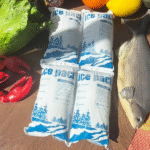
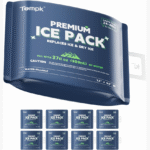
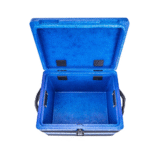
The global cold-chain industry is booming. By 2030 the market for temperature-controlled logistics is expected to reach about US$447.8 billion, driven by rising e-commerce grocery deliveries, vaccine distribution and demand for fresh foods. To meet these demands, refrigerated bag companies are innovating with advanced insulation, eco-friendly materials and smart sensors. This guide—updated in February 2026—shows you how a leading refrigerated bag company works and what you should look for when buying an insulated bag.
This article will answer your questions:
How does a leading refrigerated bag company keep items cold? Learn about insulation technology, bag construction and unique features (long-tail keyword: leading refrigerated bag company).
What role do IoT and predictive analytics play in cold-chain logistics? Understand real-time monitoring and AI route optimisation (long-tail keyword: IoT predictive analytics refrigerated bag logistics).
Why is sustainability now a core design principle? Explore biodegradable materials, recyclable liners and energy-efficient practices (long-tail keyword: sustainable refrigerated bag solutions).
What market trends will shape 2026 and beyond? Discover data on market growth, consumer behaviour and regulatory shifts (long-tail keyword: 2026 cold-chain trends).
What practical tips can you use today? Get advice on packing, maintenance and using your insulated bag in different scenarios.
What Makes a Leading Refrigerated Bag Company Stand Out?
Direct answer
A top refrigerated bag company combines high-performance insulation with user-friendly design and industry-specific expertise. Its bags mimic the multi-layer insulation found in professional thermal packaging—thick padded walls, durable exterior fabrics and secure closures—so groceries, medicines and meals stay cold during transit. Reinforced straps, internal pockets and customizable sizes make these bags convenient for daily use. Leading companies also provide cold-chain consulting and offer complementary products like gel packs and insulated liners.
Expanded explanation
Imagine you’re bringing ice cream home on a hot day. The bag’s job is to slow down heat transfer. Quality refrigerated bag companies use heavy-duty canvas or recycled polyester for the exterior and thick foam or phase-change materials inside. A secure zipper reduces warm air entry, similar to commercial delivery bags that preserve temperature for hours. Proper insulation can keep perishable foods under 60 °F for several hours even when ambient temperatures reach 100 °F. Leading manufacturers also test their bags to meet food-safety standards and supply chain regulations. Their design teams work with cold-chain experts to balance durability, weight and insulation performance, ensuring that the bags are not just stylish but functional for grocery runs, pharmaceuticals and last-mile delivery.
Insulated bag technology for last-mile delivery
When shipping vaccines or gourmet meals, last-mile delivery is critical. Modern refrigerated bags leverage features such as vacuum-insulated panels, reflective foils and modular inserts. The bags’ padded walls and secure closures help maintain cold temperatures for meats, ice cream and dairy. Many manufacturers also incorporate removable gel packs, internal pockets and adjustable dividers to separate frozen items from fragile produce. The table below summarises typical features of high-quality refrigerated bags compared with generic cooler bags.
| Feature | High-quality refrigerated bag | Generic cooler bag | Practical benefit |
|---|---|---|---|
| Insulation material | Multi-layer foam, reflective foil or vacuum panels | Basic foam or thin padding | Superior insulation retains cold for longer, reducing spoilage |
| Exterior fabric | Durable canvas, polyester or recycled textiles | Cheap vinyl or plastic | Resists tearing, improves longevity and supports eco-friendly branding |
| Closure system | Zipper or magnetic seal with overlapping flaps | Simple Velcro or drawstring | Prevents warm air ingress, improving temperature stability |
| Additional features | Reinforced straps, internal pockets, modular inserts | Limited extras | Hands-free carrying, organised packing and adaptable capacity |
| Capacity options | From 10-litre lunch totes to 30-litre grocery carriers | Often one-size | Allows you to choose the right size for daily meals, picnics or deliveries |
Practical tips and advice
Pre-chill your bag: Place an ice pack or frozen bottle inside for 10–15 minutes before loading groceries to create a cold base layer.
Pack strategically: Put frozen items at the bottom and surround them with cold foods; add gel packs or frozen veggies to extend cooling time.
Limit bag openings: Each time you open the bag, cold air escapes. Plan your packing to minimize searching.
Dry and ventilate: After use, wipe the bag dry and store it open to prevent moisture buildup and odour.
Real-world example: On a summer grocery trip, a shopper packed meats, ice cream and salad into a high-quality insulated bag. After a 45-minute drive, the internal temperature remained below 40 °F, and the reinforced straps made it comfortable to carry upstairs. The internal pocket kept keys secure, demonstrating how thoughtful design enhances everyday convenience.
How Do IoT and Predictive Analytics Enhance Refrigerated Bag Logistics?
Direct answer
IoT sensors and predictive analytics provide real-time visibility and proactive intervention in cold-chain operations. They measure temperature, humidity, vibration and location, sending continuous data to cloud platforms so operators can act before shipments spoil. Predictive algorithms analyse historical data to forecast equipment failures and optimise routes, reducing downtime and saving energy.
Expanded explanation
Cold-chain logistics spans manufacturing, warehousing, transport and last-mile delivery. Without precise monitoring, around 20 % of temperature-sensitive goods are damaged during transportation, contributing to roughly 40 % of global food waste. IoT solutions address these challenges by integrating devices like data loggers, wireless sensors, RFID tags and GPS trackers. These tools record environmental conditions and transmit data via Wi-Fi, cellular or LoRa networks. When temperatures deviate from the required range, alerts are triggered, enabling staff to reroute trucks or adjust cooling systems immediately.
Predictive analytics takes monitoring further. By analysing patterns in temperature fluctuations and equipment performance, operators can reduce unplanned downtime by up to 50 % and lower repair costs by 10–20 %. Predictive models also optimise energy usage—refrigeration accounts for about 70 % of energy consumption in cold storage facilities, and smart analytics can cut energy use by 10–30 %. Combined with IoT data, predictive analytics helps companies plan maintenance, avoid peak energy periods and make data-driven decisions.
Key IoT devices for refrigerated bags
| Device category | Key features | Real-world significance |
|---|---|---|
| Temperature & humidity loggers | Battery-powered devices record temperature/humidity over time; data accessed via USB, NFC or Bluetooth. | Provide historical compliance records; identify excursions but require connectivity for real-time alerts. |
| IoT wireless sensors | Install in refrigerated units; transmit real-time data via Wi-Fi, cellular or LoRaWAN. | Enable continuous monitoring and automated alerts, allowing quick response and predictive maintenance. |
| RFID temperature tags | Tags with embedded sensors send data as shipments pass checkpoints. | Streamline inventory management and reduce human error; require infrastructure and can be affected by metal or liquids. |
| GPS trackers | Combine location and temperature monitoring in transport containers. | Provide real-time visibility of shipment location and conditions, enhancing route optimisation and security. |
| BLE sensors | Low-power sensors transmit data to nearby devices; suitable for warehouses. | Cost-effective for local monitoring; limited range unless connected through gateways. |
| Smart refrigerated containers | Self-regulating units with built-in cooling and monitoring. | Ideal for long-distance shipping; expensive but highly reliable. |
Practical tips and advice
Start small: Use data loggers to build baseline temperature profiles before investing in more sophisticated sensors.
Integrate cloud platforms: Choose systems that collect data from sensors, RFID tags and GPS devices for comprehensive analytics.
Plan maintenance proactively: Use predictive analytics to schedule maintenance and replace equipment before failures occur.
Address connectivity gaps: Use multi-network devices (cellular, satellite, LoRaWAN) and store-and-forward gateways to avoid data loss.
Case example: A dairy company fitted IoT sensors in its refrigerated trucks. When a cooler malfunctioned on a long-distance route, the system sent an alert. Operators rerouted the truck to a nearby facility and transferred the cargo, preventing spoilage and saving thousands of dollars.
Why Is Sustainability Critical for a Refrigerated Bag Company in 2026?
Direct answer
Sustainability is now a central differentiator for refrigerated bag companies, driven by environmental regulations and consumer expectations. Companies are adopting recyclable materials, biodegradable liners and energy-efficient manufacturing to reduce carbon footprints and align with the circular economy. Sustainable designs not only minimize waste but also enhance brand reputation and customer loyalty.
Expanded explanation
Consumers are increasingly concerned about plastic pollution and climate change. In the insulated packaging sector, there is a strong shift towards eco-friendly materials such as plant-based fibres, biodegradable plastics and recyclable paper-based insulation. Traditional expanded polystyrene (EPS) and polyurethane foam are being replaced or supplemented with sustainable alternatives. For example, ProAmpac’s ProActive Recyclable FiberCool bag introduced in June 2024 is a curbside-recyclable insulated bag for food and grocery deliveries. Its one-piece design improves efficiency, reduces food waste and meets eco-friendly packaging demands.
Sustainability extends beyond materials. Cold-chain logistics consumes significant energy to maintain temperatures. Companies are investing in low-GWP refrigerants, solar-powered reefer containers and energy-efficient refrigeration systems. Sustainability initiatives also include carbon-footprint reduction, route optimisation and compliance with evolving food-safety standards. Even the storage temperature standard is being reconsidered: some cold-storage providers aim to shift from −18 °C to −15 °C, reducing energy use while maintaining food safety.
Sustainability features and their benefits
| Sustainability practice | Description | Benefit |
|---|---|---|
| Recycled and plant-based materials | Use of recycled polyester, hemp fibres or biodegradable plastics in bag exteriors and liners. | Reduces dependence on virgin plastics and lowers environmental impact; appeals to eco-conscious consumers. |
| Recyclable insulated liners | One-piece recyclable bag liners like FiberCool can be disposed of curbside. | Simplifies waste management, reduces landfill impact and improves brand reputation. |
| Energy-efficient manufacturing | Adoption of solar panels and energy-efficient machinery in production facilities. | Lowers operational costs and carbon emissions. |
| Lifecycle assessments | Evaluating environmental impact from raw materials to end-of-life and designing for recyclability. | Helps brands communicate transparency and meet regulatory requirements. |
| Partnerships for recycling | Collaborating with recycling firms or take-back programmes to recover used bags. | Supports circular economy and enhances customer engagement. |
Practical tips and advice
Choose recycled products: Look for bags made from recycled fabrics or plant-based materials; check for certifications like GRS (Global Recycled Standard).
Reuse and repurpose: Extend the life of your insulated bags by using them for groceries, picnics and travel. When it’s time to replace, donate or recycle according to manufacturer instructions.
Support brands with transparent sustainability practices: Explore companies that publish environmental performance and invest in eco-friendly innovation. For example, some brands are experimenting with compostable insulation to further reduce waste.
Be mindful of disposal: If your bag has a recyclable liner, follow local curbside recycling guidelines. Avoid contaminating recycling streams by cleaning the liner before disposal.
Insight: In the cooler bags market, sustainability is more than a trend—it is a basic requirement. Consumers increasingly seek reusable alternatives and expect products to be made from recycled or environmentally friendly materials. Brands that fail to adopt sustainable practices risk losing market share and credibility.
Helpful decision tools
Check the details before you choose packaging
These quick tools can help you compare route risk, sizing needs, coolant choices, and packaging details before you request a quote.
Route Risk Checker
Review lane conditions before selecting packaging for real operating requirements.
Check route riskBox Liner & Pallet Cover Sizing
Check box liner and pallet cover sizing logic for insulated packaging projects.
Estimate sizingCoolant & PCM Reference
Compare coolant and PCM options when a route needs added temperature support.
Compare optionsWhat Market Trends Will Shape Refrigerated Bag Companies in 2026 and Beyond?
Market overview and key data
The global cold-chain market is growing rapidly. By 2030 the market is projected to reach around US$447.8 billion, up from US$312.4 billion in 2024, with a CAGR of 6.2 %. Rising adoption of e-commerce grocery delivery and demand for temperature-sensitive pharmaceuticals drive this expansion. The North America cold-chain market alone was valued at US$152.55 billion in 2025 and is expected to grow to US$758.74 billion by 2035 at a CAGR of 17.4 %. Within this market, the storage segment dominated with a 61.7 % share in 2025, while monitoring components are forecast to grow at nearly 20 % annually.
Technology, demand and sustainability trends
Digitisation of the cold chain: IoT sensors, blockchain and AI are revolutionising logistics. Real-time monitoring and predictive analytics provide supply-chain visibility and help mitigate risks. Blockchain ensures traceability and tamper-proof records, while AI optimises routes and inventory. According to Tempk’s research, advanced cold-chain IoT solutions can reduce unplanned downtime by 50 % and cut energy use by 10–30 %.
Rising demand for temperature-sensitive products: Pharmaceuticals, biologics and fresh foods require strict temperature control. Consumers expect fresh and organic foods delivered quickly, and the pandemic accelerated direct-to-consumer models. This trend pushes refrigerated bag companies to offer high-performance insulation and small-format mobile containers for last-mile delivery.
Sustainable and eco-friendly packaging: Demand for biodegradable, recyclable and reusable materials is increasing. Cooler bag manufacturers are using recycled fabrics and eco-friendly foams and emphasising energy-efficient production. Products like FiberCool illustrate how sustainable design can still deliver high performance.
Non-seasonal lifestyle use: Cooler bags are evolving from niche, seasonal items to everyday accessories. Consumers use them for office lunches, grocery shopping and outdoor activities. Fabric cooler bags generated about US$1.4 billion in revenue in 2025, dominating the material segment. Compact bags under 10 litres accounted for roughly 35 % of the global cooler bags market share in 2025. Future growth will come from design innovation, modular features and multi-purpose functionality.
Regulatory and safety standards: New food-safety certifications like BRC and SQF require advanced temperature control and traceability. Cold-chain operators must comply with regulations such as FSMA (Food Safety Modernization Act) and 21 CFR Parts 203/211, which mandate strict handling of pharmaceuticals. Companies that invest in compliance and certification gain a competitive edge.
Energy-efficiency and carbon reduction: With refrigeration representing about 70 % of energy use in cold storage facilities, companies are adopting low-GWP refrigerants, solar-powered reefer units and optimised route planning. Even slight shifts—such as reducing storage temperature from −18 °C to −15 °C—could save significant energy.
Latest progress at a glance
Recyclable insulated bags: Companies launched recyclable insulated bags like FiberCool, offering curbside recycling and better thermal retention.
Direct-to-consumer meal kits: Food distributors expanded into direct-to-consumer meal kits, leveraging temperature-controlled delivery to bring restaurant-quality meals home.
Smart sensors & blockchain: Firms implemented IoT sensors and blockchain for traceability, enabling real-time monitoring and tamper-proof records.
Sustainability certifications: More cold-chain facilities are built to meet stringent BRC and SQF standards, integrating energy-efficient technologies.
Investment in monitoring components: In North America, the monitoring segment is projected to grow at a CAGR of 19.9 %, reflecting the importance of IoT and predictive analytics.
Market insights
The cooler bags sector is becoming lifestyle-oriented. Major brands like Igloo, Coleman, YETI, Engel and Thermos collectively held about 35 % of the cooler bags market in 2025. The future market will be non-seasonal, serving both personal and commercial use; growth will come from consumers transporting meals, groceries and prepared foods. Competition will focus on design, durability and sustainability credentials rather than basic insulation. Fabric bags dominate due to versatility and cost-effectiveness, with revenue of around US$1.4 billion in 2025. Below-10-litre capacity bags—ideal for daily lunches and office commutes—represent about 35 % of the market share.
Frequently Asked Questions
1. What’s the difference between a refrigerated bag and a cooler bag?
A refrigerated bag is a high-performance insulated bag designed for cold-chain logistics. It uses multi-layer insulation and secure closures similar to commercial packaging to keep groceries or medicines cold for hours. A standard cooler bag may use thinner insulation and is intended for casual use like picnics. For last-mile delivery or pharmaceuticals, choose a bag with thicker insulation, data-logger pockets and a robust seal.
2. How long can a refrigerated bag keep items cold?
With proper pre-chilling and packing, high-quality bags can maintain temperatures below 40 °F for several hours. The exact duration depends on insulation thickness, ambient temperature and whether you include gel packs. For extended trips, choose bags with vacuum panels or phase-change materials and add ice packs.
3. Are reusable insulated bags environmentally friendly?
Reusable insulated bags reduce single-use plastics and can last for years. Brands are increasingly using recycled fabrics, plant-based insulation and recyclable liners. Look for certifications and follow disposal instructions to maximise sustainability.
4. Do I need IoT sensors in my refrigerated bag?
For everyday grocery trips, you may not need sensors. But businesses transporting vaccines or frozen meals benefit from IoT sensors that provide real-time data, alerts and compliance records. Small businesses can start with data loggers and scale up to wireless sensors and cloud platforms.
5. How do predictive analytics reduce food waste?
Predictive analytics analyses historical data to detect patterns indicating equipment failures or temperature deviations. By forecasting potential issues, companies can intervene before shipments spoil, cutting unplanned downtime by up to 50 % and reducing energy use by 10–30 %. This proactive approach prevents food waste and saves money.
Summary and Recommendations
Key takeaways
Market growth and opportunity: The cold-chain market is growing rapidly, with the global market expected to reach US$447.8 billion by 2030. North America alone could exceed US$758 billion by 2035. This expansion is driven by e-commerce groceries, pharma distribution and consumer demand for fresh foods.
Technology and innovation: IoT sensors, blockchain and predictive analytics are revolutionising cold-chain logistics. They reduce waste, lower energy use and provide real-time visibility.
Sustainability matters: Consumers expect eco-friendly, reusable and recyclable insulated bags. Innovations like recyclable FiberCool bags show that sustainable design can meet performance demands.
Lifestyle integration: Cooler bags are moving beyond seasonal use. Fabric bags dominated the market with US$1.4 billion in revenue in 2025, and compact bags under 10 litres accounted for 35 % of market share. Design, durability and multi-functionality are key differentiators.
Regulatory compliance: Evolving food safety and pharmaceutical regulations demand robust temperature control and traceability. Businesses must invest in certified equipment and best practices to stay competitive.
Actionable recommendations
Invest in quality: Choose refrigerated bags with multi-layer insulation, durable materials and secure closures. Look for bags tested against industry standards and consider features like modular inserts and reinforced straps.
Adopt IoT gradually: Start with basic temperature loggers and upgrade to wireless sensors and cloud platforms as your needs grow. Integrate predictive analytics to optimise maintenance and energy use.
Prioritise sustainability: Select products made from recycled fabrics or biodegradable materials. Support brands that offer recyclable liners and transparent environmental reporting.
Stay informed on trends: Follow industry developments such as new refrigerants, blockchain traceability and standards like SQF/BRC. Align your strategy with emerging regulations and market demands.
Educate your team and customers: Provide training on proper packing, pre-chilling and maintenance. Offer guidance on recycling and reuse to maximise product lifespan and reduce waste.
About Tempk
Tempk is a leading refrigerated bag company specialising in cold-chain packaging solutions for food and pharmaceuticals. We design insulated bags, liners and ice packs that leverage proprietary multi-layer insulation and durable, eco-friendly materials, ensuring that your products stay within safe temperature ranges during transit. Our R&D centre continuously tests new materials—such as recyclable fiber-based insulation and phase-change gels—to improve performance and sustainability. We also provide cold-chain consulting, IoT monitoring systems and customised packaging for diverse industries. Our mission is to help you deliver freshness, reduce waste and meet stringent regulatory requirements.
Interested in optimising your cold-chain operations? Reach out to our experts for a free consultation, or explore our range of insulated bags and IoT solutions to find the right fit for your business.