


For fresh produce
Use insulated liners or thermal bags with conditioned gel packs when the goal is freshness protection without freezing injury. See fruits and vegetables cold chain solutions.
For food brands, fresh-food platforms, seafood exporters, grocery delivery teams and frozen food suppliers, the goal is simple: protect product quality from packing to delivery. Tempk helps build food delivery packouts with insulated liners, thermal bags, cooler boxes, gel ice packs, ice bricks, dry-ice-style packs and pallet-level protection.
Packaging choice starts with the shipment. A food delivery cold chain packout should match food sensitivity, target condition, payload size, route duration, ambient exposure and handling risk. Fresh produce usually needs gentle chilled protection, meat and seafood need leak-resistant chilled or frozen packouts, and ice cream needs colder packouts confirmed by route testing.
Use insulated liners or thermal bags with conditioned gel packs when the goal is freshness protection without freezing injury. See fruits and vegetables cold chain solutions.
Use leak-resistant insulated packaging, absorbent material and chilled or frozen cooling media based on the required arrival state. See seafood cold chain packaging solutions.
Use stronger insulation and colder cooling media, then confirm the packout with a route test before bulk procurement. See frozen foods cold chain packaging solutions.
| Food type | Main risk | Recommended packout direction | Buyer decision point |
|---|---|---|---|
| Fresh produce | Heat exposure, condensation, pressure damage or freezing injury. | Insulated liner or thermal bag with gentle chilled packs around the payload. | Confirm route season, ventilation, carton strength and whether the produce is sensitive to freezing. |
| Meat and steak | Thawing, leakage and unstable handling during delivery. | Cooler box or insulated carton with gel packs, ice bricks or colder media for frozen targets. | Decide whether the shipment must arrive chilled, partially frozen or frozen. |
| Seafood | Moisture, odor, leakage and rapid quality loss. | Leak-resistant insulated packaging with absorbent material and strong cold retention. | Review sealing, stacking pressure, outer carton strength and airport or export handling. |
| Chocolate and bakery | Softening, bloom, crushing or excessive cooling shock. | Insulated mailer, thermal bag or liner with controlled coolant placement. | Check warm-season exposure and keep coolant away from direct product contact when needed. |
| Meal kits and grocery | Mixed temperature needs across ingredients in the same order. | Compartment-style packout with gel packs and separation between chilled and ambient items. | Separate food groups by temperature requirement and payload geometry. |
| Ice cream | Softening and temperature fluctuation during last-mile delay. | High-insulation box with colder coolant options or dry-ice-style packs. | Run a sample route test for hot lanes, long transit windows or premium products. |
Tempk recommends choosing food delivery packaging by product failure mode first, then by route time, target temperature and coolant quantity.
A generic insulated box is not enough when the shipment includes frozen food, seafood, chocolate, ice cream or mixed-temperature grocery items.
For bulk food delivery packaging orders, a sample test should confirm insulation level, coolant weight and seasonal route suitability before procurement.
These cases keep the original page’s solution evidence at the center. They show how Tempk approaches food delivery packaging by product type, temperature target and practical transit window.
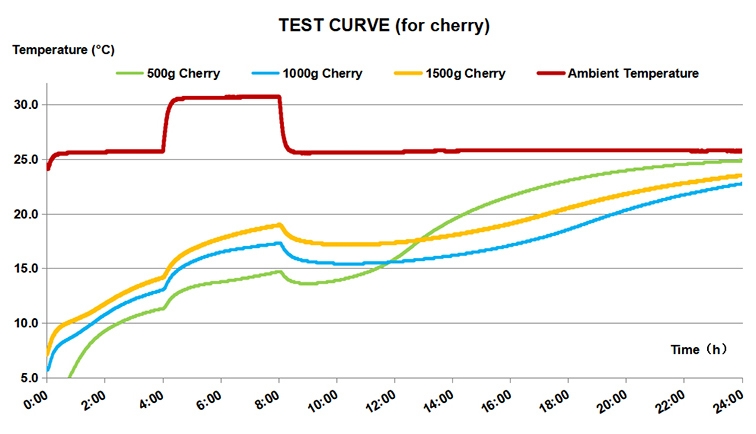
Designed for spring and autumn delivery conditions where fresh produce needs short-term cooling without freezing injury.
What to plan for: ventilation, condensation control, product pressure, carton strength and gentle cooling around the payload.
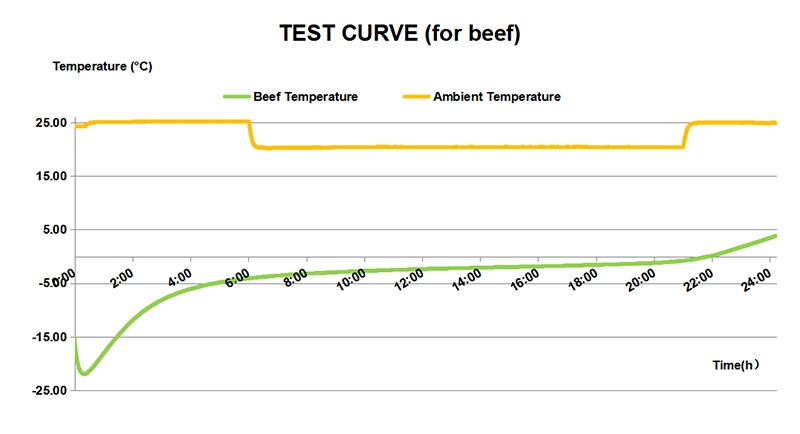
Designed for frozen steak and meat delivery where cold retention, leakage prevention and stable handling are critical.
What to plan for: double bagging, absorbent material, coolant placement, strong outer cartons and whether the target is chilled or frozen.
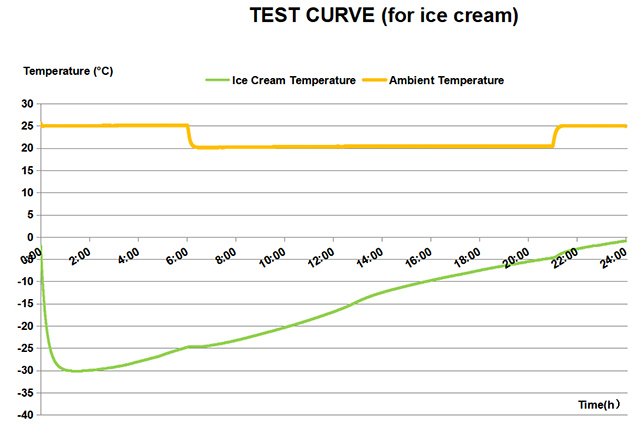
Designed for short-term ice cream delivery where the product is sensitive to temperature fluctuation and softening.
What to plan for: colder coolant options, stronger insulation, dry ice or dry-ice-style packs, and route-specific testing for longer or hotter lanes.
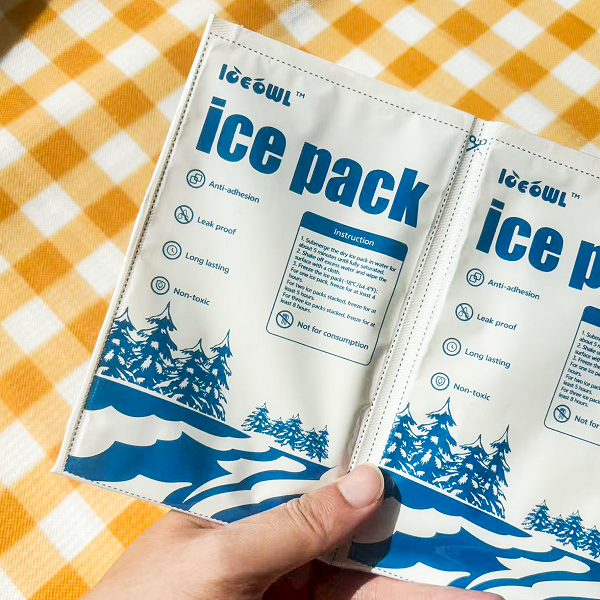
Food delivery packaging has to solve a practical problem: the product must arrive in acceptable condition even when packing time, local delivery, warehouse staging or outdoor temperature creates risk.
Tempk supports food delivery packouts for fresh produce, meat, seafood, frozen food, bakery products, dairy, ready meals, chocolate, ice cream and online grocery delivery.
For food delivery projects, the solution is usually a combination of insulation, cooling media and handling protection. The right combination depends on product sensitivity, route time and expected ambient exposure.
Use insulated box liners, thermal bags, cooler boxes or carton-based insulation to reduce heat gain and support stable delivery conditions.
View thermal bags and linersUse gel ice packs for chilled delivery, ice bricks for structured cooling, water injection packs for high-volume projects, or dry-ice-style packs for colder routes.
View ice pack optionsAdd leak protection, product separation, absorbent material, outer cartons or pallet covers when the route includes moisture, stacking, warehouse staging or air-cargo handling.
View pallet coversDifferent foods fail in different ways: melting, thawing, leaking, softening, drying, pressure damage or freezing injury. That is why the solution should start with the product category.
The goal is not to sell one generic box. The goal is to build a packout that fits your food type, transit time and bulk supply plan.
Define the product type, target temperature, payload size and whether the product must stay chilled, frozen or protected from heat.
Compare insulated liners, thermal bags, cooler boxes, gel packs, ice bricks, dry-ice-style packs and pallet covers. Narrow the options with the packaging selector.
Review transit time, outdoor temperature, warehouse staging, last-mile exposure and handling risk before sample testing. See cold chain tools for route risk and coolant references.
Use test feedback to confirm the packout, carton size, coolant quantity, branding needs and purchase volume.
Even simple information is enough for a first comparison. If the route is complex, Tempk can help review sample testing before bulk procurement.
No. Fresh produce, meat, seafood, frozen food, chocolate and ice cream have different temperature and handling risks. The packout should be selected by product sensitivity, route and payload.
Gel packs are commonly used for chilled or refrigerated routes. Dry ice or dry-ice-style cooling is more suitable when the product must remain frozen or very cold, subject to handling and shipping rules.
Yes. Tempk can support custom sizes, cooling media combinations, insulated liners, thermal bags, cooler boxes, printing and bulk order planning. See custom cold chain packaging.
Testing is recommended for seasonal routes, high-value food, export delivery or large purchase plans. A sample test helps confirm coolant quantity, insulation level and route suitability.
Choose a thermal bag for local delivery and reusable operations, an insulated liner for carton-based parcel shipments, and a cooler box when the payload needs stronger insulation, stacking strength or longer cold retention.
Tempk needs the food type, payload size, target temperature, transit hours, route or market, season, packaging format, coolant preference and expected order volume.
Share your food type, target temperature, payload, route, transit time and purchase plan. Tempk can help compare insulated liners, thermal bags, cooler boxes, gel packs, ice bricks, dry-ice-style packs and pallet protection before sample or bulk procurement.
Contact Tempk