


Plastic Insulation Boxes
Plastic Insulation Boxes
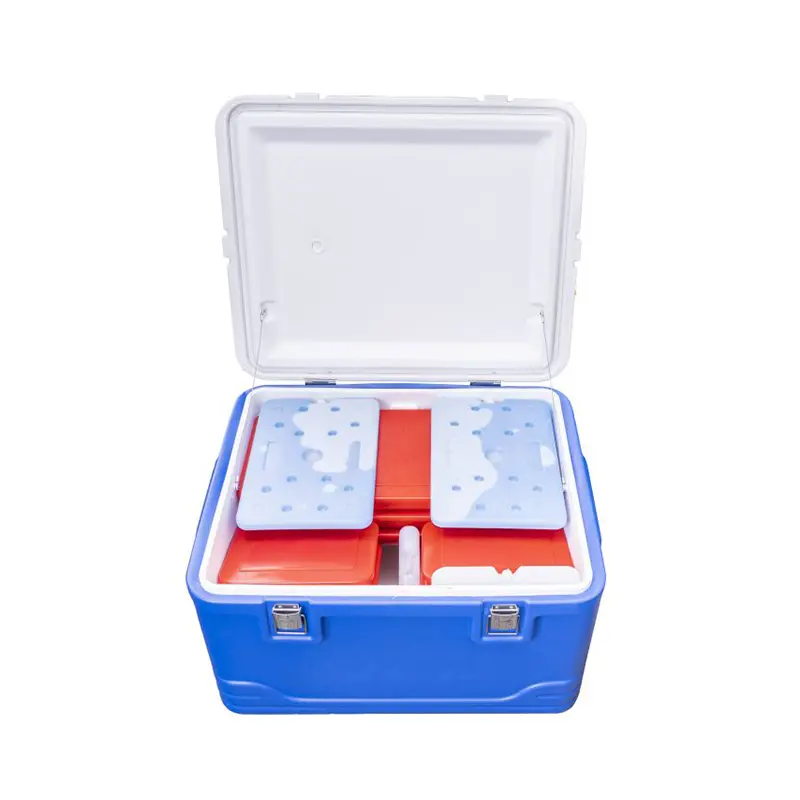
Plastic Insulation Box: Efficient and Durable Cold Chain Logistics Solutions | Huizhou Industrial Co., Ltd.
In cold chain logistics and temperature-sensitive product transport, the plastic insulation box serves as a critical component. Huizhou Industrial Co., Ltd.’s plastic insulation boxes use premium plastic materials and advanced insulation technology, offering robust, long-lasting performance to maintain stable internal temperatures over extended periods. Whether it’s food, pharmaceuticals, or any other items requiring strict temperature control, these plastic insulation boxes deliver outstanding support for both transportation and storage.
Product Highlights
- Superior Insulation Performance
- The perfect blend of high-quality plastics and insulating layers effectively blocks external temperature changes, keeping contents at a consistent internal temperature.
- Sturdy and Durable
- Made from durable plastic materials that resist impacts and compression, these boxes stand up to repeated use, helping you reduce costs through multiple reuse cycles.
- Versatile Applications
- Ideal for transporting foods, pharmaceuticals, and chemical items, providing reliable cold chain management across various industries.
- Easy Operation
- User-friendly design ensures quick carrying, stacking, and cleaning, plus rapid pre-cooling or pre-heating to enhance overall efficiency.
Usage Instructions
- Select the Appropriate Size
- Choose a box size based on the volume and quantity of items to be transported or stored, ensuring an orderly arrangement and optimal insulation.
- Pre-Condition the Box
- If needed, pre-cool or pre-heat the box to the target temperature for improved insulation efficiency.
- Load Items
- Evenly arrange the contents inside. To enhance temperature control, consider using ice packs, dry ice, or other supportive insulation materials.
- Seal the Box
- After closing the lid, secure it with tape or other sealing mechanisms to prevent heat loss and protect against external contaminants.
- Transport or Store
- Once sealed, the plastic insulation box is ready for long-distance shipments or warehousing. For best results, avoid direct sunlight or extreme temperature environments.
Precautions
- Avoid Sharp Objects
- Keep sharp or pointed items away from the box to prevent punctures or tears that could compromise insulation performance.
- Ensure Proper Sealing
- Before transport or storage, double-check that the lid is firmly closed to maintain a stable internal temperature and prevent contaminants from entering.
- Suitable Storage Conditions
- When not in use, store the plastic insulation boxes in a cool, dry area to preserve their structural integrity and insulating properties.
- Correct Cleaning Method
- For stains or spills, use warm water and mild detergent to gently wash the box. Avoid harsh chemicals or abrasive brushes to protect the insulation layer.
Why Choose Huizhou Industrial Co., Ltd.’s Plastic Insulation Boxes?
- Outstanding Thermal Performance: Keeps food, pharmaceuticals, and other sensitive products secure throughout cold chain logistics.
- High-Quality Materials: Durable plastic construction combines longevity with efficient insulation.
- Flexible and Multi-Purpose: Meets the needs of various industries, facilitating safe and efficient deliveries.
- Professional Support: Backed by years of experience in cold chain packaging, offering comprehensive after-sales service and technical guidance.
Huizhou Industrial Co., Ltd. is dedicated to providing high-standard plastic insulation box products to keep your goods at the optimal temperature—from start to finish. Choose our plastic insulation boxes to ensure consistent transport efficiency and product quality, giving your customers peace of mind every step of the way.
Pallet Covers
Pallet Covers: A Reliable Cold Chain Logistics Insulation Solution | Huizhou Industrial Co., Ltd.
In cold chain logistics, pallet covers play a crucial role in maintaining stable temperatures for palletized goods during transportation and storage. Designed to protect temperature-sensitive products—like food, pharmaceuticals, and chemicals—these covers are crafted from high-quality insulation materials to ensure optimal performance. Huizhou Industrial Co., Ltd.’s pallet covers balance durability and ease of use, effectively helping you safeguard product quality.
Key Features
- High-Efficiency Insulation
- Made from premium insulating materials to effectively reduce temperature fluctuations and maintain a consistent internal environment.
- Wide-Ranging Applications
- Suitable for various industries including food, pharmaceuticals, and chemicals, optimizing temperature control in transport and warehousing.
- Sturdy and Durable
- Engineered for repeated use, meeting the demands of daily logistics operations and reducing overall costs.
- Easy to Use
- Quick to position over goods, with secure fastening systems to keep the cover firmly in place throughout transit.
Usage Instructions
- Choose the Appropriate Size
- Select a pallet cover that corresponds to the pallet’s dimensions and the height of stacked items, ensuring full coverage and maximum insulation.
- Pre-Condition the Cover
- For enhanced performance, pre-cool or pre-heat the cover to the target temperature before use.
- Cover the Pallet
- Place the cover over the loaded pallet, making sure it fits snugly and leaves minimal gaps for better insulation.
- Secure the Cover
- Use straps, ties, or other securing mechanisms to keep the cover from shifting during transport.
- Transport or Store
- With the cover properly fitted, transport or store the pallet in a suitable environment. Avoid direct sunlight or extreme temperatures for the best insulation results.
Precautions
- Avoid Sharp Objects
- Keep the cover away from sharp tools or edges to prevent punctures or tears that reduce its insulation effectiveness.
- Ensure a Proper Fit
- A tight seal maximizes temperature control and shields goods from external temperature fluctuations.
- Suitable Storage Environment
- When not in use, store the covers in a cool, dry place to maintain their structural integrity and thermal properties.
- Cleaning Instructions
- If dirty, clean with mild detergent and water. Avoid harsh chemicals or abrasive brushes that might damage the insulation material.
Why Choose Huizhou Industrial Co., Ltd.’s Pallet Covers?
- Extensive expertise in cold chain transport packaging solutions.
- Exceptional insulation performance and durability for temperature-sensitive scenarios.
- Meets rigorous industry standards for food, pharmaceutical, and chemical applications.
- Supports businesses in reducing waste and preserving product quality throughout the cold chain.
At Huizhou Industrial Co., Ltd., we are committed to delivering top-tier cold chain transport and storage solutions, ensuring your goods remain at optimal temperatures every step of the way. By choosing our pallet covers, you secure consistent quality and extend the shelf life of your products.
Food Delivery Insulation Bags

Food Delivery Insulation Bags: Keep Your Meals Fresh and Hot | Huizhou Industrial Co., Ltd.
Specially designed for the food delivery industry, Huizhou Industrial Co., Ltd.’s food delivery insulation bags ensure that meals arrive piping hot and fresh. Crafted from premium waterproof fabric and featuring advanced insulation technology, these bags offer durable, reliable, and efficient transport protection for everyday delivery services—giving you a competitive edge in a fast-paced market.
Product Highlights
- Superior Insulation Performance
Utilizes high-efficiency insulating materials to minimize heat loss, keeping takeout meals warm throughout transit. - Durable, Waterproof Material
Features a rugged, waterproof outer layer that withstands daily wear and tear, as well as exposure to various weather conditions. - Convenient Sealing Design
Equipped with either zipper or Velcro closures, offering a secure seal that’s easy to open and close—protecting both temperature and hygiene. - Multiple Sizes Available
Offers a range of sizes to suit different meal types and quantities, ensuring optimal space usage and insulation efficiency.
Usage Instructions
- Choose the Right Size
Select an appropriately sized bag based on the volume and type of food to be delivered, maximizing space utilization and insulation. - Load the Items
Place food containers neatly inside, ensuring each container is securely sealed and arranged to prevent shifting or tipping during transit. - Seal the Bag
Fully close the zipper or Velcro closure. Eliminate any gaps to minimize heat loss and shield meals from external contaminants. - Transport and Placement
Keep the bag upright in your delivery box or vehicle. Avoid extreme shaking or tipping, and protect the bag from harsh weather for the best performance.
Precautions
- Avoid Overfilling
Do not overload the bag to prevent damage to both the food and the insulation materials. - Ensure a Tight Seal
Confirm the closure is fully secured before transport to maintain the required temperature and prevent contamination. - Regular Cleaning
Wipe the bag’s surface with a damp cloth to remove spills or stains. Refrain from using harsh chemicals or machine washing, which may damage the insulation layer. - Proper Storage
When not in use, store the bag in a cool, dry place to preserve its durability and insulation properties.
Why Choose Huizhou Industrial Co., Ltd.?
Our food delivery insulation bags excel in thermal performance and toughness, making them an ideal choice for food delivery services and cold chain logistics. We are committed to delivering safe, efficient packaging solutions that keep meals at their best until they reach the customer. Choose Huizhou Industrial Co., Ltd. to stand out in the competitive delivery market and win customer satisfaction every time.
Non-Woven Insulation Bags

Product Description
Huizhou Industrial Co., Ltd.’s non-woven insulation bags are crafted from high-quality non-woven fabric, celebrated for its lightweight, durable, and eco-friendly attributes. Engineered with advanced thermal insulation materials, these bags help maintain a consistent internal temperature, making them ideal for transporting temperature-sensitive items such as food, pharmaceuticals, and more. They offer an exceptional balance between insulation performance and environmental sustainability, ensuring that your products remain in prime condition during transit and storage.
Usage Instructions
- Select the Appropriate Size
- Pick a bag size that accommodates the volume and dimensions of your items to ensure maximum insulation efficiency.
- Load Items Carefully
- Place items evenly inside the bag without overfilling, maintaining an optimal insulation environment.
- Seal the Bag
- Use the integrated zipper or Velcro closure to seal the bag completely, avoiding gaps that could cause temperature fluctuations.
- Transport or Store
- Once sealed, the bag is ready to transport or store items at a stable temperature. Keep it away from direct sunlight and extreme heat for best results.
Precautions
- Protect from Sharp Objects
- Prevent punctures or tears by avoiding contact with sharp objects.
- Proper Sealing
- Ensure the closure is secure to preserve insulation and safeguard contents against external temperature shifts.
- Optimal Storage Conditions
- Store the bag in a cool, dry place when not in use. This helps prolong its lifespan and maintain insulation efficiency.
- Cleaning
- Wipe gently with a damp cloth when needed. Avoid harsh chemicals or machine washing to prevent damage to the insulation layer.
Why Choose Huizhou Industrial Co., Ltd.’s Non-Woven Insulation Bags?
- Superior Insulation: Advanced materials keep items at stable temperatures.
- Eco-Friendly: The non-woven fabric is both durable and environmentally responsible.
- Reliable Cold Chain Solutions: Designed for efficient cold chain transportation, ensuring products remain fresh and protected.
By choosing these non-woven insulation bags, you’re selecting a high-quality, sustainable solution for cold chain packaging and temperature-sensitive shipments.
Instructions for Using Water-Filled Ice Packs

Product Introduction:
Water-filled ice packs are commonly used tools for cold chain transportation, widely applicable for items that require refrigeration during transport such as food, pharmaceuticals, and biological samples. The inner bag of the water-filled ice pack is made of high-density material, while the outer layer is made of durable plastic, providing excellent sealing and pressure resistance. By filling with water and freezing, water-filled ice packs can effectively maintain a low-temperature environment for transported items.
Usage Steps:
1. Preparation for Filling:
– Place the water-filled ice pack on a clean surface and locate the water inlet at the top of the ice pack.
– Use clean tap water or distilled water to carefully fill the ice pack through the inlet. It is recommended to fill the ice pack to 80%-90% capacity to avoid overfilling, which could cause the ice pack to burst when frozen.
2. Sealing the Water Inlet:
– After filling, ensure the sealing strip or cap of the water inlet is fully closed to prevent any leakage.
– Gently squeeze the ice pack to check for any leakage. If there is leakage, readjust the sealing strip or cap until it is completely sealed.
3. Pre-cooling Treatment:
– Place the sealed water-filled ice pack flat in the freezer, set at -20℃ or below.
– Freeze the ice pack for at least 12 hours to ensure the water inside is completely frozen.
4. Preparing the Transport Container:
– Choose a suitable insulated container, such as a VIP insulated box, EPS insulated box, or EPP insulated box, and ensure that the container is clean both inside and out.
– Check the seal of the insulated container to ensure it can maintain a consistent low-temperature environment during transport.
5. Loading the Ice Pack:
– Remove the pre-cooled water-filled ice pack from the freezer and quickly place it into the insulated container.
– Depending on the number of items to be refrigerated and the transport duration, arrange the ice packs appropriately. It is generally recommended to distribute the ice packs evenly around the container for comprehensive cooling.
6. Loading Refrigerated Items:
– Place the items that need to be refrigerated, such as food, pharmaceuticals, or biological samples, into the insulated container.
– Use separation layers or cushioning materials (such as foam or sponges) to keep the items from directly contacting the ice packs to prevent frostbite.
7. Sealing the Insulated Container:
– Close the lid of the insulated container and ensure it is sealed properly. For long-duration transport, use tape or other sealing materials to further reinforce the seal.
8. Transport and Storage:
– Move the insulated container with the water-filled ice packs and refrigerated items onto the transport vehicle, avoiding exposure to sunlight or high temperatures.
– Minimize the frequency of opening the container during transport to maintain internal temperature stability.
– Upon arrival at the destination, promptly transfer the refrigerated items to an appropriate storage environment (such as a refrigerator or freezer).
Precautions:
– After using the water-filled ice pack, check for any damage or leakage to ensure it can be reused.
– Avoid repeated freezing and thawing to maintain the ice pack’s cold retention effectiveness.
– Dispose of damaged ice packs properly to prevent environmental contamination.
How To Use Thermal Insulation Bags

Insulated bags are a lightweight option that can be used to maintain the temperature of food and beverages during short trips, shopping, or daily carrying. These bags use thermal insulation to slow down heat loss or absorption, helping to keep the contents hot or cold. Here are some ways to use insulated bags effectively:
Yatsen Holding’s Q3 Revenue Declines by 16.3% YoY to 718.1 Million Yuan

Yatsen E-commerce has released its financial report for the third quarter ending September 30, 2023. The company reported total net revenue of RMB 718.1 million, marking a year-on-year decrease of 16.3%. Despite the decline in revenue, Yatsen’s net loss was reduced by 6.1% year-on-year to RMB 197.9 million. On a non-GAAP basis, however, the net loss expanded by 3.0% year-on-year to RMB 130.2 million. Gross profit for the quarter was RMB 512.8 million, down 13.3% year-on-year, with a gross margin of 71.4%, compared to 68.9% in the same period in 2022.
Total operating expenses for Yatsen stood at RMB 744.3 million, a 13.1% decrease year-on-year. Fulfillment expenses were reduced to RMB 56 million from RMB 63.8 million in the same period in 2022. Sales and marketing expenses also saw a reduction, dropping to RMB 511.7 million from RMB 564.8 million. General and administrative expenses decreased to RMB 151.8 million, while R&D expenses declined to RMB 24.7 million. The operating loss narrowed by 12.9% to RMB 231.5 million, though on a non-GAAP basis, it expanded by 1.2% to RMB 164.6 million.
Yatsen E-commerce’s founder, Chairman, and CEO, Huang Jinfeng, stated: “In the third quarter, the company’s three major skincare brands experienced steady growth. Meanwhile, Yatsen’s flagship brand, Perfect Diary, continued to enhance its brand strength through a new visual identity and the launch of major new products. We are optimistic about the future, and according to the company’s Q4 performance guidance, total revenue is expected to grow year-on-year.”
Founded in 2016, Guangzhou Yatsen E-commerce Co., Ltd. was recognized as a “Unicorn” innovative enterprise in Guangzhou in 2019, making it the city’s only e-commerce unicorn at the time.
Other Listed Digital Retail Companies in China
- Comprehensive E-commerce: Alibaba, JD.com, Pinduoduo, Vipshop, Suning.com, GOME Retail, All Things New, Secoo, Yunji.
- Live-streaming E-commerce: Kuaishou, Yaowang Technology, Mogu, Oriental Selection, Jiao Ge Peng You.
- Fresh Food E-commerce: Dingdong Maicai, Missfresh, Pagoda.
- Auto E-commerce: Tuanche, Uxin.
- Shopping Guide E-commerce: SMZDM (What Worth Buying), Fanli.com.
- Installment E-commerce: Qudian, Lexin.
- Retail E-commerce Service Providers: Youzan, Weimob, Yueshang Group, Guangyun Technology, Baozun E-commerce, Youquhui, Lovely Beauty Makeup, Ruoyuchen, Qingmu Holdings.
- Vertical E-commerce: Babytree Group, Kutesmart, Wunong Net, Boqii Pet.
- Brand E-commerce: Xiaomi Group, Bear Electric Appliances, Bestore, Three Squirrels, Yujiahui, Yatsen E-commerce, Rongmei Holdings, Nanjiren E-commerce.
By focusing on strategic brand development and enhancing its market presence, Yatsen aims to navigate the challenges in the competitive e-commerce landscape.
Changfu Dairy Recognized as “Dairy Industry Full-Chain Standardization Pilot Base” at Beijing Symposium
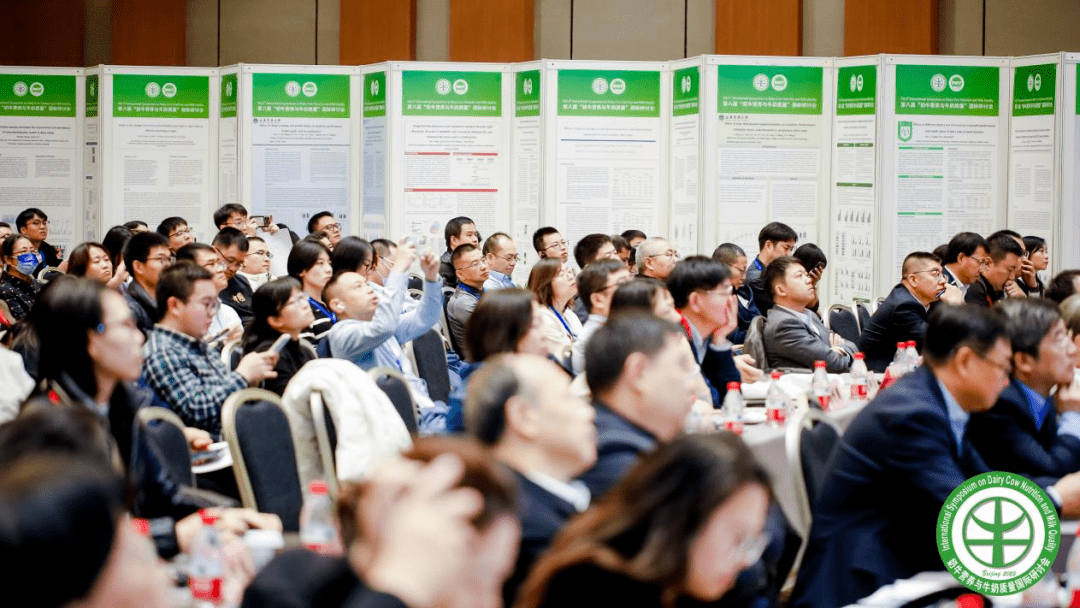
Changfu Dairy has successfully “taken the exam in Beijing” by becoming part of the “Dairy Industry Full-Chain Standardization Pilot Base.” The company received this recognition at the 8th International Symposium on “Dairy Nutrition and Milk Quality,” held in Beijing from November 19-20, 2023. Co-hosted by prominent organizations including the Beijing Institute of Animal Science and Veterinary Medicine, the Chinese Academy of Agricultural Sciences, and the China Dairy Industry Association, the event attracted over 400 experts from across the globe, including countries like the United States, the United Kingdom, New Zealand, Denmark, and more.
As one of China’s top 20 leading fresh milk enterprises (D20), Changfu Dairy was invited to participate and set up a dedicated booth, offering high-quality pasteurized fresh milk for attendees to sample. This year’s symposium, themed “Innovation Leading the High-Quality Development of the Dairy Industry,” focused on key topics such as “Healthy Dairy Farming,” “Milk Quality,” and “Dairy Consumption,” emphasizing technological innovation and industry development.
Changfu Dairy’s recognition as a “Dairy Industry Full-Chain Standardization Pilot Base” by an expert panel from the Ministry of Agriculture and Rural Affairs is a testament to its active exploration and innovative practices in full-chain standardization. This honor reflects the company’s contributions to promoting high-quality development in the dairy industry through its commitment to the National Premium Milk Program.
Since 2014, Changfu Dairy has been at the forefront of full-chain standardization, focusing on high-quality milk sources, production processes, and cold chain transportation. In 2017, its pasteurized fresh milk passed the National Premium Milk Program’s acceptance test, meeting the national premium standards for safety and quality. In 2021, after several technical upgrades, the active nutritional indicators of Changfu’s pasteurized fresh milk reached new heights, making it the first and only dairy company in China authorized to bear the “National Premium Milk Program” label on all its products.
Changfu’s ongoing investment of billions of yuan in high-quality development has made it a vital source of premium milk data in China. Recognized as a “National Key Leading Enterprise in Agricultural Industrialization” and one of China’s top 20 dairy companies for three consecutive years, Changfu Dairy continues to lead the way in the dairy industry’s evolution toward high-quality development.
Ziyan Foods Launches Innovation Research Institute to Drive Product Development
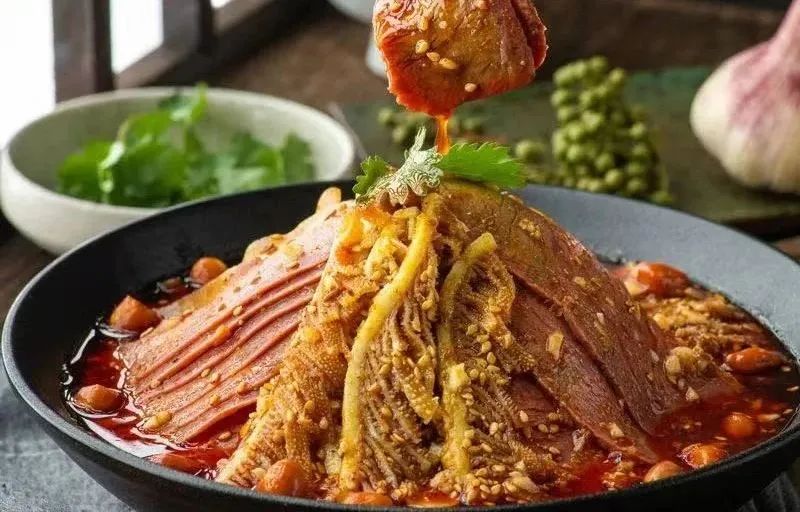
Establishing a Research Institute to Address the Challenge of Creating Blockbuster Products: Ziyan Foods Accelerates “Self-Revolution”
Food R&D is different from other fields and requires attention to detail. In recent years, research and development in the food industry has been given increasing importance.
On the morning of November 17, the inauguration ceremony of the Ziyan Food Innovation Research Institute was held in Guanyun County, Lianyungang.
As a well-known brand in the braised food industry and a player in a relatively mature sector, why did Ziyan Food establish its own Innovation Research Institute? Zhong Huaijun, the Director of the Ziyan Food Innovation Research Institute, stated, “As people’s living standards continue to improve, consumers are increasingly demanding higher food quality and experiences. Ziyan Food’s establishment of a research institute is based on these market demands and development trends.” Zhong Huaijun added that Ziyan Food will continue to explore and develop the healthy food industry, ensuring that future research not only focuses on taste and safety but also on health.
It is reported that the Ziyan Food Innovation Research Institute will undertake three core functions: launching more new products that align with market trends and consumer demands, ensuring high product quality and food safety, and rapidly converting research results into productivity.
At the event, a reporter from Blue Whale Finance noticed that the Ziyan Food Innovation Research Institute had planned several functional areas, including a corporate exhibition area, product tasting area, flavor technology research area, sensory evaluation area, and instrument analysis area. Ziyan Food has also optimized and upgraded its existing product R&D center in terms of both software and hardware, for instance, by purchasing a series of leading domestic and international food processing and testing equipment and bringing in professional flavor researchers and high-tech talent.
According to available information, Ziyan Food is a large-scale producer of braised food in China, focusing on the R&D, production, and sales of braised products. The company’s main products include “Husband and Wife Lung Slices,” “Baiwei Chicken,” and “Tengjiao Chicken,” which are made from poultry such as chicken, duck, beef, pork, as well as vegetables, seafood, and soy products. These products are primarily used as side dishes with meals, supplemented by casual consumption, with the main brand being “Ziyan.”
Despite having a diverse product line, the flagship product “Husband and Wife Lung Slices” remains a strong sales driver. According to Ziyan Food’s 2023 semi-annual report, fresh products contributed 86.08% of the company’s main business revenue, with the “star” product “Husband and Wife Lung Slices” generating sales of 543 million yuan, accounting for 31.59%.
“We have always been trying to create more star products like ‘Husband and Wife Lung Slices’ and ‘Tengjiao Chicken.’ For example, this year we launched products such as Refreshing Beef, Refreshing Pork Feet, Bobo Chicken Slices, and Crispy Shreds. But it’s actually very challenging to surpass these two products, because our customers usually think of Tengjiao Chicken and Husband and Wife Lung Slices first, and then buy some others. We’ve racked our brains trying to outdo ourselves, and often things don’t go as planned, but we must keep launching products with vitality,” Zhong Huaijun said. “I often say it’s like how WeChat surpassed QQ; can we create another one and revolutionize ourselves?”
It is reported that Ziyan Food has established long-term, stable partnerships with large suppliers like Wens Foodstuff Group, New Hope Group, and COFCO Group for the supply of key raw materials such as whole chickens, beef, and duck by-products. This allows the company to source fresh, high-quality ingredients from the origin and, relying on its five production bases, form an all-round supply chain system with the optimal cold chain delivery distance as the radiation radius, fast supply, and maximum freshness. Orders placed the previous day are produced the same day and delivered to stores on the same or the next day, ensuring the freshness of the products.
It is noteworthy that the upgrade of Ziyan Food’s supply chain has also optimized its cost side. Ziyan Food stated in its financial report that the prices of raw materials are close to the range of previous years, and the company has strengthened supply chain optimization, improved production processes, and upgraded technology, resulting in significant improvements in net profit.
According to Ziyan Food’s 2023 third-quarter report, the company achieved operating revenue of approximately 882 million yuan in the first three quarters. The company’s gross profit margin was 24.19%, up 6.69 percentage points year-on-year; the net profit margin was 12.06%, up 3.94 percentage points year-on-year. Looking at the single-quarter indicators, in the third quarter of 2023, the company’s gross profit margin was 29.17%, up 11.07 percentage points year-on-year and 6.18 percentage points quarter-on-quarter; the net profit margin was 15.15%, up 5.38 percentage points year-on-year and 1.67 percentage points quarter-on-quarter.
Moreover, expanding its market segment is one of Ziyan Food’s revenue-increasing strategies. Following its strategic investment in Lao Han Bian Chicken in June, Ziyan Food made another move in September by strategically investing in Jing Cui Xiang. Ziyan Food Chairman Ge Wuchao stated that steadfastness and diversified exploration are two inseparable aspects of enterprise development. Steadfastness is the foundation of the company’s development; since the company’s establishment, we have been deeply engaged in the side dish braised food market, committed to consolidating our leading position in the industry. However, with changes in the market environment and the diversification of consumer needs, we also see the necessity of exploring new opportunities for development on the existing foundation. The company continues to explore diversified development paths by launching several sub-brands, such as “Feng Si Niang Qiaojiao Beef,” “Shaguo Zhuangyuan,” and “Jiaoyan Jiaoyu,” covering categories like casual dining and casual braised food, as well as strategic partnerships with food brands such as Lao Han Bian Chicken and Jing Cui Xiang. This strategy opens up broader growth opportunities for the company. Through diversified strategic layout, the company can quickly respond to market changes, enhance overall competitiveness, and further consolidate its industry-leading position to achieve long-term development.
On the other hand, with the strong momentum of the restaurant industry’s recovery, competition has also become more intense. Ge Wuchao admitted that after the pandemic, consumer demand has changed, with increased focus on food safety and health. Additionally, as consumers’ purchasing power recovers, it may attract more competitors into the market. Therefore, Ziyan Food needs to strengthen brand building and marketing efforts to enhance brand influence and market share to maintain its industry-leading position. Further strengthening product R&D and quality control to provide safer, healthier products that better meet consumer needs is essential.
Qingyuan Chicken Industry Thrives: Four Companies Receive Geographical Indication Plaques
Recently, Qingcheng District hosted the “Qingyuan Chicken” Industry High-Quality Development Promotion Meeting, where four companies were awarded the “Qingyuan Chicken” Geographical Indication Special Mark. Vice Mayor Lei Huankun presented plaques to Guangdong Tian Nong Food Group, Qingyuan Sanyuan Qingyuan Chicken Breeding, Guangdong Tian Nong Ecological Food, and Guangdong Dongfeng Agricultural Development.
A geographical indication signifies the unique quality of a product related to its origin. Qingcheng District’s Market Supervision Bureau provided “one-on-one” support to ensure companies met criteria for using the “Qingyuan Chicken” mark, including on-site inspections, origin verification, and product quality testing. Additionally, a campaign was launched to protect the geographical indication through random checks and inter-departmental collaboration, safeguarding against unauthorized use.
In 2022, companies marked with “Qingyuan Chicken” in Qingcheng District reached a total output value of 3.015 billion yuan, a 130% year-on-year increase, with revenues hitting 1.213 billion yuan. Qingcheng District focuses on a comprehensive development framework, integrating seed breeding, technological R&D, deep processing, logistics, and brand sales to enhance the Qingyuan Chicken industry.
Looking ahead, Qingcheng District aims to boost the “Qingyuan Chicken” brand as part of the “Hundred-Thousand-Ten Thousand Project.” Efforts will include strengthening genetic resource protection, improving quality management, expanding deep processing, and promoting the cultural significance of Qingyuan Chicken to achieve high-quality industry growth and solidify its status as a city icon.