


HEMEI AGRICULTURE INVESTS 10 MILLION YUAN IN NEW SUBSIDIARY IN CHONGZUO CITY, GUANGXI PROVINCE
HEMEI AGRICULTURE INVESTS 10 MILLION YUAN IN NEW SUBSIDIARY IN CHONGZUO CITY, GUANGXI PROVINCE

Hemei Agriculture (833515) announced its plan to establish a wholly-owned subsidiary in Chongzuo City, Guangxi Province, with an investment of 10 million yuan. This move aligns with the company’s future development strategy to optimize resource allocation and enhance competitiveness. The new subsidiary will focus on the production, sales, processing, transportation, and storage of agricultural products, along with other services like food sales, supply chain management, and warehousing.
Main Business Activities:
The subsidiary will engage in:
- Production, sales, and processing of agricultural products
- Wholesale and retail of edible agricultural products
- Information consulting services
- Sales of agricultural machinery and daily necessities
- Import and export of goods
- Supply chain management
- Urban distribution and road freight transportation
Investment Purpose:
The investment aims to expand Hemei Agriculture’s supply chain layout, enhance centralized procurement and management, and improve overall profitability and competitiveness. This strategic move will further strengthen long-term regional partnerships and explore new market opportunities.
Risk and Impact Assessment:
The company states that this investment carries minimal risk, given its alignment with Hemei Agriculture’s strategic goals. Enhanced internal controls, clear business strategies, and a strong management team will be established to safeguard shareholder interests. The investment is expected to positively impact the company’s consolidated financial statements and future financial condition.
Hemei Agriculture specializes in providing “one-stop cold chain logistics and distribution services for fresh agricultural and sideline products,” serving clients including educational institutions, military organizations, and public institutions.
YATSEN HOLDING’S Q3 REVENUE DECLINES BY 16.3% YOY TO 718.1 MILLION YUAN
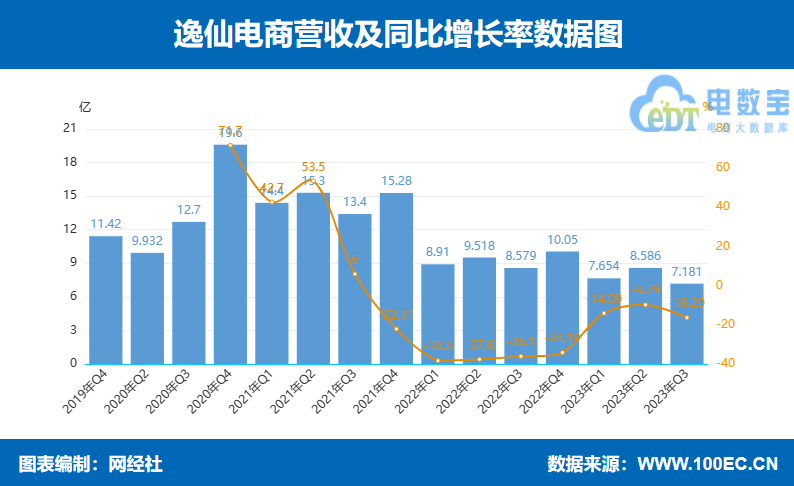
Yatsen E-commerce has released its financial report for the third quarter ending September 30, 2023. The company reported total net revenue of RMB 718.1 million, marking a year-on-year decrease of 16.3%. Despite the decline in revenue, Yatsen’s net loss was reduced by 6.1% year-on-year to RMB 197.9 million. On a non-GAAP basis, however, the net loss expanded by 3.0% year-on-year to RMB 130.2 million. Gross profit for the quarter was RMB 512.8 million, down 13.3% year-on-year, with a gross margin of 71.4%, compared to 68.9% in the same period in 2022.
Total operating expenses for Yatsen stood at RMB 744.3 million, a 13.1% decrease year-on-year. Fulfillment expenses were reduced to RMB 56 million from RMB 63.8 million in the same period in 2022. Sales and marketing expenses also saw a reduction, dropping to RMB 511.7 million from RMB 564.8 million. General and administrative expenses decreased to RMB 151.8 million, while R&D expenses declined to RMB 24.7 million. The operating loss narrowed by 12.9% to RMB 231.5 million, though on a non-GAAP basis, it expanded by 1.2% to RMB 164.6 million.
Yatsen E-commerce’s founder, Chairman, and CEO, Huang Jinfeng, stated: “In the third quarter, the company’s three major skincare brands experienced steady growth. Meanwhile, Yatsen’s flagship brand, Perfect Diary, continued to enhance its brand strength through a new visual identity and the launch of major new products. We are optimistic about the future, and according to the company’s Q4 performance guidance, total revenue is expected to grow year-on-year.”
Founded in 2016, Guangzhou Yatsen E-commerce Co., Ltd. was recognized as a “Unicorn” innovative enterprise in Guangzhou in 2019, making it the city’s only e-commerce unicorn at the time.
Other Listed Digital Retail Companies in China
- Comprehensive E-commerce: Alibaba, JD.com, Pinduoduo, Vipshop, Suning.com, GOME Retail, All Things New, Secoo, Yunji.
- Live-streaming E-commerce: Kuaishou, Yaowang Technology, Mogu, Oriental Selection, Jiao Ge Peng You.
- Fresh Food E-commerce: Dingdong Maicai, Missfresh, Pagoda.
- Auto E-commerce: Tuanche, Uxin.
- Shopping Guide E-commerce: SMZDM (What Worth Buying), Fanli.com.
- Installment E-commerce: Qudian, Lexin.
- Retail E-commerce Service Providers: Youzan, Weimob, Yueshang Group, Guangyun Technology, Baozun E-commerce, Youquhui, Lovely Beauty Makeup, Ruoyuchen, Qingmu Holdings.
- Vertical E-commerce: Babytree Group, Kutesmart, Wunong Net, Boqii Pet.
- Brand E-commerce: Xiaomi Group, Bear Electric Appliances, Bestore, Three Squirrels, Yujiahui, Yatsen E-commerce, Rongmei Holdings, Nanjiren E-commerce.
By focusing on strategic brand development and enhancing its market presence, Yatsen aims to navigate the challenges in the competitive e-commerce landscape.
Juewei Foods Adjusts Capital Structure, Temporarily Postpones Hong Kong IPO Plan

Pinecone Finance News: On November 23, Juewei Foods announced on its investor interaction platform that its plan to list in Hong Kong is currently on hold. Previously, Juewei Foods had publicly announced its intention to pursue a Hong Kong IPO, stating that the move was intended “to accelerate the company’s internationalization strategy, enhance its overseas financing capabilities, and further strengthen its capital base and overall competitiveness.”
In its response, Juewei Foods did not provide a detailed explanation for the postponement of its Hong Kong listing plan. However, the company’s Secretary of the Board mentioned that Juewei Foods will continue to advance its investment planning based on its established strategic guidelines and business objectives. The company has already seen initial success in its food ecosystem initiatives. Leveraging its long-term industry experience, as well as its expertise in cold chain distribution networks and chain store management, Juewei Foods is fully supporting its ecosystem partner companies in standardizing production, improving efficiency, and achieving high levels of coordination. Adhering to the principles of “project-centered, service-driven, and result-oriented” industrial layout, Juewei Foods aims to face challenges, pursue development, and create value together with its ecosystem partners.

Benlai Life International Opens a New Chapter in the “Fresh” Supply Chain: Bringing More Global Delicacies to Chinese Consumers’ Tables

China Economic Herald and China Development Network Report by Pi Zehong: The variety of ingredients on Chinese family dining tables today has undergone a dramatic transformation compared to a decade ago. Imported ingredients like New Zealand Zespri kiwifruit, Italian extra virgin olive oil, and Ecuadorian white shrimp have become essential components of daily meals for Chinese families. This change is driven by the rapid growth of global fresh agricultural trade and the rise of Chinese e-commerce platforms.
Benlai Life was one of the first platforms in China to sell imported fresh foods like cherries and durians online. As a pioneer in direct procurement from production regions, this unique model has also been applied to the construction of its overseas supply chain. Over the past 11 years, the platform has continuously optimized and integrated its global supply chain, offering domestic consumers a wider variety of imported products. At the same time, it has leveraged its product strength, channel strength, brand strength, and resource strength to empower overseas brands to expand and develop in the Chinese market.
Today, imported goods from more than 50 countries around the world have reached Chinese consumers’ tables through Benlai Life. Products like New Zealand Weebiz pasteurized fresh milk and air-freighted cherries from the United States have become top choices for users seeking a high-quality lifestyle.
Behind the “ultimate freshness” lies the discerning eye and craftsmanship of buyers, as well as the support of a highly efficient “air cold chain.” The international “fresh” chain that stretches from overseas origins to Chinese dining tables ensures that Benlai Life users can enjoy fresh global products with zero time lag.
New Zealand to China: High-Quality Pasteurized Milk’s 72-Hour Cross-Border Journey
The New Zealand pasteurized milk brand Weebiz has been available on Benlai Life for eight years. As one of the earliest imported fresh milk brands to enter China, it has become a quality choice for millions of families.
New Zealand is globally recognized as a premium source of milk, thanks to its unique geographic location, which preserves an unspoiled, pollution-free natural environment and isolates it from common animal diseases found in other regions. Local dairy farmers use traditional grazing methods, allowing cows to naturally feed on lush grass, ensuring the cows’ healthy growth and the purity and safety of the milk.
Milk typically enters the market in two forms: fresh milk and ambient milk. Fresh milk undergoes pasteurization, which retains the maximum nutritional value and natural flavor of the milk but also contains a small amount of harmless or beneficial microorganisms, resulting in a shorter shelf life and the need for refrigeration.
Xing Yan, a senior dairy buyer at Benlai Life, is well-versed in the global dairy supply chain and brands. She carefully selected Weebiz, a premium brand co-produced by New Zealand’s renowned organic dairy farm Marphona and Green Valley Dairies Limited, the country’s second-largest milk processor. This product undergoes pasteurization at the golden standard of 72°C for 15 seconds and continues to be upgraded under natural, additive-free conditions, with a milk protein content of 3.6g/100ml, higher than the EU standard.
With a shelf life of just 15 days, pasteurized milk needs to be stored in a cold chain environment, which imposes high demands on logistics capabilities. Benlai Life’s Weebiz delivery service covers first-tier cities such as Beijing, Shanghai, Guangzhou, and Shenzhen, as well as several other cities. Every bottle of Weebiz pasteurized milk is produced, packaged, sterilized, and tested in New Zealand before being loaded onto a cold chain flight directly to China. It is then delivered to users’ hands only after passing the stringent inspections of the China National Inspection and Quarantine Bureau, customs, and Benlai Life’s rigorous quality control monitoring.
“To improve logistics efficiency, we applied for green channel clearance for Weebiz milk. After production on Sunday at the New Zealand farm, the milk is first sent for local inspection and then flown to China on Monday. Customs officials retain four boxes from each batch for inspection, allowing the rest to clear customs and be stored,” Xing Yan explained.
With the support of Benlai Life’s highly efficient global supply chain system, Weebiz pasteurized milk can be airfreighted from New Zealand to Chinese city dining tables in as little as 72 hours.
United States to China: The Thousand-Mile Freshness Rules for Delicate Cherries
In recent years, cherries have become the “top trend” in the domestic fruit market. Benlai Life introduced imported cherries as early as 2013.
An interesting product selection story once circulated within the company. When cherries first became popular, a group of discerning long-time Benlai Life users developed a preference for “yellow cherries” (golden cherries) due to their unique taste, despite their higher price compared to the more common “red cherries.” These users also had higher expectations for Benlai Life, demanding that the platform carefully select the origins and brands of the “yellow cherries” while further refining the selection of the best varieties and quality products for the “red cherries” globally.
To meet users’ quality demands for imported cherries, Benlai Life has, since 2016, introduced carefully selected “yellow cherries” and “red cherries” from premium regions in the United States. The company partnered with China Eastern Airlines to launch the industry’s first crowdfunded charter flight model. After being harvested, the cherries are pre-cooled, sorted, and packaged in U.S. orchards, then airfreighted directly to China by China Eastern Airlines, delivering the freshest cherries to domestic users.
To bring these delicate cherries to users, Benlai Life adopted a pre-sale order model, where supply is determined by sales. This sales model may seem simple, but it demands extreme precision in the complex process of importing fresh products.
The first challenge is weather conditions. Usually, Benlai Life receives tens of thousands of cherry orders a week before harvest. However, if it rains during harvest, the cherries cannot be picked because they are prone to mold and rot after picking. If the cherries absorb too much water, they can crack and burst when exposed to sunlight after rain, significantly reducing their quality. This requires the buying team to conduct thorough preliminary work, carefully study the local climate, and closely monitor weather conditions in the growing regions.
Additionally, throughout the airfreight, customs clearance, and transportation to the warehouse, the temperature must be “precisely controlled.” If the temperature fluctuates by more than 5°C, condensation will form on the cherries’ surface, leading to a decline in quality.
The final stage is delivery. Finding the right product is just the first step; completing the delivery process thoroughly is essential. Benlai Life ensures that different specifications of cherries are delivered through different cold chain methods to prevent them from losing freshness. Additionally, to avoid damage or spoilage, Benlai Life strictly prohibits rough handling during the delivery process.
This series of meticulous steps is ultimately rooted in Benlai Life’s commitment to building the shortest international “fresh” chain. “We aim to ensure fresh quality by using the most precise and efficient logistics, delivering the cherries to users with green stems and plump, tender fruit, rather than using other methods to significantly extend their shelf life,” said Maomao, a fruit buyer at Benlai Life.
Today, imported cherries from the United States have become a must-have summer fruit for Benlai Life users. Cherries from other top regions, such as Chile, are also delivered to users at the peak of freshness and efficiency in different seasons through direct charter flights and shipments.
The ideal of “buying globally and selling globally” is becoming a reality once again. More and more “Made for China” delicacies are becoming the new trend, while “Made in China” fresh products are also seeing new opportunities.
Benlai Life’s applet has launched national-themed sections such as the “New Zealand Pavilion,” “Chile Pavilion,” “Thailand Pavilion,” and “Italy Pavilion,” allowing users to experience a variety of international flavors and the diverse cultures of different regions worldwide in one place. As Benlai Life’s international “fresh” chain continues to develop rapidly, with the platform expanding its global “circle of friends” and deepening cooperation with quality partners, more premium products from around the world will reach Chinese city dining tables with better quality and more competitive prices.

MISSFRESH RECEIVES DELISTING NOTICE FROM NASDAQ
Missfresh announced that the business acquisition under the equity financing and share purchase agreement previously announced on August 3, 2023, as well as the transaction under the share transfer agreement announced on August 7, 2023, have been terminated. On November 15, the Nasdaq Hearing Panel notified Missfresh that it had decided to delist the company’s securities from Nasdaq Stock Market LLC and suspend trading of those securities effective at the open of business on Friday, November 17. After the expiration of the applicable appeal period, Nasdaq will file a Form 25 delisting notification with the U.S. Securities and Exchange Commission to complete the delisting process.

Ningbo Enterprises Compete in the “Blue Ocean” of Medical Cold Chain Products

Recently, at the warehouse entrance of a technology company in Mazhu Town, Yuyao, Ningbo, over 3,000 medical cold cabinets of various models were fully assembled and ready for shipment, destined to be exported to the U.S. market.
“Many pharmaceuticals and vaccines require cold chain transportation and storage. Our company specializes in the research, development, and production of medical cold chain products. In recent years, the medical cold chain industry has seen new growth opportunities, and our company’s annual output value has maintained a growth rate of 15%. This year, we expect our output value to reach 80 million yuan,” said Sun Ming, the company’s general manager.
The company has been deeply involved in the refrigeration system production and R&D industry for nearly 40 years, initially focusing on producing refrigeration components such as condensers and evaporators. After restructuring in 1999, the company became a technology enterprise integrating R&D, production, sales, and service, with an annual production capacity of over 100,000 units of special cold chain products. It has established production bases in places like Jiangxi.
After years of development, the company’s medical cold chain products have become well-known OEM (Original Equipment Manufacturer) suppliers in the field, recognized by medical institutions in developed countries such as Europe and the United States. With a strong market reputation and high product quality, the products are exported to more than 60 countries and regions. While maintaining its focus on the medical cold chain market, the company has also expanded into the research, development, and production of commercial and rural cold chain products, continuously improving its economic benefits.
Quality and integrity are the foundations of the company’s survival. In recent years, the company has successively passed certifications such as the U.S. UL, ETL, European CE, and Japan’s SG certifications. It strictly adheres to the ISO9001 quality management system and ISO14000 environmental management system for product quality management.
“Compared to household and commercial refrigerators, medical cold chain products require more precise temperature control, smaller temperature fluctuations, and greater technical difficulty in the quality of the refrigeration system and refrigerant ratios,” said Sun Ming. After assembly, each product undergoes a series of stringent quality control measures, including vacuum extraction, refrigerant addition, and over four hours of power-on testing, ensuring no loopholes in any production process. Notably, the company developed a medical refrigerator that can reach temperatures as low as -86°C, primarily used in research institutions and laboratories. This product has become a bestseller in over 10 countries and regions.
Technology and talent are vital sources of the company’s core competitiveness. Currently, the company holds over 60 intellectual property rights, including domestic and international patents and software copyrights. It has been recognized as a National High-Tech Enterprise, a National Technology-Based SME, and a Provincial “Specialized, Refined, and New” SME. The company invests 6% to 10% of its annual output value in technological research and development. Over the past three years, it has invested over 10 million yuan in technological transformation projects, achieving more stable product quality and significantly improved production efficiency. The company has also implemented a solar photovoltaic project, which saves more than 40% of the company’s energy annually.
On the foundation of establishing an innovation team, the company continues to increase its efforts to attract innovative talent, actively collaborating with universities such as Shanghai Jiao Tong University, Zhejiang Sci-Tech University, and China Jiliang University on industry-university-research partnerships to jointly establish research institutions and engineering technology centers.
The company is committed to enhancing its competitiveness through digital transformation. Its next step is to invest over 3 million yuan to implement a 5G green intelligent factory transformation and upgrading project, aiming to create an advanced modern intelligent factory that will drive the company’s development with renewed energy.

SUZHOU’S ONLY ONE! SHIXIANG FRESH PRODUCE SELECTED AS A “2023 NATIONAL E-COMMERCE DEMONSTRATION ENTERPRISE”

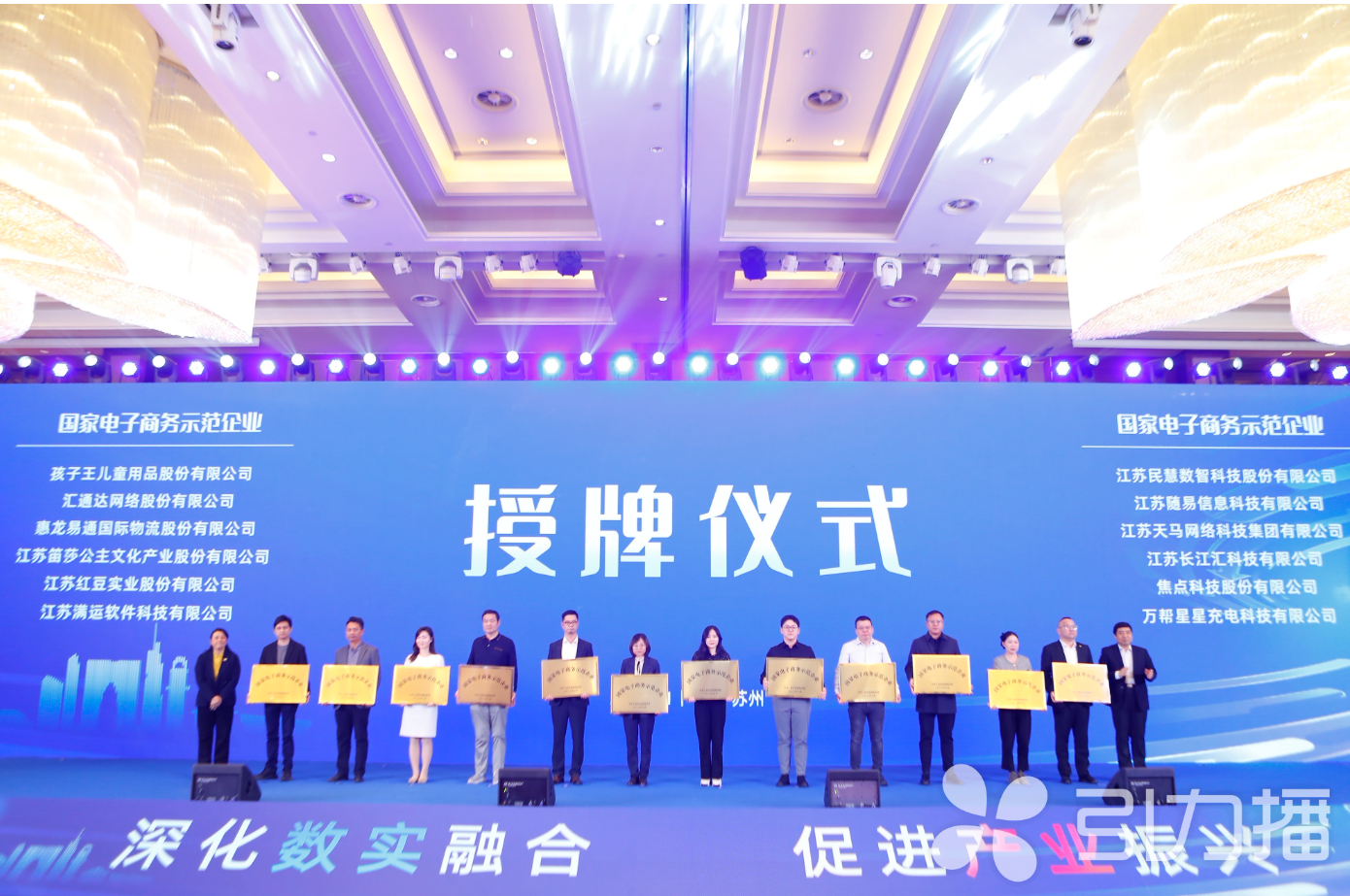
Recently, the E-Commerce and Informatization Department of the Ministry of Commerce issued a document recognizing the enterprises selected as “2023 National E-Commerce Demonstration Enterprises.” Suzhou-based Shixiang Fresh Produce (Jiangsu Suiyi Information Technology Co., Ltd.) was listed among the honorees. On November 23, the 2023 China Jiangsu E-Commerce Conference, themed “Deepening Digital-Physical Integration to Promote Industrial Revitalization,” was held in Kunshan. During the conference, a certification ceremony was held for 12 Jiangsu enterprises, including Shixiang Fresh Produce, which is also the only Suzhou enterprise to be named on the 2023 list.
This selection was initiated by the Ministry of Commerce with the aim of identifying a group of “E-Commerce Demonstration Enterprises” that have achieved outstanding results in promoting integration, enhancing public welfare, driving development, revitalizing industries, improving the environment, and fostering openness. After evaluation, 132 e-commerce demonstration enterprises were selected and publicly recognized.
This marks the fourth consecutive year that Shixiang Fresh Produce has been named a National E-Commerce Demonstration Enterprise, highlighting the company’s sustainable, stable, and rapid development in the e-commerce sector and its role as a leader in the industry. This recognition from the Ministry of Commerce also affirms Shixiang Fresh Produce’s 11 years of dedication to supply chain management, its mature digital operation capabilities, and its refined cold chain delivery system. Additionally, Shixiang Fresh Produce has served as a positive example in upgrading e-commerce quality, innovating public services, promoting rural revitalization, and contributing to the establishment of national industry standards.
As a comprehensive operator of urban digital “vegetable baskets,” Shixiang Fresh Produce provides citizens with diversified, personalized, and high-quality fresh food services. The company’s fresh food delivery service covers 3,000 community sites in Suzhou, Wuxi, Nantong, and other areas, with a total of 190,000 community fresh food smart lockers, becoming a convenient facility within community living circles. The smart locker delivery model used by Shixiang Fresh Produce is currently regarded as the first profitable fresh food e-commerce model in China, offering advantages of replicability, scalability, and sustainable development.
Tailoring its operations to urban living characteristics and consumer demands, Shixiang Fresh Produce has developed a mature digital “vegetable basket” comprehensive operation system. This system integrates four-dimensional consumption service scenarios: C-end digital fresh retail, B-end major clients, offline community stores, and digital farmers’ markets. Through digital platforms and end-to-end cold chain facilities, the company has bridged the “last mile” in the distribution of fresh agricultural products, enhancing circulation efficiency and supply quality. The National Development and Reform Commission has praised it as a “truly meaningful urban ‘vegetable basket.’”
The Shixiang Fresh Produce platform offers over 14,000 products across 23 major categories, including vegetables, fruits, meat, poultry, eggs, seafood, dairy, baked goods, grains, oils, and snacks, providing consumers with a wide range of choices. The platform has fully digitalized its operations across procurement, supply, purchase, sales, and distribution, offering users a high-quality fresh food shopping experience. Since its establishment in 2012, Shixiang Fresh Produce has upheld its mission of “ensuring every family can eat safe food.” Over the past decade, the company has strictly controlled quality and safety, improved its cold chain delivery and safety traceability systems, and built a trusted public “vegetable basket.” It has become the top choice for Suzhou citizens when buying groceries via mobile devices.
Being named a “National E-Commerce Demonstration Enterprise” is another new milestone for Shixiang Fresh Produce. The company will continue to leverage the new economic advantages of the Internet+Agriculture model, deepen cooperation with agricultural product bases, and continually enhance its digital capabilities to promote high-quality development. Shixiang Fresh Produce is also committed to fully embracing oversight from the government, society, and its users, constantly improving its quality and service levels, and making greater contributions to the development of the public’s “vegetable basket.”
2023 TAOBAO LIVE FOOD AND FRESH PRODUCE INDUSTRY BELT PROJECT LAUNCH CEREMONY
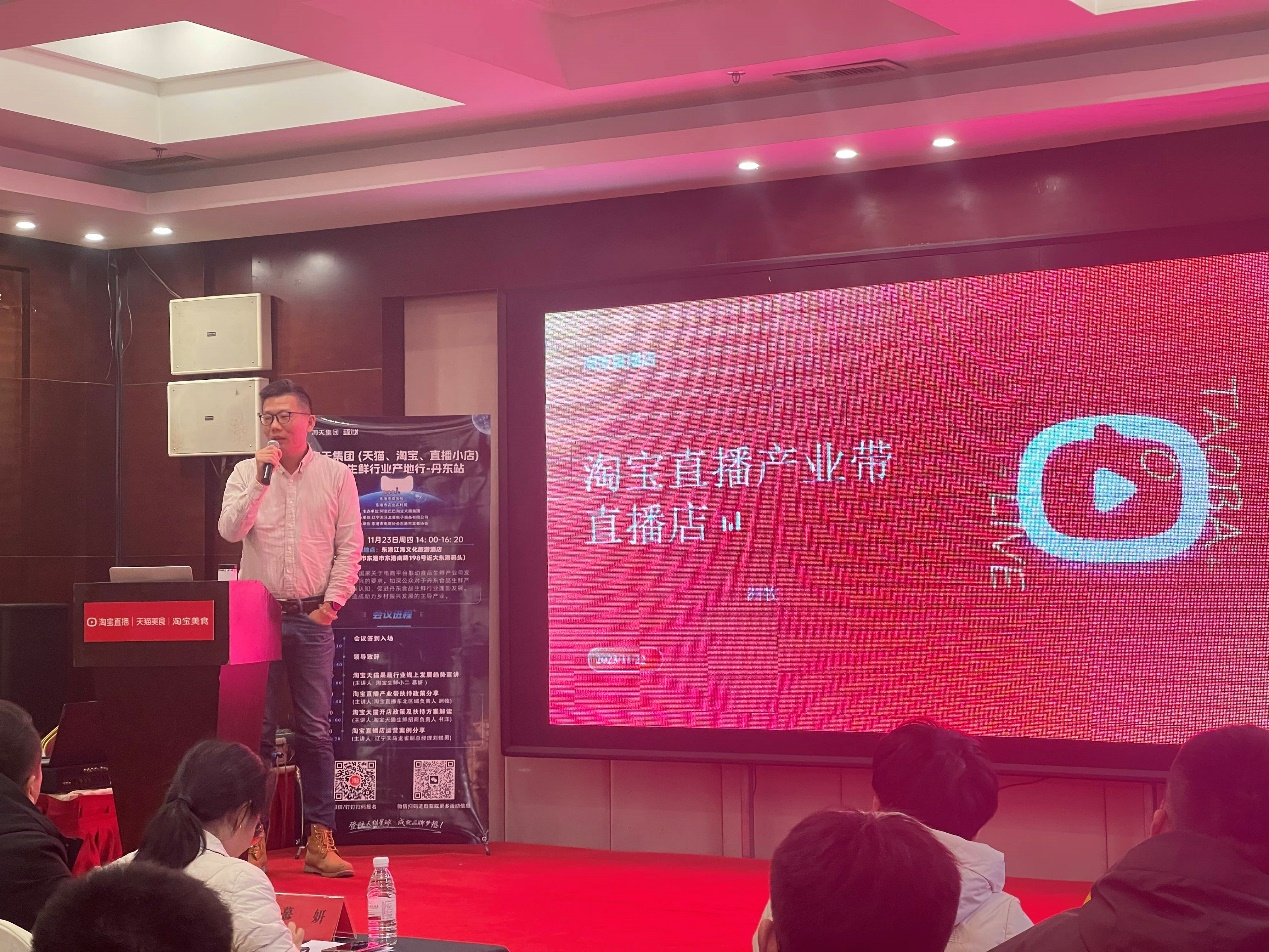
On November 23, Alibaba’s Taotian Group, under its Taobao Food and Fresh Produce sector and Taobao Live, successfully held the “Food and Fresh Produce Industry On-Site Visit – Dandong Donggang Station” 2023 Taobao Live Food and Fresh Produce Industry Belt National Recruitment Conference in Donggang, Dandong, Liaoning, a key production area for strawberries and fresh produce in China.
This recruitment conference coincided with the strategic efforts to decisively win the “Liaoshen Campaign” for the revitalization of Northeast China and Liaoning Province in the new era. It also aimed to thoroughly implement the national directives on promoting the development of food and fresh produce industry belts through e-commerce platforms, thereby supporting rural revitalization. The event sought to enhance public awareness of the high-quality products from the Dandong food and fresh produce industry belt and to promote the vigorous development of this sector, turning it into a leading industry that drives rural revitalization. The event received strong support and attention from government departments such as the Donggang Municipal Bureau of Commerce and the Donggang Municipal Bureau of Agriculture and Rural Affairs, as well as from organizations like the Donggang E-commerce Association and the Donggang Strawberry Association. Key participants included Mr. Muyan, Head of Alibaba’s Taobao Fresh Produce Industry; Mr. Shuyang, Head of Taobao Tmall Fresh Produce Recruitment; and Mr. Zhoumu, Head of Taobao Live’s Northeast Region. The event was covered by mainstream media from Dandong and Donggang, and attended by 85 industry clients from the national food and fresh produce industry belt and 8 MCN (Multi-Channel Network) organizations, facilitating exchanges and fostering win-win cooperation.
At the estuary of the Yalu River, along the coast of the Yellow Sea, the warm sea breeze meets the cold, humid air from the mountains, bringing abundant rainfall to this land. Thanks to its unique natural conditions, Donggang, a county-level city in Dandong, Liaoning Province, located at the northernmost tip of China’s coastline, has grown from planting 7 strawberry plants in 1924 to developing nearly 200,000 acres of strawberry greenhouses over the course of nearly a century, becoming the largest strawberry production and export base in China.
In recent years, Donggang’s food, fresh produce, and agricultural industry belt have focused on implementing a high-quality brand cultivation plan. Donggang has set dual goals of achieving a century-old strawberry industry and a hundred-billion-yuan output value, combining market-driven approaches with government support, quality with efficiency, and uniqueness with standardization. The city has increased policy support, improved supporting infrastructure and services, created brands through unique characteristics, developed brands through standards, and strengthened brands through marketing. By telling the story of its brands, Donggang has enhanced their recognition, reputation, and competitiveness, building a “1+N” brand system and creating a prosperous agricultural industry. This approach has explored a new path for enriching farmers through e-commerce market expansion and premium product value enhancement.
Looking at the broader food and fresh produce e-commerce industry, the market has expanded continuously in recent years as national living standards have improved and concerns over food safety have grown. Statistics show that the market size of China’s fresh produce e-commerce reached 850 billion yuan in 2020 and is expected to grow to 2.7 trillion yuan by 2026.
Major players in the fresh produce e-commerce market include e-commerce platforms, logistics companies, supermarkets, and agricultural producers. E-commerce platforms like Alibaba’s Hema Fresh and Tmall Fresh hold a dominant market position. In addition, logistics companies such as SF Express and supermarkets like Yonghui Supermarket are also actively expanding into the fresh produce e-commerce sector. Competition among these players is intense, primarily focusing on price, quality, delivery speed, and user experience.
As we enter 2023, the food and fresh produce e-commerce market is expected to have significant growth potential, with the market size continuing to expand. With technological advancements and strengthened policy support, fresh produce e-commerce will usher in new development opportunities.
With the comprehensive upgrading of consumption and the emergence of new trends in pet care, the demand for fresh produce in daily life has extended to emotional care, with fresh produce increasingly seen as a source of emotional companionship within households. The trend of “luxury” pet care is becoming mainstream. According to a 2023 consumer survey by “Euromonitor International” of Chinese pet owners, 63% of consumers believe that “fresh produce is one of the closest family members.” This has also led to the emergence of a series of related industries, such as fresh produce healthcare, beauty, pet boarding, and insurance, significantly promoting the development of the fresh produce economy.
In the online food and fresh produce live-streaming sales field, Taobao’s food and fresh produce sector and Taobao Live have increased investments in professional operations staff, traffic support, precise customer acquisition, and peripheral resources for fresh produce. They have also made significant efforts in standardizing sales and updating related backend rules. Additionally, leveraging Alibaba’s years of experience and technological development, they have achieved real-time monitoring of fresh produce online sales and full logistics transportation, adopting high-standard auditing mechanisms, specialized fresh produce category rules, and industry-leading traffic algorithms. These measures not only protect buyers but also safeguard the interests of sellers. In terms of after-sales service, Alibaba has increased its dedicated customer service personnel for the food and fresh produce industry to ensure timely responses to inquiries from merchants and customers and to address their needs promptly.
Relying on the advantages of the food and fresh produce production area in Donggang, Dandong, Taobao’s food and fresh produce sector, and Taobao Live’s professional online standardized sales solutions, standardized after-sales service capabilities, and Alibaba’s efficient, pragmatic, professional, and innovative work attitude, combined with a ground team that is technologically advanced, forward-looking, information-driven, and standardized, are well-positioned to provide strong support. With the strong backing of the Donggang government and various associations and organizations, and the active cooperation of food and fresh produce industry belt practitioners and e-commerce partners, Donggang’s food and fresh produce sector is sure to reach new heights and achieve greater success!

FANG XIU, CHAIRMAN OF MINWEI INDUSTRIAL: SEIZING NEW GROWTH OPPORTUNITIES IN AQUATIC PREPARED FOODS AND DEEPENING FULL-CHAIN INNOVATION WITH CRAFTSMANSHIP SPIRIT.
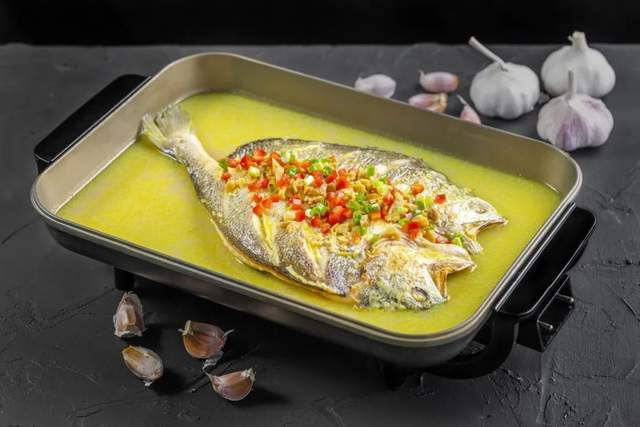
Fujian Minwei Industrial Co., Ltd. is a national key leading enterprise in agricultural industrialization, a national high-tech enterprise, a national quality benchmark enterprise, and one of the first batch of national aquatic seed industry enterprises. The company is headquartered in the beautiful “Hometown of Chinese Sea Bass” – Fuding City. On October 24, 2017, it was listed on the National Equities Exchange and Quotations (NEEQ) system (stock code: 871927).
Fang Xiu, Chairman of Minwei Industrial
The fast-paced lifestyle and changes in consumer demand, such as the rise of solo dining and smaller households, have, to some extent, spurred the development of ready-to-eat meals for the C-end market. With the deepening recognition of the “big food concept” and the inherent advantages of marine foods, such as high nutritional value, unique flavors, and a wide variety of options, aquatic ready-to-eat meals are gradually gaining popularity among consumers. Market data shows that in 2022, the scale of China’s aquatic ready-to-eat meal industry reached 104.7 billion yuan, a year-on-year increase of 16.8%. It is expected that by 2026, the market size will reach 257.6 billion yuan. As the aquatic ready-to-eat meal industry enters a “fast track” of development, it also gradually exposes market shortcomings, such as highly homogeneous products and lagging technological innovation, exacerbating industry chaos and competition among enterprises.
In this context, Minwei, a leader in the sea bass breeding field, has achieved outstanding results in the ready-to-eat meal sector within just two years, with a single product surpassing 200 million yuan in sales. Moreover, with highly competitive products and strategic positioning in the C-end market, the company has rapidly expanded its presence in both domestic and international markets, with products exported to more than a dozen countries and regions. How did Minwei, as a “cross-industry player,” successfully achieve a stunning transformation and upgrade? What long-term plans does the company have for the future?
“China Food Miles” interviewed Fang Xiu, Chairman of Fujian Minwei Industrial Co., Ltd. (hereinafter referred to as Minwei), to learn about the company’s development history, innovative capacity, and competitive moat.
Riding the Wave: A Sea Bass Breeding Leader Crosses into the Ready-to-Eat Meal Industry
Chairman Fang introduced that Minwei Foods’ parent company, Fujian Minwei Industrial Co., Ltd., was established in 1992 and has a history of 31 years. Over the past 30 years, Minwei Industrial has focused on seedling breeding, aquaculture, processing, and extended industries, mastering numerous industry-leading core technologies and taking critical steps at different stages. When domestic seedling technology was still in its infancy, the company developed sea bass reproductive control and indoor artificial breeding technology, solving the industry’s “bottleneck” problem. During the immature stage of marine aquaculture, the company developed intelligent deep-water anti-wave cages, promoting the digital transformation of the fishing industry. In August 2010, when marine food processing technology was lagging, the company established Fujian Minwei Foods Co., Ltd., specializing in deep processing of marine fish, accelerating the transformation of scientific and technological achievements, and empowering high-quality industrial development through technological innovation.
Chairman Fang mentioned that at the early stage of Minwei Foods’ establishment, in response to the market’s traditional processing and sales models of fresh and frozen aquatic products, the company pioneered the processing techniques of fish floss and fish jerky, greatly increasing the added value of aquatic products and embarking on the path of deep processing research and development. In 2021, with the rapid development of ready-to-eat meals and the deepening trend of meal preparation in the catering industry, Minwei seized the opportunity to enter the ready-to-eat meal sector to overcome the market difficulties brought by the pandemic.
Entering the new sector, Minwei Foods fully leveraged its supply chain advantages in aquatic products such as sea bass. Currently, the company focuses on sea bass, large yellow croaker, and their deep-processed ready-to-eat meal products and ready-to-eat snacks. These include over 50 products, such as fish floss, fish jerky, fish collagen peptides, ready-to-eat grilled fish, and shredded fish.
Among these, “fish floss” is Minwei Foods’ star product, mainly made from sea bass, cod, and swordfish, offering a delicate and smooth texture rich in essential amino acids and vitamins. This product is popular both domestically and internationally and is currently exported to 11 countries and regions, including Japan, South Korea, Thailand, Singapore, Malaysia, and Hong Kong.
Another star product is ready-to-eat grilled fish, made from premium Tongjiang sea bass and large yellow croaker. The product’s processing involves modern technology, resulting in tender, flavorful, and highly nutritious fish with high protein content. This product has been highly praised and welcomed by consumers, with single-product sales exceeding 200 million yuan this year.
Innovation-Driven High-Value, High-Quality Development
In a highly competitive market environment, the ability to quickly create star products and establish brand recognition is undoubtedly supported by continuous innovation. Chairman Fang explained that Minwei Foods places great emphasis on technological innovation and independent research and development. The company has established a first-level independent core platform, a second-level key technology platform, and a third-level joint construction platform to gather innovation resources from the marine fish industry chain, attract innovative talents, and carry out technological innovation to provide scientific and technological support and services for industry chain research.
The internal R&D team at Minwei is mainly composed of experts, technicians, and outstanding talents in the deep processing field. The team currently includes 32 R&D personnel, 6 mid-to-senior engineers, 6 assistant engineers, and 20 experienced technical personnel.
Externally, Minwei has established the “Minwei Think Tank,” comprising 36 authoritative experts, including Chen Songlin, an academician of the Chinese Academy of Engineering, and Guan Changtao, the chief scientist of the National Marine Fish System. The company has also built 16 research platforms, including the Zhangzhou Comprehensive Experiment Station of the National Marine Fish Industry Technology System, the National Society Innovation Service Station, the Fujian Sea Bass Breeding Key Laboratory, the Fuding Sea Bass Science and Technology Courtyard, and the Enterprise Technology Center. Minwei Foods empowers the entire industry chain’s technological research through innovation. In recent years, the company has carried out scientific research collaborations on marine fish breeding, species farming, aquatic product processing, and cold storage preservation technology.
In terms of industry-university-research integration, Minwei Foods collaborates with major universities and research institutes such as Shanghai Ocean University and Fujian Agriculture and Forestry University.
With the support of a strong R&D team and innovative capabilities, Minwei Foods and its products have received dual recognition from the industry and the market. Its “fish floss” has been awarded as a key new product by the Fujian Provincial Department of Industry and Information Technology, the single champion product of Ningde City’s manufacturing industry, and has won the “Gold Award Product” for 12 consecutive sessions at the China (Fuzhou) Fisheries Expo. The “grilled fish” was awarded the “2022 Fujian Provincial Ready-to-Eat Meal Gold Medal Dish,” and Minwei Foods was recognized as a “Fujian Provincial Ready-to-Eat Meal Leading Enterprise” in June 2023.
Building a Competitive Moat through Comprehensive Strength
How to break through in a rapidly changing market is a core challenge faced by every enterprise. Minwei has built its unique competitive moat through years of solid internal development.
Chairman Fang explained that Minwei has the advantage of a full industry chain. The company has established a full industry chain system covering seedling breeding, aquaculture, processing, and sales, forming a layout where “aquaculture is the foundation, seed breeding is the focus, and deep processing and ready-to-eat products are the core.” The company adopts a “company + farmer + base” business model, selling seedlings to farmers at fair prices, providing technical guidance and standardization, and signing fish repurchase agreements to ensure farmers’ stable profit margins while maintaining smooth production and sales processes, thus preserving Minwei’s competitive pricing power in the market.
Minwei’s products have quality and differentiation advantages. The company owns a natural harbor suitable for fish breeding and has long-term cooperation with farmers, implementing a 5+1 management model (unified seedlings, unified feed, unified standards, unified technology, unified testing). This approach standardizes operations across the entire industry chain, from seedling and feed supply to cost reduction and technology output, ensuring stable supply channels for raw materials.
In terms of quality and safety management, Minwei implements a “one product, one code” food safety information traceability system and has obtained certifications for national standards management systems, such as ISO9001, ISO22000, and HACCP, ensuring the safety of products from ocean to table. Chairman Fang highlighted that Minwei’s products have been designated for national leader summits and the Olympics. In September 2017, as the largest fresh supplier in Fujian Province, the company supplied sea bass to the BRICS Xiamen Summit and was recognized as a “Special Supply Base for the National Leaders’ Xiamen Summit.” In February 2022, “boneless sea bass” was designated as a product for the Winter Olympics, and the company’s base was recognized as a “National Food and Nutrition Education Base.”
Minwei Foods integrates its resources to create differentiated product categories by adapting seasoning and quality levels to different scenarios and consumer groups. For example, it offers different seasoning and dish levels based on regional differences (North vs. South), domestic vs. international markets, and online vs. offline sales channels. Additionally, by focusing on grilled fish as the core product, the company drives the sales of other local agricultural products, such as pairing Fuding betel nut taro with grilled fish to promote more local specialty products.
Minwei possesses core technological advantages. Chairman Fang explained that in seedling breeding, Minwei has mastered the “sea bass reproductive control and indoor artificial seedling breeding technology,” filling a gap in the national sea bass breeding industry. This technology is a core support for Minwei’s superior seed breeding and is currently the leading seedling technology in the industry, with an annual seedling output ranking first in the industry. In aquaculture, Minwei’s anti-wave deep-water cage farming technology uses a new type of floating rectangular intelligent farming cage system that can monitor the environment and automatically feed the fish. In processing, Minwei has developed 15 processing technologies, including those for fish jerky, fish floss, and ready-to-eat grilled fish, capable of processing over 20 types of products.
Envisioning the Future of Ready-to-Eat Meals and Preparing for Challenges
Discussing the future of the ready-to-eat meal industry, Chairman Fang stated that while the B-end market has matured, the C-end market is still in the exploratory stage. However, with the diversification of dishes, the convenience of purchasing channels, the development of cold chain logistics, and the increasing consumer awareness of ready-to-eat meals, the C-end is expected to experience significant growth.
Chairman Fang is optimistic about the development prospects of the aquatic ready-to-eat meal segment, particularly the market potential of dishes like pickled fish and grilled fish, which are expanding from chain restaurants to the B-end and from dining establishments to households. The B-end market has a large demand and meets the catering industry’s needs for cost reduction, efficiency, and standardization. Additionally, the share of group dining and rural chefs is increasing yearly, promoting the rapid development of the ready-to-eat meal market. The B-end and C-end markets must collaborate and drive each other forward to jointly create a bright future for the ready-to-eat meal industry.
Facing future market challenges, Chairman Fang mentioned that Minwei Foods will further strengthen market research, develop new ready-to-eat meal products through precise market positioning to meet the personalized needs of different consumers and consumption scenarios, and actively seek overseas distributors and retailers to establish partnerships. The company plans to establish localized sales and distribution networks in the future to deliver products directly to overseas customers. To address potential production capacity issues, Minwei will actively upgrade its equipment, enhance the intelligence and automation of its production facilities, further reserve factory space, and increase capacity to prepare for the expected boom and in-depth development of the ready-to-eat meal market.

YATSEN HOLDING’S THIRD-QUARTER REVENUE WAS 718.1 MILLION YUAN, DOWN 16.3% YEAR-ON-YEAR.

Yatsen E-commerce released its financial report for the third quarter ending September 30, 2023. The data shows that Yatsen E-commerce’s total net revenue was RMB 718.1 million, a year-on-year decrease of 16.3%. The net loss was RMB 197.9 million, narrowing by 6.1% year-on-year. On a non-GAAP basis, the net loss was RMB 130.2 million, expanding by 3.0% year-on-year. The gross profit was RMB 512.8 million, a year-on-year decrease of 13.3%. The gross margin was 71.4%, compared to 68.9% in the same period in 2022. The total operating expenses were RMB 744.3 million, a year-on-year decrease of 13.1%. Fulfillment expenses were RMB 56 million, compared to RMB 63.8 million in the same period in 2022. Sales and marketing expenses were RMB 511.7 million, compared to RMB 564.8 million in the same period in 2022. General and administrative expenses were RMB 151.8 million, compared to RMB 194.5 million in the same period in 2022. R&D expenses were RMB 24.7 million, compared to RMB 33.9 million in the same period in 2022. The operating loss was RMB 231.5 million, narrowing by 12.9% year-on-year. On a non-GAAP basis, the operating loss was RMB 164.6 million, expanding by 1.2% year-on-year.
Yatsen E-commerce’s founder, Chairman, and CEO, Huang Jinfeng, stated: “In the third quarter, the company’s three major skincare brands saw steady growth. Meanwhile, Yatsen’s flagship brand, Perfect Diary, achieved continued brand strength enhancement through the launch of a new visual identity and major new products. We are full of confidence in the future, and according to the company’s Q4 performance guidance, total revenue is expected to achieve year-on-year growth.”
According to the Enterprise Library of 100EC.CN, Guangzhou Yatsen E-commerce Co., Ltd. (hereinafter referred to as Yatsen E-commerce) was founded in 2016. In 2019, Yatsen E-commerce was recognized as a “Unicorn” innovative enterprise in Guangzhou, making it the only e-commerce unicorn on the list.
Apart from Yatsen E-commerce, other listed digital retail companies in China include:
1.Comprehensive E-commerce: Alibaba, JD.com, Pinduoduo, Vipshop, Suning.com, GOME Retail, All Things New, Secoo, Yunji;
2.Live-streaming E-commerce: Kuaishou, Yaowang Technology, Mogu, Oriental Selection, Jiao Ge Peng You;
3.Fresh Food E-commerce: Dingdong Maicai, Missfresh, Pagoda;
4.Auto E-commerce: Tuanche, Uxin;
5.Shopping Guide E-commerce: SMZDM (What Worth Buying), Fanli.com;
6.Installment E-commerce: Qudian, Lexin;
7.Retail E-commerce Service Providers: Youzan, Weimob, Yueshang Group, Guangyun Technology, Baozun E-commerce, Youquhui, Lovely Beauty Makeup, Ruoyuchen, Qingmu Holdings;
8.Vertical E-commerce: Babytree Group, Kutesmart, Wunong Net, Boqii Pet;
9.Brand E-commerce: Xiaomi Group, Bear Electric Appliances, Bestore, Three Squirrels, Yujiahui, Yatsen E-commerce, Rongmei Holdings, Nanjiren E-commerce.
