HIGH-TECH FAIR | STIMULATING INNOVATION VITALITY, ENHANCING DEVELOPMENT QUALITY
HIGH-TECH FAIR | STIMULATING INNOVATION VITALITY, ENHANCING DEVELOPMENT QUALITY
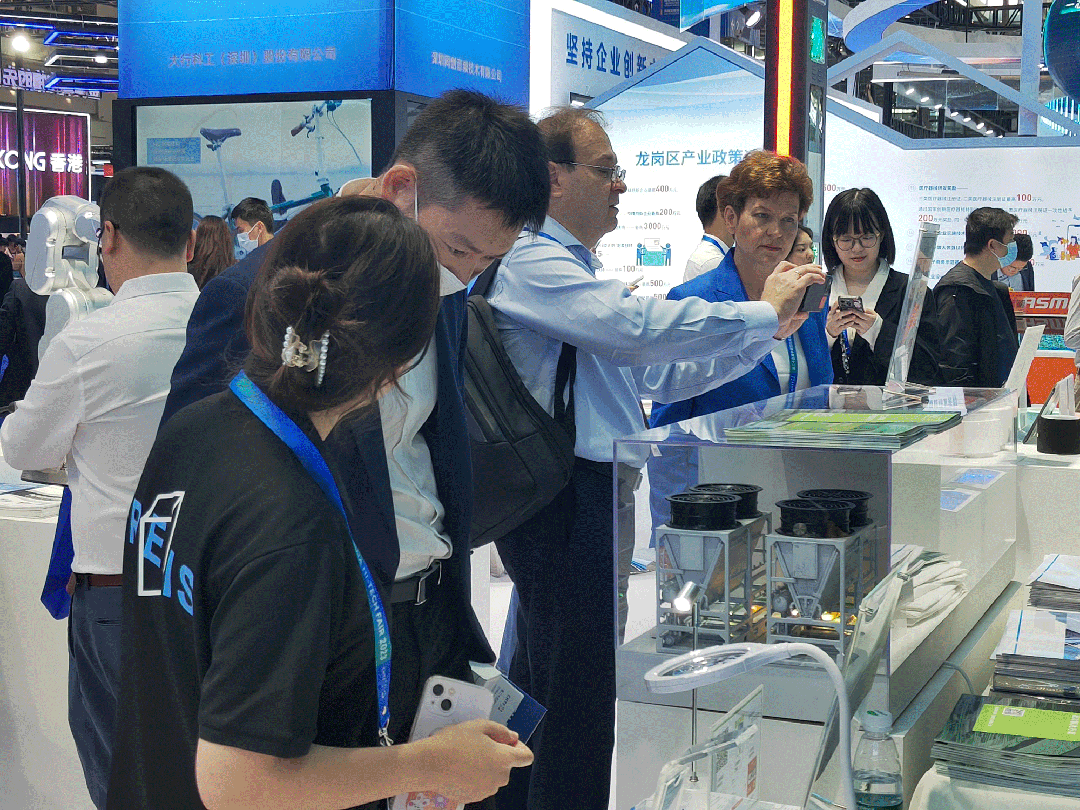
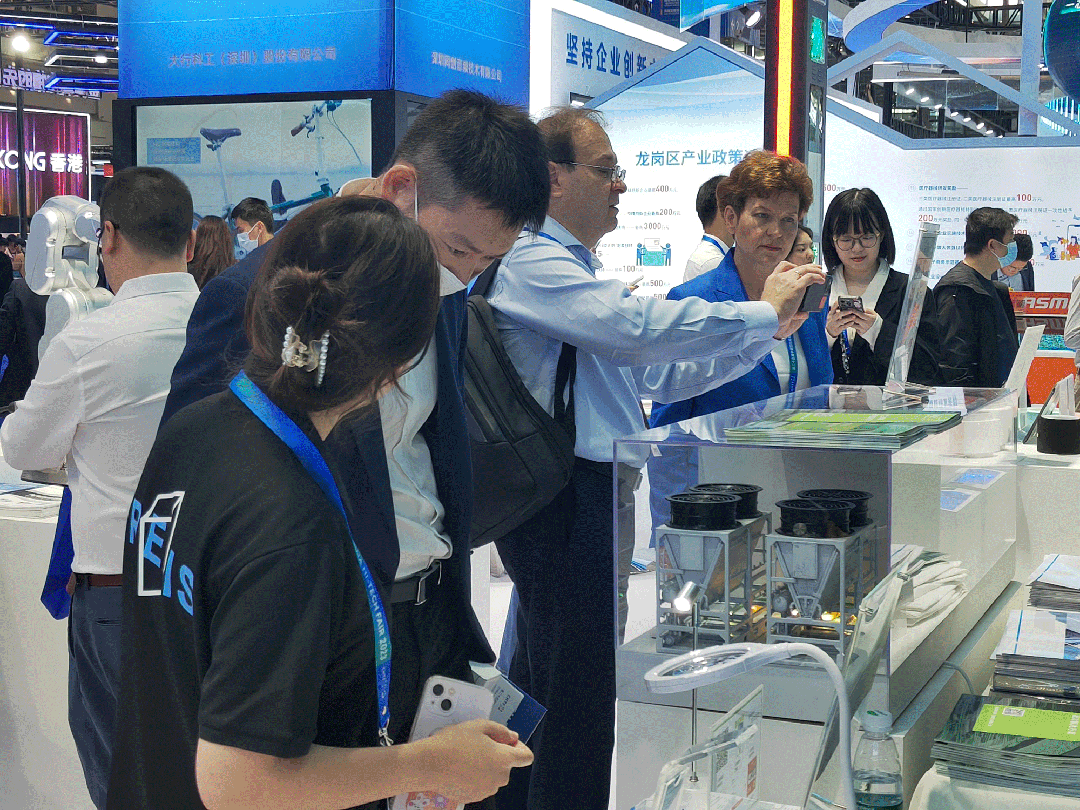
Today, the 25th China Hi-Tech Fair (CHTF) officially opened in Shenzhen, bringing an international, professional high-tech event to the forefront. This year’s CHTF is hosted in two locations: the Shenzhen Convention and Exhibition Center (Futian) and the Shenzhen World Exhibition & Convention Center (Bao’an). The event features a comprehensive exhibition, specialized exhibitions, conferences, forums, and various other activities. According to the organizers, the event has attracted participation from over 100 countries and regions, with more than 4,000 companies exhibiting across a total area of 500,000 square meters, making it the largest in the fair’s history, with a record number of participating countries and regions.
Image
At the invitation of the Bao’an District Science and Technology Innovation Bureau, Chun Jun New Materials (Shenzhen) Co., Ltd., representing Bao’an District’s specialized and innovative enterprises, is participating in the exhibition. From November 15th to 19th, Chun Jun New Materials is showcasing its cutting-edge research achievements at Booth 1D38 in Hall 1 of the Shenzhen Convention and Exhibition Center (Futian).
Image
(Second from right: Bao’an District Mayor Wang Lide; First from left: Director of Bao’an District Science and Technology Innovation Bureau Shen Yan; First from right: Director of Bao’an District Science and Technology Innovation Service Center Wang Heng, visiting the Chun Jun booth for guidance)
At this year’s CHTF, Chun Jun New Materials is exhibiting its temperature control products and solutions in the cold chain, liquid cooling, and TEC fields. The exhibition attracted numerous leaders and industry peers from home and abroad, who engaged in discussions on the development of temperature control technology and its innovative applications across various fields.
Images
In the field of liquid cooling, Chun Jun presented its immersive liquid cooling solution under its “Chun Jun Opti-Cool” brand. In recent years, the demand for computing power has surged, with single cabinet power increasing rapidly. At the same time, the national standards for data center PUE (Power Usage Effectiveness) have become increasingly stringent, posing significant challenges for data centers. The “Chun Jun Opti-Cool” immersion liquid cooling solution addresses these industry challenges by reducing the PUE value to as low as 1.1 while ensuring excellent computing capacity through efficient temperature control. Notably, Chun Jun’s self-developed CJF1 coolant offers high heat dissipation performance and a significant price advantage, reducing coolant costs for customers by 40%.
Images
Chun Jun’s Micro-TEC technology, unlike ordinary TECs, can be miniaturized to millimeter-level sizes, with extremely demanding material performance and process requirements. On the materials side, Chun Jun’s self-developed N-type and P-type bismuth telluride rank among the industry’s best. On the product side, Chun Jun’s Micro-TEC achieves breakthroughs in miniaturization while delivering high cooling efficiency and precise temperature control. The superior performance of Chun Jun’s Micro-TEC holds great potential for replacing imports in fields such as optical modules and LiDAR.
Images
Innovation is the primary driving force for development. With the theme “Stimulating Innovation Vitality, Enhancing Development Quality,” this year’s CHTF brings together high-quality innovation resources. It serves as a dynamic platform for the in-depth implementation of the innovation-driven development strategy, the comprehensive fulfillment of high-quality development tasks, and the continuous improvement of the innovation ecosystem. The event embodies the belief that “focusing on innovation is focusing on development, and pursuing innovation is pursuing the future.”
Chun Jun New Materials warmly welcomes industry peers to visit our exhibition booth, where we aim to demonstrate technological advancements, create value connections, and strengthen confidence in China’s material technologies.
We wish the 25th China Hi-Tech Fair great success!
CHINA LIFE INVESTMENT PARTNERS WITH GLP TO ACCELERATE THE LAUNCH OF REITS STRATEGIC PLACEMENT FUND.

With the establishment of the first REITs Strategic Placement Fund, China Life Investment is rapidly implementing its related investment plans.
On November 14, China Life Investment and GLP reached a comprehensive strategic partnership, focusing on GLP’s core areas of supply chain, big data, and new energy infrastructure investment and industrial ecosystem development. Notably, the collaboration will involve exploring key regional and market investment opportunities, including the use of innovative financial products such as REITs, to expand the scope and form of investment and financing cooperation.
This move is seen within the industry as a positive signal that the two parties may be preparing to launch new REITs. If successfully implemented, it could become the first project under China Life Investment’s REITs Strategic Placement Fund.
Logistics and Warehousing Investment Initiatives Begin
According to China Life Investment’s plan for the REITs Strategic Placement Fund, the fund will primarily participate in the issuance of public REITs in sectors such as consumer infrastructure, green energy, and high-end logistics. It appears that the fund’s investment focus on the high-end logistics sector may be the first to commence.
Logistics and warehousing have traditionally been active investment areas for insurance capital. Among the 29 publicly listed REITs, GLP REIT, representing warehousing REITs, has become the public REIT with the highest strategic placement by insurance capital. Insurance funds account for 30.17% of its strategic placement, with six of the top ten holders being insurance entities, including Taikang Life, Hengqin Life, Dajia Holdings, New China Life, China Insurance Investment Fund, and Guoren Property & Casualty Insurance.
Analysts believe that logistics and warehousing REITs are favored by insurance capital due to their strong growth potential and stability, which align with the long-term investment needs of insurance funds.
With economic recovery and the rapid development of the e-commerce market, the prospects for logistics real estate continue to improve. A recent report by CBRE noted that the national warehouse rental index is expected to grow by 0.6% in 2023, rising to 1.0% in 2024. First-tier cities, as well as supply-constrained second-tier cities like Dongguan, Hangzhou, and Wuxi, are expected to see annual rent increases of 2%-4%. Meanwhile, the national warehouse vacancy rate is expected to decrease to 13.2% by the end of September, compared to vacancy rates of 15%-20% for commercial real estate such as office buildings.
The continuous rise in operating income will also bring considerable returns to investors. For example, GLP REIT has completed five dividend distributions since its listing, totaling approximately 580 million RMB, with the dividend amount steadily increasing. The first two dividends per share were around 0.05 RMB, rising to over 0.08 RMB from the third distribution onward. Clearly, warehousing REITs are worth investing in.
China Life Investment has likely benefited from its investment in GLP REIT. Although China Life Investment or its major shareholder, China Life, is not listed among the holders, the China Insurance Investment Fund, one of the holders, was jointly established by China Insurance Investment Co., Ltd., China Life Insurance (Group) Company, China Life Insurance Co., Ltd., and China Reinsurance (Group) Corporation.
The collaboration between China Life Investment and GLP in REITs is not just about moving from “behind the scenes” to “center stage” or securing more holdings; it may also involve deeper strategic planning.
Why Choose GLP?
In addition to investing in GLP REIT, China Life Investment has already made several investments in the logistics and warehousing sector. These include:
● Establishing an 1.8 billion RMB private equity fund in partnership with Caixin Life, Manulife-Sinochem, and Cainiao Post, focused on high-standard modern warehousing projects held by Cainiao Network and its affiliates.
● Collaborating with China Merchants Capital and Baowan Logistics on logistics asset acquisitions and mergers.
● Jointly setting up a 10 billion RMB income-enhancing fund with GLP to invest in value-added logistics assets in key cities, participating in strategic investments in GLP, and promoting cold chain logistics center projects.
However, in the aforementioned collaborations, China Life Investment mainly participated as an “investor.”
In March of this year, the Shanghai and Shenzhen stock exchanges released the “Relevant Requirements for Insurance Asset Management Companies Conducting Asset Securitization Business (Trial),” expanding the scope of asset securitization and real estate investment trust fund (REIT) business entities to include insurance asset management companies with sound corporate governance, standardized internal controls, and outstanding asset management capabilities. Since then, insurance capital has transitioned from being an investor to also being an asset securitization manager.
This development means that insurance capital can now work with partners from the inception of REIT projects to identify potential high-quality assets, incubate them, and ultimately bring them to market through REITs. This process also allows China Life Investment to develop a strategic blueprint centered around public REITs.
Currently, the most pressing task for China Life Investment is selecting the right partners and identifying suitable high-quality assets.
GLP China, as the largest provider of warehousing facilities in the country, is an ideal partner, especially given the long-standing cooperation between the two parties. The success of the first GLP REIT has also reinforced China Life Investment’s confidence in GLP’s operational capabilities.
According to disclosures, the infrastructure assets of GLP REIT currently consist of ten warehousing and logistics parks located in key economic regions such as the Beijing-Tianjin-Hebei area, the Yangtze River Delta, the Bohai Rim, the Guangdong-Hong Kong-Macao Greater Bay Area, and the Chengdu-Chongqing Economic Circle. These assets cover a total building area of approximately 1.1566 million square meters.
Recent data shows that the operational performance of these assets remains stable. As of the end of September, the average point-in-time occupancy rate was 88.46%, and the occupancy rate, including leased areas yet to commence, was 90.78%. The effective average rent per square meter per month for contract rent and property management service fees (excluding tax) was 37.72 RMB.
In addition, GLP has a vast portfolio of logistics and warehousing assets, with over 450 logistics and industrial infrastructure facilities in China, covering more than 50 million square meters. This portfolio includes mature assets such as technology parks, data centers, and energy infrastructure, which could be candidates for future listings.
The challenge for China Life Investment and GLP moving forward will be to select the best from a large pool of resources, successfully incubate and operate these assets, and bring them to market through REITs.
The pace of new REIT listings has recently accelerated. Currently, eight products are under review, with more than 100 reserve projects in the pipeline. The REITs market is expected to expand further in both scale and scope. The market is already anticipating further advancements from GLP in the REITs space.

SF EXPRESS LAUNCHES INTERNATIONAL FRESH FOOD EXPRESS SERVICE FOR INDIVIDUALS

“SF Express Launches International Fresh Food Express Service for Individuals”
On November 7, SF Express officially announced the launch of its international express service for personal fresh food shipments.
Previously, exporting fruits was typically conducted through a business-to-business model, requiring exporters to have export qualifications and provide a range of inspection and quarantine procedures, making it difficult for individuals to send fruits abroad. To allow more international consumers to enjoy Chinese fruits, SF Express has streamlined the process for personal shipments this year. By implementing pre-declaration measures and other procedures, SF Express now enables temperature-stable fruits to be shipped internationally via personal express services, arriving at international destinations in just 48 hours.
SF Express ensures the safety and freshness of temperature-stable fruits through professional packaging, cold chain transportation, and full-process visual monitoring, thereby building a “Sky International Bridge” for China’s fresh food exports and better meeting international shipping needs.
SF Express Couriers Packing Fruits
Source: SF Express International WeChat Official Account
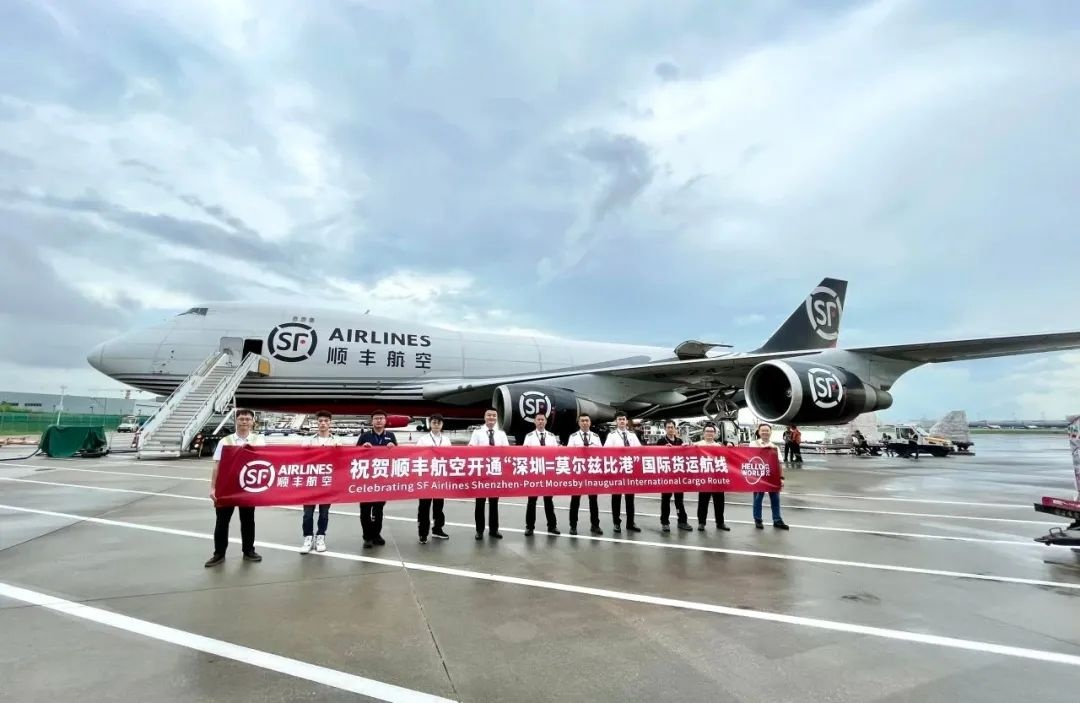
This year, SF Express has aggressively expanded its international operations, including launching new air routes globally. On August 20, SF Airlines opened an international cargo route from Shenzhen to Port Moresby, the capital of Papua New Guinea, and plans to invest in local infrastructure development. The “Shenzhen = Port Moresby” route is SF Airlines’ first route to Oceania.
Recently, SF Express also opened several cargo routes from Ezhou to other countries. Between October 26 and 28, new routes including “Ezhou = Singapore,” “Ezhou = Kuala Lumpur,” and “Ezhou = Osaka” were officially launched. The total number of international cargo routes operating at Ezhou Huahu Airport has now exceeded ten. Additionally, the cumulative cargo volume at Ezhou Huahu Airport has surpassed 100,000 tons, with international cargo accounting for nearly 20%.
SF Express Launches “Shenzhen = Port Moresby” Route
Source: SF Express Group Official
Notably, in May this year, SF Express outlined its international business strategy in an investor relations activity. The company prioritized Southeast Asia’s emerging markets due to China’s increased investments in the region and SF Express’s advantages in air transport networks. The company plans to expand further into the Middle East and South America.
SF Express continues to focus on enhancing its express and cross-border e-commerce logistics in Southeast Asia, emphasizing the development of “air, customs, and last-mile” core networks. By upgrading route operations, expanding the air network, investing in core customs resources, and integrating last-mile resources, SF Express aims to build a stable and efficient global network, enhancing customer experience and providing reliable services. The company is committed to creating a seamless end-to-end service, strengthening its service advantage in Southeast Asia and the Asia-Pacific region, and supporting stable cross-border business for enterprises.
ZHONGNONG MODERN HAS BEEN AWARDED THE POSITION OF VICE CHAIRMAN UNIT OF THE CHINA PRE-PREPARED FOOD INDUSTRY PARK ALLIANCE.
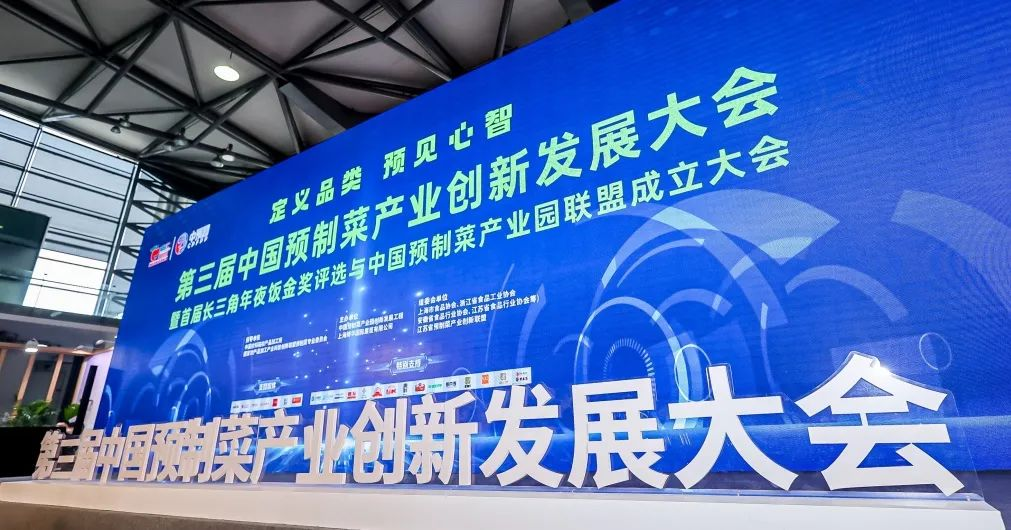
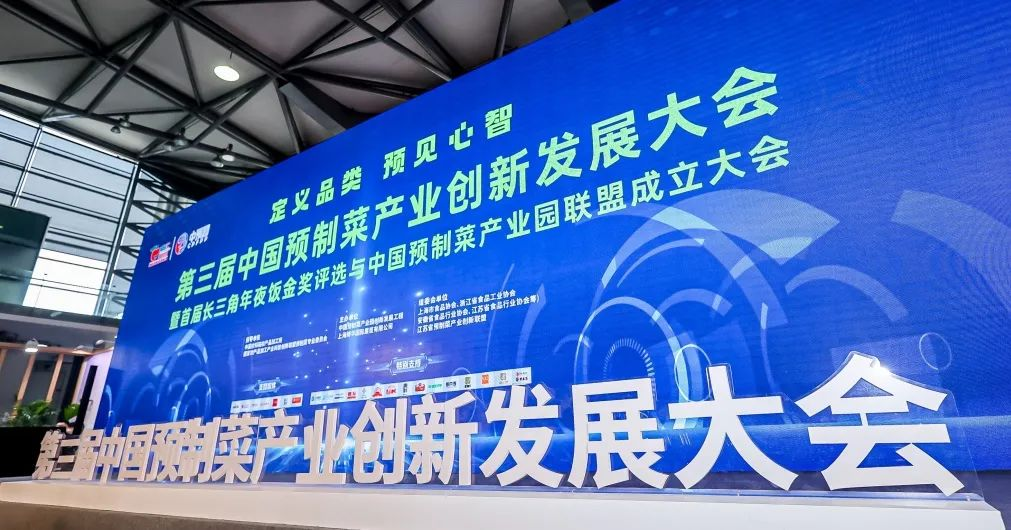
On November 9, the “Defining Categories · Envisioning Mindshare” Third China Pre-prepared Food Industry Innovation Development Conference and the First Yangtze River Delta New Year’s Eve Dinner Gold Award Selection & China Pre-prepared Food Industry Park Alliance Inaugural Conference grandly opened at the Shanghai International Expo Center. The conference was guided by the Institute of Agro-Products Processing, Chinese Academy of Agricultural Sciences, and the Pre-prepared Food Professional Committee of the National Agricultural Products Processing Industry Science and Technology Innovation Alliance, and organized by the China Pre-prepared Food Industry Park Innovation Development Project and Shanghai Bohua International Exhibition Co., Ltd. The conference focused on high-quality development and digital standard construction in the pre-prepared food industry, sharing the latest market trends, technological innovations, and consumer needs. It explored the practice and methods of the “high-quality development + consumption promotion + digitalization + industry cluster” model in the pre-prepared food industry park, aiming to create a new ecosystem for the development of pre-prepared foods. The event invited hundreds of companies from the pre-prepared food industry and its upstream, midstream, downstream, and related sectors to participate. Zhongnong Modern, as an enterprise within the industrial ecosystem, was invited to attend the conference.
At the conference, the establishment of the China Pre-prepared Food Industry Park Alliance was announced, which aims to promote the P500+ initiative nationwide, creating a network of pre-prepared food industry parks consisting of over 500 nodes. Zhongnong Modern, with over a decade of deep involvement in the agricultural industry, was awarded the position of “Vice Chairman Unit of the China Pre-prepared Food Industry Park Alliance.” The company, along with other participating units, will jointly initiate the development of digital infrastructure for the pre-prepared food industry and collaboratively build and share a digital industry service framework and platform.
Wang Zhenyu, Vice President of Zhongnong Modern Group and head of the pre-prepared food industry development division, gave a presentation titled “The Importance and Impact of Long-Term Development of Pre-prepared Food Industry Parks” and shared the group’s strategic industrial layout. He noted that the No. 1 Central Document clearly defines pre-prepared foods and their development strategy, emphasizing that the pre-prepared food industry chain involves multiple segments, including agricultural production, processing and distribution, catering services, and market consumption. It represents a new business model for agricultural transformation and upgrading, as well as a new channel for increasing farmers’ income and prosperity. The development of the pre-prepared food industry plays a crucial role in enhancing convenience, expanding food choices, and promoting agricultural industrialization. It also signifies innovation in the food industry, transformation in the catering industry, and adjustment in agricultural structure. Looking ahead, the development of the pre-prepared food industry will place greater emphasis on food safety and health, with a focus on personalized, customized, and branded growth based on consumer demand. The industry will also achieve higher levels of digitalization and place greater emphasis on environmental protection for sustainable development.
In the group’s strategic presentation, it was highlighted that Zhongnong Modern, as one of China’s top ten agricultural wholesale market operators and one of the top 100 agricultural product supply chain enterprises, has a comprehensive coverage from upstream supply chain procurement to various downstream sales channels and support systems. Currently, the group has established 20 modern agricultural industrial parks across China, covering over 4 million square meters, and is accelerating the construction of pre-prepared food industry park bases, gradually forming an industry park network.
At present, the construction and development of pre-prepared food industry parks have become important carriers for the implementation of national policies. The development of the group’s pre-prepared food division is driven by the strategic goal of becoming “China’s leading comprehensive operator in the pre-prepared food industry.” The company adheres to technology-led innovation, building digitalized parks, and operates with a brand-focused, standardized approach. It aims to strengthen the pre-prepared food industry through industrial clustering, providing a complete one-stop service from raw material supply, production and processing, standard setting, safety traceability, cold chain warehousing, cold chain logistics, to brand marketing. The mature industrial support in the parks allows pre-prepared food companies to improve quality, reduce costs, and increase efficiency, while big data analysis empowers the production, supply, and sales of pre-prepared foods, creating a new model for integrated industry development. The company also collaborates deeply with the government to incubate public pre-prepared food brands and transform regional advantages into industrial advantages.
In the future, Zhongnong Modern will fully leverage its role as the “Vice Chairman Unit of the China Pre-prepared Food Industry Park Alliance” to accelerate the construction of pre-prepared food industry parks nationwide. The company will integrate industry resources, build industry development platforms, define segmented categories, and incubate blockbuster pre-prepared food products, contributing to the sustainable development of pre-prepared food enterprises, the integration of primary, secondary, and tertiary industries, rural industrial revitalization, and the achievement of common prosperity.
FOSHAN GAINS ANOTHER DOMESTIC HIGH-END PRE-PREPARED FOOD POWERHOUSE.

On November 13, Guangdong Haizhenbao Food Development Co., Ltd. (hereinafter referred to as “Haizhenbao”) officially commenced operations in Chencun, Shunde. The company’s first phase covers an area of approximately 2,000 square meters, with an annual production capacity of 800 tons. Haizhenbao focuses on processing high-end pre-prepared foods, such as abalone in abalone sauce, poon choi, sea cucumbers, and fish maw, offering ready-to-heat meals. The facility aims to be a modern seafood processing plant that integrates cold chain storage, scientific research, product display, e-commerce live streaming, and immersive experiences.
Data shows that the market size of China’s pre-prepared food industry has been steadily growing in recent years. In 2023, the market is expected to reach 516.5 billion RMB. Over the next three years, the market is projected to grow at a high annual rate of around 20%, potentially becoming the next trillion-yuan market.
To better integrate resources, Xinguotong Group and Guangdong Tangxianglou have jointly established Haizhenbao. “We will further improve the supply chain, expand into midstream sectors, and meticulously produce high-quality, healthy seafood products,” said Zhu Ang, Chairman of Guangdong Tangxianglou and Haizhenbao. Haizhenbao aims to become a knowledge-driven enterprise, building a “three-in-one” research system that combines “research and industry,” “doctors and chefs,” and “laboratories and kitchens,” to promote the development of the high-end seafood industry and to carry forward traditional Chinese culinary culture.
“Some high-end pre-prepared foods that require advanced cooking skills, are time-consuming and labor-intensive, but have high nutritional value—such as abalone in abalone sauce, sea cucumbers, and fish maw—are increasingly popular in the market,” said Zheng Jiayuan, General Manager of Xinguotong Group. He added that the two companies will work closely together to develop Haizhenbao into one of the benchmark enterprises in China’s high-end pre-prepared food industry, contributing actively to Shunde’s goal of becoming the “National Capital of Pre-prepared Food” and a model for high-quality development in the national pre-prepared food industry.
Tan Fengxian, Director of the Shunde District Agriculture and Rural Affairs Bureau, noted that Shunde currently has more than 40 large-scale enterprises in the pre-prepared food industry, with revenues reaching 8.7 billion RMB. Shunde is fully implementing the “Hundreds, Thousands, and Tens of Thousands” initiative, positioning the pre-prepared food industry as a key sector for strengthening the district and enriching the people, promoting the integration of primary, secondary, and tertiary industries, and striving to become a national core demonstration area for the pre-prepared food industry.

BAOZHENG UNVEILS ‘DAIRY COLD CHAIN WAREHOUSE AND DISTRIBUTION SOLUTION’ AT 2023 CIIE

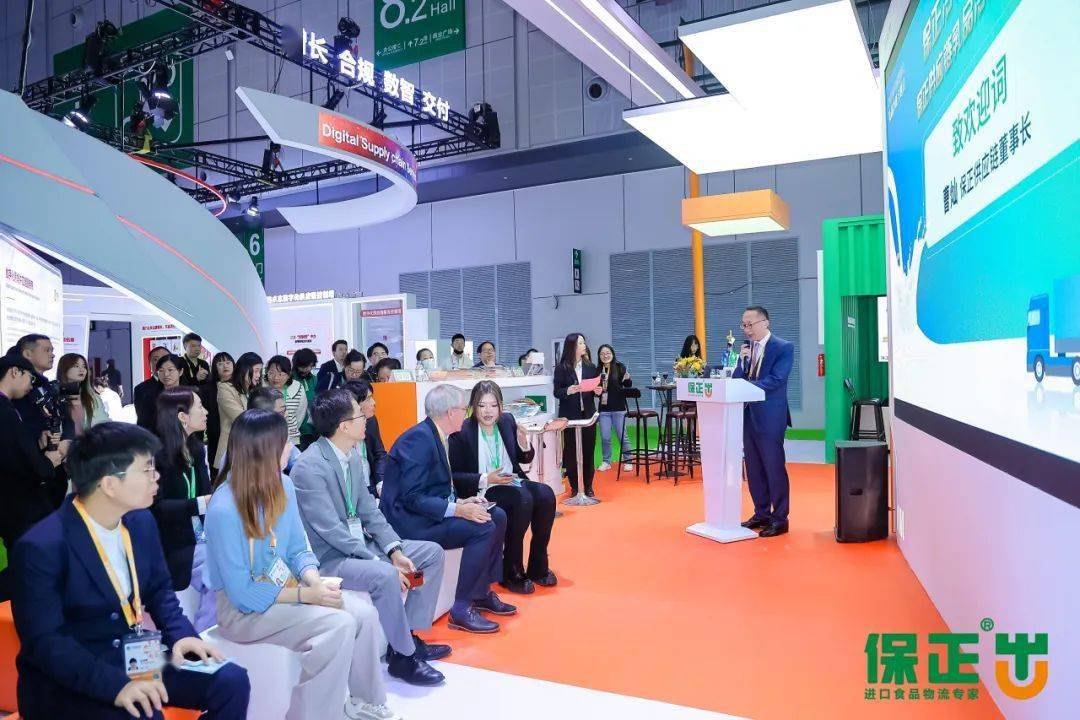
As China’s new development provides new opportunities for the world, the sixth China International Import Expo (CIIE) is being held as scheduled at the National Exhibition and Convention Center. On the morning of November 6th, Baozheng (Shanghai) Supply Chain Management Co., Ltd. hosted a new product launch and strategic cooperation signing ceremony for its dairy cold chain solution at the CIIE.
Attendees included leaders from the Cold Chain Committee of the China Federation of Logistics & Purchasing, cold chain experts from the School of Food Science at Shanghai Ocean University, as well as executives from companies such as Arla Foods amba, China Nongken Holdings Shanghai Co., Ltd., Eudorfort Dairy Products (Shanghai) Co., Ltd., Doctor Cheese (Shanghai) Technology Co., Ltd., Xinodis Foods (Shanghai) Co., Ltd., Bailaoxi (Shanghai) Food Trading Co., Ltd., and G7 E-flow Open Platform.
Mr. Cao Can, Chairman of Baozheng Supply Chain, delivered the opening speech, introducing how the company leverages its own advantages to help clients solve their dairy cold chain issues from the customer’s perspective. Mr. Cao explained that Baozheng integrates its digital technology, professional team, and extensive management experience to build its own cold storage and develop this new product—the Dairy Cold Chain Warehouse and Distribution Solution, aiming to ensure zero temperature loss for clients’ dairy products.
During the event, Mr. Liu Fei, Executive Deputy Secretary-General of the Cold Chain Committee, gave a keynote speech titled “Dairy Cold Chain Construction: A Long Road Ahead.” Mr. Liu vividly introduced the dairy industry, cold chain logistics market analysis, and current characteristics of dairy cold chains from the perspective of an industry association, offering several recommendations for the development of dairy cold chains. In a media interview, Mr. Liu urged cold chain experts like Baozheng to actively participate in the development of dairy cold chain standards and promote cold chain concepts, using platforms like the association and the CIIE to advance the cold chain industry.
Professor Zhao Yong, Vice Dean of the School of Food Science at Shanghai Ocean University, delivered a keynote speech on “Key Control Points in Dairy Cold Chains.” Professor Zhao discussed the introduction, production process, nutritional characteristics, and consumption of dairy products, described the spoilage process, shared key control points for dairy cold chain quality and safety, and highlighted four major opportunities for the future of China’s cold chain industry. In a media interview, Professor Zhao emphasized the urgent need for professional talent in the cold chain industry and encouraged closer collaboration between businesses and universities to better understand industry needs and train suitable talent.
Mr. Zhang Fuzong, East China Cold Chain Solution Delivery Director at G7 E-flow, delivered a keynote on “Transparency in Cold Chain Logistics Management,” explaining quality transparency, business transparency, and cost transparency in cold chain logistics, and sharing pathways for transparent management based on actual business scenarios.
Mr. Lei Liangwei, Strategic Sales Director at Baozheng Supply Chain, delivered a keynote on “Dairy Cold Chain Experts—Baozheng Cold Chain: Ensuring Temperature!” He introduced the dairy cold chain warehouse and distribution solution launched at this event, highlighting three service products: Baozheng Warehouse—Temperature Protection; Baozheng Transport—Zero Temperature Loss, Fully Visualized Operation; and Baozheng Distribution—Guarding the Last Mile, Fresh as New.
Finally, Baozheng Supply Chain held an electronic signing ceremony with several strategic partners, including ARLA, Nongken, Xinodis, Bailaoxi, Eudorfort, and Doctor Cheese. This strategic cooperation signing further solidified the friendly cooperative relationships between the parties. The CIIE provided a valuable platform for deeper and closer collaboration among enterprises. Baozheng Supply Chain is now a signed exhibitor for the seventh CIIE and will continue to use this national-level event for communication and display.

THE CHINA FEDERATION OF LOGISTICS AND PURCHASING COLD CHAIN COMMITTEE ATTENDS THE BAOZHENG SUPPLY CHAIN DAIRY COLD CHAIN NEW PRODUCT LAUNCH EVENT.

Baozheng Supply Chain Holds Dairy Cold Chain New Product Launch Event
On the morning of November 6, Baozheng (Shanghai) Supply Chain Management Co., Ltd. held a dairy cold chain new product launch event at the China International Import Expo (CIIE). Liu Fei, Executive Deputy Secretary-General of the China Federation of Logistics and Purchasing Cold Chain Committee, attended the event and delivered a keynote speech.
The event also featured several distinguished guests, including Professor Zhao Yong, Vice Dean of the School of Food Science at Shanghai Ocean University; Frede Juulsen, Global Head of the Infant Formula Category at Arla Foods amba; Xu Li, Supply Chain Director at China Agricultural Reclamation Holdings Shanghai Co., Ltd.; Zhu Yueqiong, General Manager of Oldenburger Dairy Products (Shanghai) Co., Ltd.; He Ziyun, Co-founder of Cheese Doctor (Shanghai) Technology Co., Ltd.; Zhu Yijie, Import Manager at Sinodis Food (Shanghai) Co., Ltd.; Huo Pei, Supply Chain Manager at Bellco (Shanghai) Food Trading Co., Ltd.; and Zhang Fuzong, East China Cold Chain Solution Delivery Director at G7 Yiliu.
The Long Road Ahead for Dairy Cold Chain Standards
Liu Fei, Executive Deputy Secretary-General of the Cold Chain Committee
At the event, Liu Fei delivered a keynote speech titled “The Construction of Dairy Cold Chains: A Long Road Ahead.” Speaking from the perspective of an industry association, Liu provided a vivid overview of the dairy industry, an analysis of the cold chain logistics market, and the current characteristics of the dairy cold chain. He also offered several recommendations for the development of the dairy cold chain.
During the media interview session, Liu Fei urged dairy cold chain experts like Baozheng to actively participate in the formulation of dairy cold chain standards and the promotion of dairy cold chain concepts. He emphasized the importance of using national-level exhibitions like the CIIE to promote and communicate about the cold chain industry, thereby driving its development.
Promoting High-Quality Development in the Dairy Cold Chain
Cao Can, Chairman of Baozheng Supply Chain, delivered the opening speech, introducing how Baozheng helps clients address their pain points in the dairy cold chain by leveraging its own advantages.
Cao emphasized that Baozheng integrates resources using its digital technology, professional teams, and extensive management experience to develop a new product— the dairy cold chain warehousing and distribution solution—aimed at ensuring zero temperature deviations for clients’ dairy cold chain products.
Cao Can, Chairman of Baozheng Supply Chain
Zhang Fuzong, East China Cold Chain Solution Delivery Director at G7 Yiliu, gave a keynote speech titled “Transparent Control of Cold Chain Logistics,” where he discussed the transparency of quality, operations, and costs in cold chain logistics. He shared practical insights into achieving transparency in cold chain logistics management based on real business scenarios.
Zhang Fuzong, East China Cold Chain Solution Delivery Director at G7 Yiliu
Professor Zhao Yong, Vice Dean of the School of Food Science at Shanghai Ocean University, delivered a keynote speech titled “Key Control Points in Dairy Cold Chains.” Professor Zhao covered topics such as an overview of dairy products, production processes, nutritional characteristics, and consumer trends. He discussed the spoilage process of dairy products, shared key control points for ensuring dairy cold chain quality and safety, and outlined four future opportunities for China’s cold chain industry.
During the media interview, Professor Zhao emphasized the urgent need for specialized talent in the cold chain industry. He encouraged enterprises to strengthen collaborations with universities to better understand industry needs and supply talent that meets industry requirements.
Zhao Yong, Vice Dean of the School of Food Science at Shanghai Ocean University
Lei Liangwei, Strategic Sales Director of Baozheng Supply Chain, gave a keynote speech titled “Dairy Cold Chain Experts—Baozheng Cold Chain: Ensuring the Right Temperature!” He provided a detailed introduction to Baozheng’s newly launched dairy cold chain warehousing and distribution solution, highlighting three key service products: Baozheng Warehouse—temperature assurance; Baozheng Transport—zero temperature deviation, fully visualized operations; and Baozheng Delivery—protecting the last mile, as fresh as ever.
Lei Liangwei, Strategic Sales Director of Baozheng Supply Chain
Finally, Baozheng Supply Chain and several strategic partners participated in a digital signing ceremony. The strategic partners included six well-known dairy companies: ARLA, China Agricultural Reclamation, Sinodis, Oldenburger, Bellco, and Cheese Doctor.
This strategic cooperation further strengthens the friendly relations between the parties!
It is platforms like the CIIE that provide opportunities for deeper and closer exchanges and cooperation between enterprises.
THE TREND REPORT ON FROZEN SNACKS HAS BEEN RELEASED: ROYAL TIGER BECOMES THE “KING OF FROZEN SNACKS” WITH ITS HIGH-QUALITY PRODUCTS.
Recently, iiMedia Research released the “2023 China Frozen Snack Food Consumption Trend Insight Report.” In the report, iiMedia Research provides an in-depth analysis of the current state of the domestic frozen snack industry and consumer behavior. According to the data, the market size of China’s frozen snack industry reached 19.13 billion RMB in 2023, with the potential to surpass 20 billion RMB by the end of the year. With new trends in dining consumption, advancements in cold chain technology, and the rise of live-streaming e-commerce, the frozen snack market is expected to continue its growth.
In this context, the development paths and trends of both traditional frozen food enterprises and emerging frozen snack brands are particularly noteworthy. How are traditional brands leveraging their advantages to effectively plan their frozen snack products? And how are emerging brands innovating and developing to carve out new consumer markets with high-quality products? This report provides answers to these questions.
Driving Industry Development Through R&D and Production
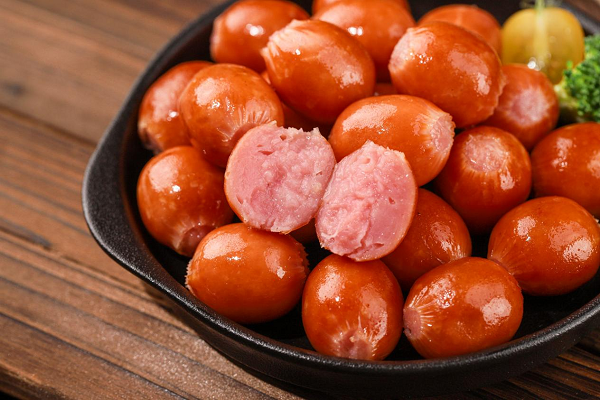
As two giants in the traditional frozen food sector, Synear Foods relies on its production advantages, operating five production bases in China with an annual output of over 900,000 tons of frozen food. Anjoy Foods, with 55 patents approved in a single year, drives brand transformation and upgrading through its strong product R&D capabilities. Meanwhile, emerging frozen snack brand Royal Tiger focuses on R&D in the frozen snack category, successfully creating blockbuster products like grilled sausages, egg tarts, paratha, and chicken rolls, with annual sales exceeding 1 billion RMB. In 2022, Royal Tiger secured its position as the “King of Frozen Snacks” with the highest online sales in the frozen snack category, holding a 14.9% market share.
From innovative R&D to steady production, traditional frozen food companies and emerging frozen snack brands are working together to push the boundaries of the frozen snack category and achieve a leap in quality. Under the influence of these brands, the frozen snack industry has seen rapid growth. Data shows that 97% of respondents have purchased frozen food, with 75.9% having bought frozen snacks—far exceeding the purchase rates of traditional staple foods and frozen hot pot ingredients. The rising consumer enthusiasm for frozen snacks has made them the top segment within the frozen food industry.
Efficient Innovation and R&D: Brands Enhance Quality of Life
Through continuous innovation, more and more frozen snacks are gaining attention. From well-known products like paratha and grilled sausages to recently popular items like egg tarts, chicken rolls, and pizzas, the diverse range of frozen snacks offers personalized choices for consumers. Alongside category innovation, the trend toward extreme product innovation has become a key focus for brand development. For example, Royal Tiger has introduced six different series of grilled sausages, including crispy sausages, starch-free sausages, fresh meat sausages, and burst-juice sausages, with each series offering a variety of flavors to meet different consumer preferences. Shedding the label of being “monotonous,” frozen snacks are taking on a “rich and vibrant” image through brand-driven innovation.
On the other hand, the rapid development of cold chain technology and logistics has allowed frozen snacks to overcome time and space limitations, quickly reaching consumers’ tables. Anjoy Foods, the “King of Frozen Foods,” has partnered with oTMS to achieve digital management of transportation, enhancing product competitiveness. Royal Tiger, the “King of Frozen Snacks,” has established 12 warehouses nationwide and built its own end-to-end digital system, enabling efficient order fulfillment through process automation and data visualization. The ability to quickly integrate into countless household consumption scenarios and enhance quality of life is a key reason why frozen snacks are winning widespread consumer favor.
Today, frozen snacks have become a new trend in national food consumption, reflecting a comprehensive leap in Chinese food consumption in terms of technology, culture, and science. In the future, the frozen snack industry is expected to enter an era of “category innovation, quality upgrading, technological empowerment, and flavor-centric development.” Beyond traditional brands like Synear and Anjoy and emerging brands like Royal Tiger, more and more new brands will continue exploring the numerous possibilities in the frozen snack sector.
HEALTH AND WELLNESS BECOME GLOBAL HOT TOPICS: A LARGE NUMBER OF HEALTH FOODS MAKE THEIR DEBUT AT THE CHINA INTERNATIONAL IMPORT EXPORT

“Health and Wellness Become Global Hot Topics: Numerous Health Foods Make Their Debut at the China International Import Expo”
As awareness and demand for health continue to rise, the health and wellness industry has become a global hotspot and a new economic growth point. Innovations and breakthroughs in products are continuously emerging. From November 5 to 10, the sixth China International Import Expo (CIIE) was held in Shanghai. The event saw an increasing number of exhibitors using the expo as a prime platform to showcase their latest achievements, with many health foods making their debut.
Nongxuanli Yijia’s Global Debut at CIIE: Meeting Chinese Consumer Demand
At Danone’s booth, Nongxuanli Yijia, a full-nutrition formula product, made its global debut, attracting a large number of spectators and inquiries. Each bottle contains 9.4 grams of high-quality milk protein, 28 vitamins and minerals, and 2.6 grams of dietary fiber. Not only does it offer balanced nutrition, but its stylish packaging, smooth taste, and diverse flavors also make dietary choices during recovery more varied.
Nongxuanli Yijia, developed by Danone Nutricia specifically for Chinese consumers, is currently the only multi-flavor liquid formula among the class I full-nutrition special medical products available domestically. The product features a comprehensive nutritional formula to meet recovery needs while offering innovative flavors and an ready-to-drink format to address the “compliance challenge” in recovery nutrition. It integrates traditional Chinese wellness concepts, with a new red date and goji berry flavor. Additionally, Nongxuanli Yijia is presented in a ready-to-drink form, eliminating the need for preparation and ensuring precise dosing, making it convenient to carry and consume. More flavors are expected to be introduced to meet consumer preferences for diverse tastes.
Multiple Products Debut, Demonstrating “Dual-Drive” Strength
As a “veteran” exhibitor at the expo, Ausnutria Dairy has returned for the sixth year with its brands Kabrita, Hyproca1897, Enlit, Oz Farm, and Nutrition Care. Four brands launched new products, and two brands made their debut at the event. At the press conference, Wei Yanqing, Vice President of Ausnutria Dairy China, stated that the company uses the CIIE platform to enhance its “two-way connection” with the international market and convey its mission of “global nutrition, nurturing growth” more vividly. Ausnutria plans to continue focusing on the milk powder sector to ensure steady growth in its core business while also expanding its nutrition product range to explore new market opportunities.
At the event, Hyproca1897 introduced “Hyproca1897·Youlan (New National Standard),” featuring rare organic milk sources from Dutch farms and covering 13 key nutrients. Enlit showcased its “Enlit Gold Diamond Edition,” focusing on digestive absorption, and Nutrition Care presented “NC Gut Health Plus Capsules” and “NC Daily Cold Chain Probiotics.” The “NC Gut Health Plus Capsules” include the patented Pylopass probiotic and other nutrients to alleviate stomach discomfort. The “NC Daily Cold Chain Probiotics” feature eight high-quality probiotics and maintain high activity through cold chain transportation. Additionally, Kabrita’s popular “Yuebai (New National Standard)” and Enlit’s “Enlit Classic Edition (New National Standard)” made their debut at the expo. Ausnutria also showcased nearly 50 products collectively.
In addition to the exhibits and new products, the Ausnutria booth featured a stage area, a gourmet food section, and a “Helicobacter pylori” test area, attracting numerous visitors. The interactive experiences included Kabrita goat milk ice cream, nutritional product fashion shows, and health knowledge quizzes, providing an all-sensory nutrition and health experience.
Nestlé: Upgraded Nan Pro 3 Unveiled with Enhanced Allergy Protection
At Nestlé’s booth, 341 premium products from 16 countries were showcased. This year marks Nestlé’s sixth participation in the CIIE.
The exhibition emphasized Nestlé’s achievements in large categories, high-end products, and nutritional health. New products included the Crunch® wafers and the Australian-imported Nestlé Milo, as well as well-known Nestlé products like Perrier, San Pellegrino, and Purina, and the Italian chocolate brand Bacchi Baci. Other highlights included the “Instant 5 Minutes” and “Global Cuisine” series from Tatale, and the new limited-edition festive capsules from Nespresso.
Nestlé’s health science division introduced groundbreaking innovations, including Modulen® IBD for Crohn’s disease, Wyeth’s new national standard formula, and the first cat food to significantly reduce allergens in three weeks, Pro Plan LiveClear.
Notably, Nestlé’s infant nutrition division unveiled the upgraded Nan Pro 3, featuring a combination of six types of human milk oligosaccharides (HMOs) and infant bifidobacteria (B. infantis) for enhanced proactive allergy protection.
Nestlé Group Executive Vice President and Chairman and CEO of Nestlé Greater China, Zhang Xiqiang, said, “2023 marks the 37th year of Nestlé’s entry into the Chinese market. Nestlé’s commitment to China is long-term, and we are confident in further rooting ourselves in the Chinese market alongside China’s economic growth, contributing to high-quality economic development. The CIIE has witnessed important moments of signing and cooperation with many industry partners and has allowed us to present many ‘new products and new experiences’ to Chinese consumers.”
Good Nature: Over 20 Years of Functional Food Development Experience and One-Stop Brand Incubation Services
At the booth of Naturies Ora Health Manufacture Ltd of New Zealand (referred to as “Good Nature”), the high-end, technologically advanced booth design and various advanced production forms of Naturies series products drew industry attention.
According to staff, Good Nature has its own source factory in New Zealand and over 20 years of experience in developing nutritional and functional foods, including advanced health supplements, dairy products, functional foods, and pet foods. They offer a range of product forms such as powders, tablets, soft gels, hard capsules, beverages, and jellies, meeting diverse needs. Additionally, their robust supply chain network and logistics management ensure timely delivery and manageable inventory.
For exhibitors’ concerns about local services, the company provides scientific assistance to help clients with product and brand localization services in New Zealand, including local sales, video shooting, and live streaming services.
Since entering China in 2004, Good Nature has provided a one-stop brand incubation service from “New Zealand trademark registration, product concept planning, product packaging design, Chinese regulatory review, New Zealand production, New Zealand export, logistics transportation, China customs clearance, and brand localization guidance.”

GAODE “AMBUSHES” MEITUAN AND JD.COM, EMERGING AS A DARK HORSE IN THE ERRAND SERVICE INDUSTRY.

The rapid decline of mobile internet dividends has made major companies more rational in their pursuit of new trends. When previously booming sectors become overcrowded, these companies often pivot back to older, once-popular trends, as innovation carries increasing risks, and large companies are growing more averse to these risks.
For example, Alipay has once again launched the UGC (User-Generated Content) creation feature in its Life Account section, marking yet another push into the content space. Meituan has introduced “Tuan Mai Mai,” reigniting the community group buying wars, while SF Express is eyeing the live e-commerce sector and is busy expanding its supply chain.
Recently, Gaode has also set its sights on a business that is neither trendy nor new: errand services. The Gaode Map app has quietly rolled out the “Gaode Miao Song” service in cities such as Beijing, Wuhan, and Hangzhou, following a third-party aggregation model similar to ride-hailing. Currently, it only integrates with Ele.me’s Fengniao Errand service.
According to a report by iiMedia Research, the domestic errand service market is expected to reach 66.5 billion RMB by 2025, maintaining double-digit annual compound growth rates in recent years. The future indeed looks bright. However, as a core player in Alibaba’s local services, Gaode’s ambitions likely extend far beyond this 66.5 billion RMB market.
Gaode as the Vanguard, Alibaba Local Services in Pursuit
Without large-scale promotion or a full launch, “Gaode Miao Song” seems more like a “sneak attack.” Currently, the service offers only two features: “Help Me Pick Up” and “Help Me Deliver,” and it has not been given a primary entry point on the home page. Users can access the ordering page through keyword searches. The discounts are modest, with a first-order discount of 5 RMB, indicating a restrained investment by the platform.
When asked about the details of this service, a Gaode spokesperson confirmed that “Gaode Miao Song” would follow a third-party aggregation model to build an open ecosystem, aligning with publicly available information. Gaode’s reason for entering the errand service industry was to “respond to user demand.”
This reasoning is not without merit. As an extension of instant delivery, the errand service industry may not be large, but it aligns with market trends and is seeing growing user loyalty.
In the early years, errand services were predominantly used in office settings for urgent intra-city deliveries of documents and small items. But now, the scope of errand services has expanded to various fields, especially those catering to end consumers. Statistics from iiMedia Research show that 38.4% of users use errand platforms to pick up or deliver forgotten items, while 37.3% use them to purchase items directly.
The growing dependency of Gen Z—the loyal supporters of the “lazy economy”—on errand platforms is particularly noteworthy. Surveys indicate that 37% of young users aged 19-25 use errand services at least 1-4 times per month, with the majority located in first- and second-tier cities. The services they seek are not limited to delivery and pickup but also include emerging tasks like queueing on behalf of others.
Beyond responding to user demands, Gaode also has its own need to expand its service range.
Following Alibaba’s “1+6+N” organizational restructuring, which allows for the spin-off and listing of its business groups, Taotian Group, Cainiao, Alibaba Pictures, Alibaba Cloud, International Digital Commerce, and the Local Services Group have all embarked on a race to go public. The rationale is simple: after leaving behind the era of collective resources, these groups need to fend for themselves, striving for high valuations and more funding through public listings. Consequently, relationships between the various business groups have become more complex.
Currently, Alibaba Cloud and Cainiao have taken the lead, having secured board approval to proceed with their IPOs, while the still-loss-making Alibaba International Digital Commerce Group is also rumored to be planning a listing. Taotian Group’s situation is unique, as its self-sufficiency, influence, and internal standing are unquestionable, making its IPO less crucial. This leaves Alibaba Pictures and Local Services lagging behind, both in urgent need of catching up.
Compared to other business groups, Alibaba Local Services has seen relatively few internal adjustments in recent years and continues to pursue a strategy of simultaneous focus on in-home, in-store, and destination services, with Ele.me, Gaode, and Fliggy as its core pillars. Among these, Gaode has been the standout, receiving the most resources from the group.
Of Alibaba Local Services’ three flagship apps, Gaode is indeed closest to the users and has the most room for expansion. Gaode has long ceased to be just a map app, and it is no longer limited to the travel sector, gradually expanding into various local service segments.
The launch of “Gaode Miao Song” is merely a signal; Gaode and Alibaba Local Services’ expansion has not yet reached its peak.
A Decade with Alibaba: The Evolution of Gaode into a “Super App”
Reflecting on Gaode’s early days within Alibaba, there was little connection to local services, and even its main business of navigation was not performing well.
Gaode’s last financial report before being privatized by Alibaba (Q3 2013) showed a net loss of $6.7 million, with marketing and R&D expenses surging by 150% and 75% year-on-year, respectively. The situation was far from optimistic. At the time, Baidu had already acquired Nuomi and merged it with Baidu Maps, and Tencent and Meituan were making moves in the travel industry, leaving Gaode surrounded by competition.
After the acquisition, Alibaba appointed a key figure to lead Gaode: Yu Yongfu. As an executive most familiar with local services and O2O within Alibaba, Yu made a surprising decision after assuming the role of Gaode’s president: he cut all O2O services and refocused on Gaode’s core business of navigation, avoiding direct competition with Baidu.
Yu later recalled that this decision was difficult but necessary: “If we didn’t act quickly, Gaode would be in danger.” He believed that O2O at that time had not yet moved beyond the inertia of e-commerce thinking and lacked true understanding of user needs. By stabilizing its core business and retaining users, Gaode could then extract valuable insights from user travel data, making other services meaningful.
In hindsight, Yu’s decision was undoubtedly the right one. Baidu Nuomi flopped after investing 20 billion RMB, eventually shutting down in December 2022, while Gaode’s improved LBS+O2O model became increasingly successful.
Opening the Gaode Map app now reveals a wide array of services.
It is no exaggeration to say that Gaode has the potential to become a “super app,” akin to WeChat, Alipay, and Meituan.
Navigation, ride-hailing, and public transportation/flight information queries are the basics. Features like electric vehicle screen projection, driving cruise control, and corporate business car services are also understandable as they fall under travel services. But Gaode’s offerings extend far beyond that.
As an extension of travel services, Gaode provides smart insurance products like “Smart Car Insurance” and “Travel Protection,” as well as automotive after-sales services such as discounted fueling and car washes. Additionally, there are various lifestyle services seemingly unrelated to travel: mobile phone top-ups, medicine delivery, restaurant reservations, and even online housing rentals and medical appointments.
Since being designated as a core project by Alibaba Local Services in 2022, Gaode has accelerated its penetration into the local services sector. In August this year, Gaode partnered with over 4,000 Apple authorized resellers nationwide to launch the “Buy on the Go, Pick Up Nearby” service, continuing to explore “third living service scenarios.” Earlier, Gaode also collaborated with Starbucks to launch the “Street Pickup” service, covering over 1,000 stores across the country.
In Gaode’s vision, the map is merely a carrier and a gateway to traffic—a gateway filled with potential. After all, travel is just one aspect of life services, inherently connected to other aspects.
Simply put, travel is a means, while consumption is the end goal. When users open Gaode to navigate to a destination, they might be going out to dine, socialize, or vacation at a hotel or scenic spot. Since Gaode already has the navigation function and controls the traffic source, why not capture the downstream traffic as well?
It must be said that Gaode’s approach bears striking similarities to Robin Li’s envisioned LBS+O2O model. LBS (Location-Based Services) involves using the map’s navigation function to capture traffic and then directing it to various O2O services. Baidu Nuomi’s failure was due, in part, to its failure to truly understand user needs, instead “creating demand” through heavy subsidies. Additionally, its timing was unfortunate, coinciding with Meituan’s rise.
In contrast, Gaode’s current situation is much more optimistic. However, with Baidu Nuomi’s precedent, caution is still necessary. This new errand service could be a litmus test to see how far Gaode’s boundaries can be extended.
Can Alibaba Local Services Harness Synergy Amidst Complex Business Lines?
When analyzing a business’s prospects, two key questions arise: externally, can it withstand competition and capture industry growth? Internally, can it concentrate core resources and fully leverage its strengths?
The external factor seems manageable. While the errand service industry has both new and established players, the competition is not yet cutthroat, and there are few platforms adopting an aggregation model, leaving Gaode with room to capture market share.
The main players in the errand service market fall into two categories: comprehensive platforms like Meituan Errands, Ele.me Errands, and Dada Group, which cover a range of services such as intra-city delivery, purchasing on behalf of users, and errand running; and single-service platforms like SF Intra-city, which focuses on intra-city delivery of B2B business items.
SF Intra-city dominates the B2B segment, while the C2C market is highly fragmented. Dada Group, backed by JD.com, connects with large supermarkets and shopping centers and has a loyal user base, while Meituan and Ele.me excel in traffic and last-mile delivery, offering the broadest range of services. Gaode’s collaboration with Ele.me and its affiliated errand platform reduces costs and shares risks, benefiting both parties.
The internal challenge may be more complex.
The longstanding issue for Alibaba Local Services, and even the broader Alibaba Group, has been the difficulty of forming synergy due to the multitude of business lines, blurred boundaries between competition and collaboration among different teams, and the vast scope of local services, which involves a wide range of projects. Frequent organizational changes and communication barriers between teams have also contributed to this problem.
Take the fresh food e-commerce sector, for example. Beyond short-lived products like “Cai Huashuan,” Alibaba has deployed multiple teams, including Taoxianda, Hema, and Taocaicai, in this space. These teams belong to different business groups, have separate reporting lines, and different executives in charge, yet they target overlapping customer bases and end up competing internally, leading to unnecessary resource diversion.
The good news is that outside of the Local Services Group, other Alibaba business units have not heavily ventured into the errand service space, so the issues seen in fresh food e-commerce are unlikely to repeat. More importantly, Gaode has always adhered to an aggregation model, building an open ecosystem that attracts traffic and facilitates transactions through its platform advantage, avoiding conflicts of interest with the platforms it hosts—regardless of whether those platforms have an Alibaba background.
The only remaining issue for the higher-ups might be the internal allocation of resources and improving operational efficiency.
There are rumors that Yu Yongfu, in his early days of managing Gaode, was very dissatisfied with the company’s internal efficiency. At that time, Gaode was simultaneously focusing on multiple projects, such as in-car connectivity and mobile applications, requiring significant resources. However, the back-end departments, such as technology and finance, struggled to keep pace, and Yu found the lengthy reporting lines and aimless discussions in meetings unbearable.
Yu’s solution was to eliminate traditional weekly meetings, replace them with a project team system, and later establish a “class committee” structure with senior executives like Chen Yonghai, Wei Dong, Dong Zhennin, and Tian Mi overseeing different projects, a system that has persisted for many years. Although Yu Yongfu now has a heavier workload and is no longer on the front line of Gaode’s management, the rules he set and the emphasis on efficient operations that he instilled in the team continue to influence every Gaode employee.
Looking back, it’s been ten years since Gaode joined the Alibaba family. Although Alibaba has not disclosed detailed revenue figures for Gaode, its user base growth is evident, and its valuation has undoubtedly risen. Gaode, which was not yet profitable when it joined Alibaba, has certainly proven its worth, dispelling doubts about its premium acquisition.
Now, it may be time for Gaode to repay Alibaba’s trust and take on a leading role in the local services sector.