


OPEX Cold Storage Automation Solution Highlights Multi-Temperature Fulfillment Innovation
OPEX Cold Storage Automation Solution Highlights Multi-Temperature Fulfillment Innovation
Source: OPEX Corporation
What Happened
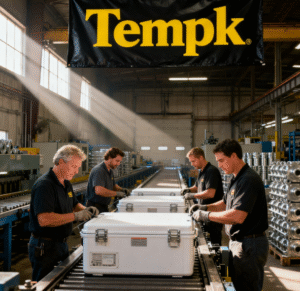
OPEX Corporation has been recognized by Logistics Matters with the 2026 Warehouse Solution of the Year Award for its first-of-its-kind cold storage automation solution. The announcement highlights OPEX’s multi-temperature, multi-deep cold storage capability for automated warehouse fulfillment systems, developed through a technology partnership with cold chain commerce innovator Peltier.
The solution brings multi-temperature functionality into OPEX’s Perfect Pick and Infinity automated storage and retrieval systems through the use of Peltier Tote technology. For cold chain operators, this is relevant because it points to a more flexible fulfillment model where ambient, chilled, and frozen products can be handled within a more integrated automation environment.
How It Works
The OPEX-Peltier model uses temperature-controlled totes within automated storage and retrieval workflows. Instead of relying only on large freezer rooms, separate chilled chambers, or fully dedicated cold storage infrastructure, the system allows individual totes to maintain controlled temperature setpoints while moving through an automated warehouse environment.
The solution is designed to support ambient, refrigerated, and frozen products within a single AS/RS framework. Each tote can be supported with power while in multi-deep storage, and temperatures are maintained during transport by OPEX iBOT robotic vehicles.
From a cold chain engineering perspective, this approach addresses a long-standing operational challenge: how to combine automated fulfillment speed with temperature-controlled product integrity. Traditional freezer environments can be expensive, labor-intensive, and difficult to automate at high speed. A tote-level cold chain system creates a more modular structure, allowing temperature control to move closer to the product unit.
Why It Matters
Cold chain fulfillment is becoming more complex as grocery, pharmaceutical, life sciences, foodservice, and e-commerce operators handle more mixed-temperature orders. A single customer order may include frozen products, chilled products, and ambient goods. Managing these flows through separate infrastructure can create extra handling steps, longer pick cycles, higher labor requirements, and greater temperature excursion risk.
Multi-temperature automation can reduce those barriers. By integrating controlled-temperature totes into AS/RS workflows, operators may reduce product handoffs, improve pick accuracy, and support faster order assembly while maintaining cold chain integrity.
This is especially important for high-throughput fulfillment environments where labor availability, energy cost, warehouse footprint, and service-level performance all affect operating economics.
B2B Impact
For grocery and foodservice operators, the OPEX solution highlights a potential path toward more flexible mixed-temperature fulfillment. Instead of separating frozen, chilled, and ambient order flows into disconnected operational zones, retailers may be able to consolidate more activity into an automated system.
For pharmaceutical and life sciences logistics providers, the same concept may support tighter product control in facilities handling temperature-sensitive healthcare products, provided that validation, qualification, and monitoring requirements are properly addressed.
For cold chain equipment and automation suppliers, the development signals rising demand for systems that combine robotics, temperature control, IoT connectivity, and real-time condition monitoring. Buyers are no longer looking only for more cold storage capacity. They increasingly need automation that protects product integrity while improving throughput.
For B2B cold chain solution providers, the strategic takeaway is clear: future cold chain fulfillment will be more modular, data-driven, and product-level. Solutions that bring temperature control closer to the handling unit may help operators reduce infrastructure complexity while improving operational flexibility.
Identiv Launches Battery-Free Smart Labels for Cold Chain Monitoring
Identiv Launches Battery-Free Smart Labels for Cold Chain Visibility

What Happened
Identiv has launched ID-Pixels 3.0, a new family of Bluetooth Low Energy inlays and labels designed to bring continuous sensing and real-world data capture into physical supply chains. The product is built on Wiliot’s Gen3 IC and is positioned for scalable deployment across retail, logistics, pharmaceuticals, food, smart packaging, and cold-chain monitoring applications.
For cold chain users, the significance is clear: visibility is moving closer to the product level. Instead of relying only on warehouse systems, vehicle telematics, or package-level data loggers, smart labels can help capture condition data directly from goods, cartons, or handling units moving through complex distribution networks.
How It Works
ID-Pixels 3.0 combines a compact self-adhesive label format with energy harvesting and integrated sensing. The label is designed to harvest energy from ambient Bluetooth and UHF signals, removing the need for batteries while supporting high-volume deployment across large item populations.
Each label carries a unique digital ID and can capture condition data such as location, temperature, humidity, and light exposure. When integrated with the Wiliot Physical AI platform, this data stream can be converted into operational insights for automated inventory tracking, shipment verification, asset tracking, and cold-chain monitoring.
From a temperature-controlled logistics perspective, this type of label can support a more granular view of cold chain integrity. It can help logistics teams understand not only where products are, but also what environmental conditions they experienced during storage, handling, and transportation.
Why It Matters
Cold chain monitoring is shifting from periodic checkpoints to continuous condition visibility. Traditional tracking methods often depend on manual scans, fixed readers, refrigerated vehicle telemetry, or shipment-level data loggers. These tools remain important, but they may not fully capture item-level exposure during handling, transfer, storage, or last-mile movement.
Battery-free smart labels can help close that gap. For pharmaceuticals, biologics, fresh food, dairy, frozen products, and high-value perishables, condition history is becoming part of quality assurance. Temperature, humidity, and light exposure data can support product release decisions, claims management, shelf-life protection, and compliance documentation.
The battery-free design is also commercially relevant. If labels can operate without battery maintenance, replacement, or disposal constraints, they become more practical for large-scale use across retail and logistics networks where millions of items may need to be monitored.
B2B Impact
For pharmaceutical and healthcare logistics providers, ID-Pixels 3.0 points toward more scalable item-level monitoring for temperature-sensitive products. The technology may support stronger shipment visibility, deviation investigation, and chain-of-custody documentation when used alongside validated packaging and GDP-aligned handling procedures.
For food and grocery supply chains, smart labels can help improve freshness management, reduce shrink, support food safety programs, and create better visibility across chilled and frozen distribution networks.
For cold chain packaging providers, this development reinforces the need to integrate thermal packaging with digital monitoring. Packaging performance, lane qualification, temperature mapping, and smart sensing will increasingly need to work together as one validated cold chain system.
For B2B cold chain solution providers, the message is clear: the market is moving from passive protection toward connected product integrity. Providers that combine insulation, thermal control, condition monitoring, and actionable data will have stronger value in future temperature-controlled logistics projects.
SEO Title: Cold Chain Air Cargo Resilience Depends on Lane-Level Capacity Intelligence
Original Author: Thomas Hultermans
Source: Food Logistics
Company / Data Source Referenced: Accenture
What Happened
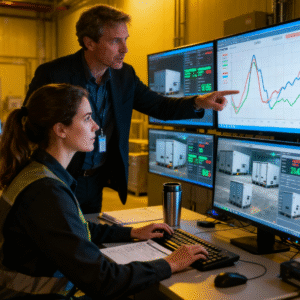
Food Logistics published a technical cold chain air cargo analysis by Thomas Hultermans, using Accenture Cargo analysis to explain why lane-level capacity intelligence is becoming more important for temperature-sensitive logistics.
The article focuses on a practical cold chain problem: global air cargo averages do not show the real operating risk faced by perishables, pharma, chilled products, frozen food, flowers, seafood, and other temperature-sensitive cargo. For cold chain planners, the more important question is whether the right capacity will be available on the right corridor, during the right season, with enough resilience to absorb disruption.
This is classified as a Fallback item because it is a technical / trend article rather than a single company infrastructure event. However, it is highly relevant for cold chain logistics users because it directly addresses lane-level risk, time-sensitive perishables, air cargo capacity, and temperature-controlled service reliability.
How It Works
Lane-level capacity intelligence combines multiple data layers: trade flow signals, historical volume patterns, route-specific capacity, seasonal peaks, hub dependency, aircraft type, and short-horizon nowcasts. Instead of asking whether air cargo demand is generally rising or falling, cold chain teams evaluate whether a specific origin-destination lane can support a specific product flow at a specific time.
For perishable cargo, this matters because temperature-controlled airfreight is often used when shelf life is short and delay tolerance is limited. Produce, seafood, flowers, chilled proteins, and frozen products can lose commercial value quickly if transit time, dwell time, or rebooking risk increases.
The article highlights that temperature-controlled perishables do not always follow broad market trends. A global air cargo market may show growth, while a specific perishable corridor may contract or face capacity pressure. That gap is exactly where cold chain service failures occur.
Why It Matters
Cold chain resilience is becoming more data-driven. Traditional planning often focuses on carrier selection, packaging choice, and shipment booking. Those remain important, but they are not enough when capacity risk is concentrated by lane, season, hub, and commodity type.
For temperature-sensitive air cargo, the risk is not only temperature excursion. It is also capacity mismatch, missed uplift, extended dwell time, route disruption, and forced rebooking. Each of these can reduce product shelf life and increase loss exposure before the cargo reaches the buyer.
This is especially important for perishables because they are volume-sensitive and margin-sensitive. A service failure can quickly become a write-off, quality claim, or lost retail opportunity. Pharma also benefits from lane intelligence, but the economics differ because healthcare products are often lower in volume and higher in value density.
B2B Impact
For cold chain logistics providers, lane-level intelligence can become a competitive advantage. Providers that can identify capacity risk before shipment departure will be better positioned to protect product integrity and reduce service failure.
For food exporters, seafood suppliers, floral shippers, and produce distributors, the value is better route planning. Understanding which lanes are tightening, which hubs are vulnerable, and where seasonal pressure is building can help reduce emergency rebooking and avoid preventable shelf-life loss.
For pharmaceutical logistics teams, the same concept supports qualified lane planning, intervention readiness, and shipment risk assessment. While pharma shipments often rely on validated packaging and GDP-aligned procedures, route-level capacity intelligence can still reduce avoidable deviations and improve contingency planning.
For cold chain technology providers, this trend creates demand for predictive analytics, route risk scoring, capacity visibility, shipment monitoring, and decision-support platforms that connect logistics planning with real-world lane performance.
The broader message is clear: cold chain resilience is moving beyond temperature control alone. The next layer of performance will come from predictive lane intelligence, capacity readiness, and proactive exception management before products ever leave the dock.
Pharma Cold Chain Logistics Shifts Toward Qualified Temperature-Controlled Corridors
Source: Pharmaceutical Commerce
Original Author: Frontier Scientific
Original URL:
https://www.pharmaceuticalcommerce.com/view/qualified-temperature-controlled-corridors-the-future-is-here
Qualified Temperature-Controlled Corridors Are Becoming a New Standard in Pharma Logistics
What Happened
A growing number of pharmaceutical logistics providers are moving beyond traditional temperature-controlled transportation and adopting qualified temperature-controlled corridors (QTCCs). According to Frontier Scientific, writing in Pharmaceutical Commerce, the industry is increasingly focusing on lane qualification and corridor validation as a way to improve compliance performance and reduce cold chain risk.
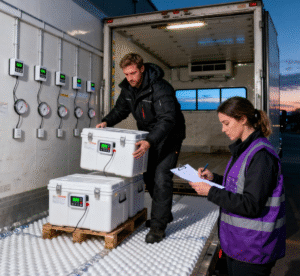
Rather than validating individual shipments only, qualified corridors establish documented and repeatable temperature-control performance across an entire logistics route, including airports, warehouses, ground handlers, transport providers, and transfer points.
How It Works
A qualified corridor combines validated infrastructure, GDP-aligned operating procedures, temperature monitoring, handling controls, and documented performance verification throughout a shipment lane.
The objective is to reduce temperature excursion risk by controlling every major touchpoint rather than relying solely on insulated packaging or active containers.
Under this model, stakeholders assess route performance, seasonal conditions, transfer procedures, dwell times, warehouse environments, airport operations, and transportation assets. The resulting corridor becomes a pre-qualified logistics pathway capable of supporting sensitive pharmaceutical products with greater consistency.
Why It Matters
The pharmaceutical cold chain is becoming increasingly dependent on biologics, specialty medicines, advanced therapies, and other products that have narrow thermal tolerances. Traditional shipment-by-shipment control can become inefficient as product portfolios expand.
Qualified corridors shift the focus from reactive deviation management toward proactive risk reduction. By validating route performance in advance, pharmaceutical companies can gain better predictability, reduce quality incidents, and improve regulatory readiness.
This approach also supports greater confidence in global healthcare supply chains where multiple logistics partners may be involved in a single shipment.
B2B Impact
For pharmaceutical manufacturers, corridor qualification can improve lane reliability and reduce operational uncertainty across international distribution networks.
For cold chain packaging providers, the trend creates opportunities for lane-specific packout validation, thermal risk assessment, and packaging optimization based on validated route performance.
For monitoring technology providers, qualified corridors increase demand for real-time visibility platforms, calibrated sensors, temperature mapping, and deviation analytics.
For logistics providers, the market is moving toward documented cold chain integrity rather than simple temperature-controlled transportation. Companies capable of providing validated corridors, compliance documentation, and performance evidence will be better positioned in future pharmaceutical supply chains.
Dock Shelters Market Outlook to 2035: E-Commerce and Energy Efficiency
Introduction
The global dock shelters market is poised for significant growth through 2035, driven by the rapid expansion of e-commerce, advancements in warehouse automation, and a heightened focus on energy efficiency. These specialized sealing systems are critical for maintaining temperature-controlled environments, reducing energy loss, and enhancing safety at loading docks.
Understanding Dock Shelters and Their Evolution
Dock shelters are installed at loading dock openings to create a weatherproof, insulated barrier between trucks and warehouse facilities. Their primary functions include preventing weather ingress, minimizing energy consumption, and safeguarding temperature-sensitive goods. Modern systems have evolved from simple weather protection to sophisticated solutions incorporating inflatable, foam-filled, fabric, hybrid, and insulated designs tailored to specific operational needs and climate conditions.
Market Drivers and Growth Outlook
Impact of E-Commerce and Cold Chain Expansion
The surge in e-commerce has transformed logistics, demanding faster, more efficient, and temperature-sensitive loading operations. Fulfillment centers require high-speed, durable dock shelters to support rapid truck turnaround times, especially in urban micro-fulfillment hubs. Simultaneously, the growth of refrigerated warehousing and stricter food safety regulations are fueling demand for insulated and inflatable dock shelters in cold chain logistics, ensuring product integrity during loading and unloading.
Sustainability and Energy Efficiency Trends
Environmental concerns and corporate sustainability goals are prompting companies to retrofit older dock equipment with energy-efficient solutions. Modern dock shelters help reduce carbon footprints by minimizing energy loss, particularly in cold storage and pharmaceutical environments. This trend aligns with global initiatives to lower industrial emissions and improve operational sustainability.
Market Segmentation and Regional Dynamics
Warehousing and Distribution Centers
Representing the largest segment, warehousing and logistics centers account for over a third of the market. The demand is driven by the expansion of automated, high-volume fulfillment centers that require high-speed, durable shelters with IoT integration for predictive maintenance and real-time monitoring. Asia-Pacific leads in volume growth due to rapid industrialization, while North America and Europe focus on premium, insulated, and automated solutions.
Cold Chain and Food Logistics
Comprising roughly 25% of the market, this segment benefits from the global rise in refrigerated warehousing and online grocery delivery. Insulated and inflatable dock shelters are essential for maintaining strict temperature controls, reducing energy costs, and complying with increasingly stringent food safety regulations. The growth of food retail e-commerce further accelerates demand for specialized dock sealing solutions.
Pharmaceutical and Biotech
Accounting for about 15%, this segment is experiencing rapid growth driven by the expansion of biologics manufacturing and vaccine distribution. Dock shelters in this sector must meet high standards for contamination prevention, cleanliness, and thermal resistance. Integration with real-time temperature monitoring and cleanroom-compatible materials are key trends shaping this market.
Manufacturing and Industrial Facilities
Demand from manufacturing facilities, including automotive parts and general industrial production, is driven by Industry 4.0 initiatives. Energy-efficient, mechanically operated, and hybrid dock shelters are favored for their durability and ease of maintenance, supporting automation and sustainability goals.
Retail and E-Commerce Fulfillment
This fast-growing segment is vital for last-mile delivery, with high-speed, inflatable, and modular shelters enabling rapid truck sealing and turnaround. The expansion of urban fulfillment centers and micro-fulfillment hubs emphasizes the need for compact, efficient dock solutions.
Technological Innovations and Future Trends
- IoT sensors for predictive maintenance and energy monitoring
- High-speed, automated dock shelters to reduce cycle times
- Modular, customizable designs for varied truck sizes
- Integration with warehouse management and temperature monitoring systems
Why It Matters for Cold-Chain Operators
For cold-chain logistics, dock shelters are more than just weather barriers—they are critical components in maintaining product quality, safety, and regulatory compliance. Energy-efficient, insulated, and IoT-enabled shelters help reduce operational costs and mitigate risks associated with temperature excursions. As the industry moves toward greater automation and sustainability, investing in advanced dock sealing solutions can enhance operational resilience and support your company’s environmental commitments.
In a landscape characterized by rapid growth and technological change, understanding the evolving dock shelter market enables operators to make informed decisions, optimize supply chain performance, and meet the rising demands of e-commerce, food safety, and pharmaceutical integrity.
Source note
Source: IndexBox Inc.
Original published date: 2026-05-26T00:00:00+00:00
Mega Company Completes New Cold Storage Warehouse in Romania
Source: SeeNews
Article by: Alexandru Cristea
Original company source cited by SeeNews: Mega Company
Mega Company Adds New Cold Storage Capacity to Romania’s Temperature-Controlled Logistics Market
What Happened
Mega Company has completed a new cold storage warehouse in Romania following an investment of approximately €10 million. The facility is located within the Mega MDO Logistics Park in Chiajna, Ilfov County, a logistics location near Bucharest with access to Romania’s growing food retail, e-commerce, and pharmaceutical distribution markets.
The project adds 4,500 square meters of dedicated cold storage space and is positioned to serve rising demand for refrigerated logistics and temperature-controlled storage infrastructure in Romania. According to SeeNews, the facility targets sectors where cold chain integrity is becoming increasingly important, including food retail, e-commerce, and pharmaceutical distribution.
How It Works
The new warehouse expands Mega Company’s commercial cold storage portfolio in Romania. For temperature-controlled logistics users, the facility is relevant because cold storage capacity must support more than basic warehouse space. It needs stable temperature management, insulated building performance, controlled dock operations, reliable handling workflows, and inventory visibility for products that are sensitive to thermal exposure.
The facility’s location inside a larger logistics park also gives it practical B2B value. Cold chain users often need access to transport connections, cross-dock capability, order consolidation, and distribution routes that can support both regional delivery and national replenishment. For refrigerated and frozen cargo, reducing unnecessary handling steps can help lower temperature excursion risk and protect product quality.
Why It Matters
Romania’s demand for temperature-controlled infrastructure is being shaped by several supply chain trends: modern food retail expansion, higher consumer expectations for frozen and chilled goods, online grocery development, and more structured pharmaceutical distribution.
A 4,500-square-meter cold storage facility may not be large compared with major pan-European cold storage hubs, but it matters at the local logistics level. Regional cold chain networks depend on strategically placed refrigerated facilities that can connect suppliers, retailers, distributors, and last-mile operators.
For food and pharmaceutical products, cold storage availability can directly affect service level, product integrity, and market reach. Without sufficient refrigerated infrastructure, distributors may face higher dwell time, route inefficiency, and increased spoilage or deviation risk.
B2B Impact
For food retailers and e-commerce operators, the new warehouse may provide additional capacity for chilled or frozen inventory close to a major consumption area. This can support faster replenishment cycles, more reliable order fulfillment, and better product availability.
For pharmaceutical distributors, the development reflects the broader need for controlled storage environments that can support compliant handling, shipment preparation, and product integrity before outbound distribution.
For cold chain equipment, packaging, and monitoring suppliers, the project signals continued demand for refrigeration systems, insulated dock solutions, temperature monitoring, backup power planning, warehouse management integration, and cold-chain-ready handling equipment.
The broader message is clear: Romania’s cold chain market is moving toward more specialized, infrastructure-led logistics capacity. Facilities that combine refrigerated storage, efficient location, and disciplined temperature-control operations will be better positioned to serve food, retail, and healthcare distribution networks.
Pharmaceutical Cold Chain Logistics Market Growth Highlights Demand for Validated Temperature-Controlled Supply Chains
Source: DataM Intelligence via openPR
Pharmaceutical Cold Chain Logistics Moves Deeper Into Validated, High-Compliance Supply Chains
What Happened
DataM Intelligence has released a pharmaceutical cold chain logistics market update estimating that the global market reached US$22.75 billion in 2025 and is expected to reach US$44.1 billion by 2033, growing at a CAGR of 9.12% from 2026 to 2033. The report was published through openPR on May 24, 2026.
This item is classified as Fallback because it is a market report rather than a single company event. However, it is relevant for cold chain industry users because it directly addresses validated temperature-controlled logistics, pharmaceutical distribution, clinical trial supply chains, biologics, vaccines, specialty drugs, cryogenic logistics, and real-time monitoring.
How It Works
The report segments pharmaceutical cold chain logistics by product type, service type, temperature range, and delivery model. Covered product categories include vaccines, biopharmaceuticals, drugs, and medicines. Service categories include storage, transportation, packaging, and monitoring-related logistics services. Temperature profiles include frozen below -20°C, refrigerated 2°C to 8°C, controlled room temperature 15°C to 25°C, and cryogenic conditions around -150°C.
The key operational point is that pharmaceutical cold chain logistics is no longer only about moving temperature-sensitive cargo. It now requires validated storage, qualified lanes, calibrated monitoring, chain-of-custody control, deviation reporting, and compliance-ready documentation across depots, hospitals, clinical sites, distributors, and direct-to-patient channels.
The report also highlights IoT-enabled monitoring as a major driver. In practical terms, this means pharmaceutical shippers increasingly need systems that can capture temperature, humidity, route status, and exception events in real time, rather than relying only on post-shipment data logger downloads.
Why It Matters
The pharmaceutical cold chain is becoming more complex because product portfolios are shifting toward biologics, biosimilars, mRNA therapies, vaccines, specialty medicines, and cell and gene therapies. These products are often more temperature-sensitive than conventional medicines and may require refrigerated, frozen, ultra-low, or cryogenic conditions.
Clinical trial supply chains are also becoming more demanding. Investigational products may need temperature-controlled storage, labeling, kit assembly, site delivery, returns, and destruction workflows under strict documentation requirements. A single temperature excursion can compromise trial continuity, product integrity, and patient safety.
For commercial distribution, the same pressure applies. As specialty drugs and biologics move into wider healthcare channels, logistics providers must support product release decisions with validated temperature records, lane performance evidence, and clear deviation management.
B2B Impact
For pharmaceutical manufacturers and biotechnology companies, the report reinforces the need to treat cold chain logistics as a quality-critical infrastructure layer. Logistics partners are expected to provide more than transport capacity. They must support GDP-aligned handling, temperature mapping, lane qualification, real-time visibility, and validated packaging selection.
For cold chain packaging providers, the growth of refrigerated, frozen, and cryogenic segments creates demand for passive shippers, active containers, reusable parcel systems, pallet shippers, phase-change materials, VIP insulation, and pre-qualified packout solutions.
For monitoring and software providers, the market shift creates demand for connected data loggers, IoT sensors, cloud dashboards, alert workflows, predictive exception management, and audit-ready temperature records.
For B2B cold chain solution providers, the strategic message is clear: pharmaceutical logistics buyers are moving from basic temperature control toward verified cold chain integrity. Providers that can combine packaging performance, route validation, real-time monitoring, and compliance documentation will have stronger value in the next phase of pharma cold chain growth.
Taichung Expands Cold Chain Distribution Center for Fresh Produce Logistics
Taichung Expands Fresh Produce Cold Chain Distribution Capacity
What Happened
The Taichung Fruit and Vegetable Marketing Company has completed the second phase of its cold chain distribution center, marking a new infrastructure upgrade for fresh produce logistics in central Taiwan. The project is designed to keep agricultural products under controlled low-temperature conditions from procurement through grading, packaging, and outbound shipment, helping preserve freshness and extend shelf life.
The company operates the largest wholesale agricultural market in central Taiwan and functions as a logistics hub linking farmers, distributors, retailers, and food-service operators. The market has handled around 160,000 to 180,000 metric tons of produce annually in recent years, which makes cold chain capability highly relevant to daily produce flow and market-level quality control.
How It Works
The two-phase cold chain project was jointly funded by Taiwan’s central government, Taichung City Government, and the Taichung Fruit and Vegetable Marketing Company, with total investment exceeding NT$310 million. The completed facility includes 530 square meters of low-temperature processing space and 1,400 square meters dedicated to low-temperature cutting, grading, and packaging operations.
The facility also includes a pesticide residue testing center, strengthening the link between temperature-controlled handling and food safety inspection. This is important because fresh produce quality depends not only on chilled processing, but also on pre-auction inspection, traceability discipline, and consistent quality control before products move into wholesale and retail channels.
Why It Matters
Fresh produce cold chain logistics is highly sensitive to temperature exposure, handling time, and postharvest processing conditions. Without controlled low-temperature environments, fruits and vegetables can lose firmness, freshness, and commercial value before reaching distributors or retail shelves.
The Taichung project shows how wholesale markets are moving beyond traditional auction and trading functions. Modern produce markets are becoming integrated postharvest logistics platforms that combine cold storage, grading, packaging, food safety testing, digital auction systems, and controlled distribution.
For Taiwan’s fresh produce supply chain, this type of facility can help reduce product deterioration during market handling and improve consistency for downstream buyers. It also supports better alignment between farmers, wholesale operators, food-service buyers, and retailers that need reliable product quality.
B2B Impact
For fruit and vegetable suppliers, the upgraded facility provides a stronger cold chain environment during the critical postharvest stage. Low-temperature cutting, grading, and packaging can reduce thermal stress and help maintain product quality before distribution.
For distributors, retailers, and food-service operators, the main value is more consistent inbound quality and better product shelf life. A market-level cold chain center can reduce variability caused by fragmented handling and improve confidence in daily procurement.
For cold chain equipment, packaging, and monitoring suppliers, this project signals demand for low-temperature processing rooms, insulated handling systems, temperature monitoring, backup power, food safety testing integration, and produce-specific packaging workflows. The broader message is clear: fresh produce cold chain infrastructure is becoming more integrated, inspection-driven, and quality-focused.
Amerit Fleet Solutions Acquires Pro Reefer to Expand Refrigerated Fleet Maintenance in Canada
Montra Electric Deploys 100 Electric Reefer Trucks for Urban Cold Chain Logistics
Montra Electric Deploys 100 Electric Reefer Trucks for More Retail
What Happened
Montra Electric has delivered 100 EVIATOR 350 electric refrigerated trucks across India in partnership with Green Drive Mobility and TVS Vehicle Mobility Solution. The vehicles have been deployed for More Retail to support quick commerce and temperature-controlled logistics operations in major Indian cities.
This is a distinct event from the previously covered SWITCH Mobility IeV4 Reefer launch. While both relate to electric refrigerated transport in India, this case involves a different vehicle platform, different operating partners, and a specific 100-unit fleet deployment for retail cold chain operations.
How It Works
The EVIATOR 350 is equipped with an integrated refrigeration system capable of maintaining temperatures from -25°C to +25°C. This operating range allows the vehicle to support multiple temperature profiles, including frozen goods, chilled products, fresh food, and other temperature-sensitive retail cargo.
Under active reefer conditions, the vehicle provides more than 130 km of range on a single charge. With a 45-minute DC fast charge, the operating range can extend beyond 250 km, making the platform more suitable for high-frequency urban delivery cycles where uptime and route density are critical.
The deployment is designed for quick commerce operations, where refrigerated transport must maintain temperature consistency across repeated loading, unloading, stop-start movement, and short delivery windows. For city-level cold chain logistics, this is often where temperature excursion risk is highest.
Why It Matters
Urban cold chain logistics is becoming more demanding as grocery, foodservice, fresh produce, dairy, frozen food, and quick-commerce channels expand. These networks require temperature-controlled delivery vehicles that can support high utilization while maintaining cargo integrity across dense delivery routes.
Electric reefer trucks address two operational priorities at once: controlled-temperature distribution and lower-emission fleet operation. However, real-world performance depends on more than vehicle specifications. Refrigeration load, ambient temperature, route length, charging access, door-opening frequency, and dwell time all affect cold chain integrity.
The EVIATOR 350 deployment is commercially relevant because it moves electric refrigerated transport from product demonstration into fleet-level use. A 100-unit deployment gives logistics operators a clearer view of how electric cold chain vehicles perform under high-frequency urban operating conditions.
B2B Impact
For retailers and quick-commerce operators, electric reefer trucks can support more sustainable last-mile cold chain distribution while maintaining product quality for chilled and frozen categories. The key business value is not only emissions reduction, but also reliable temperature control during intensive daily delivery cycles.
For cold chain packaging and monitoring suppliers, this deployment creates demand for route-level validation, reusable insulated totes, PCM support systems, temperature loggers, delivery SOPs, and telematics-integrated temperature visibility.
For logistics operators, the main challenge will be operational integration. Charging strategy, route planning, pre-cooling, vehicle dispatch, temperature monitoring, and driver handling practices must work together to protect product integrity.
For B2B cold chain solution providers, the broader signal is clear: refrigerated transport is moving toward connected, electric, and data-driven platforms. Companies that can combine vehicle technology, thermal packaging, route validation, and real-time condition monitoring will have stronger value in future urban cold chain networks.