Neck muscles are surprisingly delicate, and when you sprain or strain them it can feel like your whole world stops. An Amazon gel ice pack for neck muscle strain offers a drug free way to calm swelling and discomfort. Medical experts note that cold therapy constricts blood vessels and numbs irritated nerves, providing quick relief. Around 10–20 percent of adults experience neck pain, and the U.S. gel pack market is expected to exceed US$650 million by the end of 2025. With so many products online, choosing the right pack—and using it safely—can be confusing. This guide answers those questions and equips you with up to date knowledge.

Understand what makes an Amazon gel ice pack ideal for neck muscle strain, including ergonomic design and flexible gel technology.
Learn how cold therapy works and why experts recommend 15–20 minute applications.
Compare key features when shopping online—cooling duration, materials, size and dual hot/cold capability.
Follow safe usage guidelines, including the R.I.C.E. method and when to switch to heat.
Discover 2025 innovations and market trends in gel ice packs, such as smart sensors and eco friendly gels.
What Is an Amazon Gel Ice Pack for Neck Muscle Strain?
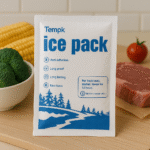
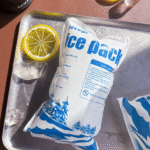
Gel ice packs are reusable cushions filled with a malleable gel that freezes quickly yet stays flexible when cold. When purchased through Amazon, these packs often come with contoured designs and adjustable straps to fit the curves of your cervical spine. The gel remains pliable at freezing temperatures, allowing the pack to hug your neck without rigid edges. Unlike a bag of ice, a purpose built pack can be stored in your freezer and used repeatedly, making it cost effective and environmentally friendly.
How Cold Therapy Works for Neck Pain
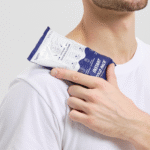
Cold therapy (cryotherapy) combats pain by lowering skin temperature and reducing nerve activity. When you apply a gel pack over a strained muscle, it triggers vasoconstriction—narrowing blood vessels—to limit swelling and slow the inflammatory response. The cold numbs nerve endings, acting as a natural anaesthetic. This is particularly important in the neck, where delicate nerves and blood vessels reside. Medical guides recommend icing acute injuries for 15–20 minutes and repeating every few hours during the first two days. Over icing can damage tissues, so always wrap the pack in a cloth and check your skin regularly.
Table 1 – Mechanisms of Cold Therapy and Their Benefits
| Mechanism | What Happens | What It Means for You |
| Vasoconstriction | Cold narrows blood vessels and slows blood flow | Reduces swelling and bruising around strained muscles |
| Reduced nerve activity | Cooling lowers nerve conduction | Numbs pain, offering immediate relief without medication |
| Metabolic slowdown | Lower temperatures reduce cellular metabolism | Helps prevent further tissue damage in the injured area |
| Analgesic effect | Cold creates a local anaesthetic response | Allows you to move more comfortably while healing |
Practical Tips and Usage Scenarios
After a sudden injury: Apply a contoured gel pack for 15–20 minutes every two hours during the first 48 hours. Wait at least an hour between sessions.
During a migraine: A small gel pack placed at the base of your skull can numb nerve signals and ease tension.
Post exercise soreness: Athletes use cold therapy after workouts to minimize delayed onset muscle soreness; a neck specific pack targets cervical muscles.
At the office: Keeping a pack in your freezer and applying it during breaks can relieve inflammation and remind you to correct your posture.
Home therapy for caregivers: Choose packs with adjustable straps for hands free use so you can continue caring for children or elderly loved ones.
Case Study: After a minor car accident left a 35 year old office worker with whiplash, she used a flexible gel pack for 20 minutes every two hours during the first two days. The cold constricted blood vessels and numbed her neck, significantly reducing swelling and pain. She then alternated with a warm compress once swelling subsided, regaining full mobility within a week.
Choosing the Right Gel Ice Pack – Features to Look For
Selecting the best Amazon gel ice pack for neck muscle strain means balancing comfort, durability and effectiveness. The market offers a dizzying array of options, so focus on features that directly impact your experience.
Cooling Duration and Temperature Range
High quality gel packs maintain temperatures between 0–10 °C (32–50 °F) for 20–30 minutes. A longer cooling duration ensures you receive therapeutic benefits without multiple trips to the freezer. Look for products that advertise at least 20 minutes of cold therapy. Packs that warm slowly also reduce the risk of frostbite by avoiding extreme cold spots.
Flexibility and Ergonomic Fit
A rigid block of ice is uncomfortable on the neck. The best gel packs remain pliable when frozen and are contoured for the cervical curve. Flexibility allows full contact across your neck and upper shoulders, delivering deeper cold penetration. Some packs include extension flaps that drape over the shoulders to treat broader muscle groups.
Durable, Skin Safe Materials
Choose packs made from medical grade, BPA free plastics with multi layered construction. This prevents leaks and reduces the risk of skin irritation, even with repeated use. Avoid packs with thin vinyl that may crack or tear. A textured fabric lining can also keep condensation from dripping onto your skin or clothes.
Size and Shape Options
Not every neck is the same length or width, so pick a pack that matches your anatomy. Some Amazon offerings include small (8 × 4 inch) packs for targeted pain and large (12 × 6 inch) packs for the neck and upper back. Adjustable straps help secure the pack firmly in place while leaving your hands free.
Dual Hot/Cold Capability
Many gel packs can also be warmed in the microwave for heat therapy. Heat is beneficial once swelling subsides and you need to relax stiff muscles. If you suffer from chronic neck tension, choosing a dual purpose pack gives you versatility without buying separate products.
Table 2 – Feature Checklist for Amazon Gel Ice Packs
| Feature | Why It Matters | Benefit to You |
| Cooling duration ≥ 20 minutes | Provides enough time to reduce inflammation | You don’t need to replace the pack mid session |
| Stays flexible when frozen | Ensures full contact across cervical curves | More comfortable and effective cold penetration |
| Medical grade materials | Multi layer construction prevents leaks | Avoids skin irritation and messy gel spills |
| Contoured design with straps | Fits neck and shoulders without slipping | Hands free use while you relax or work |
| Dual hot/cold function | Allows switching between cold and heat therapy | Versatility for acute injuries and chronic stiffness |
Shopping on Amazon: Tips for Smart Purchases
When browsing Amazon listings, read product descriptions carefully. Look for keywords like “flexible when frozen,” “BPA free,” or “dual temperature.” Check customer reviews for durability and comfort feedback. Some sellers offer multi pack sets; consider whether you need several sizes. Also verify warranty information, as quality packs often come with a one year guarantee. Remember that price does not always reflect quality—pay attention to features instead of marketing hype.
Safe and Effective Use of Gel Ice Packs
Cold therapy is simple, but misuse can cause skin damage or prolong recovery. Follow these guidelines to maximise benefits and minimise risks.
The 20 Minute Rule and Session Frequency
Doctors recommend applying a gel ice pack for 15–20 minutes per session. For acute injuries, repeat every two hours during the first 24–48 hours. Avoid continuous icing; your skin needs time to warm up between sessions. If your pack starts to feel uncomfortably cold or you notice numbness, stop immediately.
Always Use a Barrier
Never place a frozen pack directly on your skin. Wrap it in a thin towel or cloth to prevent frostbite. Thin cotton works best; thick towels may reduce the effectiveness of cold therapy.
Incorporate the R.I.C.E. Method
For sprains and muscle strains, follow the R.I.C.E. method—Rest, Ice, Compression and Elevation. Rest limits further injury; ice controls swelling; a light compression bandage supports the area; and elevating the neck above heart level helps fluid drain. Continue this cycle for several days until swelling decreases.
When to Switch to Heat
Cold therapy is ideal for initial inflammation, but after two days it’s often beneficial to switch to heat. Warmth increases blood flow, relaxes tight muscles and promotes tissue repair. Many gel packs can be microwaved for heat therapy. Alternate heat and cold if you have persistent tension or delayed soreness, but always give your skin time to recover between temperature changes.
Safety Precautions
Do not use gel packs on broken or blistered skin.
Avoid cold therapy if you have vascular disorders or hypersensitivity to cold.
Limit sessions to 20 minutes to prevent frostbite.
Remove the pack if you experience tingling, redness or numbness.
Don’t sleep with a gel pack; prolonged contact increases skin damage risk.
Real World Example: A competitive runner strained her neck during a relay. She followed the 20 minute rule—icing every two hours on the first day and resting between sessions. After two days she alternated ice with moist heat and gently stretched her neck. She returned to training within a week.
Recognising When to Seek Medical Help
Most neck strains improve with rest and cold therapy, but some signs require professional evaluation. See a healthcare provider if you experience persistent pain lasting more than a week, numbness or tingling in your arms or hands, difficulty turning your head, headaches accompanied by fever, or recent trauma. Chronic or severe neck pain may need physical therapy, spinal injections or comprehensive pain management.
2025 Innovations and Market Trends in Gel Ice Packs
Market Growth
The gel ice pack industry is booming. U.S. sales were about $550 million in 2024 and are projected to exceed $650 million in 2025, while the global market is expected to grow from $14.7 billion in 2025 to nearly $28 billion by 2029. Home healthcare, telemedicine, sports recovery and vaccine shipping all drive demand. Cold therapy packs for consumer use represent roughly 45 % of U.S. sales.
Emerging Technologies
Smart Sensors: Some new packs include temperature sensors that connect to a smartphone app. These sensors alert you when the pack warms above therapeutic range or when it’s time to remove it.
Eco friendly Gels: Manufacturers are developing biodegradable gels that reduce environmental impact while maintaining cooling performance. Recyclable packaging and plant based plastics are also gaining traction.
Custom Contouring: Advances in 3D knitting and foam technology allow packs to mould precisely to individual neck shapes, enhancing comfort and efficacy.
Hybrid Packs: Products that combine cryotherapy with compression technology (air inflated sleeves) provide uniform pressure and cold to target deeper tissues.
Practical Implications
These innovations mean you can expect more personalised, sustainable and convenient products on Amazon. Smart packs may cost more, but they help you avoid over icing and track your recovery. Eco friendly materials support sustainable lifestyles, and hybrid packs appeal to athletes seeking faster recovery.
Frequently Asked Questions
How long should I use an Amazon gel ice pack for neck muscle strain? For acute injuries, apply the pack for 15–20 minutes and repeat every two hours during the first 48 hours. Avoid continuous use or sessions longer than 20 minutes.
Can I alternate cold and heat therapy? Yes. Cold therapy reduces swelling during the first two days, while heat relaxes muscles once inflammation subsides. Alternate with caution and always allow your skin to return to normal temperature between sessions.
Are gel ice packs safe for everyone? Gel packs are generally safe, but people with circulatory disorders, diabetes or hypersensitivity to cold should consult a healthcare professional. Avoid applying a pack on broken skin or for more than 20 minutes.
Do I need a special neck shaped pack? Ergonomically shaped packs provide better contact and comfort. However, if you already have a standard rectangular pack, you can fold it over your neck with a cloth; just ensure it stays in place and covers the painful area.
What’s the difference between gel packs and chemical cold packs? Gel packs are reusable and typically maintain a safe temperature range, whereas instant chemical packs get very cold and should never be left on the skin for long periods.
Summary and Recommendations
An Amazon gel ice pack for neck muscle strain is a simple yet powerful tool for managing acute pain. Cold therapy works by constricting blood vessels, reducing nerve activity and slowing tissue metabolism. When shopping, prioritise packs that stay flexible when frozen, use medical grade materials, maintain cold for at least 20 minutes and include ergonomic designs with adjustable straps. Always follow the 20 minute rule, wrap the pack in a cloth and incorporate rest, compression and elevation. After the first two days, switch to heat or alternate between temperatures to relax tight muscles. New innovations like smart sensors and eco friendly gels enhance convenience and sustainability. If your symptoms persist or you notice neurological signs, seek professional care.
Action Plan
Assess your pain: Determine whether your neck strain is acute (recent injury) or chronic. Cold therapy is most effective during the acute phase.
Choose your pack: On Amazon, search for gel packs that list flexible gel, ergonomic neck design, 20 minute cooling, BPA free materials and dual hot/cold use.
Prepare your pack: Store the pack in the freezer for at least two hours. Always wrap it in a thin cloth before placing it on your skin.
Apply correctly: Use the 15–20 minute rule; wait at least an hour between sessions. Rest, compress and elevate the injured area as needed.
Monitor and adjust: Listen to your body. If swelling and pain decrease after two days, alternate with heat therapy to relax stiff muscles.
Consult a professional: If pain persists or you develop numbness, weakness or severe headaches, see a healthcare provider.
About Tempk
Tempk is a leading provider of cold chain solutions and reusable gel packs. Our R&D team focuses on creating eco friendly cold chain products that deliver consistent temperatures and durability. We use non toxic, medical grade materials and multi layered construction to prevent leaks and ensure comfort. With over two decades of experience, we serve millions of customers worldwide, offering flexible payment options and responsive customer service.
Whether you’re shipping pharmaceuticals or treating a neck muscle strain at home, we strive to keep your goods and your health protected. To learn more about our products or to discuss your cold chain needs, reach out to our team today.