Best Drain Friendly Gel Pack Seafood Manufacturer Guide
The best drain friendly gel pack seafood manufacturer does more than keep seafood cold. It helps you protect product, reduce leakage risk, and create a cleaner, more confident receiving experience for the customer. In seafood shipping, that matters because packaging performance is judged twice: once during transit and once the moment the box is opened.
If you choose only by price or generic cold claims, you may miss the details that actually drive success. Seafood programs need durable film, strong seals, smart pack geometry, and a drain-friendly design that makes sense in real use. When those pieces work together, you get safer handling, better presentation, and fewer avoidable complaints.
This article will help you answer:
- What to compare first in a drain friendly seafood gel pack
- Why seafood-specific durability matters as much as cold retention
- How temperature-control context changes the buying decision
- Which supplier signals point to a stronger long-term fit
What should you expect from the best drain friendly seafood pack?
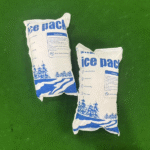
You should expect both protection and practicality. A drain-friendly seafood pack should survive freezing, wet handling, and product pressure without leaking. After use, it should be easier to empty or manage according to the end user’s disposal practices. If it fails on the shipping side, the convenience feature does not matter. If it works in transit but creates a messy experience at delivery, the value is incomplete.
That is why the best supplier explains the full life of the pack. How does it behave after freezing? How does it sit in the box? What happens when the receiver opens the carton? Can it reduce cleanup frustration without introducing performance risk? These are better questions than simply asking how long it stays cold.
Which design details matter most?
Film toughness, seal integrity, gel distribution, and box fit matter most. Seafood is a tough application because the load is often cold, wet, and heavy. Fish trays, shellfish, and vacuum-packed products can shift and press against the pouch. If the corners are weak or the seal profile is inconsistent, the pack may fail under real use even if it looked fine in a sample freeze.
Good box fit also improves the experience. A pack that sits neatly against the wall or base is less likely to slide, bunch, or create awkward contact points. That helps both temperature balance and presentation.
| Key factor | What to review | Why it matters | Best result |
|---|---|---|---|
| Seal quality | Width and consistency | Prevents edge failure | Cleaner deliveries |
| Film durability | Freezer and puncture resistance | Reduces leaks | Stronger product protection |
| Pack geometry | Fit to seafood box layout | Improves coverage | Better thermal balance |
| Drain-friendly handling | After-use practicality | Reduces mess | Better customer experience |
Practical tips and suggestions
- For chilled fish delivery: Prioritize flat wall-fit packs over bulky shapes.
- For shellfish or hard trays: Test frozen puncture resistance before approving the SKU.
- For home-delivery brands: Include customer-opening feedback in your packaging trial.
> Example: A seafood company upgraded to a flatter, tougher pack that improved sidewall coverage and made the box look cleaner when opened. The customer noticed the difference even though the product itself stayed the same.
Why does seafood temperature-control context matter so much?
Because seafood packaging does not operate in a vacuum. FDA guidance continues to tie temperature management closely to seafood safety and product handling. The agency’s fishery guidance includes a recommended maximum storage temperature of 40°F in important refrigerated-fish contexts, while its TTI material explains that some raw seafood products rely on refrigeration as the main barrier to toxin production and that TTIs can help show whether proper temperature control was maintained. ([U.S. Food and Drug Administration][5])
For you as a buyer, the takeaway is simple. The best pack is the one that supports your actual control strategy. If the product is chilled, the layout and cold source must match the route. If the product is in reduced-oxygen packaging, temperature history may matter even more. The supplier should be able to talk through those distinctions in plain language.
What should you ask the supplier?
Ask whether the pack is intended for chilled or frozen seafood, whether it has been used with similar products, and how it should be placed in the shipper. Ask how the drain-friendly feature works after use. Ask how the supplier would test the pack with your real product and route, not just in a generic chamber.
If the supplier can answer those questions clearly, you are probably dealing with a more capable partner. If the answers are vague, that is a sign to look deeper.
How should you test before making a final choice?
Run a real-box trial and a real-opening review. You should test the pack inside your actual seafood shipper with real product weight, liner, and route stress. Then inspect the box after delivery for leaks, movement, excess liquid, and general handling quality.
That second part matters because seafood customers do not judge packaging in a lab. They judge it when they open the box. A manufacturer that understands this will help you compare both thermal performance and receiving cleanliness rather than pretending those are separate worlds.
Practical validation checklist
- Test at least two pack shapes or sizes
- Freeze under actual operating conditions
- Use real product load, not a guessed substitute
- Inspect for edge leaks and puncture marks
- Review cleanup and handling at delivery
- Adjust pack position before adding more total gel
2026 developments and trends for drain-friendly seafood packaging
In 2026, seafood packaging teams are becoming more precise. FDA guidance around seafood temperatures and TTIs continues to reinforce the importance of temperature discipline, especially in packaging situations where appearance alone cannot confirm safety. That is one reason more brands are paying attention to monitoring, product-specific pack design, and cleaner handling after delivery. ([U.S. Food and Drug Administration][5])
At the same time, customer expectations are rising. Buyers want cold-chain packaging that feels controlled and professional from warehouse to doorstep. That is why the best drain-friendly seafood packs are being judged not only on cold hold, but also on box organization, leak prevention, and cleanup ease.
Latest developments at a glance
- Cleaner receiving experience is a stronger buying factor
- Seafood-specific layouts are replacing generic pack choices
- Temperature-history awareness is shaping packaging decisions
Frequently asked questions
What is the biggest mistake when choosing a drain friendly seafood gel pack?
Ignoring durability. If the pack leaks or tears under seafood stress, the drain-friendly feature becomes irrelevant.
Should seafood brands care about unboxing?
Yes. The way the box opens affects freshness perception, customer confidence, and repeat purchase behavior.
Is a flatter pack always better?
Not always. But flatter packs often improve fit and reduce shifting in seafood cartons.
How do you find the best supplier?
Choose the one that can explain product fit, freezer durability, after-use handling, and real-box testing with clarity.
Summary and next step
The best drain friendly gel pack seafood manufacturer protects the seafood, survives the shipping environment, and leaves the receiver with a cleaner and more confident experience. Those three outcomes are the right standard in 2026.
Your next step should be to compare suppliers on four points: freezer durability, seafood box fit, after-use handling, and real shipment test support. That gives you a smarter answer than price alone.
About Tempk
Tempk helps seafood brands build cold-chain packaging systems that work in the real world. We focus on durable gel pack construction, practical pack placement, and cleaner receiving results for seafood applications.
For the next step, ask us to review your seafood pack-out and identify where layout or pack design can reduce mess and improve protection.
==============================
KEYWORD: gel freezer pack temperature sensitive manufacturer