Cold chain bean to bar chocolate compliance guide: How to stay ahead in 2026
Updated Jan 5, 2026
Chocolate lovers may not realise that their favourite treat depends on a tightly controlled cold chain. For bean to bar makers, maintaining temperature, traceability and regulatory compliance can make or break a business. This guide explores cold chain bean to bar chocolate compliance in 2026, blending practical tips with the latest rules. It answers pressing questions and shows how a strong cold chain protects quality while meeting ever growing regulatory demands.
This article will answer:
Why is the cold chain essential for bean to bar chocolate?
What regulations (FSMA 204, EUDR, packaging rules) impact chocolate compliance in 2026?
How do traceability and sustainability drive bean to bar success?
What are the best practices for cold chain design and temperature control?
What trends are shaping the chocolate industry in 2026?
Why is cold chain crucial for bean to bar chocolate?
Chocolate is a temperature sensitive product that melts and blooms easily. Maintaining a stable cold chain keeps cocoa flavours intact, prevents microbial growth and preserves shelf life. Industry experts define the cold chain as the continuous distribution and storage of temperature sensitive products from farm to fork. Each link—from fermentation to storage—must operate at the right temperature; any break shortens shelf life or causes quality defects.
Temperature and humidity matter
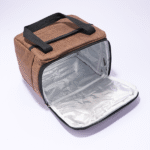
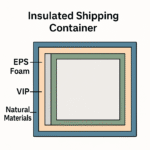
Chocolate requires an environment cooler than room temperature but not cold enough to dull flavours. Industry guidelines recommend keeping finished chocolates between 60 – 70 °F (15.5 – 21 °C) with relative humidity below 50%. Cold chain specialists caution that minor fluctuations above 72 °F cause softening and that melting occurs at 86 – 90 °F. High humidity leads to condensation and sugar bloom, while low humidity can cause cracking; both degrade quality. Passive cooling solutions, insulated packaging and desiccants help manage these variables.
Melting points and multi zone storage
Cocoa butter melts quickly: the melting point of dark chocolate hovers around 32 °C (89.6 °F). During summer shipping or across tropical climates, chocolate can soften or bloom if not protected. Logistics providers stress that chocolates need dedicated temperature zones and climate controlled chambers. Multi zone facilities separate dry storage (<70 °F) from refrigerated (30 – 42 °F) and frozen zones—critical when chocolates share warehouses with other perishables. Proper design includes insulated partitions and air curtains to reduce temperature transfer.
Cold chain failures and their consequences
A break in the cold chain can cause sugar bloom (a whitish film), fat bloom (grey streaks) and microbial growth. These defects not only diminish appearance but also accelerate spoilage. In Latin America, a boutique chocolatier lost an entire shipment because of warehouse temperature spikes; climate controlled storage can prevent such losses. Without robust cold chain logistics, high quality small batch chocolates may melt before reaching consumers, eroding brand reputation and revenue.
Regulatory landscape for 2026: FSMA 204, EUDR and packaging laws
FSMA 204: Traceability demands in the United States
The Food Safety Modernization Act (FSMA) Rule 204 is a game changing regulation for all food manufacturers. Set to take effect in January 2026, FSMA 204 requires enhanced ingredient traceability across the supply chain. It mandates that companies tracking high risk foods record specific critical tracking events (CTEs)—such as receiving, transformation, creation and shipping—and collect key data elements (KDEs) for each event.
This rule responds to alarming foodborne illness statistics: approximately 48 million Americans (1 in 6) fall sick each year, with 128,000 hospitalizations and 3,000 deaths. FSMA 204 aims to prevent outbreaks and speed up recalls by requiring companies to submit traceability records within 24 hours. Non compliance could result in penalties, recalls and reputational damage.
For bean to bar producers, FSMA 204 means tracking cocoa beans from origin to finished product. Chocolatiers must implement systems to record where beans are sourced, when roasting and tempering occur, and how products move through distribution. Digital tools—like ERP systems integrated with HACCP management and food traceability modules—simplify data collection and automate compliance.
European Union Deforestation Regulation (EUDR)
The EUDR represents one of the most significant sustainability policies of recent years. Effective December 30, 2025 for large companies and June 2026 for smaller businesses, it demands that all cocoa and chocolate products sold in the EU are free from deforestation. Businesses must provide complete traceability, including the GPS coordinates of each farm, and submit due diligence statements for every shipment.
Cocoa production is primarily concentrated in West Africa, where persistent challenges such as child labour, poverty and deforestation threaten sustainability. The EUDR raises the bar for due diligence, requiring companies to verify that cocoa is legally produced and not linked to forest degradation after 31 December 2020. It also applies to finished goods like chocolate bars, not just raw materials.
Complying with EUDR is particularly demanding for smallholder farmers. Precise geolocation data may cost €5,000 – 15,000 per producer organisation. Many farmers lack formal land titles; in Ghana only about 4% of rural land is formally titled. To navigate these challenges, credible voluntary sustainability standards (VSS) like Rainforest Alliance and Fairtrade provide frameworks for deforestation monitoring, satellite mapping and legal land-use verification. Such certifications can help bean to bar producers prove compliance while supporting farmers.
Packaging regulations: recyclability and extended producer responsibility
Packaging is no longer just about aesthetics; it has become a regulatory minefield. A global snapshot for 2025 reveals that design for recyclability is becoming enforceable. Flexible plastics—used widely in chocolate wrappers—are under scrutiny, with countries moving toward mono material polyethylene or polypropylene designs. Manufacturers must avoid PFAS (per and polyfluoroalkyl substances) in barriers, as multiple regions restrict these chemicals. Compostable packaging is not a panacea; it requires certification and must not contaminate recycling streams.
In the United States, packaging regulation operates at the state level. Extended Producer Responsibility (EPR) laws in Maine, Oregon, Colorado and California impose eco modulated fees and recycling standards. Brands must design to meet the strictest state rules to scale nationally. Canada is harmonising national labelling and recycled content requirements, with binary labels (“Recyclable” or “Not Recyclable”) tied to real-world recycling access. The EU’s Packaging and Packaging Waste Regulation (PPWR) will enforce recyclability and recycled content targets from 2026.
For bean to bar makers, compliance means choosing packaging that supports cold chain integrity while meeting regional recycling laws. Mono material films with barrier coatings, clear disposal instructions and digital QR codes for traceability help satisfy both cold chain and sustainability goals. Working with packaging engineers early in product development avoids costly redesigns.
Sustainability and traceability in the bean to bar supply chain
High risk commodity and ethical sourcing
Cocoa is considered a high risk commodity because roughly 70% of the world’s cocoa is produced in Africa. Complex supply chains, smallholder dominance and informal intermediaries make transparency difficult. Limited infrastructure, poverty and family labour contribute to child labour and land degradation. These factors create social and environmental vulnerabilities that chocolate brands must address.
Rising regulation—including the EUDR and the Corporate Sustainability Due Diligence Directive (CSDDD)—requires companies to prove responsible sourcing. Sedex data show a 200% increase in cocoa sites on its platform over the past decade, reflecting growing efforts to monitor risks. However, 77% of audit non compliances at cocoa sites relate to wages, working hours and health and safety > 77,in the last 12 months” >. To meet ethical obligations, bean to bar producers should partner with cooperatives that pay fair prices, invest in community development and adopt third party certification.
Technology-enabled traceability
Modern traceability solutions make it possible to map cocoa beans from smallholder farms to finished bars. Blockchain platforms, GPS mapping and digital ledgers allow companies to record each step and verify data authenticity. Farmerline’s Mergdata tool, for instance, enables companies to track cocoa from bean to bar and ensure that beans originate from deforestation free sources. Such tools not only support EUDR compliance but also promote fair trade, quality control and consumer trust.
Voluntary sustainability standards like Rainforest Alliance and Fairtrade require geolocation mapping, deforestation monitoring and legal land use verification. Fairtrade has partnered with Satelligence to provide free satellite data to certified producer organisations, enabling cooperatives to identify deforestation risks and share information with buyers. Bean to bar makers can leverage these datasets to verify farm practices, support smallholders and satisfy regulators.
Sustainable procurement and transparency to consumers
Consumers increasingly demand ethical chocolate. Transparent supply chains allow brands to share stories about origin, farmer impact and environmental stewardship. Tools like digital QR codes on packaging let consumers trace the journey of their bar, from GPS coordinates to fermentation and roasting details. Engaging storytelling not only differentiates a brand but also builds loyalty.
Designing the cold chain: Best practices for bean to bar quality
Step by step cold chain design
Fermentation and drying – Fermentation occurs at the farm and is usually outside the cold chain. Proper fermentation and sun drying are critical for flavour; moisture content must be reduced to <7% to prevent mould.
Storage of raw beans – After drying, beans should be stored in ventilated, pest free warehouses. At this stage, avoid high humidity that can promote mould growth. Warehouses in tropical zones should use dehumidifiers and maintain consistent airflow.
Transportation – When shipping beans internationally, humidity and temperature fluctuations can cause condensation inside containers. Use ventilated liners, moisture absorbers and temperature monitoring devices. For finished chocolates, cold chain transport is essential: load products at the correct temperature, use refrigerated trucks and avoid leaving goods on docks.
Roasting and tempering – During production, the environment should remain within recommended temperature ranges (60 – 70 °F). Cocoa butter crystals are sensitive; tempering requires precise cooling and reheating cycles to form stable polymorphs.
Cooling and packaging – After tempering, chocolates are cooled to about 18 – 20 °C. Use cooling tunnels and ensure uniform airflow. Packaging should be moisture-resistant and provide a barrier to odors. Avoid storing near aromatic foods to prevent aroma absorption.
Distribution and retail – Maintain product temperature across warehouses, distribution centres and retail shelves. Real time monitoring devices can alert teams when temperature deviates from set points.
Four key actions to maintain cold chain integrity
Maintain the correct loading temperature – Refrigerated trucks maintain rather than reduce temperature; products must be pre cooled before loading.
Prepare containers properly – Pre cool trailers and choose appropriate refrigeration modes. Inspect for damage and ensure insulation is intact.
Optimise product distribution – Pallets should not touch walls; allow airflow and avoid overloading.
Ensure temperature visibility – Use temperature monitoring devices on every shipment and review data upon arrival.
Multi zone facility considerations
Bean to bar facilities may handle multiple SKUs requiring different temperatures. Dedicate dry, refrigerated and frozen zones; use climate control systems and dehumidifiers. Physical segregation—insulated walls and heavy curtains—reduces temperature transfer and cross contamination. Colour-coded pathways and signage help staff avoid mixing products. Implementing real time monitoring across zones ensures immediate detection of anomalies.
Humidity control and microbial safety
Humidity is as important as temperature. High humidity can cause condensation and sugar bloom; low humidity can lead to cracking and dryness. Dehumidifiers or sealed storage environments are essential. Moreover, controlling humidity prevents microbial growth and extends shelf life.
Training and documentation
Regulations place increasing emphasis on employee training. Staff must know how to handle temperature-sensitive products, recognise signs of bloom and follow sanitary protocols. FSMA 204 and EUDR require robust documentation; digital systems that record batch codes, temperatures and handling procedures simplify audits and inspections. Regular internal audits ensure that procedures are followed and provide proof of due diligence.
Compliance strategies: How to meet cold chain bean to bar requirements
| Compliance area | Key actions | Benefit to you |
| FSMA 204 traceability | Implement an ERP/QMS system that captures CTEs and KDEs for each batch; integrate barcodes or QR codes to link beans, intermediate products and finished bars. Train staff on 24 hour record response. | Minimises recall risk, satisfies FDA inspections and builds customer trust. |
| EUDR due diligence | Source cocoa from certified cooperatives (Rainforest Alliance or Fairtrade); collect GPS coordinates; use blockchain or digital platforms to manage due diligence statements; support farmers in obtaining land documentation. | Maintains EU market access, demonstrates ethical sourcing and mitigates deforestation risk. |
| Packaging regulations | Design mono material flexible packaging; avoid PFAS; include clear recyclability and disposal instructions; register with EPR schemes; maintain packaging performance at 60 – 70 °F. | Ensures compliance across jurisdictions and reduces environmental footprint. |
| Cold chain best practices | Maintain temperature and humidity, use insulated containers, adopt real time monitoring; pre cool products; prepare containers; optimise pallet loading. | Preserves quality, extends shelf life and reduces wastage. |
| Ethical sourcing and labour | Conduct human rights due diligence; pay fair prices; support farmer training; monitor labour conditions; invest in community projects. | Mitigates reputational risk, meets consumer expectations and builds long-term partnerships. |
Practical tips for bean to bar producers
Use AI-assisted compliance tools – Modern software can review standard operating procedures (SOPs), monitor supplier documents for SQF and FDA alignment and flag non compliant records.
Plan for audits – Maintain audit-ready storage with digital retrieval of lot codes and supplier information. This reduces inspection stress and speeds up responses.
Monitor and calibrate equipment – Regularly check temperature sensors and calibration of refrigerators; integrate Bluetooth-enabled temperature tracking devices for automatic logging.
Educate your team – Provide training on food safety, handling of allergens and cross contamination, and requirements of FSMA 204 and EUDR. Clear protocols reduce human error.
Collaborate with logistics partners – Choose a 3PL with multi zone capabilities, real time monitoring and experience with temperature-sensitive goods.
Real-world case: When Hammond’s Candies implemented an all in one compliance platform, they replaced long hours of paperwork with automated processes. Real-time data entry and reminders reduced errors, and digital records saved time, money and paper. This example shows that modern systems make compliance more efficient and allow teams to focus on quality.
2026 trends and developments
More regulations and stricter enforcement
New sustainability laws and food safety regulations will accelerate in 2026. FSMA 204 deadlines will force companies to adopt standardized traceability frameworks. The EU’s Corporate Sustainability Reporting Directive (CSRD) will require large companies to disclose environmental and social impacts, pushing chocolate brands to collect detailed supply-chain data. Expect further expansion of extended producer responsibility (EPR) programs worldwide, especially for flexible packaging. In many markets, packaging design must include recycled content and recyclability labels.
Rising cocoa prices and supply chain volatility
Latin America, a region that produces 20% of the world’s cocoa, saw chocolate and cocoa export values rise to $12,142 per ton in 2025—a jump of 11% year on year. This growth underscores the region’s clout but also highlights supply-chain fragility, with unpredictable weather and infrastructure challenges impacting logistics. Climate change and disease pressures in West Africa add uncertainty, pushing bean to bar makers to diversify sourcing and establish contingency plans.
Integrated logistics and digital customs
Integrated logistics providers offer end-to-end solutions, combining regional expertise, digital customs tools and climate-controlled storage. Digital customs simplify documentation and reduce clearance times, transforming customs from an obstacle into a source of confidence. Temperature-controlled hubs ensure chocolates remain stable throughout transport, preventing melting and preserving quality. Multimodal transport and predictive analytics help manage seasonal peaks and last-mile challenges.
Innovative packaging and sustainability
Circular economy principles are guiding packaging innovation. Companies are shifting to mono material films, recycled content and PFAS-free barriers to meet regulations. Packaging designers must align with PPWR timelines in the EU and adopt EPR frameworks in North America. Smart packaging using QR codes, temperature indicators and freshness sensors will become common, providing real-time data to both producers and consumers.
Technology-driven transparency
Blockchain, Internet of Things (IoT) sensors and AI analytics are transforming traceability. Real-time monitoring devices track temperature and humidity across transport and storage, sending alerts when deviations occur. Blockchain solutions link geolocation data, farmer records and transaction histories, providing an immutable ledger for EUDR compliance. AI tools analyse supply-chain data to identify risks, predict demand and optimise production schedules. As consumer demand for transparency grows, digital storytelling platforms will allow customers to scan a bar and discover its origin and impact.
Sustainable procurement and social impact
Consumer expectations for ethical chocolate continue to rise. Brands are investing in agroforestry, climate-resilient cocoa varieties and living income programs. Initiatives like the Cocoa & Forests Initiative and corporate programmes (e.g., Cocoa Life by Mondelēz International) promote reforestation, farmer training and gender equity. Bean to bar makers should align with these programmes, support smallholder organisations and share progress transparently.
Frequently asked questions
Q1: How does FSMA 204 affect small bean to bar chocolatiers?
FSMA 204 applies to all companies handling high risk foods; there is no small-business exemption. Small chocolatiers must record critical tracking events (receiving, transformation, creation and shipping) and submit traceability records within 24 hours of an FDA request. Investing in affordable ERP systems or cloud-based traceability tools can simplify compliance.
Q2: Do I need to map every cocoa farm to comply with EUDR?
Yes. The EUDR requires geolocation data for the production area of each batch of cocoa. Large companies must comply by December 30, 2025, and small businesses by June 2026. Partner with cooperatives that provide GPS coordinates and use blockchain or digital traceability platforms.
Q3: What packaging materials are acceptable for bean to bar chocolate?
In 2026, many markets require recyclable packaging. Mono-material polyethylene (PE) or polypropylene (PP) films with barrier coatings are preferred. Avoid PFAS-coated papers and ensure compostable materials are certified (EN 13432 or ASTM D6400) and clearly labelled.
Q4: How can I control humidity in my chocolate storage area?
Use dehumidifiers or sealed storage chambers to keep relative humidity below 50%. Monitor humidity with sensors and adjust ventilation as needed. Consider using moisture-absorbent desiccants in packaging and shipping containers.
Q5: Is blockchain necessary for traceability?
Blockchain is not mandatory but it simplifies compliance by providing tamper-proof records. Many companies use blockchain to store GPS coordinates and tracking data. However, you can also achieve compliance with conventional databases if you ensure data integrity, timeliness and accessibility.
Q6: What happens if a cold chain break occurs?
Quality may deteriorate, causing sugar bloom or fat bloom. Products could be unsafe due to microbial growth. Regulators may require recalls if deviations compromise safety. Real-time monitoring and well-trained staff help detect and correct issues quickly.
Summary and next steps
Cold chain bean to bar chocolate compliance is complex but manageable. Producers must control temperature and humidity, implement traceability systems and stay abreast of evolving regulations. FSMA 204 and EUDR introduce strict traceability and due diligence requirements that demand digital solutions and close collaboration with suppliers. Packaging laws push manufacturers toward mono-material, recyclable designs. Ethical sourcing and sustainability are no longer optional; they are expected by regulators and consumers alike.
To succeed:
Invest in digital traceability – Adopt ERP/QMS platforms and IoT monitoring to capture temperature and tracking data.
Audit your supply chain – Work with certified cooperatives and conduct due diligence on labour practices and deforestation risk.
Redesign packaging – Use recyclable materials, avoid PFAS and join EPR schemes.
Train your team – Provide ongoing training on food safety, cold chain handling and regulatory requirements.
Communicate transparently – Share your sustainability story with consumers; build trust through traceability and ethical sourcing.
About Tempk
Tempk is a leader in temperature-controlled packaging and cold chain solutions for the food, pharmaceutical and biotechnology sectors. We specialise in designing passive and active packaging systems that maintain precise temperatures throughout long journeys. Our innovative materials, real-time monitoring devices and customised logistics support help customers ensure product integrity and regulatory compliance. By combining engineering expertise with a commitment to sustainability, we deliver solutions that reduce waste, improve efficiency and support your business goals.
Ready to strengthen your cold chain bean to bar compliance? Contact Tempk for expert guidance on temperature-controlled packaging, traceability systems and regulatory support.