Cold Chain Logistic Management: How Can You Build a Resilient and Sustainable 2025 Cold Chain?
Cold chain logistic management keeps your temperature sensitive products safe from the moment they leave the farm or factory until they reach your customers. In 2025 the stakes are higher than ever: real time monitoring units are expected to climb to 1.2 million by 2027, global cold chain logistics revenue may surge from about US$436 billion in 2025 to over US$1.3 trillion by 2034, and sustainability initiatives such as raising freezer temperatures to −15 °C aim to curb energy use without compromising safety. In this guide you’ll learn why cold chain logistic management matters, how to design robust operations and what trends will shape the industry in 2025.
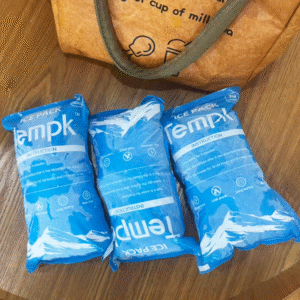
What are the essential components of cold chain logistic management? — including storage, packaging, transportation and monitoring systems.
How can technology and innovation transform your cold chain? — covering IoT, AI, blockchain, renewable energy and advanced packaging.
Which challenges and regulations should you prepare for? — such as temperature excursions, data silos, workforce training and compliance with FSMA, GDP and IATA guidelines.
What are the latest market trends and regional insights for 2025? — including market growth projections, segment shares and emerging product categories.
How does sustainability influence cold chain logistic management? — highlighting eco friendly packaging, energy efficiency and circular practices.
Where is the industry headed next? — summarising 2025 trends like automation, end to end visibility and strategic partnerships.
What Are the Essential Components of Cold Chain Logistic Management?
Cold chain logistic management ensures that perishable goods remain within their required temperature range from origin to destination. It is built on four pillars: storage, packaging, transportation and monitoring. Each pillar must work seamlessly to protect product quality and meet stringent safety standards.
Storage: Conditioning Your Products
Refrigerated warehouses and cold rooms are the first step. They keep products at specified temperatures—dairy around 1–3 °C, seafood near 0 °C and frozen foods at –25 to –18 °C. Proper storage conditions prevent early spoilage and prepare goods for shipping. Key practices include:
| Storage Task | Best Practice | Why It Matters |
| Conditioning products | Bring goods to the correct temperature before shipping | Reduces thermal shock and preserves quality |
| Temperature zoning | Separate areas by temperature category—ambient (15–30 °C), cool (10–15 °C), refrigerated (0–5 °C), frozen (–25 to –18 °C) and ultra cold (below –70 °C) | Ensures the right environment for each product |
| Monitoring equipment | Use IoT sensors and data loggers to track temperature and humidity in real time | Detects deviations early to prevent spoilage |
Practical tip: Set up a conditioning calendar for each product category and assign staff to verify temperatures before loading. This reduces the risk of shipping products that have not stabilised at their target temperature.
Case study: In 2025 a logistics firm installed solar panels on its cold storage roof and switched to electric delivery vans. By combining renewable energy with efficient storage practices, it cut energy costs by 25 % and attracted eco conscious customers.
Packaging: Protecting Goods in Transit
Packaging acts as a mobile refrigerator. Using the right materials prevents heat intrusion, maintains humidity and cushions products against physical shock. Key tactics include:
| Packaging Technique | Description | How It Helps You |
| Vacuum insulation panels (VIPs) & phase change materials (PCMs) | Advanced insulation that maintains steady temperatures during long journeys | Extends shipping times without increasing weight |
| Even pallet layering | Arrange boxes evenly to avoid hot spots | Minimises temperature gradients and reduces spoilage |
| Reusable and biodegradable materials | Adopt recyclable and reusable gel packs, pallet covers and insulated liners | Supports circular economy goals and reduces waste |
User tips:
For high value pharmaceuticals: Use portable cryogenic freezers that maintain temperatures below –70 °C and integrate with IoT for real time tracking.
For plant based foods: Choose PCMs that maintain the 0–5 °C range to preserve texture and flavour. Plant based proteins could represent 7.7 % of the global protein market by 2030, so investing in specialised packaging now will pay off later.
For seafood: Pack products in leak proof liners and add absorbent pads to collect meltwater. Even minor cross contamination can jeopardise entire shipments.
Interactive element: Develop a Packaging Selector Tool that asks users about product type, weight, transit duration and destination climate, then recommends optimal insulation, coolant and container size.
Transportation: Maintaining the Cold Chain on the Move
Transportation is often the most vulnerable link. Vehicles must consistently maintain internal temperatures, and route planning must minimise delays. Cold chain logistics commonly use refrigerated trucks, railcars and reefer containers. Best practices include:
Route optimisation: AI driven route planning considers traffic, weather and delivery windows to reduce transit time and energy consumption.
Equipment maintenance: Regularly inspect refrigeration units, door seals and insulation. Equipment failures can cause temperature excursions leading to financial losses and customer claims.
Segmentation in vehicles: Use multi compartment trucks that allow different temperature zones for varied products. This is particularly important for e commerce deliveries where multiple order types share a vehicle.
Contingency planning: Pre plan alternative routes and backup refrigeration units to mitigate delays caused by extreme weather or power outages.
Case study: A food company used digital records to store temperature and humidity data. During a regulatory inspection, inspectors received detailed logs within minutes, and the company passed with zero violations. This highlights the value of organised records and reliable data.
Monitoring and Analytics: Achieving Real Time Visibility
Real time monitoring transforms the cold chain from a reactive to a proactive system. It leverages sensors, data loggers and analytics to detect deviations instantly and trigger corrective actions.
Benefits of real time monitoring:
Live data & alerts: IoT sensors provide instant visibility into temperature, humidity and location. Any deviation triggers immediate alerts, allowing swift intervention.
Precise tracking & traceability: GPS enabled solutions track shipments throughout the supply chain, facilitating accountability and root cause analysis.
Enhanced compliance & quality assurance: Automated data collection supports regulatory documentation and audit readiness.
Cost reduction & efficiency: Proactive monitoring reduces product loss and waste, lowering financial burdens and optimising operations.
Addressing traditional challenges: Older cold chain management relied on manual checks and passive data loggers. This approach suffered from limited traceability, inefficient responses, compliance challenges, high labour costs and an inability to optimise operations. Modern monitoring overcomes these issues by providing continuous data and predictive analytics.
Interactive element: Offer a Real Time Dashboard Demo where users can explore sample sensor data, set custom alert thresholds and test response protocols.
How Can Technology and Innovation Transform Your Cold Chain?
Technology is the engine driving cold chain evolution. In 2025 innovations are helping companies anticipate issues, reduce waste and operate sustainably.
Internet of Things (IoT) and Real Time Sensors
IoT sensors monitor temperature, humidity and location across warehouses, shipping containers and last mile vehicles. At Gulf ports, temperature sensitive RFID and Bluetooth tags enable remote control of storage conditions. When sensors detect deviations, automated alerts prompt corrective action, reducing spoilage and ensuring compliance.
Beyond tracking goods, IoT devices also monitor the health of refrigeration equipment—predictive maintenance alerts operators about potential failures. Integrated dashboards centralise data from warehouse management systems (WMS), transport management systems (TMS) and enterprise resource planning (ERP) systems, providing a single source of truth.
Practical tips: Start with a small pilot project by deploying IoT sensors on a limited product set to prove return on investment before scaling. Integrate data from sensors into existing WMS and TMS platforms to avoid creating new silos.
Artificial Intelligence and Predictive Analytics
AI turns data into foresight. Algorithms analyse consumption patterns, climate data and traffic flows to forecast demand spikes—dairy distributors in Saudi Arabia use AI to anticipate surges during Ramadan. AI driven route optimisation cuts fuel use and avoids congestion, while AI powered inventory management dynamically adjusts restocking schedules.
Predictive analytics identifies high risk shipments by examining historical temperature excursions. When combined with IoT, AI reroutes sensitive shipments before issues occur and allocates additional monitoring to vulnerable goods.
Example: AI analyses millions of data points across vehicles to optimise fleet usage, reduce idle time and maintain thermal integrity. According to a 2025 report on Gulf Cooperation Council logistics, this reduces spoilage and fuel consumption while improving preventive maintenance.
Blockchain and Digital Traceability
Blockchain technology creates tamper proof records of every event in the cold chain. In a regional pilot, cargo tracked from Dammam to Rotterdam used synchronised customs data to reduce clearance times and fraud risk. Smart packaging with QR codes or RFID tags integrated with blockchain records temperature and location data, ensuring complete traceability from origin to delivery.
Practical tips: Implement blockchain pilots on high value shipments first. Document processes and share data standards with partners to maximise benefits.
Renewable Energy and Sustainable Cooling
Cooling accounts for about 15 % of global energy use, so integrating renewable energy is both a moral imperative and a cost saving strategy. Companies are installing solar panels, using smart insulation and adopting energy efficient systems. Some cold storage firms are even exploring raising frozen storage temperatures from –18 °C to –15 °C to cut energy consumption while maintaining safety.
Policy context: India issued guidelines in February 2025 promoting solar powered cold storage with thermal energy storage. These policies support commercial solar rates between 3.2 and 15.5 cents per kWh, making renewable integration increasingly attractive.
Advanced Packaging and Cryogenic Solutions
Advances in packaging materials deliver lighter, more efficient insulation. Vacuum insulation panels, phase change materials and biodegradable wraps improve thermal performance. Portable cryogenic freezers enable ultra low temperatures (–80 °C to –150 °C) for cell and gene therapies. When combined with IoT and predictive analytics, these innovations secure transport of high value biologics and vaccines.
User tip: Test packaging under worst case conditions—long transit times and high ambient heat—to ensure performance.
Automation and Robotics
The growing demand for efficiency and a shrinking workforce drive automation in cold storage facilities. Automated storage and retrieval systems (AS/RS) and robotic handling systems streamline processes, reduce labour costs and minimise errors. Studies indicate that about 80 % of warehouses are not automated at all, highlighting significant growth potential.
Robots operate continuously, improve throughput and provide consistent control over temperature and humidity. They also minimise human error in inventory tracking and product handling, leading to more accurate order fulfilment.
Emerging Technologies: Drones and Dark Stores
Drone delivery is gaining attention for urgent vaccine deliveries in remote areas and micro fulfilment in dense urban centres. However, payload limits, maintaining cold conditions during flight and airspace regulations remain challenges. Expect drones to complement rather than replace existing fleets in the near future.
Dark stores—small, decentralised cold storage facilities located near consumers—enable two hour delivery windows for groceries and pharmaceuticals. To meet rising e commerce demand, companies deploy smaller vehicles with compartmentalised cooling and use predictive demand analytics to optimise delivery windows.
Which Challenges and Regulations Should You Prepare For?
Even with advanced technology, cold chain managers face significant challenges. Understanding these pain points helps you design proactive solutions.
Temperature Excursions and Real Time Control
Minor temperature deviations—even for two hours—can spoil a shipment worth hundreds of thousands of dollars. Failure points include loading docks, cross docking and last mile delivery. Real time monitoring and robust packaging are essential to prevent excursions.
Visibility and Traceability Gaps
Manual logs and siloed systems create blind spots that hinder proactive intervention. Integrated platforms that unify data from WMS, TMS and IoT dashboards provide end to end visibility.
Packaging & Thermal Management Issues
Inadequate insulation or improper pallet layering causes uneven cooling, spoiling sensitive products. Advanced packaging materials and optimised pallet strategies reduce this risk.
Transportation & Infrastructure Limitations
Limited refrigerated trucks, ageing facilities and unoptimised routes increase the risk of temperature excursions. Many facilities are 40–50 years old and require upgrades to comply with environmental regulations.
Workforce Errors and Training Gaps
Untrained staff misread temperature logs or mishandle goods. Scenario based training and digital standard operating procedures can reduce human error.
Data Silos and Integration Issues
Fragmented platforms prevent unified tracking. Integrated data systems unify supply chain information to enable proactive intervention.
Environmental & External Risks
Extreme weather, traffic delays and power outages disrupt operations. Strengthen infrastructure with backup generators, climate resilient roofs and distributed storage.
Compliance and Regulatory Requirements
Regulations ensure the safety and efficacy of temperature sensitive goods. Key frameworks include:
Food Safety Modernization Act (FSMA): US legislation requiring hazard analysis, risk based preventive controls and documentation for perishable foods.
Good Distribution Practice (GDP): European standards ensuring medicines are stored and transported under the right conditions with traceability.
IATA Perishable Cargo Regulations (PCR): Guidelines for packaging, handling and documentation for air shipments.
World Health Organization (WHO) vaccine guidelines: Standards for equipment performance, stock management and record keeping in vaccine distribution.
ISO 9001 & HACCP: Quality management and hazard analysis frameworks applied across industries.
Complying with these regulations requires validated equipment, documented procedures and staff training. Creating a compliance matrix to cross reference each regulation with internal processes and performing supplier audits are recommended.
High Impact Solutions to Overcome Challenges
To address these challenges, implement the following solutions:
Network of IoT sensors – Deploy sensors across warehouses, vehicles and last mile delivery to monitor conditions continuously.
Integrated platforms – Combine WMS, TMS, ERP and IoT data into a single dashboard for real time visibility and proactive intervention.
Advanced packaging – Use insulated containers, phase change materials and optimised pallet strategies; test packaging under worst case conditions.
Predictive route planning – Use AI to anticipate traffic, weather and infrastructure issues, enabling dynamic rerouting.
Workforce training & SOP enforcement – Provide scenario based training, digital SOPs and gamified dashboards to promote accuracy.
AI driven analytics – Employ AI to detect patterns, forecast high risk shipments and automatically reroute vulnerable goods.
Environmental & infrastructure optimisation – Invest in LED lighting, reliable power backup and ergonomic warehouse layouts.
Integrated risk management – Simulate worst case scenarios and develop contingency plans for refrigeration failures, power outages or regulatory inspections.
How Does Sustainability Influence Cold Chain Logistic Management?
Sustainability is no longer optional; it is a competitive advantage and, increasingly, a regulatory requirement. Cold chains consume significant energy, and sustainable practices can cut costs while attracting eco conscious customers.
Eco Friendly Packaging
Adopt biodegradable, recyclable and reusable materials like compostable pallet covers, recyclable gel packs and reusable insulated liners. These materials reduce waste and align with circular economy goals.
Energy Efficiency and Renewable Integration
Invest in high efficiency cooling systems and renewable energy sources such as solar panels and electric refrigerated trucks. The Move to −15 °C initiative advocates raising freezer temperatures from −18 °C to −15 °C to cut energy use while maintaining safety.
Green Logistics and Route Optimisation
Use electric or hydrogen vehicles and optimise routes to reduce fuel consumption and greenhouse gas emissions. Collaborate with partners to share loads, maximise vehicle utilisation and reduce emissions.
Circular Practices
Implement reusable pallet covers, insulated bags and recyclable gel packs to minimise waste. Such practices support circular economy principles and differentiate your brand.
Policy and Consumer Drivers
Sustainability is encouraged by regulatory initiatives, such as the EU Farm to Fork strategy and India’s solar powered cold storage guidelines. Eco conscious consumers demand biodegradable packaging and low emission delivery options, making sustainability a key differentiator.
What Are the Latest Market Trends and Regional Insights for 2025?
Understanding market trends helps you anticipate investment opportunities, emerging competitors and changing customer demands. Several research firms project strong growth for the cold chain logistics sector.
Global Growth Projections
Precedence Research projects that the cold chain logistics market will expand from US$436.30 billion in 2025 to US$1.359 trillion by 2034, representing a compound annual growth rate (CAGR) of 13.46 %. The Food & Beverage segment accounts for about 78 % of the market, while pharmaceuticals are the fastest growing segment. Hardware—refrigerated vehicles, freezers and sensors—represents roughly 79 % of revenue, but software is growing quickly.
Other forecasts echo this momentum: FSA research estimates that the cold chain logistics market was worth US$321 billion in 2023 and could exceed US$1.245 trillion by 2033. The cold storage sector alone may grow from US$172.98 billion in 2025 to US$479.69 billion by 2034.
Regional Insights
Asia Pacific: Expected to grow the fastest at 14.3 % CAGR due to e commerce expansion, healthcare investment and supportive policies. India’s solar powered cold storage guidelines illustrate government commitment to energy efficient infrastructure.
North America: Projected to rise from US$116.85 billion in 2024 to US$289.58 billion by 2034 (CAGR 9.5 %). Advanced infrastructure, strict regulations and a growing pharmaceutical sector drive growth.
Europe: Sustainability regulations, such as the EU Farm to Fork strategy, push companies to adopt renewable energy and eco friendly packaging. Many warehouses are modernising to meet BRC and SQF certification requirements.
Middle East: Saudi Arabia and the UAE invest heavily in digital and sustainable cold chain infrastructure. Solar powered cooling units, compostable packaging and AI route optimisation help manage demand surges during Ramadan. In the Gulf Cooperation Council, AI and IoT sensors optimise fleet usage, reduce spoilage and decrease fuel consumption.
Emerging Markets: Africa and Latin America are building cold storage facilities to reduce post harvest losses. The UN’s Africa Centre of Excellence for Sustainable Cooling and Cold Chain (ACES) trains professionals and deploys energy efficient systems. Latin America’s market expansion is driven by increased cross border trade, improved refrigeration technologies and infrastructure growth.
Emerging Product Categories and Demand Drivers
Plant based proteins: Forecast to reach 7.7 % of the global protein market by 2030, valued at over US$162 billion. These products require specialised cold chain support to maintain texture and flavour.
Pharmaceuticals and biologics: Ultra cold storage is essential for mRNA therapies, vaccines and gene therapies, driving demand for cryogenic freezers.
E commerce & direct to consumer: The pandemic accelerated the shift from B2B to DTC models. Meal kits and direct delivery require efficient last mile operations.
Ageing infrastructure: Many facilities are 40–50 years old. Upgrades are required to meet environmental regulations and replace refrigerants.
Latest Developments at a Glance
| Development | Description | What It Means for You |
| IoT Monitoring Proliferation | Remote tracking units with cellular or satellite connectivity reached 725 000 units globally in 2022 and are projected to hit 1.2 million by 2027 | Increased adoption of real time monitoring makes it easier to detect problems and prove compliance |
| AI Predictive Maintenance | AI predicts equipment failures and adjusts routes based on sensor data | Reduces downtime and prevents spoilage by addressing issues before they happen |
| Blockchain Pilots | Cargo tracked via blockchain synchronises customs data and cuts clearance times | Improves traceability and regulatory compliance |
| Move to −15 °C Initiative | Raising freezer temperatures from −18 °C to −15 °C cuts energy consumption while maintaining product safety | Helps you meet sustainability goals and lower electricity bills |
| Solar Powered Facilities | Guidelines encourage solar powered cold storage with thermal energy storage | Reduces carbon footprint and operating costs |
Market Insights
Growing consumer preference for fresh and organic foods drives investment in refrigeration, packaging and route optimisation. Eco conscious buyers demand biodegradable packaging and low emission delivery options. Geopolitical disruptions emphasise the need for supply chain resilience and nearshoring. Digital supply networks and IoT adoption accelerate transparency and responsiveness. Upskilling the workforce is critical; logistics organisations worldwide are investing in technology training to ensure a digitally fluent workforce.
What Are the Key Trends Shaping Cold Chain Logistics in 2025?
According to industry analyses, eight trends will dominate cold chain logistics in 2025. Understanding these trends helps you prioritise investments and stay competitive.
Automation and Robotics Take Centre Stage: Labour shortages and the need for efficiency drive automation in cold storage facilities. Automated storage and retrieval systems and robotic handling streamline processes, reduce labour costs and minimise errors. Roughly 80 % of warehouses remain unautomated, suggesting huge potential.
Sustainability as a Core Value: Environmental concerns and stricter regulations push sustainability to the forefront. Energy efficient refrigeration, renewable energy, biodegradable packaging and waste reduction are essential. The food cold chain accounts for around 2 % of global CO₂ emissions.
End to End Visibility with Real Time Tracking: Advanced IoT devices and software provide real time insight into location, temperature and condition. Real time tracking enhances route optimisation, reduces waste and supports regulatory compliance. Hardware led the cold chain tracking and monitoring market in 2022, holding over 76.4 % share.
Modernising Infrastructure: Aging facilities require upgrades to meet modern efficiency and sustainability standards. Investments in insulation, data collection and on site renewable energy will continue. This modernisation reduces exposure to volatile energy costs and supports automation.
AI and Predictive Analytics for Smarter Decisions: AI optimises routes, forecasts demand and predicts equipment maintenance needs, leading to better decisions and cost reductions. AI driven demand forecasting addresses uncertainty and reduces spoilage.
Growth in the Pharmaceutical Cold Chain: Temperature sensitive pharmaceuticals and biologics drive expansion. About 20 % of new drugs are gene and cell therapies requiring ultra cold storage. The global pharmaceutical cold chain market could reach US$1.454 billion by 2029, with a CAGR of 4.71 %.
Investment in Fresh Food Logistics and Last Mile Delivery: Demand for fresh and high quality produce and new food products, such as plant based alternatives and organic items, increases the need for refrigerated transportation. The North American food cold chain logistics market could reach US$86.67 billion in 2025. E commerce and direct to consumer sales amplify last mile challenges.
Strategic Partnerships and Supply Chain Integration: Collaboration among food manufacturers, packaging suppliers and technology providers enhances product development and resilience. Data standardisation and smart containers enable seamless integration; 74 % of logistics data is expected to be standardised by 2025.
Frequently Asked Questions (FAQ)
Question 1: What is cold chain logistic management and why is it important?
Cold chain logistic management involves storing, transporting and handling temperature sensitive products within specific temperature ranges to preserve quality and safety. It matters because even a two hour temperature deviation can ruin expensive shipments, leading to financial loss and health risks. A robust cold chain also ensures compliance with regulations and builds consumer trust.
Question 2: What are the main challenges in cold chain logistic management?
Common challenges include temperature excursions, limited visibility, inadequate packaging, ageing infrastructure, workforce errors, data silos and regulatory compliance. External risks such as extreme weather and power outages also threaten operations.
Question 3: Which regulations govern cold chain logistics?
Key frameworks include the Food Safety Modernization Act (FSMA), Good Distribution Practice (GDP) guidelines, IATA Perishable Cargo Regulations, World Health Organization vaccine guidelines and ISO 9001/HACCP. Complying with these rules requires documented procedures, validated equipment and training.
Question 4: How can technology improve cold chain performance?
IoT sensors provide real time temperature and location data, AI analyses patterns for predictive maintenance and demand forecasting, blockchain enhances traceability and renewable energy reduces operating costs.
Question 5: What sustainability initiatives are gaining traction?
Eco friendly packaging, energy efficient refrigeration, electric or hydrogen vehicles, route optimisation and circular practices are key sustainability initiatives. Policies like the Move to −15 °C initiative and India’s solar powered cold storage guidelines encourage innovation.
Question 6: How big is the cold chain logistics market?
Research suggests the market could grow from roughly US$436 billion in 2025 to over US$1.3 trillion by 2034, with cold storage alone projected to reach US$479.69 billion by 2034. The pharmaceutical segment is among the fastest growing.
Summary and Recommendations
Key takeaways:
Holistic management: Cold chain logistic management integrates storage, packaging, transportation and real time monitoring to maintain product quality and reduce waste.
Technology transforms operations: IoT sensors, AI, blockchain and renewable energy provide visibility, predictive insights and sustainability.
Sustainability drives innovation: Energy efficiency, renewable integration and eco friendly packaging reduce emissions and appeal to customers.
Proactive solutions: Temperature excursions, data silos and infrastructure limitations require IoT monitoring, integrated platforms, advanced packaging and training.
Market expansion: Strong growth is forecast globally and across regions, driven by demand for fresh food, pharmaceuticals, e commerce and plant based products.
Action plan:
Conduct a cold chain audit: Map high risk zones and evaluate packaging, equipment and processes. Identify improvement areas and benchmark against regulatory requirements.
Deploy pilot technologies: Start with IoT sensors and predictive analytics on select products to demonstrate value before scaling.
Integrate data platforms: Consolidate WMS, TMS, ERP and sensor data into a single dashboard for end to end visibility.
Invest in training: Develop scenario based training modules and digital SOPs to reduce human error and improve compliance.
Embrace sustainability: Adopt eco friendly packaging, upgrade to energy efficient refrigeration, consider solar or other renewable sources and participate in the Move to −15 °C initiative.
Stay informed: Monitor market trends, regulatory changes and technological innovations to adapt your strategy and stay competitive.
About Tempk
Company background: Tempk specialises in cold chain solutions, offering a range of insulated packaging, ice packs and temperature controlled containers. With a history of innovation and a dedicated R&D centre, we focus on reusable and recyclable products that deliver reliable thermal performance and support sustainability goals.
Our advantages: We leverage decades of experience to provide high quality cold chain packaging tailored to food, pharmaceutical and biotech shipments. Our products are validated under strict quality standards, and our team stays abreast of global regulations to help you remain compliant.
Call to action: Ready to enhance your cold chain logistic management? Contact Tempk for expert advice and customised solutions that protect your products and the planet.