Commercial Ice Box Wholesale: Market Insights and Buying Guide for 2026
Updated January 11 2026
Introduction
When you’re responsible for keeping food, beverages or medical products cold in a commercial setting, you can’t rely on flimsy picnic coolers. Commercial ice boxes—often called cooler boxes—provide serious insulation and temperature control to protect products throughout the cold chain. Whether you operate a restaurant, caterer, grocery distribution hub or pharmaceutical provider, this guide answers key questions about the wholesale market for high capacity ice boxes. We’ll explore current market dynamics and offer practical advice to help you select the right products for your business.
This Guide Will Help You Understand:
Market growth and demand drivers – including the surge in outdoor recreation and last mile delivery .
Key features of commercial ice boxes – insulation materials, capacity options and powered vs. non powered models.
Industrial and commercial applications – from foodservice to pharmaceutical cold chain logistics.
Regulatory and sustainability considerations – understanding compliance requirements and emerging eco friendly materials.
What Is the Commercial Ice Box Market and Why Is It Growing?
Commercial ice boxes are portable, insulated containers designed to maintain low temperatures for extended periods. Unlike household coolers, these units use heavy duty materials such as thick foam cores, durable plastic shells and gasketed lids to provide long hold times and withstand industrial use. Many models integrate drains, wheels, tie down points or even compressors. They are indispensable in catering, hospitality, food retail distribution and pharmaceutical logistics.
Key Market Drivers and Opportunities
Rising outdoor and mobile lifestyles. A mix of pandemic induced outdoor activities and an ongoing shift toward mobile recreation has boosted demand for portable cooling. Straits Research notes that the global cooler box market was valued at USD 6.92 billion in 2025 and is expected to reach USD 17.97 billion by 2034, growing at a CAGR of 11.31%. This surge is partly driven by outdoor leisure activities and higher disposable incomes, encouraging consumers and businesses to adopt durable and advanced portable coolers.
Growth in food delivery and cold chain logistics. Fortune Business Insights reports that the cooler box market is projected to grow from USD 6.80 billion in 2025 to USD 14.28 billion by 2032. Growth is driven by the rise in food delivery, mobile lifestyles and premiumisation of coolers, with battery powered refrigeration and integrated electronics enhancing performance. Last mile cold food delivery, especially for fresh and ready to eat meals, has created demand for insulated boxes that can hold temperature without melting ice for hours.
Increasing demand in medical and pharmaceutical sectors. Cooler boxes aren’t just for food. Vaccination campaigns during the COVID 19 pandemic highlighted the need for validated, high performance portable coolers. The CDC’s Vaccine Storage and Handling Toolkit cautions that soft sided food or beverage coolers are poorly insulated and should not be used for vaccine transport; instead, a portable vaccine refrigerator or a qualified container with a temperature monitoring device (TMD) should be used. This emphasizes the need for specialized medical coolers with reliable insulation, temperature monitoring and compliance features, driving procurement in the health sector.
Expanding wholesale refrigeration sector. The U.S. refrigeration equipment wholesaling industry generated USD 10.5 billion in revenue in 2025, experiencing a compound annual growth rate (CAGR) of 2.0% over the previous five years. Growth is supported by a rebound in commercial construction and strong demand from healthcare, food service and cold chain logistics. Tariffs on imported materials are increasing costs, but digital tools, e commerce platforms and same day delivery services are transforming distribution. This environment encourages wholesalers to invest in higher performance, reusable cooler boxes to meet customer expectations.
Market Segmentation by Product Type
Commercial ice boxes fall into several categories:
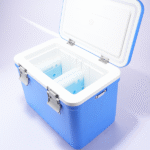
Hard Sided Coolers: Rigid containers made from rotomolded plastic or metal. They offer long hold times and rugged durability. According to Straits Research, hard sided coolers account for over 55% of the market share and are preferred for long trips and heavy use.
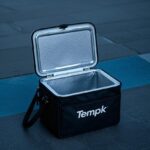
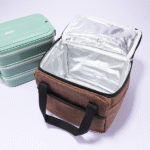
Soft Sided Coolers: Flexible coolers made from fabric and foam. They are lighter and more portable but offer shorter hold times. Soft sided coolers are popular for short duration deliveries and event catering where convenience is paramount.
Powered/Active Coolers: Incorporate compressors or thermoelectric modules to provide active cooling. These include 12 V car fridge units and battery powered models. Fortune Business Insights notes that electrified coolers offer premium features like integrated batteries, telematics and solar charging options, creating opportunities in medical transport and last mile delivery.
Disposable EPS Coolers: Low cost expanded polystyrene (EPS) or Styrofoam boxes. Use is declining due to environmental regulations. The New York Department of Environmental Conservation banned certain EPS containers in 2024, pushing manufacturers toward reusable and recyclable alternatives.
Vaccination and Pharmaceutical Carriers: Specialized containers often built with vacuum insulation panels (VIP) or phase change materials to maintain temperature ranges required for vaccines or pharmaceuticals. They include integrated TMDs and sometimes active cooling modules.
Understanding Key Features of Commercial Ice Boxes
When purchasing wholesale ice boxes, consider the following features to ensure they meet your operational requirements:
Insulation and Materials
The effectiveness of an ice box hinges on its insulation. Roto molded polyethylene shells filled with closed cell polyurethane foam are common for hard sided coolers. Stainless steel or high density polyethylene (HDPE) provides impact resistance and ease of cleaning. Soft sided coolers often use EVA or PEVA foam laminated with durable fabrics like polyester or nylon. For medical carriers, vacuum insulation panels offer superior thermal resistance.
Capacity and Design
Commercial applications range from 20 liter boxes for small food deliveries to 100 liter units for catering. Some models include built in dividers, removable trays or stacking features to optimize space. Hard sided coolers often have ergonomic handles and wheels for mobility. Soft sided coolers may include shoulder straps or backpack configurations.
Active Cooling vs. Passive Cooling
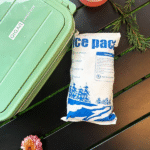
Passive coolers rely solely on insulation and ice or phase change materials (PCMs) to maintain temperature. Active coolers incorporate thermoelectric modules or compressor systems, offering continuous cooling without ice. For instance, portable vaccine refrigerators recommended by the CDC maintain vaccine integrity during transport. Active coolers are ideal for long distance transportation or for maintaining precise temperature ranges (e.g., 4 °C for vaccines or –20 °C for certain pharmaceuticals).
Temperature Monitoring and Compliance
A temperature monitoring device is crucial for sensitive shipments. The CDC advises placing a TMD in each container to monitor vaccine temperatures. In food service, temperature data loggers help ensure food safety by providing proof that proper temperatures were maintained during transit. Look for coolers with integrated digital displays, Bluetooth connectivity or data logging capabilities.
Durability and Ergonomics
Commercial environments demand boxes that can withstand repeated use, harsh weather and rough handling. Reinforced corners, UV resistant exteriors and rubber gasket seals improve durability and performance. Ergonomic considerations—like moulded handles, non slip bases and tie down slots—simplify transportation and stacking in delivery vehicles.
Eco Friendly Materials and Reusability
With growing pressure to reduce single use plastics, manufacturers are exploring recyclable materials and reusable designs. As Fortune Business Insights notes, sustainability shifts towards recyclable or bio based materials are a major trend. Options include expanded polypropylene (EPP), a rugged, non toxic, recyclable foam offering superior impact resistance. Reusable coolers not only reduce waste but also offer lower cost per use over time, making them attractive for wholesale buyers.
Applications: Where Are Commercial Ice Boxes Used?
Commercial ice boxes serve numerous industries. Here are key sectors and how they benefit from high performance coolers:
Foodservice and Hospitality
Restaurants, caterers and hotels rely on coolers to maintain safe temperatures for perishable ingredients and prepared dishes during transit or outdoor events. Hard sided coolers and soft sided catering boxes ensure compliance with food safety regulations by keeping food below 5 °C. As consumer demand for outdoor dining and pop up events grows, high quality portable coolers become essential for maintaining quality and compliance.
Retail and Grocery Distribution
Distribution centers use insulated containers to deliver fresh produce, dairy and frozen goods to supermarkets, convenience stores and home delivery customers. High capacity cooler boxes preserve cold chain integrity from warehouse to store shelf. Rising adoption of online grocery services and meal kits further expands demand for efficient, reusable coolers.
Pharmaceutical and Healthcare Logistics
Vaccines, biologics and temperature sensitive medications require precise temperature control. The CDC guidelines emphasize using qualified containers and packouts with TMDs for vaccine transport. Powered medical coolers with integrated batteries ensure safe transport to remote clinics or during emergencies. Hospitals also use cooler boxes to transport blood products, organs and lab samples.
Fishing, Hunting and Outdoor Sports
Fishing enthusiasts and hunting guides use rugged marine coolers to store catches and game meat. The Business Research Company notes that fishing activities drive growth in the ice box market, as ice boxes preserve fish freshness during transportation. Marine coolers often include UV protection, non slip feet and rust resistant hardware.
Camping and Recreational Activities
Camping and caravanning remain a key driver of ice box demand. The TBRC report explains that rising popularity of outdoor parties, camping and caravanning significantly contributes to ice box market growth. Collapsible and foldable coolers further expand market appeal by offering portable convenience.
Catering and Events
Event planners use cooler boxes to transport beverages and buffet items to outdoor weddings, corporate retreats and festivals. Hard sided coolers with integrated taps or spigots can serve chilled drinks, while soft sided units offer quick access to snacks and condiments. Some companies rent out fleets of coolers for large events, making wholesale purchases a cost effective option.
Buying Considerations: Choosing the Right Commercial Ice Box
Selecting the best ice box for your business depends on your use case, budget and logistical requirements. Here are step by step recommendations:
1. Define Your Temperature Requirements
Determine the temperature range you need to maintain. Food deliveries typically require 0–4 °C for refrigerated items and –18 °C for frozen goods. Vaccines may require 2–8 °C or ultra cold temperatures depending on the product. Choose a cooler with insulation and cooling technology to meet these needs. For vaccines, ensure the unit is designed for medical transport and includes a TMD.
2. Determine Capacity and Portability Needs
Consider the volume of goods you transport daily. For large catering orders, high capacity hard sided coolers (50–100 L) with wheels may be ideal. For e commerce meal deliveries, smaller, lightweight coolers (20–40 L) allow drivers to make multiple deliveries per trip. Soft sided coolers and insulated backpacks suit foot delivery or bicycle courier operations.
3. Assess Durability and Hygiene
Commercial environments demand repeated loading and unloading. Look for features such as UV resistant shells, reinforced corners, corrosion resistant hardware and replaceable seals. Smooth inner surfaces facilitate cleaning and prevent bacterial growth, while removable baskets or liners simplify sanitation between uses.
4. Evaluate Cooling Method (Passive vs. Active)
Passive coolers provide excellent insulation but rely on ice or PCMs. They are cost effective and require no power source, ideal for short distances or when electricity isn’t available. However, for pharmaceuticals or long distance food transport, active coolers with compressor or thermoelectric cooling deliver consistent temperatures and reduce reliance on ice.
5. Consider Regulatory Compliance
If transporting medical products, ensure the cooler meets CDC recommendations for vaccine transport. This means using qualified containers, packing with PCMs or conditioned water bottles to maintain 4–5 °C and placing a TMD near the contents. Food transporters should comply with local food safety laws, ensuring containers keep perishable foods below 5 °C.
6. Look at Sustainability and Cost Over the Product’s Lifetime
Environmental regulations are tightening, and consumers favor sustainable packaging. Reusable coolers have higher upfront costs but lower lifetime costs and reduced waste. EPS and disposable coolers face bans in many jurisdictions. Evaluate total cost of ownership, factoring in durability, cleaning requirements and waste disposal costs.
7. Check Supplier Credentials and Warranty
When purchasing wholesale, select manufacturers with a track record in commercial refrigeration. Look for warranties on materials and insulation performance. Reputable brands such as Igloo, Coleman, YETI, ORCA, Engel and Pelican are mentioned by market researchers as leading players. Check for compliance with quality standards like ISO 9001 or specialized certifications for medical use.
2026 Trends and Innovations in Commercial Ice Boxes
Understanding future trends helps you make a long term investment. Here are notable developments affecting the commercial ice box market in 2026 and beyond:
Trend 1: Electrification and Smart Coolers
The adoption of electrified portable coolers—battery assisted or 12 V compressor units—is accelerating. These devices provide active cooling and features like temperature alarms, remote monitoring and integrated telematics. Fortune Business Insights notes that electrified coolers open lucrative opportunities for last mile delivery and medical transport. Expect more models with interchangeable batteries, solar charging and app based temperature tracking.
Trend 2: Sustainable Materials and Reusability
Manufacturers are shifting away from single use EPS containers toward recyclable and bio based materials. Expanded polypropylene (EPP) is gaining traction for its durability, impact resistance and recyclability. Some companies are exploring bamboo fiber composites or plant based foams. In addition, rental or take back schemes, where distributors reclaim used coolers for refurbishment, are emerging, aligning with circular economy principles.
Trend 3: Regulatory Pressure and Compliance
Environmental legislation banning disposable foam containers continues to spread across U.S. states and international markets. Foodservice operators and wholesalers must transition to reusable containers and adopt sustainable packaging. Meanwhile, stricter vaccine transport regulations emphasize temperature monitoring and validated containers, driving demand for specialized medical coolers.
Trend 4: Integration with IoT and Data Logging
Internet of Things (IoT) sensors allow continuous monitoring of internal temperatures, humidity and location. Data loggers integrated into coolers can record and transmit data for compliance audits, supply chain optimization and quality assurance. As the cost of sensors declines, expect IoT enabled coolers to become standard in food and pharmaceutical logistics.
Trend 5: Cross Industry Collaboration and Service Models
Wholesalers are moving beyond simple product sales toward value added services, such as cooler fleet rentals, maintenance programs and temperature controlled packaging consultancy. Digital platforms and e commerce integration allow customers to order, track and schedule cooler deliveries online, reducing errors and improving satisfaction. Collaboration between cooler manufacturers, logistics providers and software firms will lead to integrated cold chain solutions.
Frequently Asked Questions
Q1: What size ice box do I need for my business?
Select a size based on the volume and type of goods you transport. For catering or grocery deliveries, high capacity coolers (50–100 L) with wheels work well. For meal kits or small orders, choose 20–40 L containers. Consider stacking or modular designs if you need flexibility.
Q2: Can I use regular food coolers for vaccine transport?
No. The CDC explicitly advises against using soft sided food or beverage coolers for vaccines because they are poorly insulated. Use portable vaccine refrigerators or qualified containers with temperature monitoring devices to maintain proper temperatures during transport.
Q3: Do powered coolers require more maintenance?
Powered coolers include compressors or thermoelectric modules that require periodic maintenance, such as cleaning condenser fins, checking batteries and ensuring electrical connections are safe. However, they offer continuous cooling without ice and provide precise temperature control for long distance or high value shipments. Assess maintenance costs against the benefits of reliability and compliance.
Q4: How long do reusable cooler boxes last?
High quality hard sided coolers typically last 5–10 years or longer when properly maintained. Reusable plastic or metal coolers are more durable than disposable EPS containers and offer better cost effectiveness. Look for products with warranties to protect your investment.
Q5: Are eco friendly coolers more expensive?
Sustainable materials like EPP or plant based foams may carry higher upfront costs, but they often have longer lifespans and lower cost per use. Additionally, using eco friendly coolers helps businesses comply with environmental regulations and appeal to environmentally conscious consumers.
Practical Tips and Advice
For restaurants and caterers: Invest in a mix of hard sided and soft sided coolers. Use rugged hard sided models for transporting bulk ingredients and delicate prepared foods, and lighter soft sided coolers for smaller deliveries and quick service. Clean and sanitize interiors after each use to meet food safety standards.
For pharmacies and clinics: Always use qualified vaccine carriers with integrated temperature monitoring. Train staff to pack coolers correctly with PCMs at 4–5 °C and avoid food coolers. Plan transport routes and have backup power sources during emergencies.
For grocery delivery services: Prioritize lightweight, stackable coolers with ergonomic handles to improve driver efficiency. Consider active coolers for hot climates or long distances. Use digital order tracking systems integrated with cooler fleets to manage inventory and ensure timely deliveries.
For wholesalers: Offer clients a choice of reusable coolers with varying capacities, including electrified options. Provide guidance on packing techniques and compliance for different industries. Explore rental or leasing models that allow customers to scale cooler usage seasonally without large capital outlays.
Real World Example: A regional meal kit delivery company in California switched from disposable EPS coolers to reusable EPP containers with integrated gel packs. The new coolers maintained product temperature for 48 hours, reducing spoilage rates by 30% and cutting packaging waste by 95%. Although the upfront cost per cooler was higher, the company achieved payback within six months through reduced replacement and waste management costs. The switch also aligned with state policies restricting single use foam containers, avoiding potential fines and bolstering the brand’s eco friendly image.
Summary and Recommendations
Commercial ice boxes—whether simple insulated chests or advanced battery powered units—play a critical role in modern cold chain logistics. The market is growing rapidly, driven by outdoor lifestyles, food delivery, healthcare demand and technological innovation. Businesses must choose products that meet temperature requirements, regulatory standards and sustainability goals.
Key takeaways:
The global cooler box market will more than double from USD 6.80 billion in 2025 to over USD 14 billion by 2032. Hard sided coolers dominate the market, while electrified coolers and reusable designs represent major growth opportunities.
Demand is driven by outdoor recreation, last mile delivery and the expanding cold chain in food and pharmaceuticals.
Sustainable materials and reusable designs are replacing EPS disposables due to environmental bans.
For vaccine transport, specialized medical coolers with TMDs are required; regular food coolers are unsuitable.
Consider total cost of ownership and choose durable, recyclable materials. Evaluate size, insulation, active vs. passive cooling and regulatory compliance when selecting products.
Actionable Next Steps
Audit your current cooling requirements: List the products you transport, their required temperatures and typical transport durations. Identify gaps or issues in your existing cooler fleet.
Select appropriate products: Choose a mix of passive and active coolers based on transport distance and temperature sensitivity. Prioritize reusable materials like EPP or rotomolded polyethylene.
Develop packing and monitoring protocols: Train staff on proper packing using ice or PCMs, incorporate TMDs and maintain logs for compliance. For medical shipments, follow CDC recommendations.
Integrate digital tools: Use IoT sensors and digital platforms to track temperatures and manage cooler inventory. Consider partnering with suppliers offering integrated software.
Plan for sustainability: Evaluate take back programs or rental models to reduce waste. Highlight eco friendly practices in your marketing to attract environmentally conscious clients.
About Tempk
We at Tempk specialize in cold chain solutions designed for commercial and industrial clients. Our product range includes high performance cooler boxes, insulated shippers and phase change materials engineered to maintain stable temperatures for food, pharmaceuticals and sensitive goods. We focus on innovation—embracing recyclable materials, advanced insulation and integrated temperature monitoring—to deliver products that meet the demands of modern logistics. Our commitment to quality and customer service ensures that your products arrive safe, fresh and compliant.
Next Step: If you’re ready to upgrade your commercial cooling solutions, consult with our experts to determine the best mix of passive and active coolers for your needs. We’ll help you design a cold chain system tailored to your operations and sustainability goals.